Top Hanfu Activewear for Tai Chi and Qigong Practice 2026
The Intersection of Xin Zhongshi and Mindful Movement
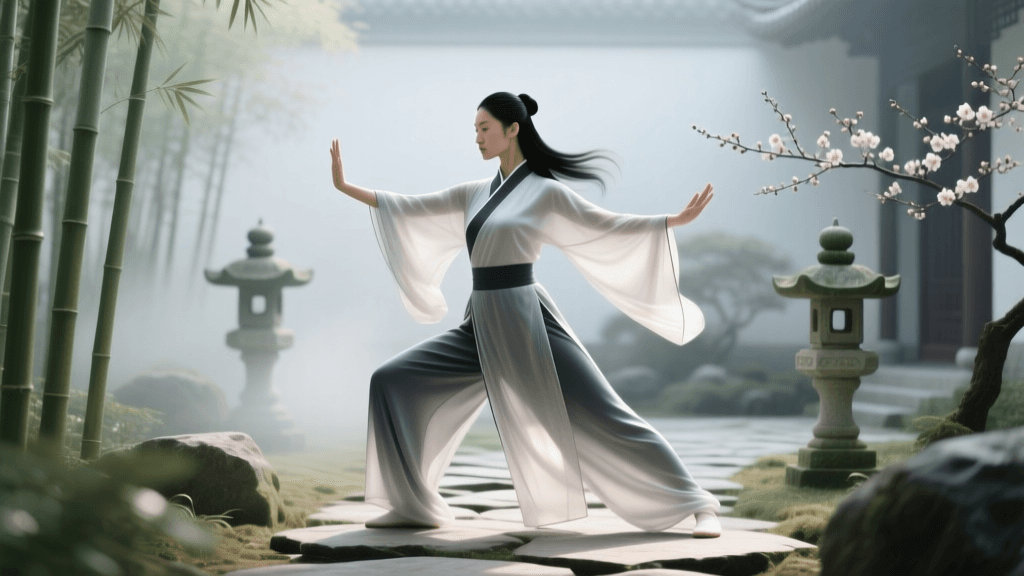
The Xin Zhongshi (新中式) or "New Chinese Style" movement has dramatically evolved by 2026, moving beyond mere aesthetic fashion into functional, lifestyle-integrated apparel. Nowhere is this more evident than in the intersection of traditional Hanfu and Chinese wellness practices like Tai Chi and Qigong. As practitioners seek garments that honor historical silhouettes while supporting the biomechanics of mindful movement, a specialized niche of Hanfu activewear has emerged. In 2026, the market offers an unprecedented range of textiles and cuts designed specifically to facilitate the flow of Qi (vital energy) while maintaining the elegant drape characteristic of traditional Chinese garments.
According to Harvard Health Publishing, Tai Chi is frequently described as "meditation in motion," requiring deep diaphragmatic breathing and fluid, uninterrupted joint articulation. Restrictive modern activewear can sometimes impede the sensory feedback loop necessary for these internal arts. Conversely, traditional Hanfu, when adapted correctly for movement, provides a tactile environment that enhances spatial awareness and grounding. Furthermore, the World Health Organization continues to recognize the integration of traditional wellness practices into global health strategies, validating the cultural and physical importance of maintaining authentic environments for these disciplines.
Why Fabric Drape Matters in Qigong and Tai Chi
In traditional Chinese medicine and martial arts, the concept of "Song" (relaxation or active release of tension) is paramount. The fabric you wear must visually and physically reflect this state. A garment that binds at the shoulders or restricts the hips disrupts the meridian lines and limits the practitioner's ability to sink their weight into the ground. The 2026 Xin Zhongshi activewear lines prioritize a "fluid drape"—a textile behavior where the fabric follows the body's momentum without clinging or creating drag.
When performing the Silk Reeling exercises of Chen-style Tai Chi, the rotational force (Chan Si Jin) requires the torso to twist freely. Modern Hanfu designers have solved this by integrating hidden gussets under the arms and utilizing bias-cut side panels in traditional cross-collar tops, allowing for a full range of motion while preserving the iconic right-over-left lapel (Jiaoling Youren) silhouette.
2026 Fabric Guide: Breathability, Stretch, and Qi Flow
The choice of material is perhaps the most critical decision for a Qigong practitioner. In 2026, textile engineering has merged with ancient weaving techniques to produce fabrics that regulate temperature and wick moisture without relying on synthetic microplastics. Below is a comprehensive comparison of the top fabrics used in Hanfu wellness apparel this year.
| Fabric Type | Breathability | Drape Quality | Best Season | 2026 Avg. Price (Set) |
|---|---|---|---|---|
| Raw Ramie (夏布) | Exceptional | Structured, crisp | Peak Summer | $60 - $110 |
| Bamboo-Linen Blend | High | Fluid, soft | Spring / Autumn | $75 - $140 |
| Tencel-Silk Mix | Moderate-High | Luxurious, heavy flow | All-Season Indoor | $120 - $220 |
| Organic Heavy Cotton | Moderate | Grounded, structured | Winter | $45 - $90 |
| Charcoal-Infused Hemp | High | Medium, textured | Summer / Humid | $85 - $150 |
Spotlight on Charcoal-Infused Hemp
One of the standout innovations in the 2026 wellness market is charcoal-infused hemp. By weaving activated bamboo charcoal particles into the hemp fibers, manufacturers have created a naturally antimicrobial and odor-resistant fabric. This is particularly beneficial for intensive Qigong retreats or hot-weather Tai Chi practice, where synthetic moisture-wicking fabrics often trap heat and disrupt the body's natural thermoregulation.
Top Hanfu Silhouettes for Wellness Practices
While the flowing, floor-length robes seen in historical dramas are visually stunning, they are entirely impractical for martial arts and wellness routines. The 2026 Xin Zhongshi activewear collections draw heavy inspiration from the Duanda (短打) or "short clothes" historically worn by martial artists, laborers, and monks, elevating them with premium tailoring.
The Modified Jiaoling Youren (Cross-Collar) Top
The traditional cross-collar top remains the cornerstone of the wellness wardrobe. In 2026, the wellness-specific versions feature a slightly relaxed fit through the chest to accommodate deep abdominal breathing. The sleeves are typically designed in the "Arrow Sleeve" (箭袖) style, which is wide at the shoulder and tapers to a fitted cuff at the wrist. This prevents the fabric from falling over the hands during intricate sword forms or grounding mudras, while still allowing the energetic expression of the arm movements.
Wide-Leg Ku (Trousers) and Bindings
For the lower body, the traditional Ku (trousers) have been adapted with a deep, gusseted crotch and a high, elasticated drawstring waist. This design completely eliminates pressure on the lower Dantian (the body's energetic center, located just below the navel). Many practitioners pair these trousers with traditional fabric leg bindings (绑腿), which in 2026 are made from stretch-woven cotton. These bindings provide mild compression to the calves, promoting venous return during long periods of standing meditation (Zhan Zhuang) without cutting off circulation.
Color Theory in Traditional Wellness Apparel
In traditional Chinese culture, color is not merely decorative; it is deeply tied to the Five Elements (Wu Xing) theory and corresponds to specific internal organs and energetic states. When curating your 2026 Qigong wardrobe, consider the energetic properties of your garment's dye:
- Earth Tones (Ochre, Terracotta, Beige): Associated with the Spleen and Stomach meridians. These colors are recommended for grounding practices and stabilizing the mind during standing meditation.
- Water Tones (Indigo, Deep Navy, Black): Linked to the Kidney meridian, the root of vital essence (Jing). Indigo-dyed hemp sets are highly sought after for restorative Qigong and winter wellness routines.
- Wood Tones (Celadon, Bamboo Green): Connected to the Liver meridian and the smooth flow of Qi. Light green bamboo-linen sets are ideal for morning Tai Chi in natural settings, promoting a sense of renewal and flexibility.
Footwear: Grounding Your Practice
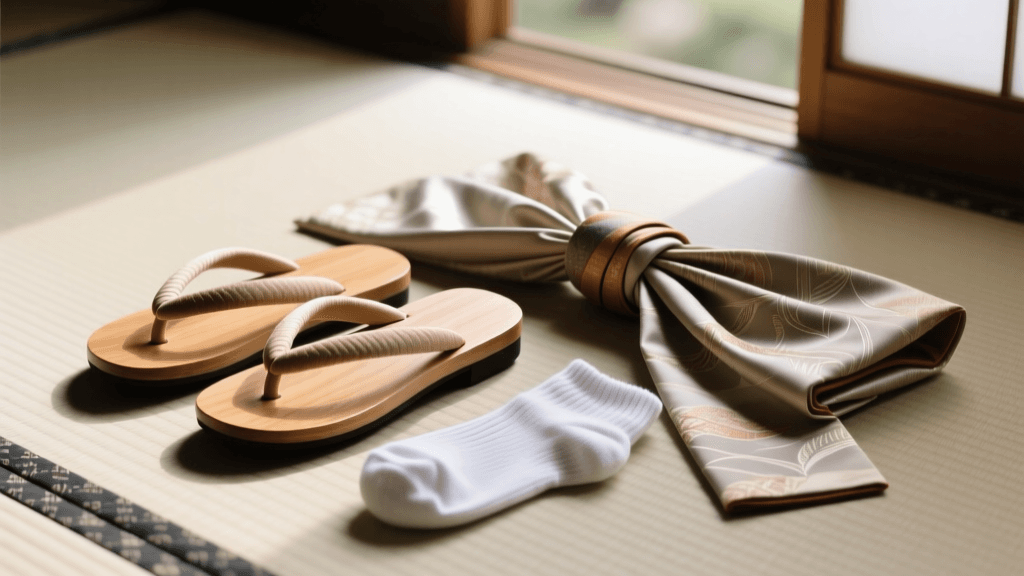
The connection between the foot and the earth is critical in Tai Chi; practitioners often speak of "rooting" into the ground. Modern running shoes with thick, cushioned soles sever this tactile connection, making balance and weight transfer difficult. The 2026 market has seen a massive resurgence in the traditional Bufan (布鞋) or cloth shoe. Modern iterations of the Bufan retain the traditional cotton and hemp uppers but feature ultra-thin, flexible natural rubber soles. This allows the practitioner to feel the texture of the ground, engaging the proprioceptive nerves in the feet and enhancing the "Yongquan" (Kidney 1) acupressure point's connection to the earth.
Building and Caring for Your 2026 Wellness Wardrobe
Investing in Xin Zhongshi activewear is an investment in your daily wellness ritual. To maintain the integrity of natural fibers like ramie and silk blends, proper care is essential. Always hand-wash your Qigong garments in cold water using a pH-neutral, enzyme-free detergent. Avoid wringing the fabric; instead, press the water out gently and lay the garment flat to dry in the shade. Direct sunlight can degrade natural plant dyes and weaken hemp fibers over time.
By thoughtfully selecting garments that respect both the historical lineage of Hanfu and the biomechanical requirements of Tai Chi and Qigong, practitioners in 2026 can deepen their physical and spiritual connection to these ancient arts. The right clothing does not just cover the body; it becomes an extension of the breath, a conduit for Qi, and a daily reminder of the profound harmony between culture, nature, and mindful movement.