Kimono vs Hanbok vs Cheongsam: 2026 Wardrobe Guide
Introduction to Asian Sartorial Elegance in 2026
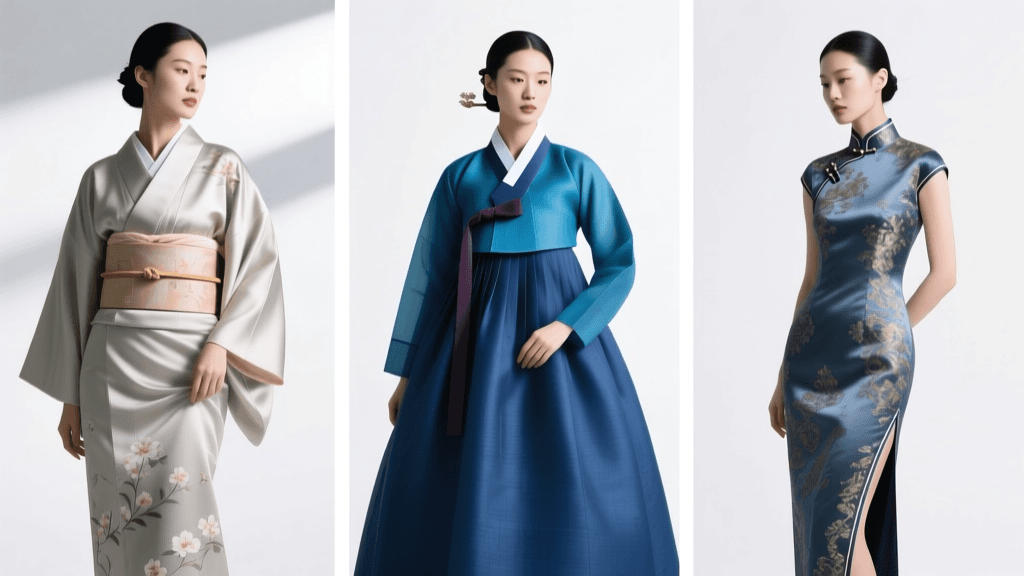
The landscape of Asian traditional garments has evolved dramatically as we navigate 2026. The kimono of Japan, the hanbok of Korea, and the cheongsam (qipao) of China are no longer relegated solely to museum archives or strictly formal ceremonial wear. Today, they are dynamic, living fashion statements that bridge centuries of heritage with contemporary sustainability and modern streetwear aesthetics. For collectors, cultural enthusiasts, and global fashionistas, understanding the distinct silhouettes, construction methods, and modern styling applications of these three iconic garments is essential. This comprehensive guide breaks down the structural differences, fabric innovations, and 2026 styling trends for the kimono, hanbok, and cheongsam, helping you make informed decisions for your wardrobe, tailoring commissions, or cultural event attire.
The Kimono: Japan's Linear Masterpiece
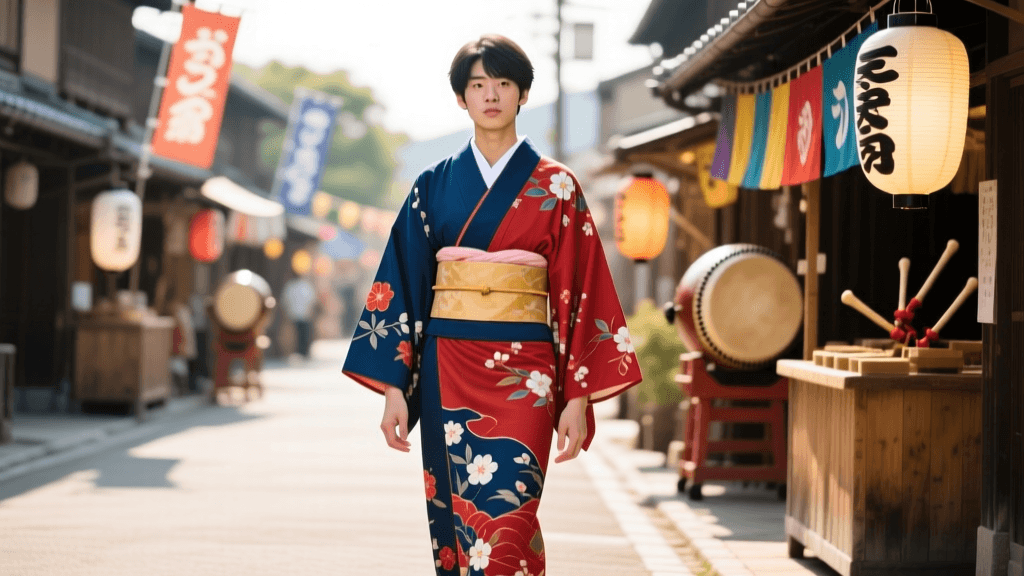
The Japanese kimono, translating literally to 'thing to wear,' is globally revered for its T-shaped, straight-lined silhouette. Unlike Western tailoring, which relies on darts, curved seams, and bias cuts to contour the body, the traditional kimono is constructed from straight, rectangular panels cut from a single, standardized bolt of fabric known as a tanmono. This zero-waste construction method has seen a massive resurgence in 2026 as sustainable, circular fashion becomes a primary driver in the global apparel industry.
Silhouette and Construction
The kimono's elegance lies in its flatness and the way it drapes over the body, creating a cylindrical, column-like shape. The garment is secured not by buttons or zippers, but by the obi, a wide, intricately tied sash that serves as the focal point of the ensemble. The collar, or eri, is always wrapped left over right for the living (right over left is strictly reserved for dressing the deceased). According to the Metropolitan Museum of Art, the structural brilliance of the kimono allows it to be completely disassembled, washed, and re-sewn, extending its lifespan across generations.
Fabrics and 2026 Innovations
Traditional kimono fabrics include chirimen (silk crepe) for winter and ro or sha (woven silk gauze) for the humid summer months. In 2026, we are seeing a major shift toward upcycled vintage silks and lab-grown spider silk blends that offer the lustrous drape of traditional habutae silk but with enhanced durability and a lower carbon footprint. Modern kitsuke (dressing) schools are also embracing washable, wrinkle-resistant synthetic blends for daily practice, making the art of kimono dressing more accessible to international students.
Modern Styling for 2026
- The Haori Layer: The haori (a hip- or thigh-length kimono jacket) is the ultimate transitional piece in 2026. Worn open over a modern slip dress, tailored trousers, or even a simple white t-shirt and denim, it adds instant structural drama.
- Obi Belt Fusion: Vintage maru obi sashes are being repurposed as statement corset belts over oversized blazers, merging traditional Japanese weaving techniques like Nishijin-ori with avant-garde European silhouettes.
The Hanbok: Korea's Voluminous Grace
The Korean hanbok is instantly recognizable by its vibrant colors, simple lines, and striking silhouette: a voluminous, bell-shaped skirt (chima) or wide, billowing trousers (baji) paired with a short, fitted jacket (jeogori). The hanbok is designed to conceal the body's natural curves, instead creating a harmonious, flowing shape that moves beautifully with the wearer.
Silhouette and Construction
The defining architectural feature of the hanbok is the baerae, the elegant, curved line of the jeogori sleeve that mimics the gentle slope of traditional Korean hanok rooftops. The jacket is secured by the goreum, a long, flowing front tie that replaced the short, functional ties of the 16th century with the elongated, decorative ribbons seen today. The white, detachable paper or fabric collar overlay, known as the dongjeong, provides a sharp, crisp contrast that frames the face and highlights the natural dyes of the garment.
Fabrics and 2026 Innovations
Historically, the hanbok utilized mosi (ramie) for summer and heavily padded silk for winter. The Victoria and Albert Museum highlights the historical significance of these natural fibers in East Asian textile history. In 2026, the 'daily hanbok' movement has pushed designers to experiment with eco-friendly cupro, Tencel, and lightweight organza. These modern textiles maintain the structural volume required for the chima without the heavy, restrictive weight of traditional layered silks, making the hanbok highly practical for urban commuting and modern office environments.
Modern Styling for 2026
- Cropped Jeogori: Modern interpretations often feature a slightly cropped jeogori paired with high-waisted, wide-leg linen trousers, creating a breezy, sophisticated resort-wear look that is incredibly popular in 2026 summer collections.
- Streetwear Chima: Designers are integrating hidden pockets, adjustable hemlines, and even reflective threading into the chima, allowing it to be worn with chunky sneakers and oversized graphic tees for a high-low streetwear aesthetic.
The Cheongsam: China's Contoured Elegance
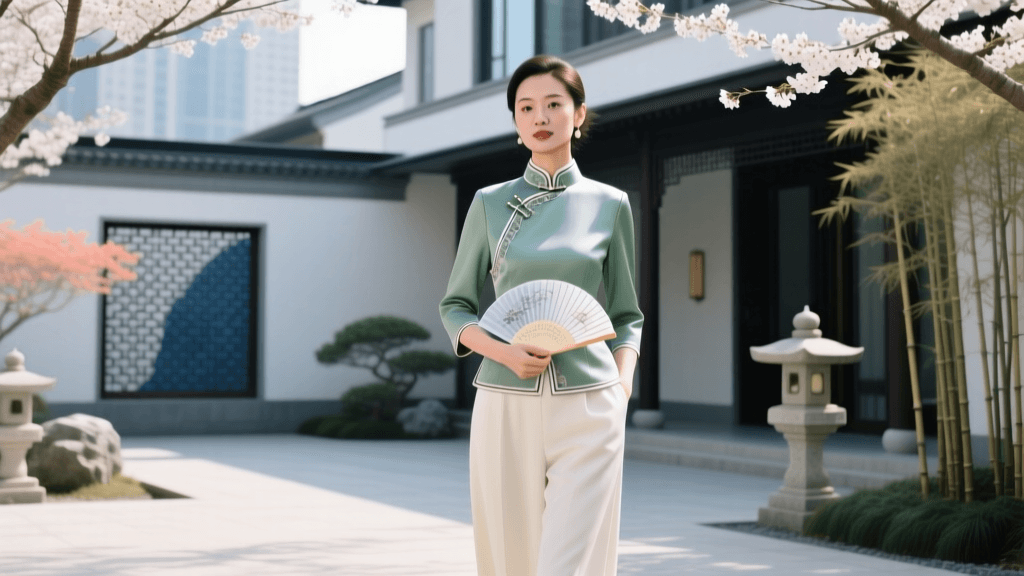
The Chinese cheongsam, also widely known as the qipao, offers a stark contrast to the voluminous hanbok and the linear kimono. Evolving from the loose, floor-length robes of the Manchu Qing dynasty into the form-fitting, tailored silhouette of the 1930s, the modern 2026 cheongsam is a masterclass in structural tailoring and feminine contouring.
Silhouette and Construction
The cheongsam is defined by its high Mandarin collar, its asymmetrical side fastenings secured by intricate knotted frog buttons (pankou), and strategic side slits that allow for ease of movement. Unlike the kimono and hanbok, which are constructed from flat, straight panels, the modern cheongsam relies on Western tailoring techniques such as bust darts, waist suppression, and set-in sleeves to hug the wearer's natural figure. The pankou knots are not merely functional; they are highly decorative, often crafted into floral, geometric, or auspicious motifs.
Fabrics and 2026 Innovations
Traditional cheongsams were crafted from heavy silk brocades, velvets, and embroidered satins. However, the 2026 wardrobe demands mobility. Today's premier tailors in Shanghai and Hong Kong are utilizing stretch-silk blends, lightweight jacquards, and even sustainable bamboo-silk mixes. These fabrics provide the iconic glossy sheen and drape of the qipao but offer the four-way stretch necessary for active, modern lifestyles. Furthermore, 3D-printed pankou buttons made from recycled resins are emerging as a major trend, allowing for bespoke, avant-garde fastenings that traditional hand-knotting cannot achieve.
Modern Styling for 2026
- The Everyday Mini-Qipao: A sleeveless, knee-length cheongsam made from breathable cotton-linen blends is a staple for 2026 spring wardrobes, easily transitioned from the office to a dinner date with the swap of footwear.
- Cyberpunk and Techwear Fusion: In alternative fashion circles, the cheongsam is being reimagined with tactical webbing, waterproof nylon fabrics, and modular pockets, blending traditional Chinese motifs with futuristic techwear.
Comparative Analysis: Kimono vs. Hanbok vs. Cheongsam
| Feature | Kimono (Japan) | Hanbok (Korea) | Cheongsam / Qipao (China) |
|---|---|---|---|
| Silhouette | Linear, T-shaped, cylindrical, concealing | Voluminous bell skirt, short cropped jacket, flowing | Form-fitting, contoured, high collar, side slits |
| Primary Fastening | Obi (wide, structured sash) | Goreum (long, flowing front fabric tie) | Pankou (knotted frog buttons, hidden snaps) |
| Construction | Straight rectangular panels, zero-waste | Curved sleeves (baerae), gathered skirts | Darts, bias cuts, set-in sleeves, tailored |
| Traditional Fabric | Silk crepe (chirimen), woven gauze (ro) | Ramie (mosi), plain weave silk, hemp | Silk brocade, velvet, embroidered satin |
| 2026 Modern Trend | Upcycled vintage haori layering over western wear | Eco-friendly daily streetwear hanbok with pockets | Stretch-silk everyday qipao, 3D-printed fastenings |
| Collar Style | Wide, flat collar wrapped left over right | White detachable overlay (dongjeong) | Stiff, high Mandarin collar |
Sourcing, Tailoring, and Costs in 2026
Acquiring authentic, high-quality traditional garments requires an understanding of the current market. In 2026, the divide between mass-produced tourist apparel and artisan-crafted pieces is wider than ever.
Custom Tailoring vs. Off-the-Rack
For the cheongsam, custom tailoring is highly recommended due to its form-fitting nature. A bespoke qipao from a reputable tailor in Shanghai's South Bund Fabric Market or a heritage brand in Hong Kong will typically range from $600 to $3,500 in 2026, depending on the complexity of the embroidery and the origin of the silk. Off-the-rack options are abundant but often compromise on the precise fit of the Mandarin collar and shoulder seams.
The kimono market is unique due to the thriving vintage and upcycling sector. While a brand-new, custom-woven silk kimono from Kyoto's Nishijin district can easily exceed $5,000, the 2026 market is dominated by curated vintage silk kimono and haori, which can be sourced from specialized online dealers and Tokyo recycle shops for $150 to $800. The primary cost factor for kimono wearers today is the kitsuke accessories (obi, obijime, tabi socks) and professional dressing services for major events.
For the hanbok, the 'daily hanbok' brands have made off-the-rack purchasing highly accessible, with high-quality, modern sets ranging from $150 to $400. However, for traditional, ceremonial hanbok (such as wedding attire or hwalot), commissioning a master tailor in Seoul's Bukchon Hanok Village remains the gold standard, with prices starting around $800 and reaching upwards of $3,000 for hand-embroidered royal court replicas.
Garment Care and Preservation
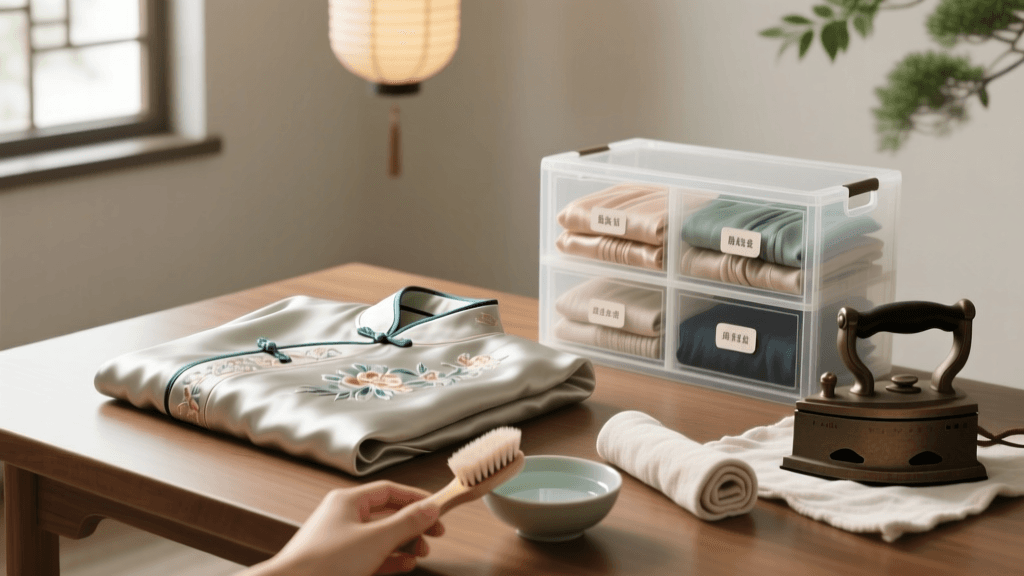
Preserving these garments requires specific environmental controls. Kimono should never be kept on wire hangers; they must be folded flat along their natural seam lines and stored in tatou-shi (traditional paper wrappers) inside wooden tansu chests to allow the silk to breathe and prevent permanent creasing. Hanbok, particularly those made from stiff ramie or heavily structured silks, should be hung on wide, padded hangers to maintain the bell shape of the chima, with the dongjeong collar removed and stored flat to prevent yellowing. The cheongsam, especially those with delicate pankou knots and stretch fibers, should be stored flat or rolled to prevent the shoulder pads and darts from losing their shape under gravity.
Conclusion: Embracing Heritage in the Modern Era
As we move through 2026, the kimono, hanbok, and cheongsam stand as testaments to the enduring power of cultural heritage in a rapidly changing world. Whether you are drawn to the sustainable, zero-waste geometry of the kimono, the sweeping, romantic volume of the hanbok, or the sharp, tailored sophistication of the cheongsam, each garment offers a unique lens into Asian history and artisanal mastery. By understanding their distinct constructions, respecting their cultural etiquettes, and embracing modern styling innovations, we ensure that these magnificent traditions continue to thrive and evolve on the global stage.
For further reading on the preservation of traditional Asian textile techniques, the UNESCO Intangible Cultural Heritage list provides extensive documentation on the weaving, dyeing, and embroidery practices that keep these garments alive today.