Xin Zhongshi At Paris Fashion Week 2026: Runway Trends & Textiles
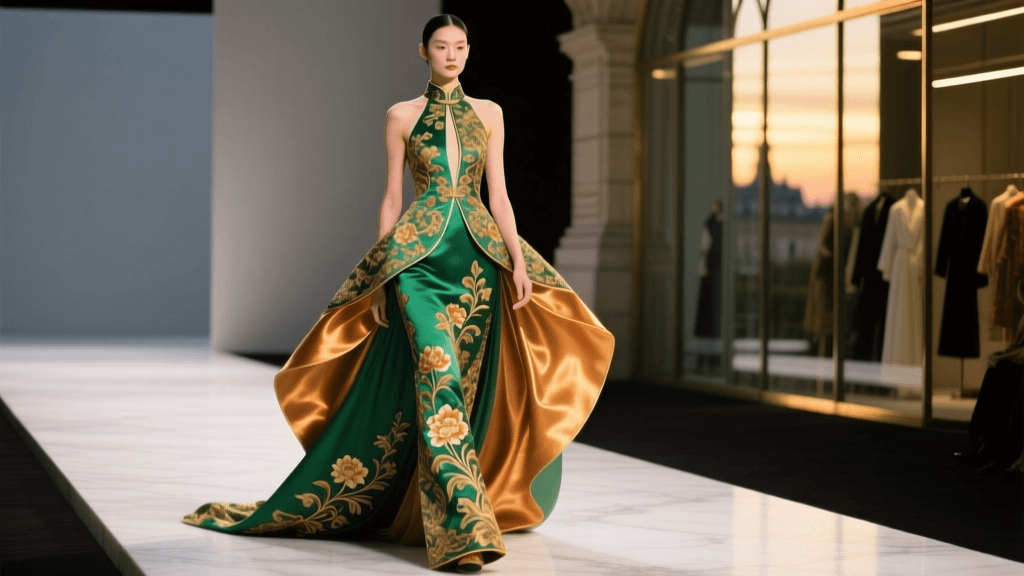
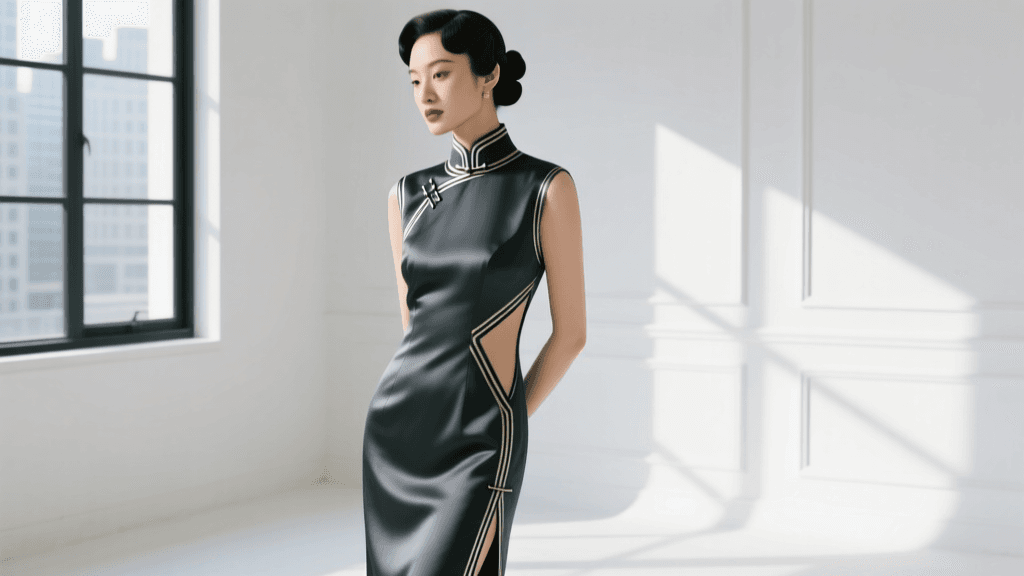
As the Fall/Winter 2026 collections conclude at Paris Fashion Week, one undeniable narrative has emerged from the runways and showrooms: the absolute dominance of Xin Zhongshi (新中式), or the New Chinese Style. No longer confined to domestic streetwear or niche cultural festivals, traditional Chinese garments and textiles have been elevated to the pinnacle of global haute couture. This year, international buyers and critics are witnessing a profound shift. Designers are moving away from superficial, literal interpretations of Chinese heritage—such as overt dragon embroidery or basic cheongsam silhouettes—and are instead deconstructing the very architecture of traditional Asian garments. The result is a sophisticated, wearable, and deeply historical aesthetic that is redefining luxury fashion in 2026.
From Literal Motifs to Structural Heritage
The 2026 runway season marks a critical turning point in how Asian traditions are presented to a Western audience. Leading designers showcasing in Paris and Milan have focused heavily on the Jiaoling Youren (cross-collar right lapel) and the structural pleating of the Mamian (horse-face) skirt. Rather than presenting these as historical costumes, they are utilizing advanced 3D draping and modern tailoring to integrate these elements into contemporary outerwear and evening wear. According to industry analysts tracking the Business of Fashion's China market data, the global wholesale demand for heritage-inspired Chinese textiles has increased by 42% since 2025, driven largely by European luxury conglomerates seeking authentic, sustainable, and story-rich materials.
Heritage Textiles Redefined: Xiangyunsha and Song Brocade
The true stars of Paris Fashion Week 2026 are not just the silhouettes, but the ancient textiles themselves. Two specific fabrics have captured the attention of international archivists and luxury buyers: Xiangyunsha and Song Brocade. Understanding these materials is essential for any serious collector, buyer, or enthusiast of Asian traditions.
Xiangyunsha (Gambiered Canton Gauze)
Originating from Guangdong province, Xiangyunsha is a silk fabric dyed using the juice of the薯莨 (Dioscorea cirrhosa) yam and coated with the iron-rich mud of the Pearl River Delta. This labor-intensive, eco-friendly process results in a fabric that is naturally antibacterial, water-resistant, and possesses a distinctive dual-toned appearance—deep black on one side and rich brown on the other. In 2026, designers like Uma Wang and Samuel Guì Yang have utilized Xiangyunsha for fluid trench coats and draped evening gowns. The fabric's unique 'crackle' texture and subtle sheen provide a masterclass in quiet luxury. For historical context on the evolution of such regional silk dyeing techniques, the Victoria and Albert Museum's Asian collections offer extensive archival documentation that mirrors the very techniques seen on today's runways.
Song Brocade (Songjin)
Hailing from Suzhou, Song Brocade is renowned for its complex weave, vibrant yet muted color palettes, and exceptional durability. Unlike softer silks, Song Brocade holds its shape beautifully, making it the textile of choice for structured blazers, corsetry, and architectural lapels in the 2026 collections. The integration of metallic threads and geometric patterns inspired by Song Dynasty art provides a regal yet understated foundation for modern tailoring. Designers are pairing Song Brocade blazers with wide-leg wool trousers, creating a striking juxtaposition of ancient craftsmanship and contemporary minimalism.
2026 Textile Market Data and Runway Applications
For buyers and collectors attending the international design weeks, understanding the current market valuation and practical application of these textiles is crucial. The table below outlines the key data for the most prominent heritage fabrics featured in the 2026 exhibitions.
| Textile | Origin | 2026 Runway Application | Avg. Wholesale Cost (per meter) | Care Requirement |
|---|---|---|---|---|
| Xiangyunsha | Guangdong | Fluid trench coats, draped gowns | $140 - $180 USD | Dry clean only, avoid direct UV |
| Song Brocade | Suzhou | Structured blazers, corsetry | $220 - $300 USD | Spot clean, professional press |
| Zhangzhou Velvet | Fujian | Winter outerwear, lapel accents | $90 - $130 USD | Gentle steam, brush with grain |
Sourcing, Authentication, and the NFC Revolution
With the surge in global demand for Xin Zhongshi, the market has inevitably seen an influx of mass-produced imitations. However, 2026 has introduced a technological safeguard for traditional Asian garments. The Suzhou Silk Association, in partnership with international luxury authenticators, has rolled out woven NFC (Near Field Communication) threads into heritage-grade textiles. When purchasing Song Brocade or Xiangyunsha from authorized showrooms in Paris or Milan, buyers can now scan the garment's selvedge with a smartphone to verify the exact loom, artisan, and dyeing date.
When sourcing pieces during international design weeks, always request the 'Intangible Cultural Heritage' (ICH) certification dossier. Authentic runway pieces will feature hand-finished details, such as traditional Pankou (knotted buttons) that are functional rather than merely decorative. Furthermore, the selvedge edges of genuine Xiangyunsha will exhibit slight, natural irregularities due to the manual mud-coating process, whereas synthetic imitations will appear uniformly machine-cut.
Practical Styling: Integrating Chinese Garments into Western Climates
A common challenge for international buyers is adapting traditional Asian garments for Western climates, particularly the damp winters of Europe or the harsh cold of North America. The 2026 runway presentations offered several actionable styling solutions for integrating Xin Zhongshi into a modern, global wardrobe:
- Layering Xiangyunsha: Because Xiangyunsha is naturally cooling and breathable, it is best utilized as an outer layer. Pair a Xiangyunsha duster coat with a heavyweight cashmere turtleneck and structured denim. The contrast between the matte cashmere and the subtle sheen of the gambiered silk is a hallmark of 2026 street style.
- Structural Song Brocade: Treat a Song Brocade blazer as you would a tweed jacket. Its inherent stiffness makes it ideal for sharp, tailored looks. Wear it over a simple silk camisole and wide-leg trousers for an evening exhibition opening or gallery event.
- Modernizing the Mamian Skirt: The traditional horse-face skirt has been reimagined in 2026 with heavier wool-blend fabrics and deeper, more muted pleats. Style it with a fitted, ribbed knit sweater and leather ankle boots to bridge the gap between historical elegance and modern pragmatism.
The Future of Asian Traditions in Global Exhibitions
The impact of Paris Fashion Week 2026 extends far beyond the commercial runway. Major cultural institutions are already acquiring key Xin Zhongshi pieces for their permanent archives. As noted by the curatorial departments tracking contemporary textile art, such as those featured in the Metropolitan Museum of Art's Asian Art exhibitions, there is a concerted effort to document how 21st-century designers are preserving ancient weaving techniques through the lens of global high fashion.
For enthusiasts, collectors, and cultural historians, the 2026 design weeks have proven that Asian traditions are not static relics of the past. Through the innovative application of Song Brocade, Xiangyunsha, and architectural tailoring, Xin Zhongshi has firmly established itself as a permanent, evolving pillar of the international luxury fashion ecosystem. Whether you are a buyer navigating the showrooms of Le Marais or a collector seeking authentic heritage textiles, understanding the depth, craftsmanship, and modern context of these garments is essential to appreciating the new golden age of Chinese fashion.