Top Hanfu Styles for Tai Chi & Qigong Wellness in 2026
The Intersection of Hanfu and Traditional Wellness in 2026
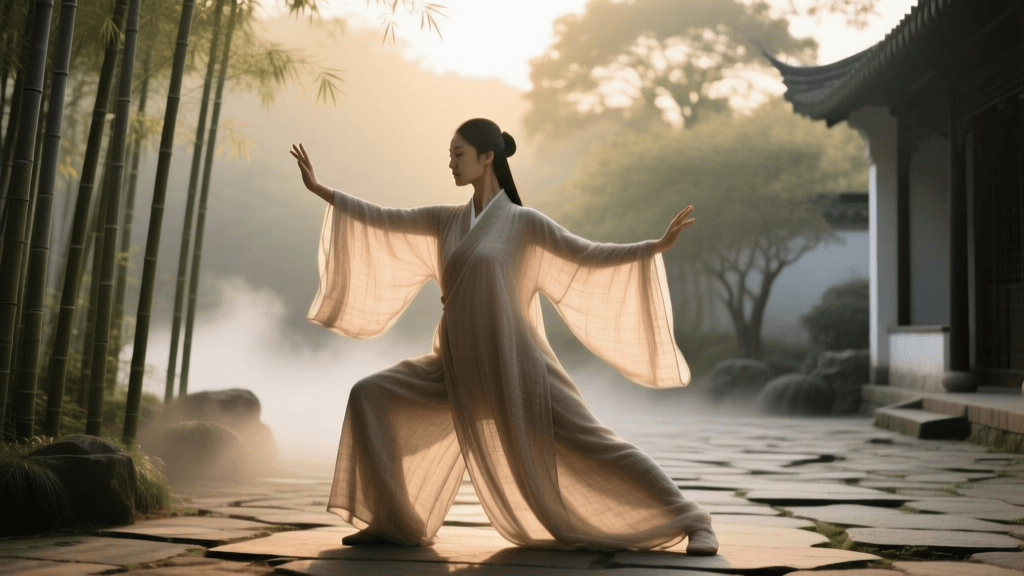
As the global wellness movement continues to evolve in 2026, the integration of traditional Chinese practices like Tai Chi and Qigong with authentic cultural attire has reached new heights. No longer confined to historical reenactments, Hanfu has become a living, breathing component of daily holistic health routines. According to the National Center for Complementary and Integrative Health, the mindful movements of Tai Chi and Qigong offer profound benefits for balance, stress reduction, and cardiovascular health. But to truly facilitate the unimpeded flow of Qi (vital energy), practitioners are discovering that what they wear is just as critical as how they move.
In 2026, the modern Hanfu market has responded to this demand by engineering garments that honor ancient silhouettes while utilizing advanced, breathable textiles. The traditional philosophy dictates that clothing should not restrict the body's meridians. Tight cuffs, rigid waistbands, and heavy, non-porous synthetics are antithetical to the expansive, grounding postures of Qigong. This guide explores the optimal Hanfu styles, fabric weights, and structural measurements for the dedicated wellness practitioner.
Key Fabric Requirements for Unrestricted Qi Flow
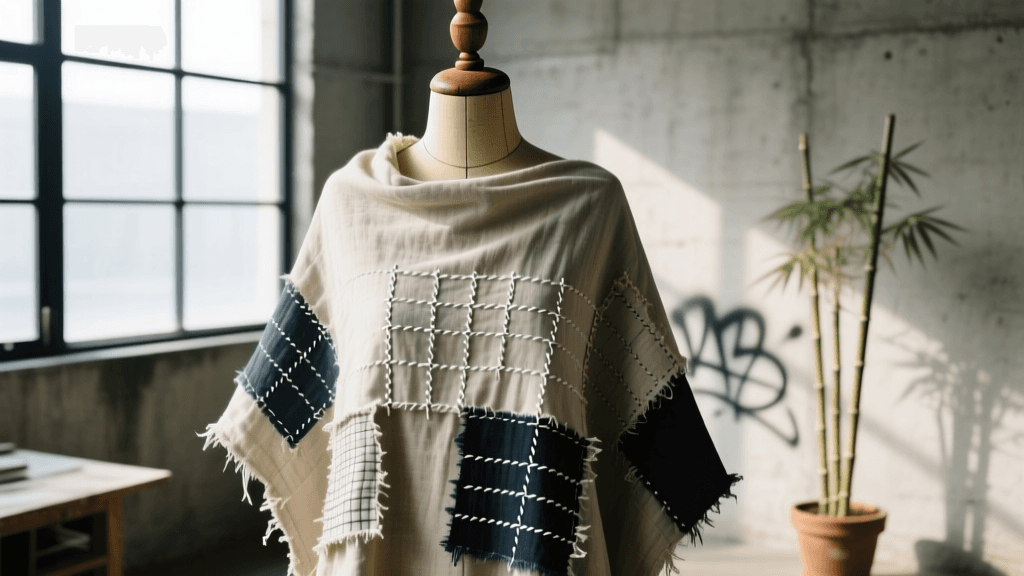
When selecting a garment for the fluid, sweeping arm movements of Tai Chi or the deep, rooted stances of Qigong, breathability and drape are paramount. The 2026 textile market has seen a massive resurgence in natural, plant-based fibers that offer superior moisture-wicking and thermoregulation.
Ramie (Xia Bu) and Hemp Blends
Historically favored for summer garments, ramie is experiencing a renaissance in the wellness space. Modern 2026 processing techniques have softened the traditionally stiff fiber, resulting in a fabric that is highly breathable, naturally antibacterial, and possesses a structural drape that moves beautifully with the wind generated by Tai Chi fan forms. Look for a fabric weight between 120 and 150 GSM (grams per square meter) for optimal movement without clinging to the skin during perspiration.
Bamboo Viscose and Cupro
For cooler morning practices or indoor Qigong sessions, bamboo viscose and cupro (a regenerated cellulose fiber) offer a silk-like hand feel with the durability required for daily practice. These fabrics excel in moisture absorption, pulling sweat away from the body during intense standing meditation (Zhan Zhuang).
Top Hanfu Silhouettes for Tai Chi and Qigong
Not all Hanfu styles are suited for martial and meditative arts. The grand, trailing skirts of the Ming dynasty Mamianqun, while stunning, pose a tripping hazard during deep lunges. Instead, practitioners in 2026 are favoring streamlined, historically grounded silhouettes that prioritize joint mobility.
Song Dynasty Wide-Leg Pants (Song Ku)
The Song Ku is the undisputed champion of lower-body wellness wear. Characterized by a high, soft waistband and exceptionally wide legs, these pants allow for maximum hip external rotation. When purchasing or tailoring Song Ku for Tai Chi in 2026, ensure the inseam features a 15cm diamond-shaped gusset. This crucial tailoring detail prevents the crotch seam from tearing or restricting blood flow when dropping into a deep Ma Bu (horse stance).
Ming Dynasty Cross-Collar Short Shirts (Duan Shan)
For the upper body, the Duan Shan provides the perfect balance of modesty and freedom. The cross-collar (Jiao Ling) design naturally frames the neck and allows for unrestricted shoulder rotation. In 2026, top wellness brands are designing these shirts with raglan-style sleeve insertions hidden beneath the traditional dropped-shoulder seam, offering an extra 20% overhead reach for forms like 'White Crane Spreads Its Wings'.
2026 Fabric Comparison Chart for Wellness Practitioners
To help you select the right material for your specific practice environment, refer to the comparison table below detailing the most popular Hanfu fabrics used in Tai Chi and Qigong this year.
| Fabric Type | Weight (GSM) | Breathability | Best Practice Environment | Avg. 2026 Cost (USD) |
|---|---|---|---|---|
| Enzyme-Washed Ramie | 130 - 150 | Excellent | Outdoor Summer, Hot Yoga/Qigong | $65 - $95 |
| Bamboo Viscose Blend | 180 - 200 | Very Good | Indoor Studios, Spring/Autumn | $50 - $80 |
| Mulberry Silk Crepe | 120 - 140 | Good | Morning Dew, Gentle Meditative Flow | $120 - $180 |
| Organic Linen-Cotton | 160 - 190 | Very Good | All-Season, Martial Tai Chi | $55 - $85 |
Sizing and Fit: Allowances for Deep Stances
Standard streetwear sizing does not apply to wellness Hanfu. The Harvard Medical School notes that the deep, weight-shifting postures of Tai Chi require significant lower body flexibility and joint articulation. To accommodate this, your Hanfu must be sized with specific 'ease allowances'.
- Chest Ease: Add at least 12-15 cm to your actual chest measurement. This ensures that when you expand your ribcage during deep abdominal breathing, the cross-collar does not pull tightly across the sternum, which can disrupt the Ren meridian.
- Thigh Ease: For Song Ku pants, the thigh circumference of the garment should be a minimum of 20 cm wider than your actual thigh to allow for deep squats and sweeps.
- Sleeve Length: While traditional Hanfu often features sleeves that extend past the fingertips, Tai Chi practitioners in 2026 are opting for 'modified martial sleeves' (Wu Xiu) that end exactly at the wrist bone, or utilize hidden inner elastic cuffs to keep fabric out of the palms during weapon forms.
“The garment should not wear the body; the body’s breath should wear the garment.” — Traditional Qigong tailoring proverb.
The Xin Zhongshi Influence on Activewear
The Xin Zhongshi (New Chinese Style) movement has profoundly impacted the 2026 wellness apparel market. Designers are now blending traditional Hanfu aesthetics with modern activewear functionality. You will find Qigong jackets featuring traditional Pan Kou (knotted buttons) on the exterior, but utilizing hidden, asymmetrical magnetic closures underneath for quick changes. Furthermore, the integration of subtle, tonal jacquard weaves depicting flowing water or bamboo motifs aligns with the World Health Organization's recognition of traditional medicine's holistic approach to mental and physical harmony, allowing practitioners to wear garments that serve as a visual meditation.
Caring for Your Wellness Hanfu
Because Qigong and Tai Chi induce a deep, detoxifying sweat, proper garment maintenance is essential to preserve the natural fibers and maintain the structural integrity of the seams.
- Airing Out: Never leave damp ramie or bamboo in a closed gym bag. Hang your garments in a well-ventilated area immediately after practice to prevent mildew and odor buildup.
- Washing: Use a pH-neutral, enzyme-free detergent. Wash on a gentle, cold-water cycle. Avoid fabric softeners, as they coat the natural fibers and destroy the moisture-wicking properties of bamboo and ramie.
- Drying: Air dry flat or on a wide, padded hanger. Direct sunlight can degrade the cellulose structure of bamboo viscose over time, leading to premature tearing at the stress points of the shoulders and gusset.
- Seam Inspection: Check the diamond gusset and armhole French seams monthly. The repetitive stretching of Tai Chi forms can loosen threads over time; a quick hand-stitch reinforcement will extend the life of your garment by years.
Conclusion
Practicing Tai Chi and Qigong in thoughtfully designed Hanfu is more than an aesthetic choice; it is a profound way to connect with the cultural roots of these ancient wellness systems. By selecting breathable fabrics like enzyme-washed ramie, prioritizing structural ease in your Song Ku and Duan Shan, and embracing the functional innovations of the 2026 Xin Zhongshi market, you create an environment where your body and your garments move as one unified expression of Qi.