2026 Global Luxury: Japanese Sashiko & Boro Collaborations
The Renaissance of Japanese Textiles in Global Fashion
The global fashion landscape in 2026 has reached a pivotal intersection where hyper-modern streetwear and heritage luxury converge with centuries-old Japanese craftsmanship. Moving far beyond the logomania and mass-produced hype drops of the previous decade, today's most coveted international design collaborations are rooted in authenticity, scarcity, and profound cultural respect. Western luxury houses and premier streetwear giants are now partnering directly with multi-generational artisan workshops in regions like Okayama, Kyoto, and Aomori to integrate traditional Japanese textiles into contemporary silhouettes. This shift represents a maturation of the global market, where consumers demand not just a brand name, but a tangible connection to human history and artisanal mastery.
According to recent industry analyses by the Business of Fashion, the market for heritage-integrated luxury streetwear has experienced exponential growth in 2026, driven by a consumer base that values sustainable practices and the narrative depth of traditional garments. International design collaborations are no longer merely borrowing Japanese aesthetics; they are engaging in equitable, profit-sharing partnerships with Japanese artisan guilds, ensuring the survival of endangered crafting techniques while pushing the boundaries of modern apparel and footwear design.
Sashiko and Boro: From Peasant Necessity to Haute Couture
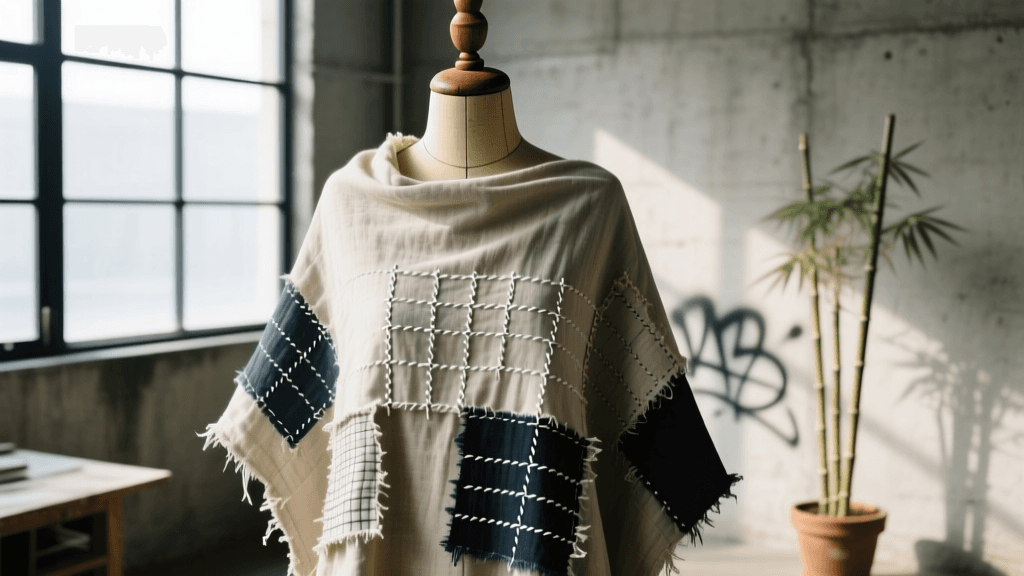
To understand the magnitude of these 2026 collaborations, one must first understand the historical weight of the textiles being utilized. Sashiko, which translates to 'little stabs,' is a traditional Japanese running stitch originally used by the working class in the Edo period to reinforce points of wear and tear on cotton and hemp garments. Boro, meaning 'rags,' is the result of continuous Sashiko patching. Born from the philosophy of 'mottainai' (a deep sense of regret over waste), Boro garments were passed down through generations, evolving into complex, heavily textured tapestries of indigo-dyed cotton.
In 2026, these techniques have been elevated to the pinnacle of luxury fashion. International design collaborations are utilizing Sashiko not just as a decorative motif, but as a structural element in high-end denim jackets, tailored outerwear, and even luxury sneaker uppers. Master artisans in the Tohoku region are commissioned to hand-stitch geometric patterns onto premium selvedge denim and heavyweight canvas, creating pieces that take weeks to complete. The resulting garments are celebrated for their tactile depth and the slight, beautiful irregularities that prove their human origin.
Key 2026 Collaborations and Market Impact
The integration of these heritage techniques has created a new tier of 'ultra-luxury' streetwear. Brands are releasing highly limited capsule collections where each piece is numbered and accompanied by documentation detailing the specific artisan who crafted the textile. Below is a snapshot of the 2026 market for these collaborative techniques.
| Technique | Primary 2026 Applications | Average Retail Price (USD) | Artisan Lead Time |
|---|---|---|---|
| Sashiko | Denim jackets, sneaker uppers, tote bags | $850 - $2,400 | 3 - 6 weeks |
| Boro | Patchwork outerwear, luxury upholstery | $1,200 - $4,500 | 4 - 8 weeks |
| Nishijin-ori | Silk ties, footwear accents, handbag panels | $450 - $3,000 | 2 - 5 weeks |
The premium pricing reflects the intense labor involved. A single Boro patchwork jacket from a premier 2026 collaboration can require over sixty hours of hand-stitching, utilizing vintage indigo fabrics sourced from antique markets across Japan, combined with modern, weather-resistant technical linings developed by international sportswear giants.
Nishijin-ori: Elevating Streetwear with Kyoto Silk
While Sashiko and Boro represent the rustic, working-class heritage of Japan, Nishijin-ori represents the aristocratic pinnacle of Japanese textile production. Originating from the Nishijin district of Kyoto, this traditional weaving method uses pre-dyed threads to create incredibly intricate, multi-layered patterns. The process is notoriously complex, often requiring a team of specialized artisans to operate a single traditional jacquard loom.
In 2026, Nishijin-ori has found a surprising but highly successful home in international luxury footwear and accessories. Major sneaker brands have collaborated with Kyoto weaving houses to replace traditional leather side-panels and overlays with Nishijin-ori silk. The resulting sneakers are masterpieces of contrast, pairing the ancient, shimmering elegance of Kyoto silk with modern, 3D-printed midsoles and carbon-fiber shanks. Because a master weaver can only produce a few meters of high-grade Nishijin-ori per day, these collaborative footwear releases are strictly limited, often requiring a lottery system for purchase and commanding immediate resale premiums in the secondary market.
Actionable Guide: Sourcing and Authenticating 2026 Collaborations
As the demand for Japanese artisan collaborations has surged in 2026, so too has the sophistication of counterfeit goods. Mass-market manufacturers have developed automated embroidery machines capable of mimicking the Sashiko stitch with alarming accuracy. For collectors and enthusiasts looking to invest in authentic international design collaborations, rigorous authentication is essential. Here is a practical guide to verifying the provenance of your garments and footwear.
- Verify the NFC Thread Authentication: In 2026, legitimate luxury collaborations embed washable, encrypted NFC threads directly into the garment's care label or the sneaker's tongue. Scanning this thread with a smartphone connects you to a blockchain ledger that verifies the exact workshop, the artisan's name, and the completion date of the textile.
- Check for the Densan Certification: Authentic traditional crafts are often certified by the Association for the Promotion of Traditional Craft Industries (Densan). Look for the official Densan gold sticker or woven label on the interior lining or packaging, which guarantees the item meets strict governmental standards for traditional manufacturing.
- Examine the Stitch Tension and Irregularities: Hand-stitched Sashiko possesses a subtle, organic rhythm. The tension of the thread will vary microscopically, and the spacing between stitches will never be mathematically perfect. If the stitching looks flawlessly uniform under magnification, it is likely machine-embroidered.
- Assess the Indigo Dye (Aizome): Premium 2026 collaborations utilize natural Tokushima indigo. Authentic natural indigo has a distinct, earthy aroma reminiscent of grass and soil, and it will exhibit a phenomenon called 'kase,' where the dye penetrates the cotton yarn unevenly, creating a rich, variegated blue. Synthetic indigo smells of harsh chemicals and dyes the yarn a flat, uniform color.
- Review the Selvedge ID: For denim collaborations, inspect the outseam. Authentic pieces will feature a clean, tightly woven selvedge edge, often incorporating a specific colored thread (like the iconic red or green line) that denotes the specific vintage shuttle loom used in Okayama.
The Intersection of Heritage and Sustainable Luxury
Beyond aesthetics and exclusivity, the integration of Japanese traditional garments and techniques into international design is heavily driven by the 2026 circular fashion mandates. The global luxury sector is under immense pressure to reduce waste and carbon emissions. Boro, by its very definition, is the ultimate expression of upcycling and circularity. By utilizing deadstock vintage fabrics and repairing them through Sashiko, collaborative brands are creating zero-waste garments that actively participate in the sustainable fashion movement.
The Victoria and Albert Museum's Asian Collections highlights the historical significance of these textiles, noting that the transition of Boro from peasant necessity to high art represents a profound shift in global textile appreciation. Museums and cultural institutions are actively collaborating with fashion houses in 2026 to ensure that the historical context of these garments is preserved and communicated to the consumer, transforming a simple purchase into an educational experience.
The Future of Heritage Craft in International Design
The success of Japanese fashion in international design collaborations in 2026 proves that there is a robust, highly lucrative market for slow fashion. Consumers are willing to pay a premium for garments that carry a soul, a history, and a human touch. Recent coverage by Vogue Fashion emphasizes that 2026 is the year Western luxury houses finally moved beyond mere aesthetic appropriation, opting instead for deep, respectful partnerships that financially sustain rural Japanese artisan communities.
As we look toward the future, the fusion of Japanese heritage textiles with international streetwear and luxury design will only deepen. We can expect to see the integration of other regional techniques, such as Okinawan Bingata dyeing and Kanazawa gold leaf application, into global fashion capsules. For the modern consumer, investing in these collaborative pieces is not just about acquiring a status symbol; it is about becoming a custodian of living history, ensuring that the masterful techniques of Japanese artisans continue to thrive on the global stage for generations to come.