2026 Xin Zhongshi Wardrobe Guide: Modern Chinese Style Essentials
The Evolution of Xin Zhongshi in 2026
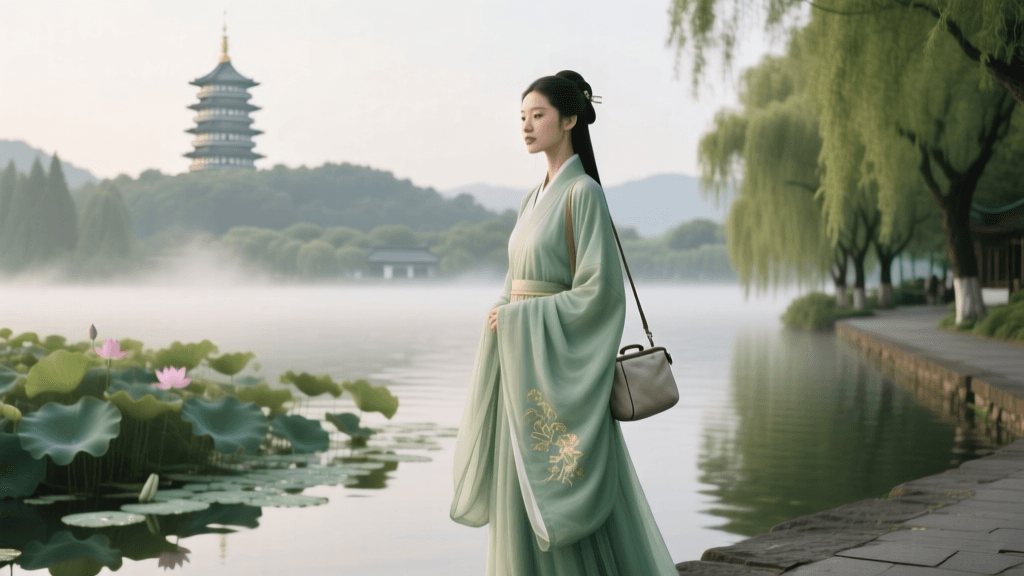
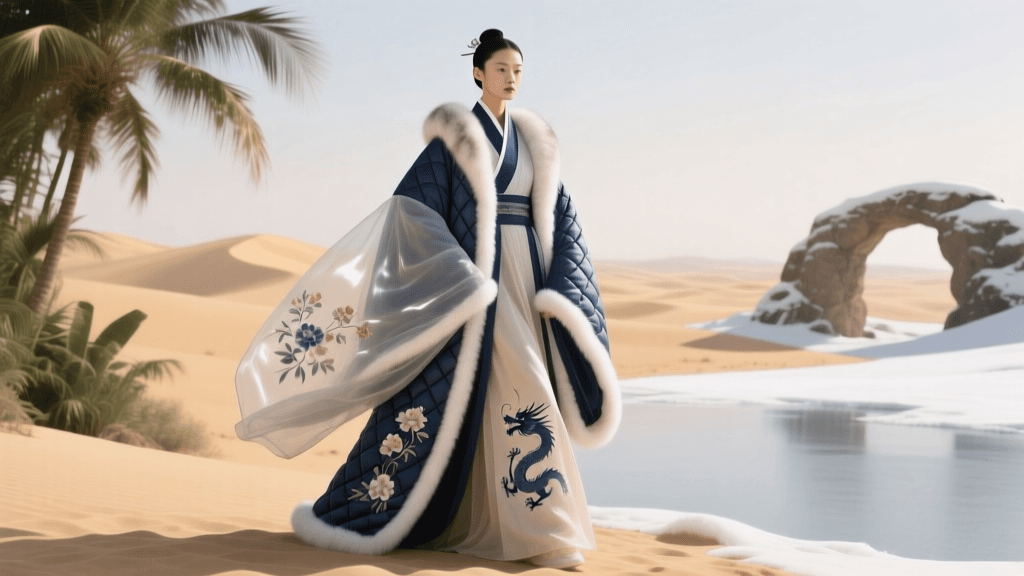
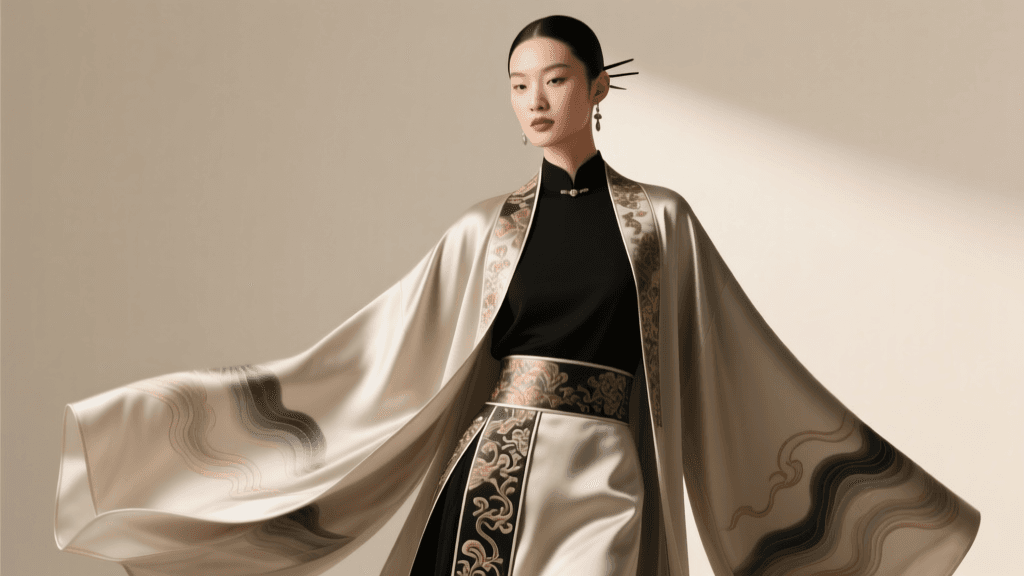
The Xin Zhongshi (新中式), or 'New Chinese Style,' has transcended its origins as a niche domestic trend to become a dominant force in global fashion by 2026. No longer confined to ceremonial wear or historical reenactment, this movement represents a sophisticated synthesis of traditional Chinese sartorial heritage and contemporary, utilitarian tailoring. In 2026, the focus has shifted toward sustainable heritage textiles, modular layering, and ergonomic adaptations of classical silhouettes. Designers are actively reinterpreting the structural geometry of the Ming and Qing dynasties, merging them with modern drape analysis to create garments that transition seamlessly from the boardroom to the gallery opening.
At the heart of this movement is a deep respect for material culture. As documented by the Metropolitan Museum of Art's Heilbrunn Timeline of Art History, the evolution of Chinese silk and textile craftsmanship has always been intertwined with cultural exchange and technological innovation. Today's Xin Zhongshi designers honor this legacy by utilizing advanced, eco-friendly dyeing techniques and 3D loom weaving to revive ancient fabrics like Song brocade and Xiangyunsha, making them lighter, more durable, and suited for modern climate-controlled environments.
Styling the Mamianqun for the Modern Workplace
The Mamianqun, or horse-face skirt, is arguably the most recognizable garment in the Xin Zhongshi lexicon. Characterized by its flat front and back panels (the 'horse faces') and deeply pleated sides, it offers a striking architectural silhouette. In 2026, the workplace-appropriate Mamianqun has evolved significantly from its heavier, ceremonial predecessors.
Proportions and Pleat Depth
For a modern office environment, opt for a skirt length that falls precisely at the mid-calf (approximately 75 to 80 cm from the waistband, depending on your height). This length prevents the heavy hem from dragging on urban streets while maintaining the modest, sweeping elegance of the traditional cut. The pleats in 2026 iterations are often heat-set using advanced textile memory techniques, ensuring they remain razor-sharp even after prolonged sitting. Look for skirts with a pleat depth of at least 4 cm; shallower pleats tend to flare out uncontrollably when walking, disrupting the clean vertical lines essential for a professional aesthetic.
Waistband Innovations
Traditional Mamianqun rely on long, tie-around waistbands that can add unwanted bulk under fitted tops. The 2026 standard introduces the 'hybrid waistband': a flat, structured front panel that mimics the traditional look, paired with a concealed, wide elastic band at the back. This provides the comfort and flexibility of modern loungewear while preserving the historical silhouette. When styling, pair a mid-weight Song brocade Mamianqun with a crisp, oversized white poplin shirt, half-tucked at the front to define the waist without obscuring the skirt's intricate woven motifs.
2026 Fabric Comparison: Heritage Textiles for Everyday Wear
Selecting the right textile is paramount when building a Xin Zhongshi capsule wardrobe. The table below outlines the primary heritage fabrics utilized in 2026, detailing their drape characteristics, care requirements, and current market pricing.
| Fabric Type | Drape & Structure | Breathability | 2026 Avg. Cost (per meter) | Best Application |
|---|---|---|---|---|
| Song Brocade (Song Jin) | Structured, medium-weight, holds geometric pleats | Moderate | $85 - $140 USD | Mamianqun skirts, structured blazers |
| Xiangyunsha (Gambiered Gauze) | Fluid, slightly crisp hand-feel, matte finish | Exceptional | $120 - $200 USD | Summer outerwear, deconstructed Ruqun tops |
| Heavy Mulberry Silk (22-30 Momme) | Luxurious, heavy drape, high luster | High | $60 - $95 USD | Evening blouses, wide-leg trousers |
| Copper Ammonia (Bemberg Blend) | Ultra-fluid, soft, mimics silk with more elasticity | Very High | $25 - $40 USD | Linings, everyday wrap skirts, inner layers |
Tailoring Metrics: Adapting Classical Silhouettes
The success of a Xin Zhongshi garment lies in its fit. Traditional Chinese tailoring often relies on flat-pattern cutting with minimal darts, prioritizing the natural drape of the fabric over body-contouring. In 2026, modernized iterations introduce subtle ergonomic adjustments to accommodate dynamic movement.
The Modern Mandarin Collar (Yuanling / Lilin)
A common pitfall in contemporary adaptations is a collar that is too restrictive. For a comfortable, modernized Mandarin collar, instruct your tailor to incorporate a 1.5 cm to 2.0 cm ease between the neck and the collar band. The collar height should ideally sit between 2.5 cm and 3.5 cm; anything higher risks chafing and restricts the natural pivot of the head, while anything lower loses the architectural integrity of the traditional silhouette.
Pankou (Frog Button) Placement & Tension
Traditional Pankou knots are beautiful but can create tension gaps across the bust or chest when used as the sole closure. The 2026 standard utilizes Pankou primarily as decorative anchors or secondary closures. For primary structural support, opt for hidden magnetic snap closures or concealed side zippers, placing the Pankou knots at the clavicle, the sternum, and the lateral waist to guide the eye along the garment's asymmetrical Dajin (overlapping front) lines without compromising the fabric's lay-flat drape.
Footwear Pairings: Grounding the Silhouette
The dramatic drape and structural volume of Xin Zhongshi garments require careful consideration of footwear to balance the overall proportion. The wrong shoe can easily make the outfit look costumey or bottom-heavy.
- The Mary Jane Platform: A staple in 2026, a leather Mary Jane with a modest 3 cm to 4 cm platform provides the necessary lift to prevent the Mamianqun hem from pooling on the ground. The rounded toe echoes the soft, curved lines of traditional Chinese embroidery, while the chunky sole grounds the outfit in contemporary streetwear.
- The Pointed-Toe Mule: For a sharper, more boardroom-ready look, a pointed-toe mule in matte leather or suede elongates the leg line. The sharp geometry of the toe contrasts beautifully with the fluid, sweeping pleats of the skirt, creating a dynamic visual tension that is highly favored in modern editorial styling.
- The Minimalist Sneaker: To fully embrace the everyday aspect of the 2026 Xin Zhongshi movement, pair a copper ammonia or lightweight silk blend skirt with a clean, low-profile sneaker in neutral tones. This juxtaposition of heritage luxury and utilitarian sportswear is the defining hallmark of the modern Guochao aesthetic.
Storage and Maintenance of Heritage Textiles
Investing in heritage fabrics requires specialized care to maintain their structural integrity and colorfastness. The traditional techniques behind these textiles, such as sericulture and silk craftsmanship, are recognized by UNESCO as Intangible Cultural Heritage, and preserving these garments is an act of cultural stewardship.
Xiangyunsha Care Protocol
- Washing: Never use alkaline detergents or standard laundry soaps, as they will strip the river-mud and yam-dye patina. Use a pH-neutral silk wash.
- Drying: Xiangyunsha must never be exposed to direct ultraviolet sunlight, which degrades the gambiered coating. Dry flat in a shaded, well-ventilated area.
- Storage: Store folded with acid-free tissue paper to prevent the crisp fabric from developing permanent crease fractures. Avoid wire hangers entirely.
Song Brocade Maintenance
Song brocade features complex multi-layered weaves that can easily snag. When storing Song brocade Mamianqun skirts, hang them using wide, velvet-padded clip hangers to distribute the weight of the heavy pleats evenly. Place natural cedar blocks in the wardrobe to deter silverfish and moths, avoiding chemical mothballs which can react with the metallic yarns often integrated into modern brocade weaves, causing them to tarnish or oxidize.
Curating Your 2026 Wardrobe
The Xin Zhongshi movement in 2026 is a testament to the living, breathing nature of Asian traditions. By understanding the structural nuances of the Mamianqun, the delicate chemistry of Xiangyunsha, and the precise tailoring metrics required for modern comfort, you can build a wardrobe that is deeply rooted in history yet entirely relevant to the contemporary world. Whether you are sourcing authentic Song brocade from heritage mills in Suzhou or commissioning a deconstructed Ruqun top from a local bespoke tailor, the key is to prioritize material integrity, ergonomic fit, and respectful adaptation. Embrace the New Chinese Style not as a costume, but as a sophisticated, everyday sartorial language.