Hanfu Family Ceremonies 2026: Birth, Wedding & Rites Guide
The Evolution of Ceremonial Hanfu in 2026
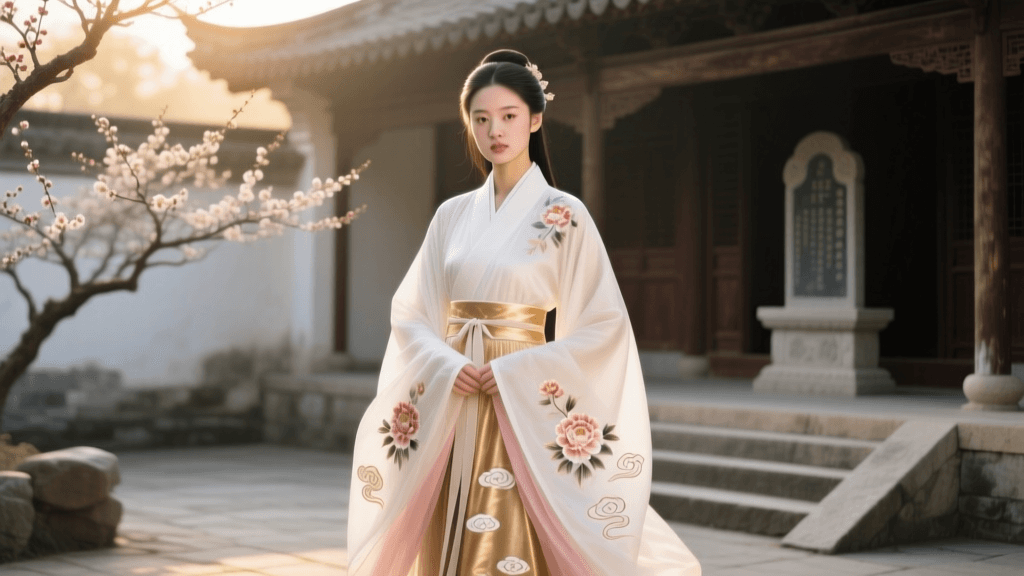
As we navigate through 2026, the global Hanfu revival has matured significantly. What began as a niche streetwear movement and a staple of social media photoshoots has deeply re-rooted itself in the domestic sphere. Today, traditional Chinese clothing is the undisputed standard for major family milestones. According to cultural analysts at Sixth Tone, the movement has shifted from mere aesthetic appreciation to a profound reclamation of ritualistic identity. Families are no longer just wearing Hanfu; they are observing the strict historical etiquette, textile symbolism, and ceremonial protocols associated with life’s most pivotal moments.
For modern practitioners, dressing for birth celebrations, weddings, and ancestral rites requires a nuanced understanding of dynasty-specific silhouettes, color theory, and fabric weights. This comprehensive guide will walk you through the proper Hanfu attire and etiquette for family ceremonies in 2026, ensuring your milestones are honored with historical accuracy and contemporary comfort.
Birth and Early Childhood: Hundred Days and Zhuazhou
In traditional Chinese culture, the survival and health of an infant are marked by two major early milestones: the Hundred Days (Bairi) celebration and the first birthday (Zhuazhou). Dressing an infant or toddler in Hanfu for these events is a way to bestow blessings, longevity, and protection.
Garment Selection for Infants
For the Hundred Days ceremony, the most auspicious garment is the Ming-style baby Aoqun (a lined jacket paired with a skirt or trousers). In 2026, the leading Hanfu ateliers have introduced antimicrobial bamboo-silk blends specifically designed for infant skin. These fabrics mimic the drape of traditional mulberry silk but offer the breathability and hypoallergenic properties required for newborns. The jackets are typically dyed in soft vermilion or peach, adorned with subtle embroidery of lotus flowers or protective tiger motifs to ward off negative energy.
Toddler Attire for Zhuazhou
The Zhuazhou ceremony involves placing the child in front of a table filled with symbolic objects (like a calligraphy brush, an abacus, or a scallion) to 'predict' their future aptitudes. Because this ritual requires mobility, the Song-style toddler Beizi (a lightweight, open-front coat) worn over a cotton Ruqun is highly recommended.
- Safety First: Avoid long, trailing sleeves (such as the dramatic Da Xiu Shan) for toddlers. Opt for fitted arrow sleeves (Jian Xiu) to prevent the child from knocking over the ceremonial objects.
- Accessories: The traditional tiger-head hat (Hutoumao) and tiger-head shoes remain essential in 2026, symbolizing courage and protection against childhood illnesses.
- Sizing: Always commission toddler Hanfu with adjustable inner ties and hidden hem allowances, allowing the garment to adapt to rapid growth spurts between the Hundred Days and the first birthday.
Traditional Weddings: The Hunyin Li
The traditional Chinese wedding, or Hunyin Li, is a profound union of two families, steeped in cosmic symbolism. While Western-style white gowns dominated the late 20th century, 2026 has seen an overwhelming return to the Ming Dynasty wedding aesthetic as the gold standard for Han ceremonies. Historical silhouettes remain deeply rooted in antiquity, as documented by the Metropolitan Museum of Art, but modern textile engineering has made these heavy ceremonial garments far more manageable for contemporary brides and grooms.
The Bride: Fengguan Xiapei and Aoqun
The quintessential bridal ensemble is the Fengguan Xiapei, featuring the iconic Phoenix Crown and the Rosy Cape (a long, embroidered stole draped over the shoulders). Beneath this, the bride wears a heavily embroidered Ming-style Aoqun, typically featuring the Mamianqun (horse-face skirt). In 2026, the trend has shifted toward 'lightweight luxury.' Instead of the dense, rigid metallic threads of the past, top-tier tailors now use 3D-woven micro-brocades that reduce the weight of the outer jacket by up to 40%, preventing fatigue during the grueling three-hour tea ceremonies.
Colors are strictly regulated by tradition: deep crimson and gold represent Yang energy, joy, and prosperity. Brides should avoid any accents of white or black, which are reserved for mourning.
The Groom: Wushamao and Round-Collar Robes
The groom’s attire mirrors the official court dress of the Ming Dynasty, symbolizing his role as the 'official' of his new household. He wears a Wushamao (black winged hat) and a round-collar robe (Yuanlingpao) in deep crimson or navy, often featuring cloud-shoulder (Yunjian) motifs and a leather or jade-studded belt. The robe must fall precisely to the ankles, and the groom must wear traditional black cloth boots with white soles.
2026 Ceremonial Hanfu Investment Guide
| Ceremony Type | Recommended Era/Style | Primary Materials (2026) | Est. Custom Cost (USD) | Tailoring Lead Time |
|---|---|---|---|---|
| Infant Hundred Days | Ming Baby Aoqun | Organic Bamboo-Silk Blend | $150 - $300 | 3 - 4 Weeks |
| Bridal Hunyin Li | Ming Fengguan Xiapei | 3D-Woven Mulberry Brocade | $2,500 - $8,000+ | 4 - 6 Months |
| Groom Hunyin Li | Ming Yuanlingpao | Heavy Silk Twill & Embroidery | $1,200 - $3,500 | 2 - 3 Months |
| Ancestral Jizu | Song Shenyi / Ming Daopao | Raw Hemp, Matte Cotton | $400 - $900 | 4 - 6 Weeks |
Note: The booming custom and rental market, a trend initially highlighted by Reuters, has now evolved in 2026 into a highly structured bespoke industry. For weddings, booking your atelier consultation at least six months in advance is mandatory to secure hand-woven textiles.
Ancestral Rites and Memorials: Jizu and Qingming
Ancestral worship (Jizu) and the Qingming Festival (Tomb-Sweeping Day) require an entirely different sartorial approach. Where weddings celebrate life and union, ancestral rites demand humility, respect, and a connection to the earth. The aesthetic is defined by modesty, structural simplicity, and somber color palettes.
Silhouettes and Colors
For men, the Song Dynasty Shenyi (a deep, one-piece scholar's robe) or the Ming Dynasty Daopao (a Daoist-influenced wide-sleeved gown) are the most appropriate choices. These garments feature high collars and wrap closures that project solemnity. For women, a plain, unadorned Song-style Beizi over a modest, ankle-length skirt is standard.
The color palette for 2026 memorial rites strictly avoids bright reds, golds, and vibrant patterns. Acceptable colors include charcoal, deep navy, unbleached hemp tones, and muted slate grey. White is traditionally associated with active mourning (funerals), so for annual ancestral rites, off-white or cream linings paired with dark outer garments are preferred to show respect without confusing the occasion with a fresh bereavement.
Grooming and Etiquette
Hair and grooming are just as critical as the garments during Jizu. Men must tie their hair up using a simple wooden or dark jade Guan (crown) or hairpin; leaving the hair down is considered deeply disrespectful to ancestors. Women should opt for low, restrained buns secured with single-prong hairpins, avoiding the elaborate floral crowns or dangling buyao (step-shake) pins worn during festive seasons. Flashy jewelry, heavy makeup, and exposed skin are strictly forbidden during these rites, as the focus must remain entirely on filial piety and spiritual reflection.
Sourcing, Tailoring, and Care in 2026
Acquiring authentic ceremonial Hanfu in 2026 requires navigating a market divided between mass-produced costumes and historically accurate bespoke tailoring. For birth and ancestral garments, high-end ready-to-wear brands utilizing jacquard looms offer excellent accuracy at accessible price points. However, for the Hunyin Li wedding ensemble, bespoke tailoring is non-negotiable.
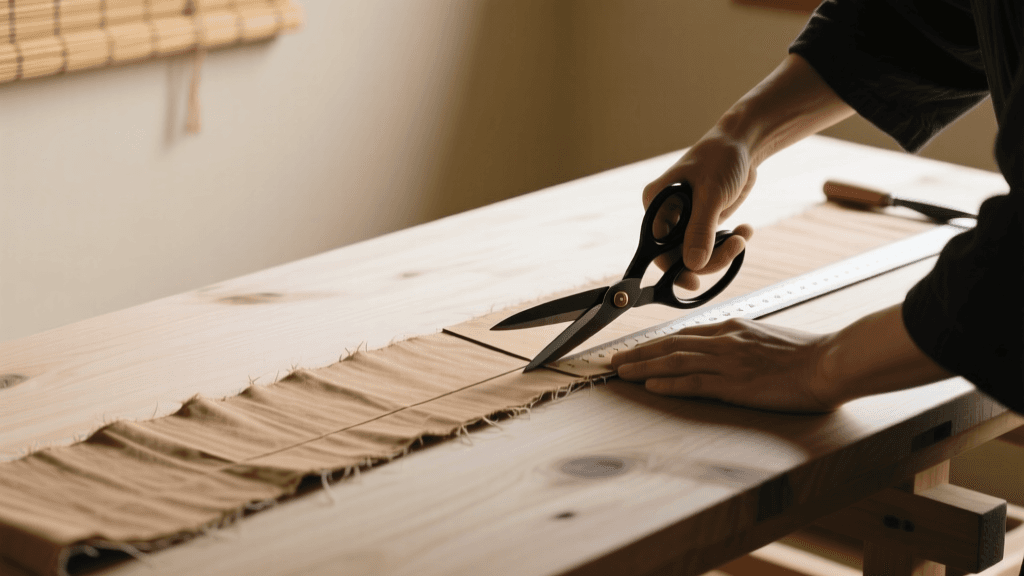
When commissioning a Mamianqun for a wedding, ensure the atelier uses traditional flat-cutting techniques. The skirt should be constructed from two overlapping panels of fabric that rely on the wearer's waist ties for structure, rather than modern zippers or darts. Furthermore, proper care for these investment pieces has been revolutionized by 2026's smart-textile cleaning services. Never dry-clean hand-embroidered Xiangyunsha (mud-silk) or gold-threaded brocades at standard Western cleaners; seek out specialized Hanfu conservationists who use ultrasonic, water-free cleaning technologies to preserve the integrity of the metallic threads and natural dyes.
By honoring the specific textile traditions, color symbolisms, and structural etiquettes of each life stage, families in 2026 are doing more than just wearing beautiful clothing. They are actively weaving themselves into the continuous, living tapestry of Asian heritage, ensuring that the rites of passage are observed with the profound dignity they deserve.