The Modern Hanfu Revival: A Practical Buyer's Guide
The Hanfu Yundong: More Than Just a Fashion Trend
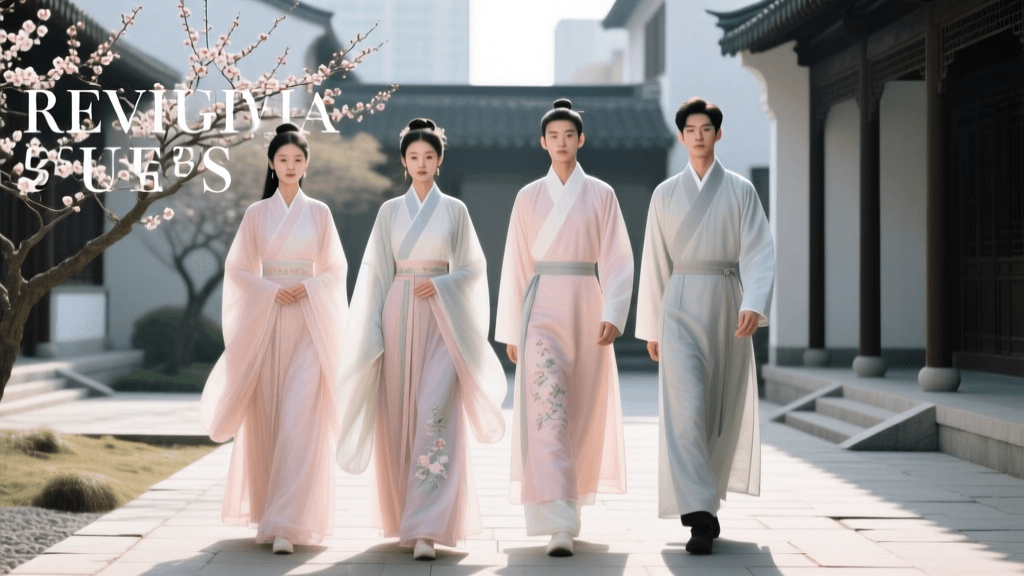
The streets of Chengdu, Xi'an, and Beijing are increasingly graced by the flowing silhouettes of traditional Chinese clothing. This is not a film set, but the visible result of the Hanfu Yundong (Hanfu Movement). What began in 2003 when a man named Wang Letian walked through Zhengzhou in a handmade traditional garment has blossomed into a massive cultural and economic phenomenon. Today, millions of young Chinese people are reclaiming their sartorial heritage, transforming Hanfu from a niche hobby into a multi-billion-yuan industry.
According to cultural reports covered by BBC News, the Hanfu market has exploded, driven primarily by Gen Z consumers seeking a tangible connection to their history in a rapidly modernizing world. As noted by Sixth Tone, this revival is not merely about cosplay or historical reenactment; it is a profound search for cultural identity and aesthetic expression. For newcomers, however, navigating the intricate world of Hanfu—with its varied dynastic styles, specific tailoring rules, and distinct terminology—can be daunting. This practical guide will help you source, measure, and style your first authentic Hanfu ensemble.
Decoding the Dynasties: Which Hanfu Style Suits You?
Hanfu encompasses the clothing systems of the Han people across millennia. While there are many historical periods, the modern Hanfu market primarily focuses on three distinct dynastic aesthetics: Tang, Song, and Ming. Each offers a unique silhouette, fabric weight, and cultural vibe.
| Dynasty | Silhouette and Vibe | Best Season | Key Garments |
|---|---|---|---|
| Tang (618-907) | Opulent, wide sleeves, high-waisted, vibrant colors, cosmopolitan influence. | Summer | Qixiong Ruqun (chest-high skirt), Banbi (half-sleeve vest). |
| Song (960-1279) | Slender, elegant, minimalist, understated colors, narrow sleeves. | Spring / Autumn | Beizi (open-front coat), Songku (pleated trousers), Moxiong. |
| Ming (1368-1644) | Structured, regal, heavily layered, intricate weaving and embroidery. | Winter | Aoqun (jacket and skirt), Pifeng (cloak), Mamianqun (horse-face skirt). |
Actionable Advice: If you are buying your first set for everyday wear or a summer festival, start with a Song dynasty Beizi and trouser set. It is lightweight, easy to move in, and resembles modern casual wear. For formal events or winter weddings, a Ming dynasty Aoqun with a woven Mamianqun skirt offers unparalleled elegance and warmth.
Sourcing Authentic Hanfu: Brands, Budgets, and Search Terms
The epicenter of Hanfu commerce is Taobao, China's largest e-commerce platform. However, the market is flooded with both authentic makers (Zhengpin) and cheap, poorly researched counterfeits (Shan). Supporting original designers ensures historical accuracy and high-quality textiles like mulberry silk and brocade. The historical evolution of these textiles is deeply rooted in Chinese sericulture, a craft extensively documented by institutions like The Metropolitan Museum of Art.
Budget Tiers and Recommended Brands
- Entry-Level ($25 - $60 USD / 150 - 400 RMB): Brands like Shisan Yu and Lantian Hanfu offer beautiful, beginner-friendly sets. These are often made from polyester blends or cotton, making them machine-washable and durable for travel.
- Mid-Tier ($70 - $150 USD / 500 - 1000 RMB): Brands like Zhongling and Chunqiu Jixiang provide excellent historical accuracy, better fabrics (like silk-cotton blends and chiffon), and exquisite embroidery. This is the sweet spot for enthusiasts.
- High-End and Custom ($200 - $800+ USD / 1500 - 5000+ RMB): Minghuatang is widely considered the gold standard for Ming dynasty reproductions. They use authentic weaving techniques, real gold thread, and heavy silks. Garments are often made-to-order with wait times spanning several months.
Taobao Search Tip: Always append the word 'Zhengpin' (authentic) to your searches. For example, search 'Minghuatang Zhengpin' or 'Mamianqun Zhengpin' to filter out unauthorized knock-offs.
Crucial Measurements for the Perfect Fit
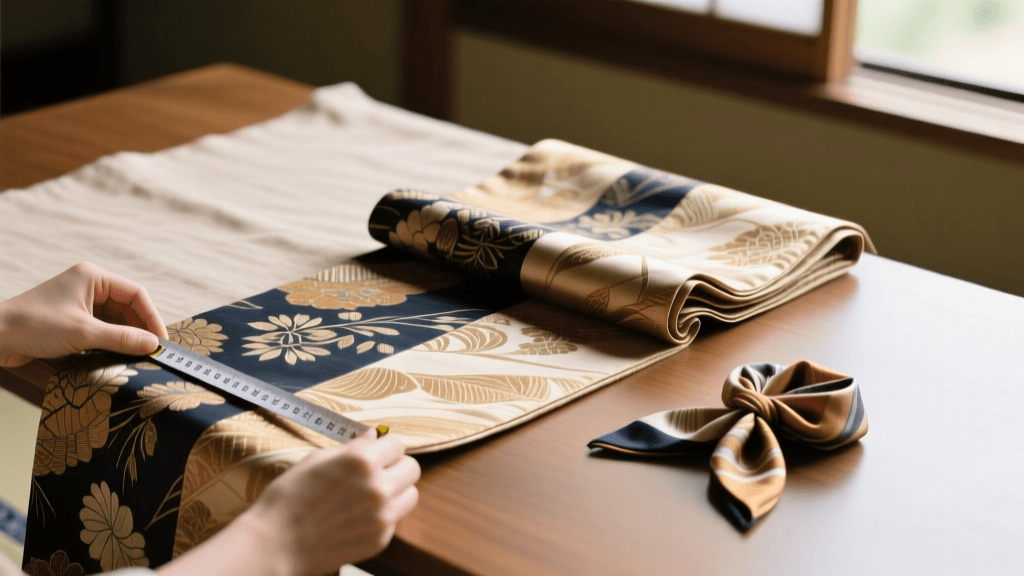
Unlike Western clothing, which relies heavily on bust, waist, and hip measurements, traditional Hanfu is cut using a flat-pattern drafting system. The fit is determined by your height and your arm span. Before ordering, you must take the following measurements:
- Height (Shengao): Measured barefoot. This determines the length of the skirt and the placement of the waistband.
- Tongxiu (Arm Span): This is the most critical Hanfu measurement. Stand with your arms outstretched horizontally. Measure from the tip of your left middle finger, across the back of your neck, to the tip of your right middle finger. Hanfu sleeves are categorized by their Tongxiu length: short sleeves (approx. 120cm), standard sleeves (approx. 140-160cm), and dramatic 'returning-scent' sleeves (over 180cm).
- Waist (Yaowei): Measure where you intend the skirt to sit. For Tang dynasty Qixiong skirts, measure your upper chest/armpit area. For Ming dynasty Mamianqun, measure your natural waist or hips depending on how you prefer to wear the skirt.
Pro Tip: Most Taobao sellers provide a size chart based on Height and Tongxiu. If your arm span is significantly longer than your height, always size up to ensure the sleeves do not ride up past your wrists.
Styling, Undergarments, and Cultural Etiquette
Wearing Hanfu correctly is a sign of respect for the culture and the revival movement. There are strict rules regarding how the garments are wrapped and layered.
The Golden Rule: Jiaoling Youren
The defining characteristic of Hanfu is the cross-collar. The left side of the collar must always cross over the right side, wrapping to the wearer's right hip. This is known as Jiaoling Youren (cross-collar, right lapel). Wrapping it the opposite way (right over left) is historically reserved for the deceased or certain nomadic tribes and is considered highly inauspicious and disrespectful in Han culture.
Essential Undergarments (Zhongyi)
Hanfu is rarely worn directly against the skin. You must invest in a set of Zhongyi (inner garments). A standard Zhongyi set includes a thin, white, cross-collar top and trousers. This layer absorbs sweat, protects expensive outer silk layers from body oils, and provides a crisp white collar line that peeks out from the outer robe, adding depth to the outfit.
Hair and Footwear
While modern sneakers are commonly worn by students for daily commutes, a complete Hanfu look requires traditional styling. Women often use a FawanGuan
Garment Care and Maintenance
Traditional textiles require specific care to maintain their structural integrity and vibrant dyes.
- Washing: Never machine-wash silk or brocade Mamianqun skirts. Hand wash in cold water with a pH-neutral silk detergent. For polyester entry-level Hanfu, use a mesh laundry bag on a delicate, cold cycle.
- Drying: Never wring out Hanfu. Gently press the water out and hang it on a padded hanger in the shade. Direct sunlight will fade natural plant dyes rapidly.
- Ironing: Use a low-heat steam iron. Always place a cotton pressing cloth between the iron and the garment, especially when dealing with metallic threads or delicate gauze.
- Storage: Hang heavy Ming dynasty coats on wide, wooden hangers to support the shoulders. Fold pleated Mamianqun skirts carefully along their natural pleat lines and store them flat in a breathable cotton garment bag to prevent the pleats from losing their shape.
Conclusion: Joining the Movement
The Hanfu revival is a living, breathing testament to the enduring beauty of Asian traditions. By understanding the historical context, investing in authentic craftsmanship, and adhering to traditional styling etiquette, you do more than just wear a beautiful garment—you participate in a global movement that honors centuries of textile artistry and cultural pride. Whether you are donning a breezy Song dynasty Beizi for a spring picnic or a regal Ming dynasty Mamianqun for a winter celebration, your first step into the world of Hanfu is a journey through time itself.