Qipao Cheongsam Evolution and Modern Styling Guide
The Historical Evolution of the Qipao
The qipao, also widely known in the West as the cheongsam, is arguably the most recognizable garment in Chinese fashion history. However, the form-fitting, high-collared dress recognized globally today is a relatively modern invention. Its roots trace back to the changpao (long robe) worn by Manchu women during the Qing Dynasty (1644–1912). These early garments were loose, A-line, and heavily embroidered, designed to conceal the figure and provide warmth.
The radical transformation of the qipao began in the 1920s in Shanghai, a bustling cosmopolitan hub. Influenced by Western flapper fashion and the rise of Chinese feminism, young women and socialites began tailoring the traditional robe to be more form-fitting. According to the Victoria and Albert Museum, the 1920s qipao featured a relaxed, tubular silhouette with wide sleeves and a lower collar, representing a break from restrictive imperial dress codes.
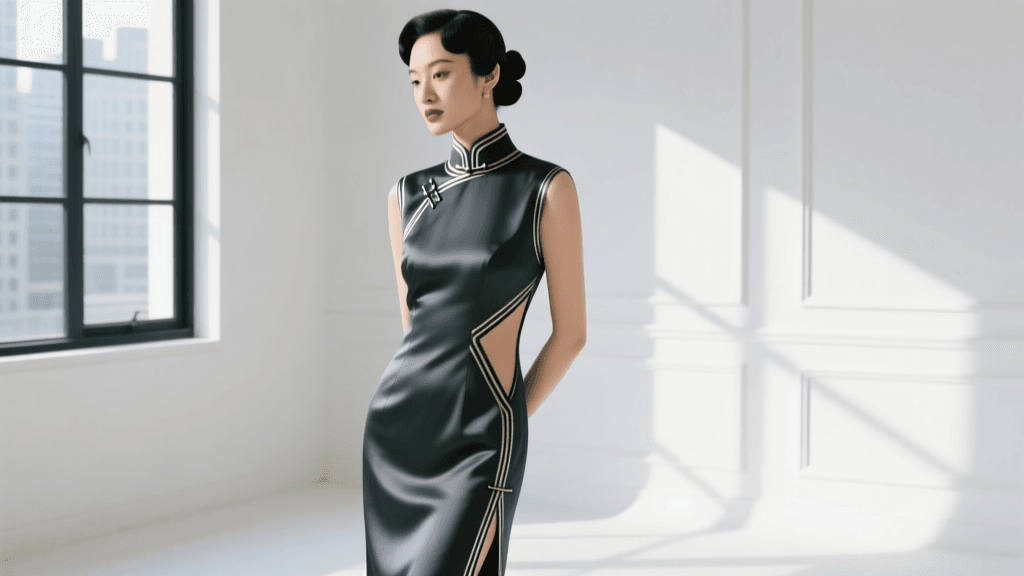
By the 1930s and 1940s, the qipao entered its 'Golden Age.' The silhouette became highly tailored, incorporating Western darting techniques to accentuate the bust, waist, and hips. The iconic high Mandarin collar and thigh-high side slits (cha) were introduced, allowing for greater mobility and a subtle display of the leg. This era cemented the qipao as a symbol of modern Chinese femininity and glamour, heavily popularized by Shanghai calendar girls and film stars.
Decades of Design: A Qipao Comparison Chart
Understanding the historical shifts in the qipao's design is crucial for vintage collectors and modern styling enthusiasts. Below is a breakdown of how the garment evolved through the 20th century.
| Era | Silhouette | Collar & Sleeves | Common Fabrics |
|---|---|---|---|
| 1920s (Shanghai) | Loose, tubular, A-line | Low stand collar, wide bell sleeves | Cotton, lightweight silk, geometric Art Deco prints |
| 1930s-40s (Golden Age) | Form-fitting, darted, floor-length or calf-length | High stiff Mandarin collar, short cap sleeves | Silk crepe, velvet, sheer organza with floral motifs |
| 1950s-60s (Hong Kong) | Structured, knee-length, highly tailored | Moderate collar, sleeveless or short set-in sleeves | Brocade, lace, imported wool blends |
| Modern (2020s) | Varied: oversized, mini, asymmetrical, or traditional | Collarless, off-shoulder, or exaggerated slits | Linen, denim, vegan leather, tech-wear synthetics |
The Modern Qipao: Styling for the 21st Century
For decades, the qipao was relegated to formal wear, weddings, or hospitality uniforms. Today, a massive revival is underway. The modern fashion movement known as Xin Zhongshi (New Chinese Style) has reclaimed the qipao for everyday streetwear, blending heritage tailoring with contemporary edge. As highlighted in the Metropolitan Museum of Art's landmark exhibition China: Through the Looking Glass, Chinese sartorial motifs have deeply influenced global fashion, but the modern qipao revival is distinctly driven by Asian youth culture on platforms like TikTok, Douyin, and Xiaohongshu.
Streetwear and Casual Layering
The key to wearing a qipao today is juxtaposition. The inherent elegance and structure of the dress provide the perfect canvas for grunge, streetwear, or minimalist layering.
- The Leather Jacket Combo: Pair a midi-length, dark-toned qipao (such as deep emerald or navy silk) with a cropped, oversized black leather biker jacket. This softens the formality and adds an instant rock-and-roll edge.
- Winter Turtleneck Layering: In cooler months, wear a fitted, ribbed turtleneck sweater underneath a sleeveless or short-sleeved qipao. A black velvet qipao layered over a sheer black mesh turtleneck creates a sophisticated, monochromatic winter look.
- Denim on Denim: For a casual daytime outfit, opt for a modern, mini-length qipao made from cotton or chambray. Throw on an unbuttoned oversized denim shirt and a canvas tote bag for a relaxed, collegiate aesthetic.
Footwear Pairings
Ditch the traditional stiletto pumps. Modern qipao styling relies heavily on unexpected footwear to ground the outfit.
- Chunky Sneakers: White leather sneakers (like the Nike Air Force 1 or Maison Margiela Replicas) are the most popular choice among Gen Z fashionistas. They add comfort and a sporty contrast to the delicate silk fabrics.
- Combat Boots: Knee-high or ankle combat boots (such as Dr. Martens) paired with a qipao featuring a high thigh-slit create a fierce, cyberpunk-inspired silhouette that is incredibly popular in Shanghai's underground club scene.
- Mary Janes with Socks: For a vintage-inspired, scholarly look, pair a calf-length cotton qipao with chunky platform Mary Janes and white ribbed ankle socks.
Commissioning a Custom Qipao: Fabrics and Measurements
While off-the-rack modern qipaos from online retailers range from $40 to $150 USD, investing in a bespoke, custom-tailored qipao is a rite of passage. Custom tailoring in Shanghai or Hong Kong typically starts around $400 and can exceed $2,000 USD for master-level embroidery and premium textiles. If you are commissioning a piece, understanding fabrics and measurements is vital.
Choosing the Right Fabric
- Silk Charmeuse: Offers a beautiful, liquid drape and high shine. Best for evening wear, though it snags easily and requires meticulous care.
- Song Brocade (Songjin): A traditional, heavy woven silk with intricate patterns. Highly structured, making it ideal for winter qipaos and formal occasions.
- Raw Silk / Linen Blends: Matte, breathable, and slightly textured. Perfect for everyday, casual summer qipaos that require frequent washing.
- Velvet: Absorbs light and provides a rich, luxurious texture. Ideal for sleeveless winter qipaos meant to be layered over long-sleeve tops.
Essential Measurements for Tailoring
A qipao is unforgiving when it comes to fit. Unlike Western dresses that may rely on stretch fabrics, a traditional woven silk qipao requires exact measurements to allow for sitting and breathing while maintaining a sleek line.
| Measurement Point | Description & Tailoring Tip |
|---|---|
| Bust & Underbust | Measure around the fullest part of the bust. Tailors will add 1-2 cm of 'ease' to prevent the silk from pulling at the seams when breathing. |
| Waist & High Hip | The qipao waist sits slightly higher than natural denim waistlines. The high hip measurement is crucial for ensuring the side slits (cha) drape flat and do not pull open when walking. |
| Hollow to Hem | Measured from the hollow of the collarbone down to the desired hemline. For a modern, versatile look, request a hemline that hits exactly at the mid-calf. |
| Pankou (Frog Button) Spacing | Custom tailors will map the diagonal lapel. Standard spacing is 5 to 7 cm apart. Ensure the top button sits comfortably below the jawline without choking the neck. |
Garment Care and Maintenance
Proper care ensures a qipao can be passed down as an heirloom. The most delicate components are the pankou (hand-knotted frog buttons) and the bias-cut silk panels.
- Cleaning: Never machine wash a silk or brocade qipao. Dry cleaning is recommended for heavy fabrics. For raw silk or linen, gentle hand-washing in cold water with a pH-neutral silk detergent is acceptable. Never wring the fabric; roll it in a clean towel to absorb excess moisture and lay it flat to dry.
- Storage: Avoid hanging heavy brocade or velvet qipaos on wire hangers, as the weight of the fabric will distort the shoulder seams. Fold them loosely with acid-free tissue paper and store them in a breathable cotton garment bag.
- Ironing: Always use a low-heat steam setting. Place a pressing cloth between the iron and the garment to prevent 'shine' marks on silk and velvet. Never iron directly over the pankou knots, as the heat can melt the synthetic cores used in some modern button wraps.
By understanding its rich history and embracing modern styling techniques, the qipao transcends its reputation as a mere costume or formal uniform. It becomes a dynamic, living garment that honors Asian traditions while confidently stepping into the future of global fashion.