Celebrity Kimono Trends: How Influencers Restyle Silk
The Global Runway: Celebrities Reclaiming the Silhouette
The kimono is no longer confined to the realms of strict traditional ceremonies or historical archives. Over the past decade, a seismic shift has occurred in global fashion, with the traditional Japanese garment being reimagined, deconstructed, and integrated into high fashion and streetwear. Celebrities and global style icons have played a pivotal role in this renaissance, transforming the kimono from a static cultural artifact into a dynamic, boundary-pushing fashion statement. When Rihanna stepped out in deconstructed, kimono-inspired silk robes, or when Zendaya graced the red carpet in sweeping, obi-cinched silhouettes, they signaled a new era of cross-cultural sartorial appreciation.
This modern adoption is not merely about wearing a costume; it is about understanding the architectural brilliance of the garment. The straight-line construction, the expansive canvas for textile art, and the modular nature of the kimono's layers offer endless possibilities for personal expression. According to the Victoria and Albert Museum's landmark exhibition 'Kimono: Kyoto to Catwalk', the garment has always been an evolving fashion item, heavily influenced by global trade and contemporary art. Today’s celebrities are simply continuing this centuries-old tradition of innovation, proving that the kimono's T-shaped silhouette is universally flattering and infinitely adaptable.
Tokyo Street Style: Influencers Breaking the Rules
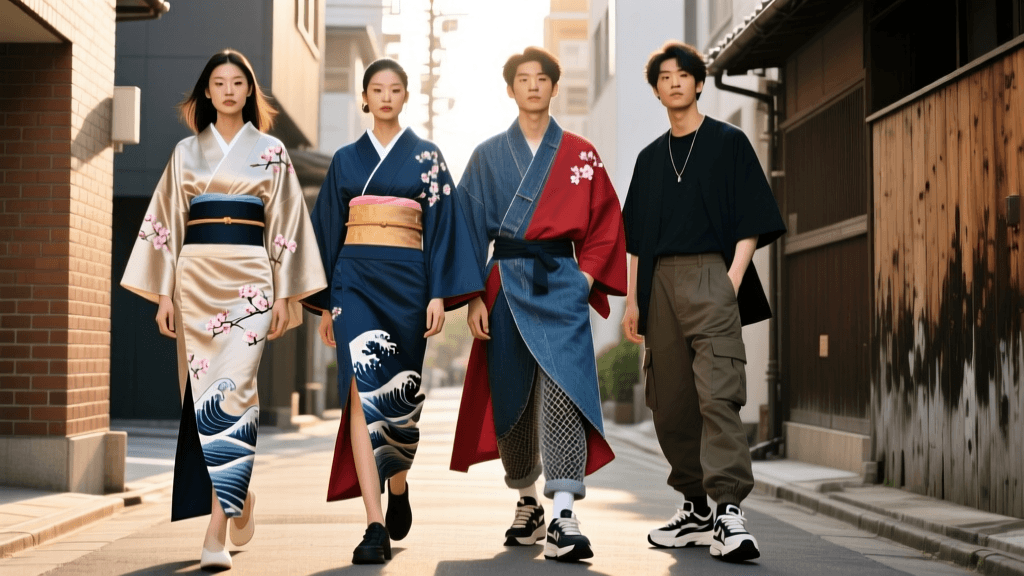
While Western celebrities bring the kimono to the global stage, it is the street style influencers in Tokyo’s Daikanyama, Harajuku, and Shimokitazawa districts who are rewriting the everyday rules of how to wear it. Modern Japanese youth, facing a declining domestic market for formal wear, are breathing new life into vintage silk. As reported by Reuters, Japan's kimono industry has had to adapt to modern tastes, and the secondary vintage market has exploded as a result of this youth-driven styling revolution.
Influencers are actively discarding the rigid rules of traditional kitsuke (the art of dressing in a kimono). Instead of pairing a formal homongi with traditional tabi socks and zori sandals, they are layering vintage silk over thrifted band t-shirts, cinching them with leather belts, and stepping into chunky designer sneakers. This juxtaposition of delicate, hand-painted Edo-period silk with rugged, utilitarian streetwear creates a visual tension that is highly sought after in contemporary fashion photography and social media.
The Anatomy of a Modern Kimono Outfit
To understand how to replicate these celebrity and influencer looks, it is essential to break down the styling differences between traditional wear and modern streetwear adaptations. The table below illustrates how key elements of the kimono are being restyled for the modern wardrobe.
| Garment Element | Traditional Styling | Influencer / Streetwear Styling |
|---|---|---|
| Outerwear (Haori) | Worn open over a kimono, tied with a woven haori-himo cord at the front. | Worn like a duster coat over denim, or belted over a slip dress for a structured silhouette. |
| Waist (Obi) | A stiff, heavily brocaded sash tied in complex knots (e.g., Otaiko) at the back. | Used as a wide corset belt over oversized blazers, or tied in a simple, asymmetrical bow at the front. |
| Footwear | Split-toe tabi socks paired with lacquered wood geta or woven straw zori. | Chunky sneakers (e.g., Balenciaga Track), combat boots, or modern split-toe leather boots. |
| Undergarments | Nagajuban (silk under-kimono) and hadajuban (cotton undershirt) to protect the outer silk. | Turtlenecks, graphic tees, or lace-trimmed camisoles used to add texture and contrast at the neckline. |
Actionable Guide: Styling Kimono Elements Today
Transitioning traditional garments into a modern, wearable wardrobe requires an understanding of proportions, fabric care, and styling mechanics. Here is a practical guide to achieving the influencer-approved kimono look, complete with measurements and sourcing tips.
1. The Haori and Denim Combo
The haori is the most accessible entry point into kimono fashion. Originally a jacket worn over the kimono, its open-front design makes it a perfect substitute for a modern blazer or duster coat.
- Proportions: Look for a vintage haori with a length between 80cm and 100cm (roughly mid-thigh). This length provides the dramatic sweep of a trench coat without overwhelming the wearer's frame.
- Styling: Pair a heavily patterned silk haori with raw, selvedge denim and a crisp white t-shirt. The rigidity of the denim grounds the fluid, delicate nature of the silk.
- The Hack: Traditional haori do not have closures. Instead of using the traditional cord, use a subtle leather belt tied loosely at the back to keep the front panels open and structured, or simply let it flow open for a relaxed, effortless vibe.
2. The Obi Belt as a Statement Cincher
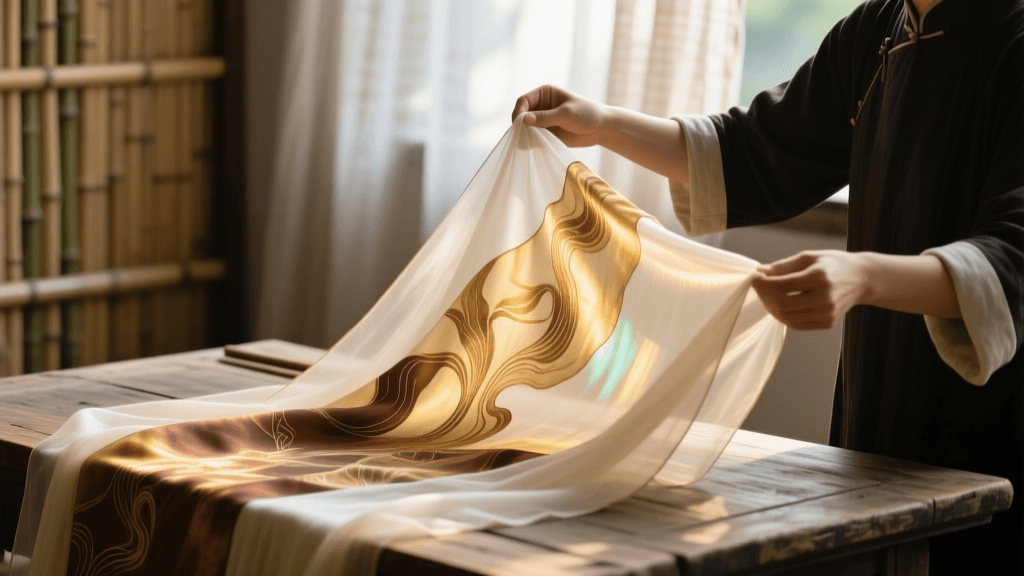
The obi is a masterclass in textile design, often featuring gold thread, intricate embroidery, and damask weaves. While tying a traditional Otaiko knot requires years of practice, using an obi as a modern belt is a brilliant styling hack popularized by fashion influencers.
- Measurements: A standard Maru or Fukuro obi is about 30cm wide and over 4 meters long. When folded in half, it provides a 15cm wide corset-like band.
- Styling: Wrap the folded obi around the waist of a monochromatic slip dress or an oversized, boxy suit. Secure it at the back with safety pins or a discreet elastic band, and tie a simple, elegant knot at the front or side.
- Cost: Vintage, high-quality silk obi belts can be sourced online for $40 to $120, making them a cost-effective alternative to luxury designer corset belts.
3. Footwear: Bridging the Gap
Footwear can make or break a fusion outfit. While traditional geta (wooden clogs) are beautiful, they are impractical for city walking and can clash with modern hemlines. According to the Japan National Tourism Organization, understanding the foundational elements of traditional clothing helps in respectfully adapting them. Influencers bridge the gap by choosing footwear that mimics the structural intent of traditional shoes but with modern comfort.
Chunky, platform sneakers add the necessary height and ground the voluminous fabrics of a kimono-inspired dress. For a more avant-garde approach, modern leather tabi boots (popularized by Maison Margiela) pay direct homage to the traditional split-toe sock while fitting seamlessly into a high-fashion streetwear aesthetic.
Sourcing and Caring for Vintage Silk
To authentically participate in this trend, it is crucial to source genuine vintage pieces rather than fast-fashion, culturally appropriated imitations. Authentic vintage silk possesses a weight, drape, and luminosity that synthetic fabrics simply cannot replicate.
Where to Buy
The best place to source authentic pieces is the secondary market. Kyoto’s Toji Temple flea market (held on the 21st of every month) is a treasure trove for collectors, where kimono can be found for as little as $20. For those outside of Japan, specialized online vintage exporters and curated Etsy shops offer authenticated pieces. When shopping, look for specific fabric types: Chirimen (a textured silk crepe that is highly durable and resists wrinkling) and Rinzu (a glossy silk damask that catches the light beautifully).
Maintenance and Storage
Vintage silk requires specific care to maintain its structural integrity and vibrant dyes.
"Never attempt to wash vintage kimono silk at home. The dyes, particularly on garments from the Showa era, can bleed catastrophically upon contact with water. Always seek out a dry cleaner who specializes in delicate, historical textiles."
When storing your haori or obi, avoid wire hangers which will distort the shoulder seams. Instead, fold the garments along their natural seam lines and store them flat in tatoshi (traditional Japanese paper envelopes) or acid-free tissue paper to prevent the silk from yellowing or developing permanent creases.
Conclusion: A Living Tradition
The celebrity and influencer-driven kimono trend is more than a fleeting fashion moment; it is a vital mechanism for the garment's survival in the 21st century. By blending the exquisite craftsmanship of traditional Japanese silk with the rugged, practical elements of modern streetwear, fashion enthusiasts are ensuring that these textile masterpieces continue to be seen, worn, and celebrated. Whether you are draping a vintage haori over your favorite denim or cinching an embroidered obi over a tailored suit, you are participating in a rich, ongoing dialogue between the past and the present.