Kimono Life Stages Guide 2026: Age Milestones & Styles
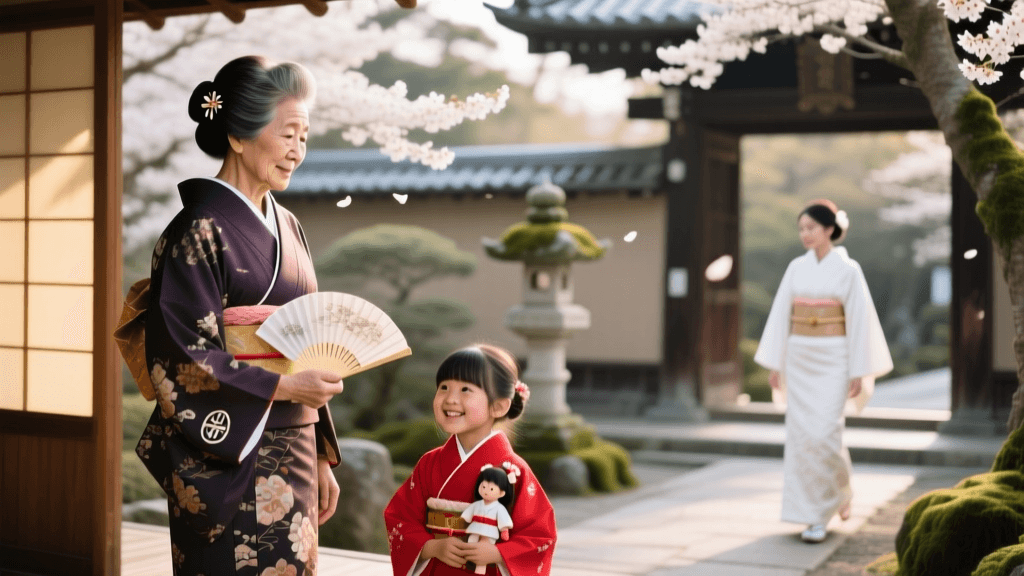
The Visual Language of Age: Kimono Milestones in 2026
The traditional Japanese kimono is far more than a beautiful garment; it is a complex visual language that communicates the wearer's age, marital status, social standing, and the specific occasion they are attending. As we navigate through 2026, the intersection of centuries-old sartorial rules and modern lifestyle adaptations has created a fascinating landscape for traditional dress. While everyday kimono wearing has declined, milestone events remain a vibrant arena where these exquisite textiles continue to shine. According to the Victoria and Albert Museum, the kimono's structural geometry and surface design act as a canvas for cultural storytelling, a tradition that remains fiercely protected in contemporary Japan.
In 2026, the Japanese traditional garment market has seen a surge in sustainable silk alternatives and high-end rental subscriptions, making milestone dressing more accessible than ever. However, the strict codified rules regarding sleeve length (sode), family crests (kamon), and motif placement remain largely intact. This comprehensive guide explores the specific kimono styles designated for every major life stage, from early childhood to the golden years, providing actionable insights for those participating in or observing these profound cultural milestones.
Childhood Milestones: Shichi-Go-San and Beyond
One of the earliest and most photographed milestones in a Japanese child's life is Shichi-Go-San (Seven-Five-Three), celebrated annually in November. This festival honors the growth and well-being of children at the ages of three, five, and seven. Historically, these ages marked significant transitions in childhood survival and social recognition, such as the first time a child's hair was grown out or when they first wore traditional adult-like clothing.
Styling for Toddlers and Young Children
For three-year-old girls, the traditional attire often includes a bright, colorful kimono paired with a hifu—a padded silk vest that is both adorable and practical, as it eliminates the need for a tightly tied obi (sash) which could be uncomfortable for a toddler. By age seven, girls transition into wearing a standard kimono with a more structured obi, often tied in a decorative choucho (butterfly) knot. Five-year-old boys typically wear a formal haori (jacket) and hakama (pleated trousers), often adorned with auspicious motifs like hawks, pines, or kabuto (samurai helmets).
In 2026, parents are increasingly opting for lightweight, breathable synthetic silks for children's Shichi-Go-San rentals. These modern textiles resist staining and allow children to move freely during shrine visits, while still capturing the luminous sheen of traditional chirimen (crepe silk). The average cost for a premium children's rental package in Tokyo or Kyoto currently ranges from $80 to $150 USD, which includes dressing services and professional photography.
Coming of Age: Furisode and Hakama
The transition into adulthood is marked by Seijin no Hi (Coming of Age Day). Following Japan's Civil Code revision that lowered the legal age of adulthood to 18, municipalities in 2026 have largely adapted their civic ceremonies. While 18-year-olds are now legally adults, many local governments still host the traditional grand ceremonies for 20-year-olds to avoid conflicting with intense university entrance examinations. Regardless of the exact age of the ceremony, the sartorial rules for unmarried youth remain spectacular.
The Furisode: Swinging Sleeves of Youth
Unmarried women celebrate this milestone in a furisode, characterized by its dramatically long, swinging sleeves that can measure up to 114 centimeters in length. The Japan National Tourism Organization notes that the furisode is the most formal kimono for unmarried women, and its vibrant, all-over patterns—known as eba—are designed to be eye-catching and youthful. The sleeves historically acted as a way to ward off evil spirits and express emotions, with the swinging motion symbolizing the shaking away of misfortune.
In 2026, furisode styling has embraced a mix of hyper-traditional Nishijin-ori weaves and contemporary, almost avant-garde obi-tying techniques. The fukura-suzume (plump sparrow) obi knot is a popular choice, requiring a highly skilled dresser. Young women also pair their furisode with luxurious faux-fur stoles and modern zori (sandals) featuring thick, cushioned soles for comfort during long winter ceremonies.
University Graduation: The Elegance of Hakama
Another major youth milestone is university graduation, typically occurring in March. Here, young women often pair a slightly less formal kimono (such as a komon or houmongi) with a hakama. The graduation hakama is distinct from martial arts or men's formal wear; it is an andon-bakama, which is skirt-like and lacks the divided legs of the male version. It is traditionally worn with lace-up leather boots, a fashion holdover from the Meiji era when female students adopted Western footwear for practicality.
Wedding Traditions: Shiromuku and Iro-Uchikake
A Japanese wedding is perhaps the most elaborate sartorial event in a person's life, often involving multiple outfit changes. The traditional Shinto wedding ceremony demands the highest level of formality and purity, symbolized by the color white.
Shiromuku: The Purity of White
The shiromuku is an entirely white ensemble, including the undergarments, obi, and accessories. It represents the bride's purity and her willingness to be "dyed" in the colors of her new husband's family. The outfit is completed with a tsunokakushi (horn-hiding) hood or a voluminous wataboushi (silk hat), which historically served to hide the bride's "horns of jealousy" and protect her from evil spirits. In 2026, bespoke shiromuku garments woven with subtle, tone-on-tone auspicious motifs like cranes and pine trees can exceed $15,000 USD, making specialized rental services the standard for over 85% of modern brides.
Iro-Uchikake: The Vibrant Reception Robe
For the wedding reception, the bride typically changes into an iro-uchikake, a heavily padded, colorful over-robe worn open over a base kimono. Unlike the shiromuku, the iro-uchikake features explosive, opulent designs utilizing gold leaf, embroidery, and Shibori dyeing techniques. Motifs of plum blossoms, peonies, and treasure ships are common, symbolizing prosperity and joy. The sheer weight of a traditional silk uchikake can exceed five kilograms, requiring the bride to adopt a specific, gliding walking style known as suriashi.
Married Life and Formal Events: Tomesode and Houmongi
Once a woman marries, her kimono wardrobe undergoes a significant shift. The long, swinging sleeves of the furisode are literally cut and sewn into shorter sleeves, symbolizing her new status and the "cutting" of her availability to other suitors. The formality of her garments is now dictated by the number of family crests (kamon) and the color of the fabric.
Kurotomesode and Irotomesode
The kurotomesode (black tomesode) is the most formal kimono for a married woman. It is solid black, features exactly five family crests, and has a continuous design (e-ba) that flows across the seams only below the waist. It is strictly reserved for close relatives of the bride or groom at weddings. The irotomesode is similar in cut and formality but features a colored background, making it suitable for married women attending weddings where they are not immediate family, or for highly formal state functions.
Houmongi: The Versatile Visiting Wear
For tea ceremonies, gallery openings, and formal dinners, married and unmarried women alike rely on the houmongi (visiting wear). The houmongi features patterns that flow across the back seams and sleeves, creating a cohesive picture when the garment is laid flat. In 2026, the houmongi remains the most versatile investment piece in a modern woman's kimono wardrobe, with contemporary artisans experimenting with subtle, abstract geometric patterns alongside traditional floral motifs.
2026 Cost and Rental Comparison Guide
Navigating the financial aspects of kimono dressing in 2026 requires an understanding of the booming rental market versus bespoke tailoring. The following table outlines average costs in major metropolitan areas like Tokyo and Kyoto.
| Life Stage / Milestone | Primary Kimono Type | Sleeve Length (Sode) | 2026 Avg. Rental (USD) | 2026 Bespoke Cost (USD) |
|---|---|---|---|---|
| Childhood (Shichi-Go-San) | Hifu / Children's Kimono | Short / Standard | $90 - $150 | $400 - $800 |
| Coming of Age (20 yrs) | Furisode | 114 cm (O-furisode) | $300 - $600 | $2,500 - $8,000+ |
| University Graduation | Komon + Hakama | Standard / Short | $150 - $250 | $1,200 - $3,000 |
| Wedding (Ceremony) | Shiromuku | Standard | $800 - $1,500 | $10,000 - $20,000 |
| Wedding (Reception) | Iro-Uchikake | Standard | $600 - $1,200 | $8,000 - $15,000 |
| Married Formal | Kurotomesode | Short (Tomesode) | $200 - $400 | $3,000 - $6,000 |
| Formal Visiting | Houmongi | Short / Standard | $150 - $350 | $2,000 - $5,000 |
Modern Preservation and Sustainable Silk in 2026
As the global conversation around sustainable fashion intensifies, the Japanese kimono industry in 2026 is experiencing a renaissance of eco-conscious practices. The traditional rearing of silkworms and the intensive water usage of yuzen dyeing are being supplemented by innovative, lab-grown spider silk and closed-loop water recycling systems in Kyoto's historic dyeing districts. Furthermore, the upcycling of vintage, mid-century kimono into modern haori jackets or western-style wrap dresses has become a massive trend among younger demographics who wish to honor their heritage without the prohibitive costs of new bespoke silk.
Preservation organizations are also utilizing advanced 3D scanning and AI-driven textile analysis to catalog the fragile, surviving Edo-period garments, ensuring that the precise weaving techniques and natural dye recipes are not lost to time. Whether worn by a three-year-old at a shrine or a bride stepping into her new life, the kimono remains a profound, living archive of Japanese culture, adapting gracefully to the demands of the modern era while steadfastly holding onto its ancestral roots.