Xin Zhongshi 2026: New Chinese Style Office & Streetwear Guide
The Evolution of Xin Zhongshi in 2026
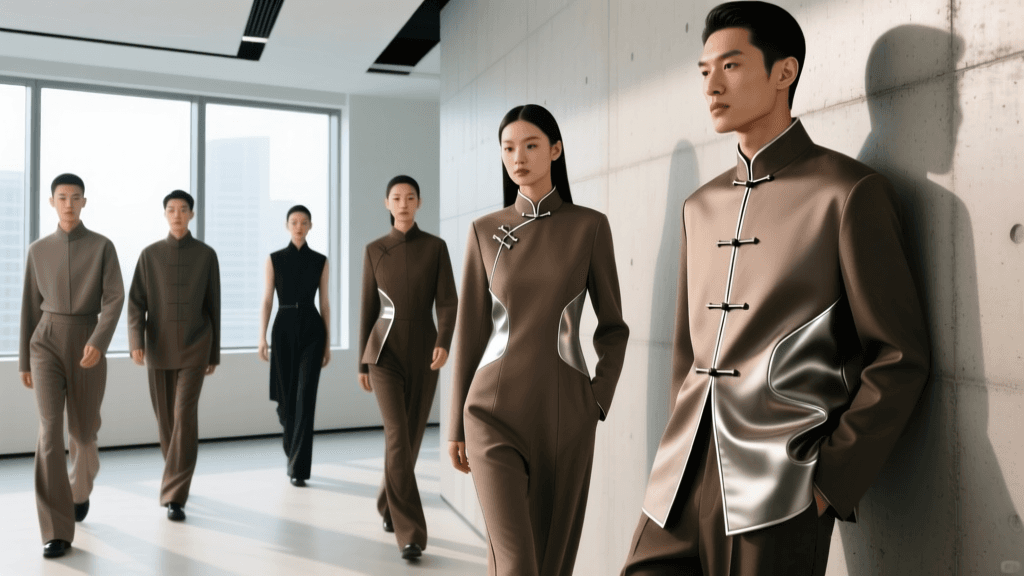
The Xin Zhongshi (新中式), or "New Chinese Style," movement has彻底 (completely) transcended its origins as a niche subculture to become a dominant force in global fashion by 2026. No longer confined to ceremonial wear or historical reenactment, Xin Zhongshi represents a sophisticated synthesis of ancient Chinese sartorial philosophy and contemporary urban pragmatism. In 2026, the focus has shifted away from overt, costume-like dragon embroidery and loud brocades toward subtle structural nods to the Song and Ming dynasties. This deep dive explores how to authentically integrate New Chinese garments into your modern office and streetwear wardrobe, leveraging the latest fabric technologies and styling techniques.
The Philosophy: Heritage Meets Modernity
At its core, Xin Zhongshi is about capturing the spirit of traditional Chinese aesthetics—fluidity, asymmetry, and a deep connection to nature—without sacrificing the functionality required for modern life. The 2026 design weeks in Shanghai and Paris highlighted a collective move toward "quiet heritage." Designers are prioritizing the architectural brilliance of traditional collars, the drape of ancient skirts, and the tactile richness of heritage textiles, adapting them for the fast-paced environments of corporate offices and cosmopolitan streets.
Key Silhouettes: From Dynasty to Desktop
To master the Xin Zhongshi aesthetic, one must understand the foundational silhouettes that define the movement. In 2026, three specific garment types dominate the New Chinese wardrobe.
The Modernized Mamian Skirt
The Mamianqun (horse-face skirt) is the undisputed centerpiece of Xin Zhongshi. Historically characterized by its flat front and back panels with heavily pleated sides, the 2026 iteration is streamlined for daily wear. Look for midi-length versions that hit exactly two inches below the calf. Modern adaptations often replace heavy traditional waistbands with sleek, hidden side-zippers and structured cotton-blend linings that prevent the pleats from collapsing during a busy commute. For the office, opt for solid, muted tones like celadon green, ink wash black, or lotus pink, reserving the intricate woven Zhi Jin (brocade) patterns for evening events.
The Structured Duijin Jacket
The Duijin (central-front opening) jacket, traditionally worn as an outer layer during the Ming dynasty, has been reimagined as the ultimate Xin Zhongshi blazer. According to historical textile archives at the Metropolitan Museum of Art, Ming outerwear was prized for its dignified, straight-lined silhouettes. In 2026, designers have preserved the straight, un-darted cut but introduced lightweight shoulder padding and internal fusing to give the jacket a crisp, corporate-ready structure. The traditional Pankou (knotted frog closures) are often retained as decorative elements on the cuffs or lapels, while hidden magnetic snaps provide the clean, seamless front closure preferred in modern professional settings.
The Song Dynasty Narrow-Sleeve Blouse
For warmer months or layered office looks, the Song dynasty-inspired narrow-sleeve blouse (Shan) is essential. Unlike the voluminous sleeves of the Tang or Han periods, Song aesthetics favored slender, refined silhouettes. The 2026 versions feature subtle standing collars (Liling) and are crafted from breathable, semi-sheer tech-silks that offer comfort without compromising on elegance.
2026 Fabric Innovations: Tradition Meets Technology
The true revolution of Xin Zhongshi in 2026 lies in textile engineering. Historically, garments like Xiangyunsha (Gambiered Canton Gauze) required meticulous, labor-intensive care, making them impractical for daily wear. Today, heritage fabrics are being blended with modern fibers to retain their visual and tactile majesty while offering machine-washable convenience. The Victoria and Albert Museum extensively documents the historical complexity of Chinese silk weaving, a legacy that modern textile labs are now honoring through sustainable innovation.
| Fabric Name | Historical Origin | 2026 Modern Application | Care & Maintenance |
|---|---|---|---|
| Xiangyunsha Tech-Blend | Ming/Qing Dynasties (Gambiered Canton Gauze) | Washable trench coats, structured midi skirts, and lightweight outerwear. | Machine wash on delicate cold; hang dry in the shade to preserve the mud-silk patina. |
| Song Jin (Song Brocade) Crepe | Song Dynasty | Lightweight office blazers, evening clutches, and subtle accent lapels. | Dry clean only to maintain the integrity of the metallic and silk threads. |
| Xiangyun (Fragrant Cloud) Modal | Tang/Song Aesthetics | Breathable office blouses, draped scarves, and summer streetwear tops. | Hand wash or machine wash in a mesh bag; iron on low heat with a pressing cloth. |
| Bamboo-Silk Linen | Traditional Southern Weaving | Wide-leg trousers, unlined summer Duijin jackets, and resort wear. | Machine wash warm; tumble dry low. The natural wrinkles enhance the wabi-sabi aesthetic. |
The integration of bamboo and modal fibers into traditional silk weaves has been a game-changer for the 2026 market. As recognized by UNESCO's Intangible Cultural Heritage listings regarding sericulture, the historical mastery of silk is profound. Modern blends ensure this heritage survives not just in museums, but in the active, daily lives of contemporary consumers.
Styling Guide: Office to Evening
Styling Xin Zhongshi requires a delicate balance. The goal is to let the traditional garment act as the anchor of your outfit, while modern accessories provide context and edge.
Corporate Elegance
For a high-powered corporate environment, pair a structured, ink-black Duijin jacket with wide-leg, high-waisted bamboo-silk linen trousers. The lack of visible buttons on the jacket creates a minimalist, authoritative silhouette akin to a luxury Western blazer. Underneath, wear a simple, high-necked merino wool turtleneck in a contrasting off-white. For footwear, abandon the traditional cloth shoes in favor of sleek, pointed-toe leather loafers or minimalist block-heel ankle boots. This combination respects the boardroom dress code while silently broadcasting a deep appreciation for Asian sartorial heritage.
Urban Streetwear
Streetwear in 2026 embraces the juxtaposition of ancient drape and modern grit. Take a pleated Mamian skirt in a deep cinnabar red and pair it with an oversized, distressed charcoal knit sweater. Allow the intricate woven patterns of the skirt's flat panels to peek out from beneath the voluminous sweater. Layer a cropped, water-resistant tech-wear vest over the sweater to introduce a utilitarian, cyberpunk edge. Footwear should be chunky—think heavy-tread combat boots or elevated platform sneakers. This look is perfect for gallery openings, weekend markets, or creative industry meetups.
Sourcing and Garment Care in 2026
The market for Xin Zhongshi has matured significantly. While fast-fashion retailers offer cheap imitations, true enthusiasts in 2026 are turning to specialized indie designers and heritage revival brands. Expect to invest between $150 and $400 for an authentic, high-quality Mamian skirt from established Taobao indie studios that utilize genuine jacquard looms. For outerwear and blazers, boutique brands operating out of Shanghai and Hangzhou offer bespoke tailoring services that adapt traditional patterns to your exact modern measurements, typically ranging from $300 to $800.
When caring for these garments, always inspect the inner lining. Many 2026 Xin Zhongshi pieces feature dual-layer constructions: a delicate heritage silk outer shell and a durable, sweat-wicking synthetic inner lining. This allows the garment to be worn comfortably against the skin without the oils degrading the historic-style fibers. Always store pleated Mamian skirts hanging by the waistband to allow gravity to maintain the sharpness of the knife pleats.
Conclusion
The Xin Zhongshi movement of 2026 is a testament to the enduring power of Asian traditions. By stripping away the theatricality of historical costuming and focusing on the brilliant structural and textile innovations of the past, New Chinese Style offers a deeply personal, elegant, and highly functional wardrobe for the modern global citizen. Whether you are navigating a corporate boardroom or exploring the urban landscape, integrating these ancient silhouettes and modern fabrics ensures you carry centuries of artistry with every step.