Xin Zhongshi Fashion 2026: Building A Modern Chinese Wardrobe
The Evolution of Xin Zhongshi in 2026
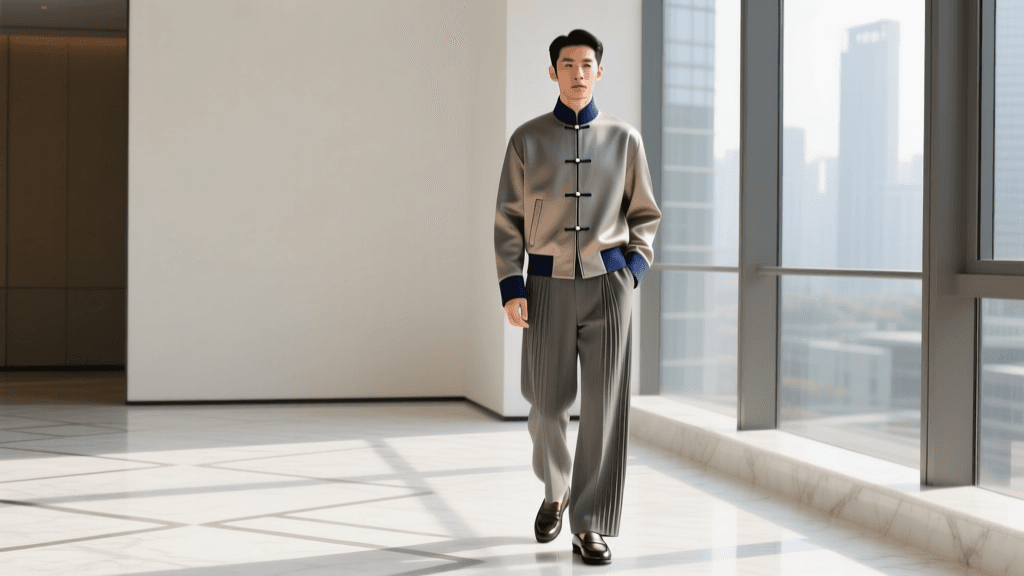
The term Xin Zhongshi (新中式), translating to 'New Chinese Style,' has completely redefined the global fashion landscape by 2026. What began as a niche subcultural revival of historical Hanfu and Republican-era Qipaos has matured into a sophisticated, mainstream design philosophy. Today, Xin Zhongshi is not about wearing a historical costume; it is about the seamless integration of traditional Chinese aesthetics—such as structural silhouettes, intricate knot buttons, and heritage textiles—into the modern, fast-paced urban wardrobe.
In 2026, the movement champions 'quiet luxury' with a distinctly Eastern perspective. Designers are moving away from the loud, maximalist dragon motifs and heavy, stiff brocades of the early 2020s. Instead, the current market favors subtle jacquard weaves, fluid draping, and climate-adaptive fabrics that honor the historical foundations of Chinese silk while offering the practicality required for contemporary life. Building a Xin Zhongshi capsule wardrobe this year requires an understanding of historical proportions, modern textile innovations, and the art of cross-cultural styling.
Core Silhouettes for Your Capsule Wardrobe
To build a functional and elegant New Chinese Style wardrobe, focus on three foundational garments that bridge the gap between ancient heritage and 2026 streetwear.
1. The Modernized Mamianqun (Horse-Face Skirt)
The Mamianqun is arguably the most iconic garment in the modern Xin Zhongshi rotation. Historically worn during the Ming and Qing dynasties, this wrap skirt features flat front and back panels with pleated sides. In 2026, the silhouette has been refined for the office and the street.
- Proportions: Opt for a midi length (75 cm to 85 cm from the waist) rather than the traditional floor-sweeping length. This prevents the hem from catching on modern transit and pairs beautifully with ankle boots or loafers.
- The Wrap Mechanism: A proper Mamianqun relies on tension and overlap, not zippers. When purchasing or tailoring, ensure the front and back panels overlap by at least 15 cm to 20 cm. This prevents the skirt from gaping open when walking or sitting.
- Pleat Structure: Look for 'knife pleats' that are heat-set at exactly 3 cm to 4 cm wide. Modern 2026 variations often use a blended acetate-silk fabric that holds these pleats permanently, even after washing.
2. The Stand-Collar Blouse with Pankou Knots
The Mandarin collar (stand-collar) is a staple of Eastern tailoring. However, the 2026 interpretation ditches the rigid, suffocating necklines of the past for softer, unstructured collars that sit gently against the clavicle. The focal point of these blouses is the Pankou, the traditional knotted button.
In contemporary designs, Pankou knots are used sparingly as functional closures at the neck and decorative accents along the asymmetrical 'Dajin' (diagonal front placket). For a versatile capsule wardrobe, invest in a crisp, oversized cotton-poplin stand-collar shirt in ivory or bamboo-green. The hidden placket beneath the knots provides a clean, minimalist line that pairs effortlessly with Western tailoring, such as a sharp charcoal blazer.
3. The Song Dynasty Beizi (Duster Jacket)
The Beizi is a traditional open-front jacket characterized by its straight silhouette, side slits, and relaxed sleeves. In 2026, the Beizi has been reimagined as a lightweight duster coat or summer trench. Look for versions crafted from washed linen or semi-sheer organza. The side slits (often extending up to the hip) provide incredible ease of movement and create a beautiful, flowing drape when layered over a simple slip dress and wide-leg trousers.
Fabric Innovations: Moving Beyond Heavy Brocade
One of the most significant shifts in the 2026 Xin Zhongshi market is the revolution in textile engineering. Traditional Xiangyunsha (gambiered Guangdong gauze) and heavy silk brocades, while beautiful, are notoriously difficult to maintain and uncomfortable in humid climates. This year, textile mills have introduced bio-washed silks and temperature-regulating blends that mimic the luster of heritage fabrics without the demanding upkeep.
| Fabric Type | Best Application | 2026 Market Price (USD) | Maintenance & Care |
|---|---|---|---|
| Acetate-Silk Jacquard | Mamianqun, Structured Jackets | $120 - $220 | Low. Machine washable on delicate; retains pleats and luster. |
| Bio-Washed Xiangyunsha | Summer Beizi, Flowing Trousers | $180 - $350 | Medium. Hand wash cold; requires air drying away from direct UV light. |
| Bamboo-Linen Blends | Stand-Collar Shirts, Daily Wear | $60 - $110 | Low. Highly breathable, machine washable, softens with every wash. |
| Traditional Song Brocade | Statement Outerwear, Formalwear | $400 - $800+ | High. Dry clean only; prone to snagging; requires padded hangers for storage. |
Styling the Look: Footwear and Accessories
The golden rule of Xin Zhongshi in 2026 is contrast. Because the garments carry significant historical weight and intricate detailing, the accessories and footwear should be decidedly modern, grounding the outfit in the present day.
Footwear Pairings
- Chunky Loafers: A pair of heavy-soled, polished leather loafers adds an architectural, almost brutalist edge to the flowing pleats of a Mamianqun. This is the preferred footwear for urban professionals.
- Minimalist Sneakers: For weekend wear, pair a linen Beizi jacket and wide-leg trousers with sleek, unbranded white sneakers. Avoid overly sporty or technical running shoes, as they clash with the elegant drape of the textiles.
- Pointed-Toe Mules: A low-heeled, pointed-toe mule echoes the sharp, angular lines of traditional Chinese embroidery frames while providing modern comfort.
Jewelry and Hardware
Move away from costume jewelry and overtly traditional jade carvings on red strings. The 2026 aesthetic favors 'architectural jade'—thin, geometric slices of nephrite or jadeite set in brushed 18k gold or matte titanium. When selecting bags, opt for structured, Western-style leather top-handle bags. The rigid geometry of a modern leather bag provides a necessary visual anchor to the fluid, asymmetric lines of a Xin Zhongshi wrap top or skirt.
Garment Care and Maintenance
Investing in Xin Zhongshi pieces requires a commitment to proper garment care, particularly when dealing with modern silk blends and natural dyes. While 2026's bio-washed fabrics are more forgiving, they still demand respect.
- Washing: Always use a pH-neutral, enzyme-free detergent. Enzymes in standard detergents will break down the protein structures of silk and bamboo fibers over time. Wash at exactly 30°C (86°F) or cooler.
- Drying: Never wring out a Mamianqun or a silk-blend jacket. Roll the garment in a clean, dry microfiber towel to press out excess water, then lay it flat on a mesh drying rack. Hanging wet, heavy pleated skirts will stretch the waistband and distort the heat-set pleats.
- Storage: Store Xiangyunsha and brocade garments in breathable cotton garment bags. Avoid plastic covers, which trap moisture and cause the natural dyes to mildew or shift in color. Use cedarwood blocks instead of chemical mothballs to protect the fibers without leaving a harsh odor.
Conclusion: Embracing a Living Tradition
Building a Xin Zhongshi wardrobe in 2026 is an exercise in cultural appreciation and sartorial intelligence. By selecting versatile silhouettes like the Mamianqun and the Beizi, prioritizing innovative, climate-appropriate fabrics, and mastering the art of modern contrast styling, you can create a wardrobe that is deeply rooted in Asian heritage while remaining entirely relevant to the contemporary world. The New Chinese Style is not a fleeting trend; it is a permanent, evolving dialogue between the past and the future of global fashion.