The Ultimate Guide to Kimono Footwear: Zori, Geta, and Tabi
Introduction to Kitsuke and Footwear
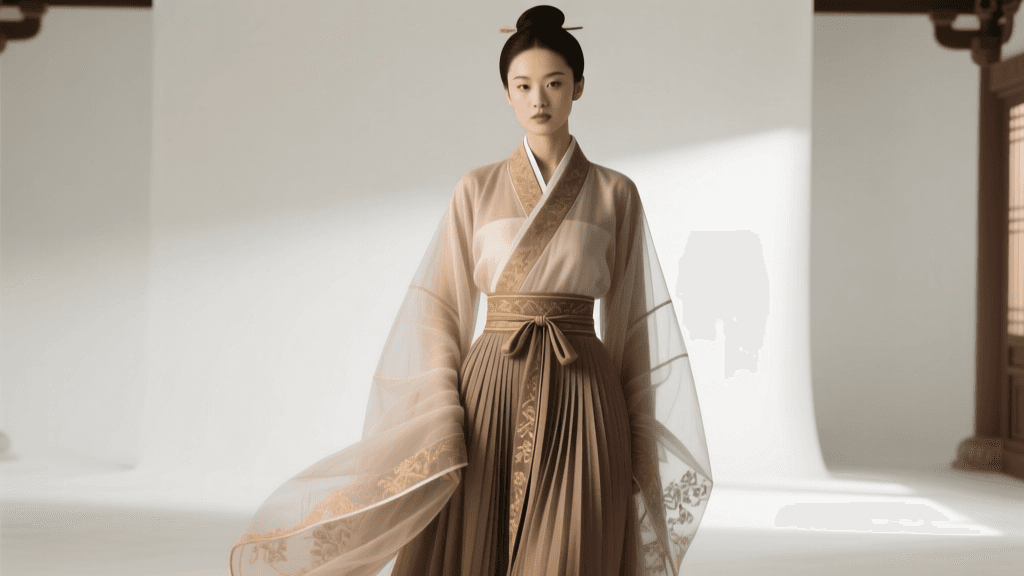
When assembling a traditional Japanese kimono ensemble, a practice known as kitsuke (kimono dressing), beginners often focus entirely on the vibrant silk of the main garment, the intricate knot of the obi sash, and the delicate hair ornaments. However, an outfit is never truly complete without the proper footwear. In Japanese culture, footwear is not merely a functional afterthought; it is deeply symbolic, indicating the wearer's age, marital status, gender, and the specific formality of the occasion. As highlighted by the Victoria and Albert Museum, the kimono is a deeply structured garment where every layer and accessory communicates specific social cues, and the footwear grounds the entire aesthetic.
Navigating the world of traditional Japanese footwear can be daunting for collectors, vintage enthusiasts, and first-time wearers alike. The rules governing what to wear, how to size it, and how to maintain it are steeped in centuries of tradition. This comprehensive guide will break down the essential components of kimono footwear—zori, geta, and tabi—providing actionable advice on selection, sizing, and care to ensure your ensemble is both authentic and comfortable.
Understanding Zori: The Formal Foundation
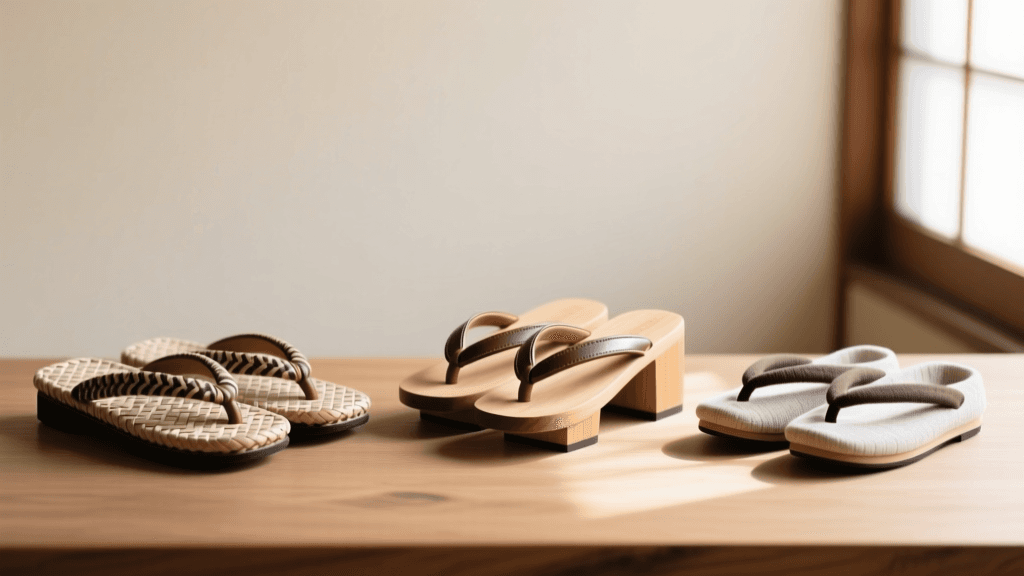
Zori are flat, thonged sandals that serve as the standard footwear for most formal and semi-formal kimono occasions. Unlike Western shoes, zori do not have a distinct left or right foot; they are perfectly symmetrical. The base, or dai, of a zori can be made from various materials, including vinyl, leather, brocade, and woven tatami straw. The formality of the zori is largely dictated by its material and color.
- Brocade and Gold/Silver Zori: These are the most formal options, reserved for weddings, coming-of-age ceremonies (Seijin-shiki), and highly formal tea ceremonies. They are typically paired with formal kimono like the kurotomesode or furisode.
- Vinyl and Leather Zori: These are versatile, semi-formal to casual options. A white vinyl zori with a white thong is a staple for many semi-formal events, while darker colors or textured vinyl are worn for everyday outings.
- Tatami (Woven Straw) Zori: These are strictly casual and are usually worn by men or women pairing them with yukata or casual tsumugi silk kimono.
The thong of the zori is called the hanao. On formal zori, the hanao is usually thin and made of the same brocade material as the base. On casual zori, the hanao is thicker, often made of velvet or cotton, providing more comfort for walking. According to historical overviews provided by the Metropolitan Museum of Art, the evolution of Japanese dress has always been intrinsically linked to the materials available, and the shift from woven straw to modern vinyl and silk brocades in zori reflects both technological advancements and changing social norms.
Geta: The Wooden Clog of the Streets
While zori rule the formal sphere, geta are the undisputed kings of casual and traditional streetwear. Geta are wooden clogs elevated by one or more 'teeth' (ha) on the bottom. The primary wood used for high-quality geta is kiri (paulownia), which is lightweight, resonant, and produces the distinctive, satisfying 'clack-clack' sound (karankoron) associated with traditional Japanese streetscapes.
Types of Geta
There are several distinct styles of geta, each serving a different purpose:
- Standard Two-Tooth Geta: The most common style, featuring two parallel wooden teeth. These are worn with casual kimono, yukata, and modern street fashion.
- Tengu Geta: Named after the mythical long-nosed creature, these feature a single, central tooth. They require significant practice and ankle strength to walk in and are often worn by performers, market vendors, or fashion-forward individuals making a bold statement.
- Okobo (Pokkuri): These are tall, solid wooden platform shoes with no teeth, often hollowed out to contain a small bell that rings with each step. They are famously worn by maiko (apprentice geisha) and young girls celebrating the Shichi-Go-San (Seven-Five-Three) festival.
Geta are almost exclusively casual. Wearing wooden geta with a highly formal silk kimono is considered a major faux pas in traditional kitsuke. They are best paired with cotton, wool, or casual silk garments, and are the undisputed footwear of choice for summer fireworks festivals.
Tabi: The Split-Toe Essential
No discussion of Japanese footwear is complete without the tabi, the traditional split-toe sock designed specifically to accommodate the hanao thong of zori and geta. Tabi act as the crucial barrier between the foot and the footwear, absorbing sweat and protecting the delicate materials of the shoes.
Materials and Fastening
Traditional formal tabi are made from white cotton and feature a thick, quilted sole. They are not stretchy; instead, they are fastened at the back of the ankle using metal clasps called kohaze. Tabi typically come with either four or five kohaze. Five-clasp tabi are taller, reaching higher up the calf, and are considered more formal. Four-clasp tabi are standard for everyday wear.
For casual wear, especially with yukata, stretch tabi made from modern synthetic blends are incredibly popular. These slip on like regular socks and are much more forgiving for beginners who struggle with the traditional kohaze clasps. While white is the undisputed standard for formal events, casual tabi come in a myriad of colors, patterns, and even lace, allowing wearers to express personal style and coordinate with their kimono's seasonal motifs.
The Golden Rule of Sizing: Heel Overhang
Perhaps the most counterintuitive aspect of kimono footwear for Westerners is the sizing. In Western shoe culture, a proper fit means the foot rests entirely within the boundaries of the sole, with a bit of wiggle room at the toe. In traditional Japanese footwear, the exact opposite is true.
The golden rule of zori and geta sizing is kakato o dasu, which translates to 'letting the heel hang out.' When wearing properly fitted zori or geta, the back of your heel should overhang the edge of the wooden or vinyl base by approximately 1 to 2 centimeters (about half an inch).
Why Heel Overhang is Necessary
This deliberate overhang serves several practical and aesthetic purposes:
- Protecting the Garment: If the footwear is too long, the wearer is likely to step on the back of their own kimono hem while walking, which can cause tripping, damage the delicate silk, and ruin the silhouette.
- Posture and Gait: The slight overhang forces the wearer to shift their weight forward and take smaller, more deliberate steps. This naturally improves posture and creates the elegant, gliding walk associated with kimono wearers.
- Aesthetic Balance: Visually, the overhang ensures that the hem of the kimono falls cleanly over the foot without being obscured by an overly large shoe base.
Footwear Sizing and Formality Chart
| Footwear Type | Formality Level | Ideal Heel Overhang | Best Paired With |
|---|---|---|---|
| Brocade Zori | Highly Formal | 1 - 1.5 cm | Kurotomesode, Furisode, Uchikake |
| Vinyl/Leather Zori | Semi-Formal / Casual | 1 - 2 cm | Komon, Tsumugi, Everyday Silk |
| Wooden Geta (2-Tooth) | Casual | 1 - 2 cm | Yukata, Wool Kimono, Casual Cotton |
| Tengu Geta (1-Tooth) | Streetwear / Performance | 0.5 - 1 cm | Modern Fashion, Yukata, Matsuri Wear |
| Okobo (Platform) | Ceremonial / Apprentice | 1 - 1.5 cm | Furisode, Maiko Attire, Festival Wear |
Color Coordination and Seasonality
Just as the kimono itself reflects the changing seasons, so too can the accessories. While a white tabi and a neutral zori are safe year-round, advanced kitsuke practitioners often coordinate their hanao (thongs) and tabi with seasonal motifs. In the spring, you might see pastel pink hanao paired with cherry blossom motifs. In the autumn, deep burgundies and golds complement maple leaf patterns. For summer festivals, the cool, unlined look of bare feet in wooden geta (without tabi) is not only acceptable but preferred for its breezy, relaxed aesthetic. However, bare feet should never be worn with formal zori; tabi are strictly required in formal settings regardless of the temperature.
Caring for Your Kimono Footwear
Proper maintenance ensures your zori and geta last for decades, and vintage collectors know that well-cared-for antique footwear is a prized find. Follow these actionable care tips to preserve your collection:
- Moisture Control: Both wooden geta and the woven bases of some zori are highly susceptible to humidity and mold. Store your footwear in a cool, dry place, ideally with silica gel packets in the storage boxes. Never store them in plastic bags, which trap moisture.
- Hanao Replacement: The thongs are the first part of the shoe to wear out or snap. Fortunately, hanao are designed to be replaceable. You can purchase pre-made hanao online or at kimono specialty shops and thread them through the base yourself, or take them to a professional cobbler who specializes in Japanese footwear.
- Cleaning Vinyl and Leather: Wipe down vinyl and leather zori with a slightly damp cloth after wearing. Avoid harsh chemical cleaners, which can degrade the synthetic materials or strip the dye from the leather.
- Wood Care: If your kiri wood geta become scuffed, they can be lightly sanded with fine-grit sandpaper to reveal fresh, clean wood underneath. Some enthusiasts rub a tiny amount of natural wood oil into the base to prevent drying and cracking, though this is usually only necessary in extremely arid climates.
Conclusion
Mastering kimono footwear is a journey that bridges the gap between simply wearing a Japanese garment and truly embodying the tradition of kitsuke. By understanding the distinct roles of zori, geta, and tabi, respecting the counterintuitive rules of heel overhang, and committing to proper care, you ensure that every step you take is grounded in centuries of cultural heritage. Whether you are stepping onto the tatami mats of a tea room in a pair of pristine brocade zori, or clacking through a summer festival in wooden geta, the right footwear transforms your kimono experience from a mere costume into a living, breathing tradition.