Xin Zhongshi Fashion 2026: Build Your New Chinese Wardrobe
The Evolution of Xin Zhongshi in 2026
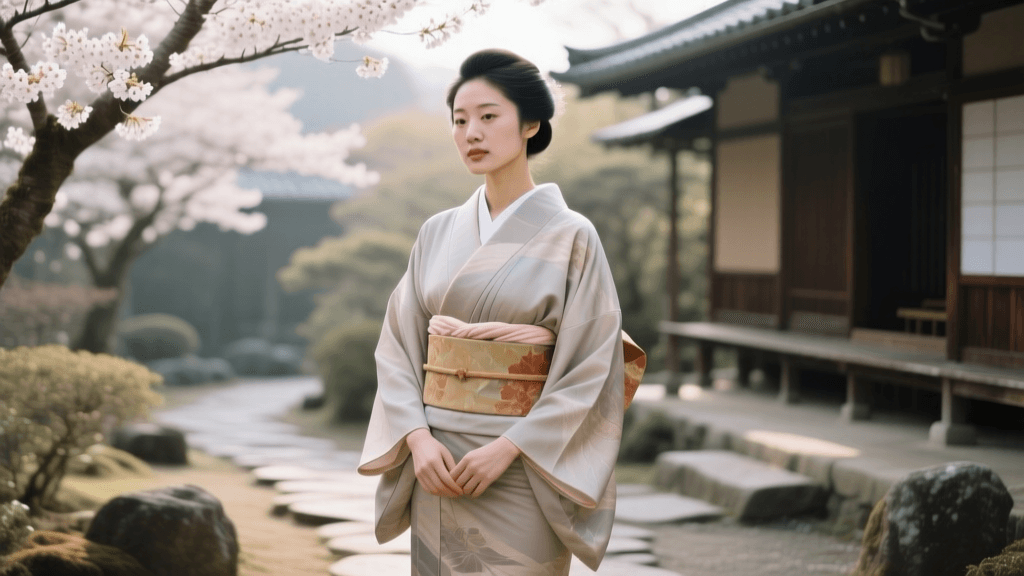
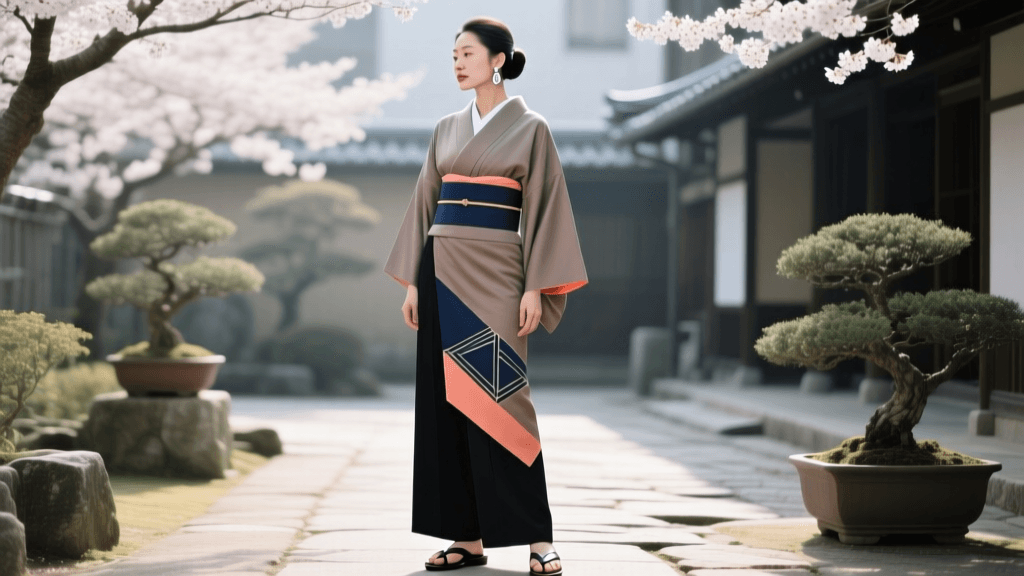
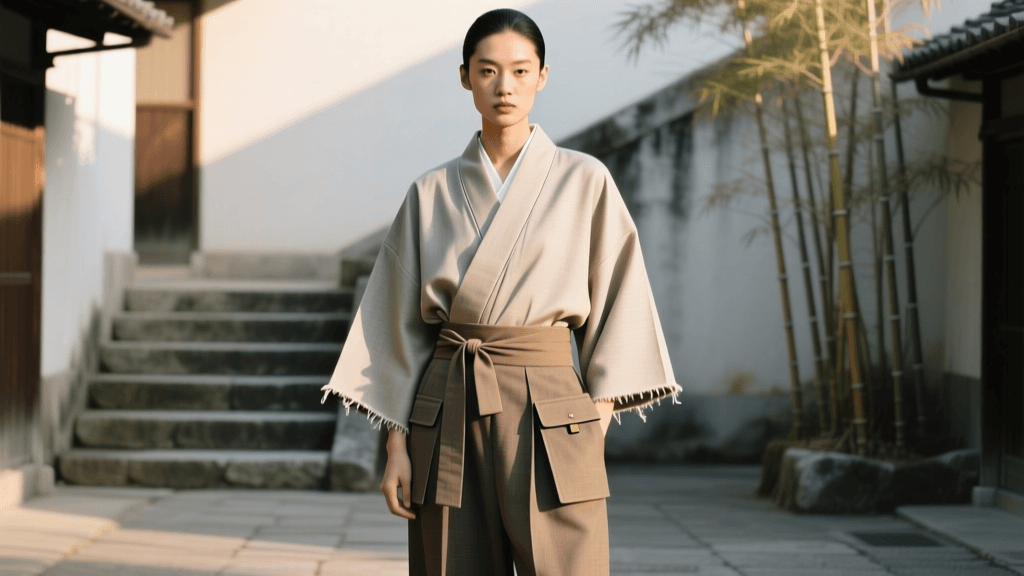
The Xin Zhongshi (新中式), or 'New Chinese Style,' movement has officially transcended its status as a fleeting social media trend to become a permanent pillar of global contemporary fashion. As we navigate 2026, this aesthetic is no longer just about wearing historical costumes; it is a sophisticated fusion of traditional Chinese sartorial philosophy and modern, everyday tailoring. By blending ancient textile techniques with contemporary silhouettes, Xin Zhongshi offers a wearable, elegant, and culturally resonant wardrobe for the modern global citizen.
Unlike the strict historical accuracy demanded by the Hanfu restoration movement, Xin Zhongshi prioritizes structural homage and aesthetic spirit. It takes iconic elements—such as the Mandarin collar, Pankou (frog buttons), and the sweeping pleats of the Mamianqun—and recontextualizes them for modern urban life. According to recent analyses of East Asian fashion markets, the 2026 Spring/Summer runways in Shanghai and Hangzhou have heavily featured these hybrid garments, signaling that the New Chinese Style is now a dominant force in international design weeks.
Core Pillars of the New Chinese Aesthetic
Building a Xin Zhongshi wardrobe requires an understanding of its foundational principles. The movement relies on three core pillars that bridge the gap between antiquity and modernity:
- Silhouette Fusion: Pairing structured, historically inspired tops with relaxed, contemporary bottoms, or vice versa. This prevents the outfit from looking like a theatrical costume.
- Textile Heritage: Utilizing intangible cultural heritage fabrics like Xiangyunsha (gambiered gauze) and Song Brocade, but cutting them using Western draping and tailoring techniques.
- Minimalist Ornamentation: Moving away from loud, maximalist dragon and phoenix embroidery toward subtle, tonal motifs, negative space, and the natural drape of the fabric.
The historical roots of these garments are deeply significant. As documented by the Metropolitan Museum of Art's Heilbrunn Timeline of Art History, traditional Chinese dress has always been characterized by its emphasis on the two-dimensional cut and the surface decoration of the textile, rather than the three-dimensional tailoring that shapes the body in Western fashion. Xin Zhongshi brilliantly marries these two approaches.
Essential Garments for the 2026 Wardrobe
The Modernized Mamianqun (Horse-Face Skirt)
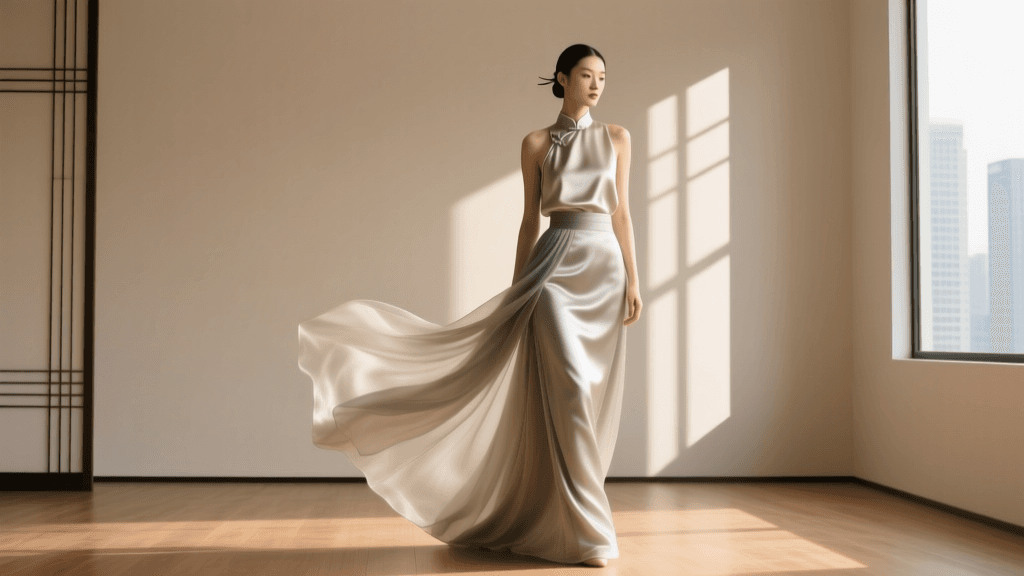
The Mamianqun is arguably the breakout star of the Xin Zhongshi movement. Historically worn by women during the Ming and Qing dynasties, this wrap skirt features flat front and back panels (the 'horse faces') with deeply pleated sides. In 2026, designers have adapted the Mamianqun for daily wear by adjusting the length and fabric weight.
While traditional versions brushed the floor and were made of heavy, stiff brocades, the modern 2026 iterations frequently feature midi-length hems that hit just below the calf. This adjustment allows for greater mobility and pairs beautifully with modern footwear. Furthermore, contemporary weavers are utilizing lightweight mulberry silk blends and matte crepes, giving the pleats a fluid, liquid drape that moves effortlessly in urban environments. When styling, pair a solid-colored, modernized Mamianqun with a crisp, oversized white button-down shirt or a minimalist cashmere turtleneck to balance the skirt's inherent volume.
Xiangyunsha (Gambiered Guangdong Gauze) Outerwear
Xiangyunsha is a luxury silk fabric that undergoes a complex, eco-friendly dyeing process using the juice of the Dioscorea cirrhosa tuber and the iron-rich mud of the Pearl River Delta. Recognized by UNESCO as an Intangible Cultural Heritage, this fabric is prized for its unique dual-toned appearance: a rich, glossy dark brown or black on one side, and a matte, earthy terracotta on the other.
In 2026, Xiangyunsha has moved beyond traditional flowing robes and is now the fabric of choice for high-end, structured outerwear. Designers are crafting bomber jackets, tailored blazers, and sleek trench coats from this material. The fabric's natural stiffness and water-resistant properties make it ideal for outerwear, while its subtle, crinkled texture adds a layer of understated luxury. A Xiangyunsha blazer worn over a simple silk slip dress and tailored trousers is the epitome of modern Shanghai chic.
The Modified Qipao (Cheongsam) Top
The Qipao has long been a symbol of Chinese elegance, but its traditional, form-fitting silhouette can be restrictive for all-day wear. The 2026 Xin Zhongshi interpretation focuses on the upper half, transforming the Qipao into versatile tops and blouses. Designers are retaining the iconic Mandarin collar, the diagonal 'dajin' lapel, and the handmade Pankou knot buttons, but they are cutting the bodice with a relaxed, boxy fit or cropping it at the natural waist.
These modified tops are often crafted from breathable Ramie or matte silk, featuring subtle, tone-on-tone jacquard patterns rather than bold floral prints. They pair exceptionally well with high-waisted, wide-leg denim or tailored wool trousers, creating a striking contrast between traditional elegance and modern utilitarianism.
Fabric Comparison & Care Guide
Understanding the textiles is crucial for maintaining the integrity of your Xin Zhongshi pieces. Below is a comprehensive guide to the most prominent fabrics used in the 2026 collections, alongside their specific care requirements.
| Fabric | Traditional Use | 2026 Xin Zhongshi Application | Care Instructions |
|---|---|---|---|
| Xiangyunsha (Gambiered Gauze) | Summer robes, luxury casual wear | Tailored blazers, bomber jackets, structured skirts | Hand wash in cool water with pH-neutral detergent. Never wring. Dry in the shade; direct sunlight degrades the mud-dye. |
| Song Brocade (Songjin) | Ceremonial garments, imperial court dress | Evening wear, structured handbags, statement collars | Dry clean only. The metallic threads and complex warp-weft structures are highly susceptible to water damage and snagging. |
| Mulberry Silk Crepe | Undergarments, lightweight summer tunics | Midi Mamianqun skirts, draped blouses, slip dresses | Machine wash on 'delicate' cycle in a mesh bag using silk-specific wash. Iron on low heat with a pressing cloth. |
| Ramie | Everyday peasant wear, summer work clothes | Relaxed-fit modified Qipao tops, wide-leg trousers | Machine wash warm. Tumble dry low or hang dry. Ramie softens significantly with each wash and benefits from regular wear. |
Styling Proportions and Accessories
The success of a Xin Zhongshi outfit lies in the mastery of proportions. Traditional Chinese garments often obscure the natural waistline, favoring a continuous, flowing column. Modern styling, however, frequently employs the '3:7' or '5:5' ratio rules to create visual interest.
For a '3:7' ratio, pair a cropped, modified Qipao top (the 3) with a high-waisted, floor-sweeping Mamianqun or wide-leg trouser (the 7). This elongates the legs and provides a highly modern, fashion-forward silhouette. Conversely, the '5:5' ratio works beautifully with a boxy Xiangyunsha jacket hitting at the mid-thigh, paired with a knee-length skirt or tailored shorts.
Footwear and accessories in 2026 have also adapted to complement this aesthetic. The delicate, embroidered cloth shoes of the past have been replaced by modernized leather Mary Janes, chunky loafers, and sleek, pointed-toe ankle boots. These shoes provide the necessary grounding and contemporary edge to balance the delicate nature of silk and brocade. For accessories, minimalist jade pendants set in brushed silver, enamel hairpins, and structured bamboo-handle bags are the preferred choices, offering a nod to antiquity without overwhelming the outfit.
Sourcing and Sustainability in 2026
As the demand for Xin Zhongshi has globalized, so too has the focus on sustainability and ethical sourcing. The intricate processes behind fabrics like Xiangyunsha and Song Brocade are inherently slow and labor-intensive, aligning perfectly with the global 'slow fashion' movement. According to textile conservation experts at the Victoria and Albert Museum, the preservation of these historic weaving and dyeing techniques relies heavily on their integration into contemporary, commercial markets.
When building your wardrobe, prioritize brands that are transparent about their supply chains and work directly with heritage artisans in regions like Suzhou, Hangzhou, and the Pearl River Delta. In 2026, many boutique labels offer AI-assisted custom tailoring, allowing international buyers to input their precise measurements via smartphone apps to receive bespoke Xin Zhongshi garments that fit perfectly, reducing the carbon footprint associated with returns and mass overproduction.
Conclusion
The Xin Zhongshi movement of 2026 is a testament to the enduring power of cultural heritage when it is allowed to evolve. By thoughtfully integrating the structural elegance of the Mamianqun, the luxurious sustainability of Xiangyunsha, and the refined details of the modified Qipao into your daily rotation, you are not just adopting a fashion trend—you are participating in a living, breathing dialogue between the past and the future. Whether you are navigating a corporate boardroom or attending an evening gallery opening, the New Chinese Style offers a sophisticated, deeply personal sartorial vocabulary for the modern world.