Best Japanese Fashion Blogs For Traditional Garments In 2026
The Digital Renaissance of Wafuku Journalism in 2026
The landscape of Japanese fashion journalism has undergone a radical transformation by 2026. While global runways continue to borrow from Asian aesthetics, the most authentic and innovative coverage of traditional Japanese garments—collectively known as wafuku—is happening on domestic digital platforms. Independent blogs, Substack-equivalent newsletters on platforms like Note.com, and digital-first heritage magazines are leading a massive revival. They are shifting the narrative of the kimono, haori, and hakama from static museum pieces to dynamic, everyday wardrobe staples.
According to the Japan National Tourism Organization, the integration of traditional garments into modern streetwear and corporate environments has reached a ten-year high in 2026. Digital journalists are at the forefront of this movement, documenting everything from climate-adaptive summer weaves to the booming secondhand furugi (vintage clothing) markets in Tokyo and Kyoto. For international enthusiasts, textile collectors, and slow-fashion advocates, these Japanese fashion blogs offer an indispensable window into the future of heritage wear.
Top Japanese Online Magazines and Blogs to Follow
Navigating the Japanese digital fashion sphere requires knowing which publications specialize in heritage textiles versus those that merely use them as fleeting aesthetic props. Below is a curated comparison of the most influential online magazines and blogs covering traditional Japanese garments in 2026.
| Publication / Blog | Primary Focus | Target Audience | Digital Format |
|---|---|---|---|
| Kimono Salone Digital | High-end artisan spotlights, runway wafuku, and luxury silk weaving techniques. | Collectors, luxury buyers, and textile historians. | Web portal & Premium Newsletter |
| Note.com Wafuku Collectives | Independent journalism, secondhand market guides, and DIY upcycling tutorials. | Gen-Z/Millennial stylists, vintage hunters, and eco-conscious consumers. | Long-form blog posts & Photo essays |
| Kaku Magazine Online | Menswear, gender-fluid hakama styling, and modern haori tailoring. | Modern menswear enthusiasts and gender-neutral fashion advocates. | Digital editorial & Video lookbooks |
| Nagomi Lifestyle | Accessible everyday kimono styling, seasonal coordination, and travel essentials. | Beginners, tourists, and casual wearers. | Social media integration & Web articles |
1. Kimono Salone Digital: The Authority on Artisan Craft
Originally a highly sought-after print quarterly, Kimono Salone completed its full transition to a digital-first model in late 2025. In 2026, their editorial team produces deeply researched, long-form journalism on regional dyeing techniques like Kaga Yuzen and Arimatsu Shibori. Their standout feature this year is the 'Artisan's Hands' series, which uses high-definition macro photography and interactive web scrolling to document the physical toll and immense skill required to weave Nishijin-ori brocades. For serious collectors, their quarterly market reports on the valuation of vintage Meisen silk are considered the industry standard.
2. Note.com Wafuku Collectives: The Voice of the Streets
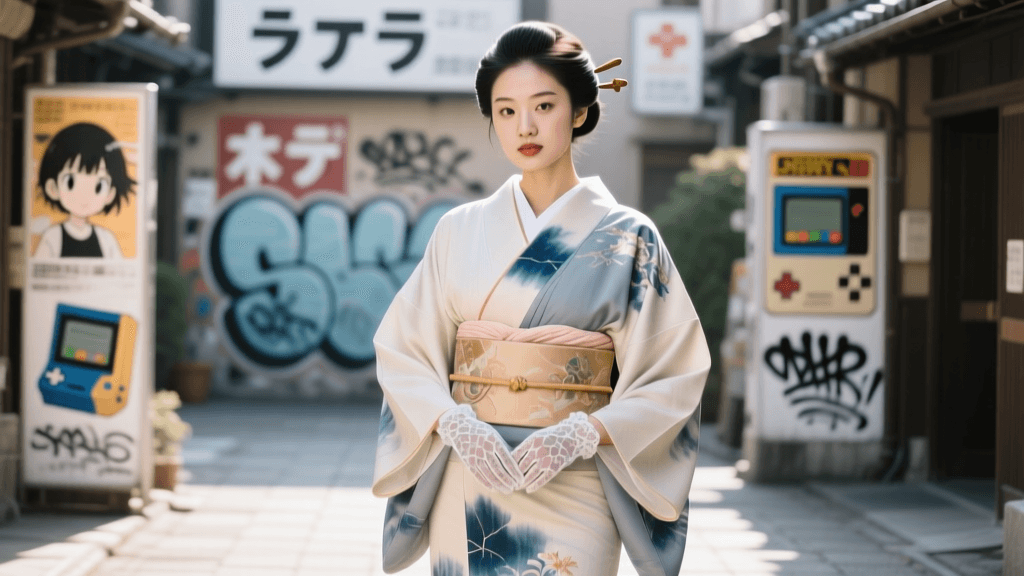
Note.com has become the Substack of Japan, hosting hundreds of independent fashion journalists. The 'Wafuku Collectives' tag is a goldmine for tracking grassroots trends. In 2026, independent writers are heavily focused on the furugi (secondhand) boom. Bloggers are publishing weekly price-watch guides for vintage kimono markets in Tokyo's Koenji and Shimokitazawa districts, noting that a high-quality, mid-century silk haori now averages between ¥8,500 and ¥15,000, reflecting a 20% increase in demand from international buyers.
3. Kaku Magazine Online: Redefining Menswear and Gender-Fluid Silhouettes
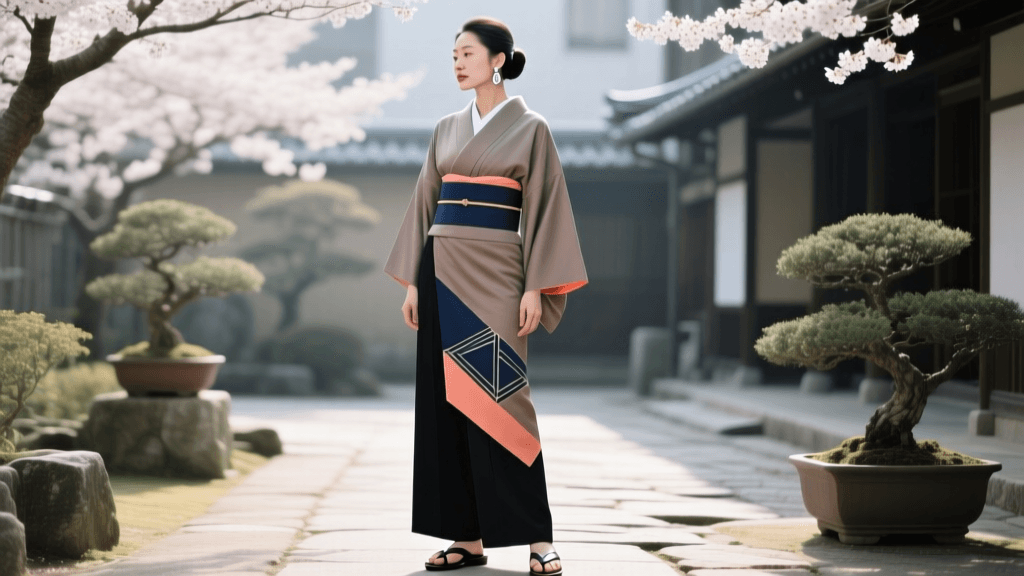
Traditional Japanese garments have historically been strictly gendered, but 2026 fashion journalism is actively dismantling these boundaries. Kaku Magazine leads this charge, focusing on the architectural silhouettes of the hakama (pleated trousers) and haori (jacket). Their recent editorial on 'The Architecture of Drape' explores how contemporary Japanese designers are pairing structured, traditional indigo-dyed samue with modern tech-wear sneakers, creating a hybrid aesthetic that is dominating Harajuku street style.
Key 2026 Trends Documented by Japanese Fashion Journalists
Reading these blogs reveals that the modernization of wafuku is not just about aesthetics; it is deeply tied to climate adaptation, sustainability, and technological integration.
Climate-Adaptive Wafuku and Summer Survival
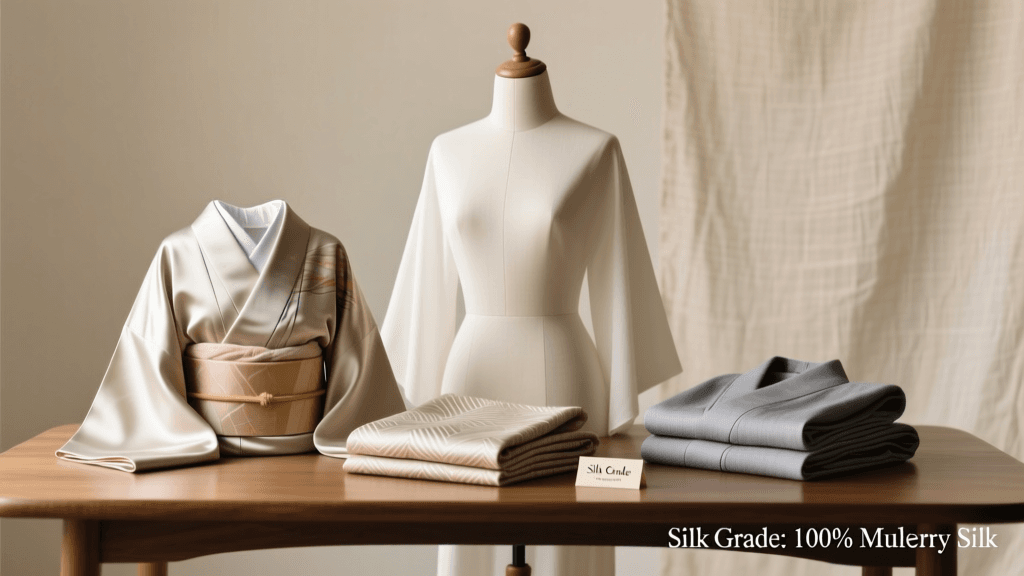
With Japanese summers growing increasingly unforgiving, fashion journalists have dedicated extensive coverage to weather adaptations. The Victoria and Albert Museum notes that the kimono's historical evolution has always been tied to seasonal shifts, and 2026 is no exception. Blogs are currently reviewing advanced cooling undergarments (juban) woven with phase-change materials (PCM) that actively draw heat away from the body. Furthermore, there is a massive surge in editorials comparing the breathability of traditional ro (leno weave) and sha (gauze) silks against modern shosen (synthetic washable silks) infused with xylitol cooling fibers.
The Secondhand and Upcycling Boom
Sustainability is a core pillar of 2026 Asian fashion journalism. Digital magazines are publishing step-by-step guides on upcycling damaged vintage kimono into modern garments, tote bags, and home textiles. Local initiatives supported by the Kyoto Traditional Industries Support Center are frequently highlighted by bloggers who champion the 'circular wafuku' economy. Journalists are actively promoting the deconstruction of unwearable vintage silk to be re-spun or used as patchwork for contemporary jinbei and casual summer wear.
'The kimono is no longer a relic to be preserved in a cedar chest; it is a living, breathing textile that must adapt to the climate and the conscience of the 2026 consumer.' — Excerpt from a viral Note.com editorial by textile journalist Yuki Tanabe, March 2026.
How to Navigate and Read Japanese Fashion Blogs
For non-Japanese speaking readers, accessing these rich digital archives can seem daunting. However, with the right tools and search strategies, you can tap into this wealth of knowledge.
- Master the Search Terms: To find authentic styling guides, use the term 着物 コーディネート (Kimono coordinate). For vintage market reports, search 古着 着物 相場 (Vintage kimono market price). For summer wear adaptations, use 夏着物 涼しい テクノロジー (Summer kimono cool technology).
- Utilize AI Browser Extensions: In 2026, browser-integrated AI translation tools have moved beyond literal translations to understand fashion-specific terminology. Extensions can now accurately differentiate between yuzen (resist dyeing) and tsujigahana (tie-dye and ink drawing) without context errors.
- Follow the Hashtags on X and Instagram: Japanese fashion journalists heavily utilize visual platforms to supplement their long-form blogs. Following tags like #和装 (Waso - Japanese dress) and #着物リメイク (Kimono Remake) will lead you directly to the digital portfolios of independent stylists and writers.
- Subscribe to RSS Feeds: Many independent writers on Note.com offer RSS feeds. Using a modern aggregator allows you to translate and read their weekly market analyses and styling guides in your native language the moment they are published.
The Future of Heritage Fashion Media
The role of Japanese fashion journalism in 2026 extends far beyond seasonal trend forecasting. These blogs and online magazines are acting as vital cultural archivists and innovators. By bridging the gap between centuries-old weaving cooperatives in rural Japan and the eco-conscious, tech-savvy consumer of the modern metropolis, digital journalists are ensuring that traditional Asian garments remain relevant, accessible, and profoundly beautiful for generations to come. Whether you are sourcing vintage textiles, studying traditional theater costumes, or simply looking for the perfect summer yukata, the digital archives of Japan's fashion press are your most valuable resource.