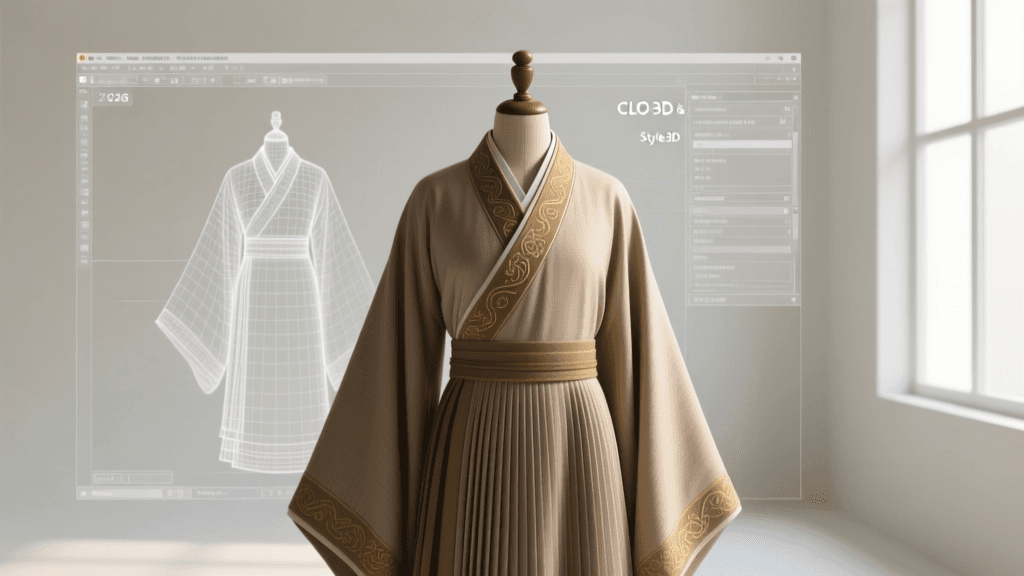
2026 Hanfu Guide: Dressing for Life Milestones & Rites
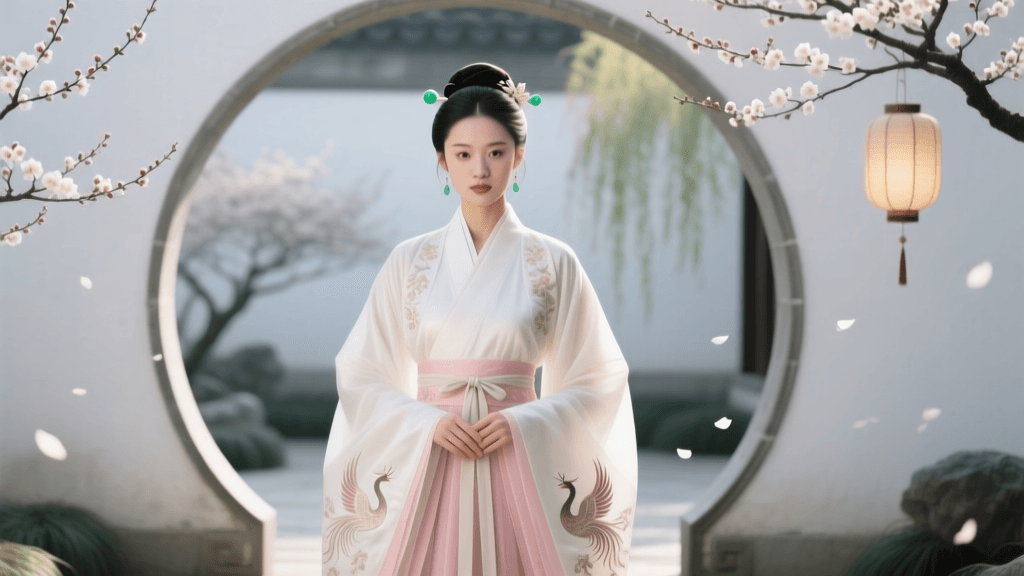
The Resurgence of Hanfu in 2026 Life Milestones
As we navigate through 2026, the global appreciation for traditional Asian garments has evolved significantly. The Hanfu movement has matured beyond casual streetwear and the everyday Xin Zhongshi (new Chinese style) aesthetic, firmly establishing itself as the premier choice for profound life milestones. Today, traditional Chinese clothing is not merely a fashion statement; it is a vital conduit for cultural continuity. From coming-of-age ceremonies to university graduations and elaborate traditional weddings, selecting the appropriate Hanfu requires a deep understanding of historical silhouettes, fabric drape, and ceremonial protocol.
This comprehensive guide explores how to curate, style, and wear Hanfu for life's most significant rites in 2026, ensuring your garments honor both historical authenticity and contemporary elegance.
The Revival of Traditional Coming-of-Age Rites
In ancient China, reaching adulthood was marked by deeply symbolic ceremonies. In 2026, we are witnessing a massive revival of these rites among young adults seeking to connect with their heritage. These ceremonies require specific layering techniques and garments that symbolize the transition from childhood to societal responsibility.
Guan Li: The Men's Capping Ceremony
Traditionally held at age 20, the Guan Li involves the addition of three different caps, each representing a higher level of societal duty. For the 2026 revival, the most historically accurate and visually striking base garment is the Shenyi (deep robe), specifically the straight-hem or curved-hem variations popular during the Han and Ming dynasties.
- First Addition: A simple linen or cotton robe paired with a black cloth cap, symbolizing the shedding of childhood.
- Second Addition: A leather or dark silk robe paired with a scholar's cap, representing the pursuit of education and martial virtue.
- Third Addition: A formal silk Bianfu or court-style robe with a formal爵弁 (noble cap), signifying readiness to participate in ancestral rites and civic duties.
Ji Li: The Women's Hairpin Ceremony
The Ji Li is the female equivalent, traditionally occurring at age 15 or upon engagement. The ceremony revolves around the San Jia (three additions) of clothing and hairpins. In 2026, the preferred silhouette for the final, most formal addition is the Daxiushan (large-sleeve robe) from the Tang and Song dynasties, or the elegant Ming Dynasty Aoqun (jacket and skirt).
'The hairpin is not merely an ornament; it is the physical manifestation of a woman's transition into the custodian of her family's cultural legacy.' — Journal of Asian Textile History, 2026 Edition
When sourcing a Daxiushan for a Ji Li ceremony, look for garments crafted from heavy silk brocade or Xiangyunsha (gambiered Guangdong gauze). The structural drape of these fabrics ensures the wide sleeves maintain their majestic arc during the ceremonial bowing sequences.
Hanfu for Traditional Weddings (Hunli)
The traditional Chinese wedding, or Hunli, remains the most elaborate milestone for Hanfu enthusiasts. While the Xin Zhongshi movement has introduced minimalist, modernized wedding separates for civil ceremonies, grand banquet weddings in 2026 are overwhelmingly dominated by Ming Dynasty aesthetics.
The Ming Dynasty Bridal Silhouette
The quintessential Ming bridal ensemble features the Fengguan Xiapei (phoenix coronet and cloud shoulders) paired with a Mang Pao (python robe) or a heavily embroidered Dahu and Mamianqun (horse-face skirt). According to historical textile archives at the Metropolitan Museum of Art, the Ming Dynasty silhouette remains the gold standard for ceremonial Chinese dress, characterized by its voluminous layers, rigid collars, and intricate woven gold motifs.
For the modern bride in 2026, bespoke Ming wedding sets utilize Zhuanghua (woven gold) techniques. A genuine, hand-loomed Mamianqun featuring auspicious motifs like dragons, phoenixes, and peonies can take up to three months to weave. When styling this ensemble, the bride must wear a specialized padded under-jacket to support the heavy Xiapei (ceremonial stole), which is weighted with jade or gold pendants at the hem to ensure it hangs perfectly straight during the tea ceremony.
The Tang Dynasty Alternative
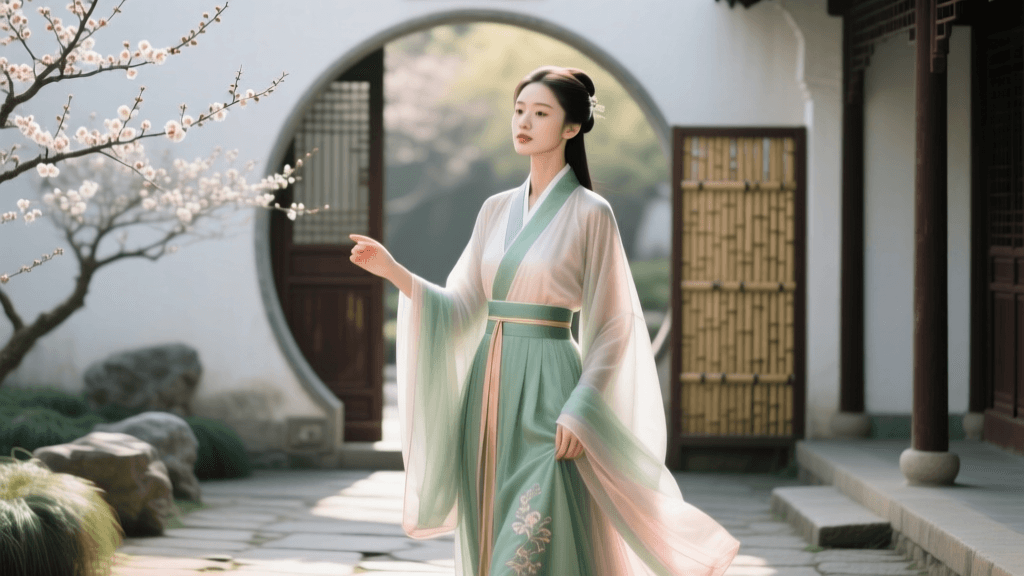
For couples desiring a more vibrant, romantic aesthetic, the Tang Dynasty Hongnan Shan (men's red robe) and Qixiong Ruqun (women's chest-high skirt) offer a stunning alternative. The 2026 market has seen a surge in lightweight, breathable silk organza interpretations of Tang wedding wear, making them ideal for outdoor, garden-style ceremonies in warmer climates.
Modern Milestones: University Graduations
One of the most exciting developments in 2026 is the integration of Hanfu into academic graduation ceremonies. Moving away from standard Western academic regalia, many universities across Asia—and international students globally—are adopting Xin Zhongshi graduation stoles and integrating traditional robes beneath their caps and gowns.
For male graduates, the Ming Dynasty Round-Collar Robe (Yuanlingpao) with a soft scholar's hat provides a dignified, historically grounded alternative to the mortarboard. Female graduates often opt for a tailored Song Dynasty Beizi (long open-front jacket) worn over a pleated skirt, offering a sleek, academic silhouette that photographs beautifully and respects the solemnity of the degree conferral.
2026 Fabric, Sizing, and Budget Guide
Purchasing milestone Hanfu requires careful budgeting and an understanding of modern textile markets. Below is a comparative guide to help you plan your 2026 investments.
| Milestone | Recommended Style | Primary Fabric | Key Accessories | 2026 Est. Cost (USD) |
|---|---|---|---|---|
| Guan Li (Men) | Shenyi / Bianfu | Raw Silk, Linen | Three ceremonial caps, jade belt | $250 - $600 |
| Ji Li (Women) | Daxiushan / Aoqun | Silk Brocade, Xiangyunsha | Gold hairpins, silk sash | $300 - $800 |
| Wedding (Ming) | Fengguan Xiapei | Zhuanghua (Woven Gold) | Phoenix coronet, weighted stole | $1,200 - $4,500+ |
| Graduation | Yuanlingpao / Beizi | Cotton-linen blends, Tencel | Scholar hat, Xin Zhongshi stole | $120 - $300 |
Note: Prices reflect the 2026 market for high-quality, authentic construction (e.g., flat-felled seams, natural fibers). Mass-produced synthetic costumes are cheaper but are strongly discouraged for sacred rites.
Sizing and Drape Analysis for Ceremonial Wear
Unlike Western formalwear, which relies on tailored darts and structured bodices, Hanfu achieves its silhouette through precise flat-cutting and strategic layering. For milestone ceremonies, the drape is paramount. A comprehensive understanding of historical tailoring, as detailed in Encyclopedia Britannica's guide to Chinese clothing, reveals that traditional garments utilize the natural width of the silk bolt (typically around 60cm) to dictate sleeve length and body volume.
When ordering bespoke milestone Hanfu in 2026, provide your maker with three crucial measurements beyond the standard bust, waist, and height:
- Arm Span (Wingspan): Crucial for determining if the sleeves will achieve the traditional 'returning the hand' length, where the cuff extends past the fingertips and is folded back.
- Shoulder Slope: Essential for the placement of the Xiapei and ensuring the collar lies flat against the clavicle without gaping.
- Ankle Clearance: For Mamianqun and long robes, the hem must hover exactly 2-3 centimeters above the ground when wearing your ceremonial footwear (such as traditional cloud-head shoes) to prevent tripping during the kneeling phases of the rites.
Preserving Your Milestone Garments
Because milestone Hanfu represents a significant financial and emotional investment, proper storage is non-negotiable. The heavy silk brocades and Xiangyunsha used in wedding and coming-of-age garments are susceptible to humidity and light damage.
In 2026, the best practice for long-term preservation involves wrapping the garments in unbleached, acid-free cotton muslin. Never use plastic garment bags, as they trap moisture and cause the natural silk proteins to degrade. Store the wrapped garments flat in cedar or paulownia wood chests, which naturally repel insects without the need for harsh chemical mothballs that could discolor the delicate woven gold threads. For heavily structured items like the Fengguan (phoenix coronet), utilize custom-carved archival foam inserts to support the delicate kingfisher-feather inlays and wirework.
Conclusion
Dressing for life's milestones in Hanfu is a profound act of cultural reclamation. Whether you are stepping into adulthood through the Guan Li, pledging your life in a Ming Dynasty Hunli, or walking across the graduation stage in a refined Xin Zhongshi ensemble, the garments you choose carry the weight of centuries. By prioritizing historical accuracy, investing in natural textiles, and respecting the ceremonial protocols of 2026, you ensure that your milestone is not just a personal triumph, but a beautiful continuation of Asian sartorial heritage.