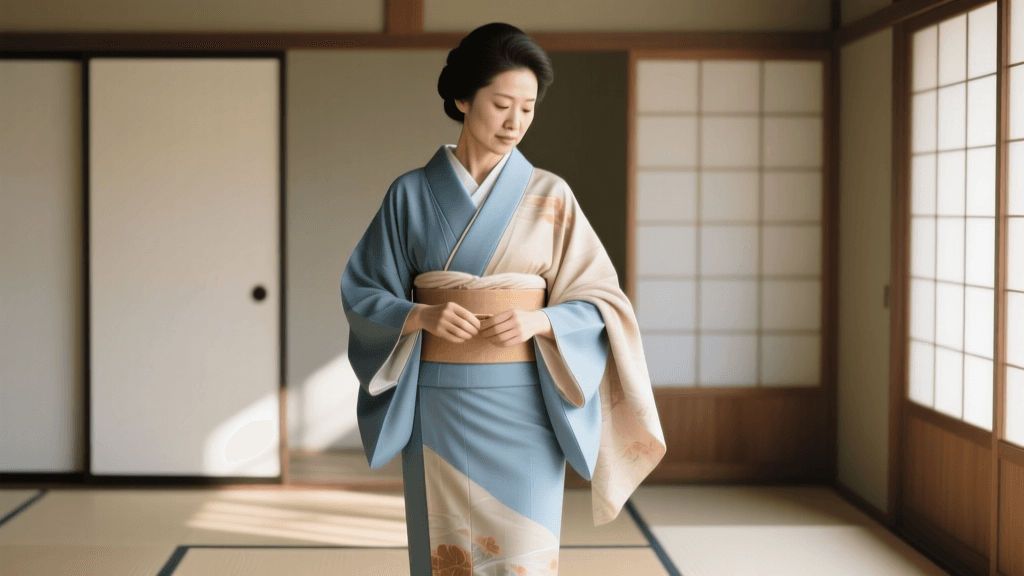
Mastering Kimono Layering: Seasonal Rules & Dressing Techniques
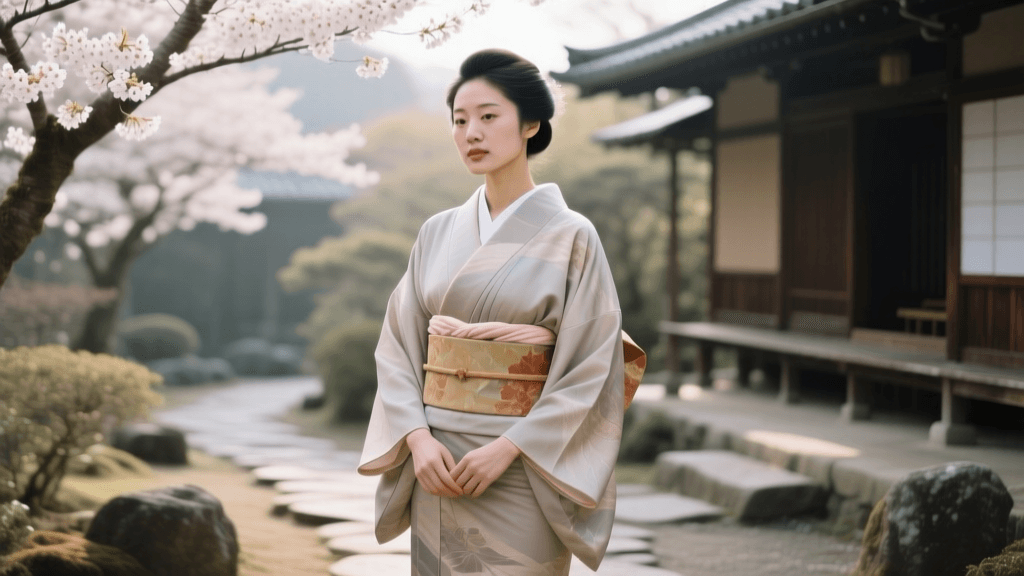
The Living Canvas: Introduction to Seasonal Kimono Dressing
The Japanese kimono is far more than a static, historical garment; it is a dynamic, living canvas that responds intimately to the turning of the seasons. Unlike Western fashion, which often dictates seasonal trends through color palettes and hemline shifts, traditional Japanese dress relies on a highly codified system of layering, fabric weights, and dressing techniques known as koromogae (衣替え). This system ensures that the wearer remains comfortable, culturally appropriate, and aesthetically aligned with nature throughout the year.
Mastering the art of kimono layering requires an understanding of both historical precedent and modern practicality. According to the Victoria and Albert Museum, the kimono's fundamental T-shaped structure is deceptively simple, yet it allows for profound versatility through the manipulation of undergarments, outer fabrics, and obi sashes. In this comprehensive guide, we will explore the precise rules of seasonal wear, the specific textiles required for different climates, and actionable dressing techniques—including exact measurements and modern layering hacks—to help you wear the kimono comfortably in any weather.
The Philosophy of Koromogae: Timing Your Wardrobe
Koromogae translates literally to 'changing of clothes.' Historically rooted in the Heian period (794–1185) court rituals, this practice dictates the exact dates when one should transition between winter, summer, and transitional garments. While modern climate control and global warming have prompted some flexibility, traditionalists and formal occasions still adhere to these guidelines:
- Winter (Awase): October 1st through May 31st.
- Summer (Ro/Sha): June 1st through August 31st.
- Transitional (Hitoe): May and September (though often extended based on local humidity and temperature).
As noted by the Metropolitan Museum of Art, the surface design and layering of the kimono reflect a deep reverence for the natural world, meaning that wearing a sheer summer kimono in autumn is considered a significant sartorial misstep, regardless of the actual temperature.
The Seasonal Kimono Matrix: Fabrics and Layers
To dress correctly, you must align your outer kimono, your juban (undergarment), and your obi (sash) with the season. Below is a structured guide to the standard layering matrix.
| Season | Months | Outer Kimono | Juban (Undergarment) | Obi Type | Collar Gap (Eri-nuki) |
|---|---|---|---|---|---|
| Winter | Nov - Apr | Awase (Lined Silk) | Lined Silk / Cotton | Fuku-obi (Lined Brocade) | 2 Fingers (~3.5 cm) |
| Summer | Jun - Aug | Ro / Sha (Sheer Gauze) | Ro, Sha, or Linen | Natsuki-obi (Sheer/Organza) | 4 Fingers (~6.5 cm) |
| Transitional | May, Sep | Hitoe (Unlined Silk) | Unlined Silk / Cotton | Hitoe-obi (Unlined Weave) | 3 Fingers (~5.0 cm) |
Summer Survival: Dressing Techniques for Heat and Humidity
Japanese summers are notoriously hot and humid. Wearing multiple layers of silk requires strategic ventilation and moisture management. The primary fabrics for summer are Ro (a leno weave with distinct horizontal gaps) and Sha (a plain gauze weave). These fabrics are highly translucent, meaning your undergarments (nagajuban) will be visible, turning them into a crucial part of the aesthetic.
Practical Summer Dressing Hacks
- The Suteteko (Leggings): To prevent sweat from damaging delicate silk kimonos, wear a pair of suteteko beneath your undergarment. These lightweight, breathable cotton or seersucker leggings absorb moisture and prevent the kimono from clinging to your legs. Cost: $15–$25 USD. Measurement: Ensure they end just below the knee to avoid visible lines beneath the kimono hem.
- Linen Juban: Swap traditional silk undergarments for a linen juban. Linen wicks moisture and dries rapidly. A high-quality linen juban costs between $80 and $150 USD but is a worthwhile investment for summer comfort.
- Eri-nuki (Collar Pulling): The gap between the nape of your neck and the kimono collar is essential for airflow. In summer, pull the collar back significantly. Measurement: Aim for a gap of exactly 4 fingers (approx. 6.5 cm) from the cervical vertebrae. This exposes the neck to breezes and creates an elegant, cooling silhouette.
- Obi Placement: Tie the obi slightly higher and tighter than in winter. This lifts the hem slightly off the ankles, allowing air to circulate up through the kimono's tubular structure.
Winter Warmth: Insulating Without Bulk
Winter kimono (awase) feature a silk lining, but silk alone is not enough to combat freezing temperatures, especially when walking outdoors. The challenge of winter kitsuke (dressing) is maintaining warmth without adding bulk that ruins the kimono's cylindrical silhouette.
Modern Layering and Insulation Techniques
- The Heattech Hada-juban: The innermost layer is the hada-juban. Modern wearers frequently substitute traditional cotton shirts with Uniqlo's Heattech line. Cost: ~$20 USD. Crucial Measurement: You must select a V-neck or scoop-neck Heattech shirt with a collarbone drop of at least 15 cm. If the neckline is too high, the modern thermal shirt will peek out from beneath the kimono collar, which is considered a major faux pas.
- Tabi Layering: Standard cotton tabi (split-toe socks) offer zero insulation. For winter, invest in wool-blend winter tabi or specialized thermal tabi liners. Cost: $35–$45 USD. They provide essential warmth while maintaining the crisp, white appearance required for formal wear.
- The Ohashori Tuck: The ohashori is the folded tuck at the waist used to adjust the kimono's length. In winter, pull the ohashori slightly tighter and flatter against the body. A loose, gaping ohashori allows cold wind to enter the torso cavity, whereas a tight fold traps body heat inside the lined layers.
- Kazuki and Haori: When outdoors, layer a haori (kimono jacket) or a kazuki (traditional shawl). Silk shawls lined with down or wool are popular modern adaptations that provide immense warmth without disrupting the obi knot.
Transitional Seasons: The Hitoe Challenge
May and September present the greatest challenge for kimono wearers. The weather can fluctuate wildly between chilly mornings and sweltering afternoons. The hitoe (unlined kimono) is the designated garment for these months. Because it lacks a lining, it drapes more fluidly and is lighter than the awase, but it is not sheer like the ro.
Dressing Technique: When wearing a hitoe, the choice of undergarment becomes a tool for temperature regulation. On a cool May morning, wear a standard cotton juban. If the afternoon becomes warm, the unlined nature of the hitoe allows heat to escape more easily than a lined winter kimono. Pair the hitoe with an unlined hitoe-obi, often woven from raw silk or lightweight cotton, to ensure the sash does not feel overly heavy or restrictive.
Seasonal Accessories: Obijime, Obidome, and Footwear
The rules of seasonal wear extend to the smallest accessories. The obijime (the decorative cord tied over the obi) and obidome (the ornamental clasp) must reflect the season not just in motif, but in material and thickness.
- Winter: Use thick, plush, or braided silk obijime. The visual weight of a thick cord complements the heavy brocade of a winter obi. Motifs should feature winter flora like camellia (tsubaki) or pine.
- Summer: Switch to thin, flat, or sheer obijime, often made from woven cellophane or lightweight rattan. These materials look visually 'cool' and do not trap heat against the stomach. Motifs should feature flowing water, goldfish, or morning glories.
- Footwear (Zori and Geta): Winter calls for zori with thick, plush brocade covers and deep, soft soles to insulate the feet from cold pavement. Summer requires geta (wooden clogs) or rattan-woven zori, which elevate the foot above the hot ground and allow air to circulate around the toes.
Conclusion
Dressing in a kimono is an exercise in mindfulness. By adhering to the principles of koromogae, you do more than protect yourself from the elements; you participate in a centuries-old dialogue between human craftsmanship and the natural environment. Whether you are adjusting your eri-nuki to catch a summer breeze or layering thermal wear beneath a winter awase, understanding these seasonal techniques ensures that your kimono experience is as comfortable as it is culturally authentic.