Seasonal Kimono Dressing: Awase, Hitoe, and Usumono
The Philosophy of Koromogae
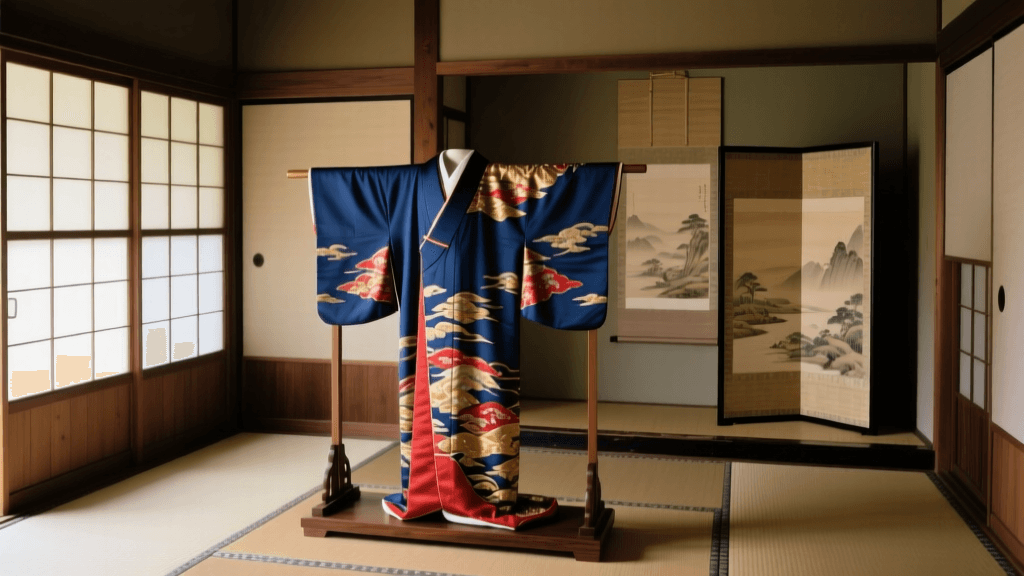
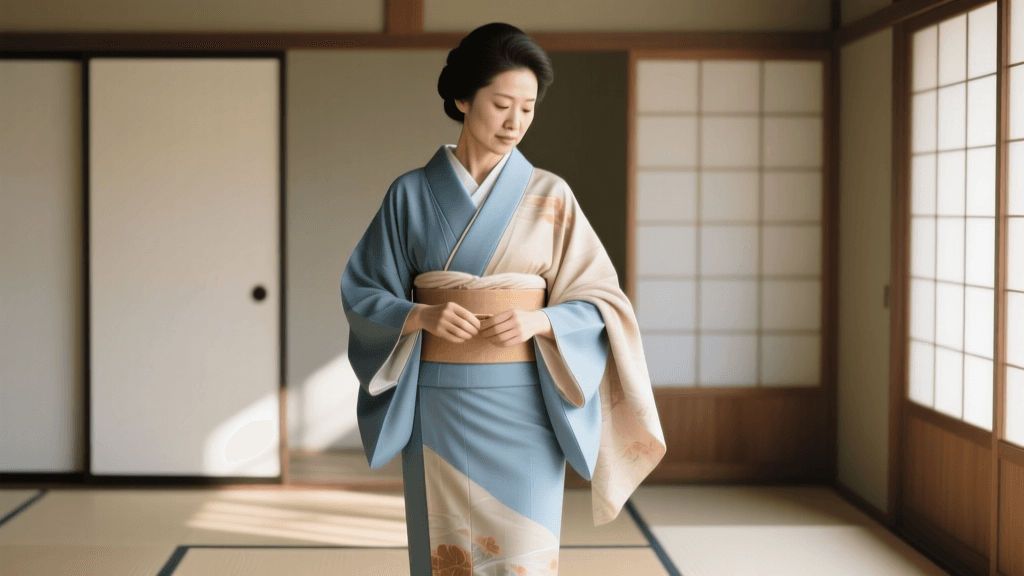
In Japanese culture, the transition of seasons is not merely a shift in weather, but a profound aesthetic and cultural event. This is most visibly expressed through the tradition of koromogae, the seasonal changing of the wardrobe. For kimono wearers, koromogae dictates strict rules regarding which garments, fabrics, and motifs are appropriate for specific times of the year. Understanding these seasonal transitions is essential for anyone practicing kitsuke (the art of kimono dressing). As noted by the Metropolitan Museum of Art, the kimono is a highly structured garment that reflects the wearer's social status, age, and, crucially, the exact time of year. This guide explores the practical dressing techniques, layering methods, and fabric choices for the three primary seasonal kimono categories: Awase, Hitoe, and Usumono.
The Seasonal Kimono Calendar
While modern climate control has blurred the lines of traditional dress codes, formal kimono etiquette still adheres to a specific calendar. The transition between garments is based on both temperature and the lunar calendar's historical influence.
| Season | Months | Garment Type | Avg Temp Range | Key Characteristics |
|---|---|---|---|---|
| Winter/Spring/Autumn | October 1 – May 31 | Awase (Lined) | 5°C to 22°C | Fully lined silk, layered undergarments, opaque fabrics. |
| Early Summer/Autumn | June 1 – June 30 / Sept 1 – Sept 30 | Hitoe (Unlined) | 20°C to 28°C | Unlined, breathable weaves like Tsumugi or Chirimen. |
| Mid-Summer | July 1 – August 31 | Usumono (Sheer) | 28°C to 35°C+ | Translucent leno weaves (Ro, Sha), cooling undergarments. |
Awase (Lined Kimono): Autumn, Winter, and Spring
The Awase kimono is the cornerstone of the Japanese wardrobe, worn for eight months of the year. It consists of an outer silk layer and an inner lining, typically made of habutaekitsuke for Awase focuses on insulation, silhouette management, and formal layering.
Winter Kitsuke: Managing Bulk and Warmth
Dressing in an Awase kimono during the freezing months of January and February requires strategic layering without compromising the kimono's elegant, cylindrical silhouette. The standard undergarment stack includes a hadajuban (undershirt) and a susoyoke (half-slip). For winter, practitioners often swap standard cotton for thermal blends or traditional quilted hanten under-layers.
Padding and Silhouette: The modern kimono silhouette demands a flat, tubular shape. To achieve this while staying warm, dressers use a kimono bra (approx. $25-$40 USD) to flatten the bust, followed by bust pads and waist towels wrapped tightly with a date-jime (wide under-sash). In winter, thicker terry-cloth towels are preferred for both insulation and padding. The koshi-himo (tying sashes) should be tied firmly but comfortably to support the weight of the lined garment and the heavy winter obi.
Outerwear Integration: When stepping outside, an Awase kimono is paired with a haori (hip-length jacket) or a michiyuki (overcoat). The haori is left open to display the obi, while the michiyuki is buttoned at the neck to trap heat. A kaitori (shawl) made of silk or cashmere is draped over the shoulders, secured with a decorative brooch.
Hitoe (Unlined Kimono): The Transitional Months
June and September are the transitional months of koromogae, marked by high humidity and fluctuating temperatures. The Hitoe kimono is entirely unlined, allowing for greater airflow and a lighter drape. Fabrics typically include tsumugi (slubbed silk pongee) or chirimen (silk crepe).
Transitional Dressing Techniques
The primary challenge of dressing in a Hitoe is managing the humidity of the Japanese rainy season (tsuyu) in June. Silk crepe can cling to the skin when damp, making the choice of undergarments critical.
- The Asa Juban: Instead of silk or cotton, wearers switch to an asa (hemp or linen) nagajuban (full under-kimono). Hemp is naturally moisture-wicking and dries rapidly. A high-quality vintage asa juban can cost between $80 and $150 USD, while modern custom pieces can exceed $300 USD.
- Collar Adjustment (Nuki-eri): The nuki-eri (the drop of the collar at the back of the neck) is traditionally set to the width of one fist (approx. 8-10 cm). During the Hitoe season, dressers may pull the collar back slightly further—about 1.5 fists—to allow heat to escape from the nape of the neck, a major cooling point for the human body.
- Obi Selection: Heavy brocade maru obi or fukuro obi are swapped for lighter nagoya obi made of unlined silk or woven linen, reducing the thermal burden on the lower back and core.
Usumono (Sheer Summer Kimono): Beating the Heat
July and August demand the Usumono, a category of sheer, translucent garments woven using leno or gauze techniques. The two most prominent fabrics are Ro (which features distinct horizontal ribbing and sheer stripes) and Sha (a lighter, more uniformly sheer gauze). According to the Victoria and Albert Museum, the aesthetic of summer kimono relies heavily on the visual cooling effect of the motifs—such as flowing water, bamboo, or goldfish—and the translucent quality of the fabric itself.
Summer Dressing Techniques (Natsu-gimo)
Dressing in Usumono requires a specialized technique known as natsu-gimo (summer dressing), which prioritizes ventilation above all else.
1. The Cooling Undergarment Stack:
Because the outer kimono is sheer, the undergarments are fully visible. The nagajuban must also be made of Ro or Sha. However, to combat extreme heat, modern practitioners often utilize Coolcore or Q-Tech synthetic cooling fabrics for the hadajuban and koshimaki (waist wrap). These modern textiles lower skin temperature by 1-2°C upon contact with sweat. For purists, a sheer hemp koshimaki is the traditional standard.
2. The Airflow Tying Method:
When tying the koshi-himo (sashes) in summer, dressers use a technique that creates a slight gap between the kimono and the body. By tying the sashes slightly looser over the hips and using a breathable, mesh date-jime, air is allowed to circulate up through the hem and out through the collar.
3. Visual Transparency Management:
Because Ro and Sha are translucent, the placement of the obi-ita (obi board) must be carefully managed. Dressers use a summer-specific obi-ita made of bamboo slats or breathable mesh rather than solid felt, preventing sweat buildup while ensuring the sash remains crisp and unwrinkled.
Essential Seasonal Accessories: A Practical Buyer's Guide
Beyond the main garment, every accessory in kitsuke is subject to the rules of koromogae. Below is a practical guide to seasonal accessories, including materials and estimated market costs for vintage and new items.
- Tabi (Split-toe Socks): In winter, wearers opt for thick, quilted cotton or wool-blend tabi ($25-$40). In summer, sheer Ro tabi or unlined linen tabi are mandatory to prevent overheating ($30-$50).
- Obi-jime (Decorative Cord): Winter calls for thick, plush, braided silk cords. Summer requires thin, flat, or sheer organza cords that visually and physically lighten the waist.
- Uchiwa and Sensu (Fans): A rigid uchiwa fan is a quintessential summer accessory, often tucked into the left side of the obi. While primarily decorative in formal settings, it serves as a vital personal cooling tool during outdoor summer festivals (matsuri).
- Footwear (Zori and Geta): Winter zori feature thick, covered soles and are worn with plush zori covers. Summer footwear shifts to bare wood geta or woven rush-grass zori, which elevate the foot above the hot pavement and allow air to circulate around the toes.
Conclusion
Mastering the seasonal transitions of Awase, Hitoe, and Usumono elevates the practice of kimono dressing from mere clothing to an immersive cultural experience. By adjusting your layering techniques, selecting appropriate breathable fabrics, and utilizing strategic padding and airflow methods, you can wear the kimono comfortably and authentically year-round. Whether you are braving the January frost in a lined silk Awase or navigating the August humidity in a sheer Ro kimono, respecting the rhythm of koromogae ensures you remain in perfect harmony with the natural world.