Top Kimono Museums and Heritage Exhibitions in Japan
Preserving the Threads of Japanese History
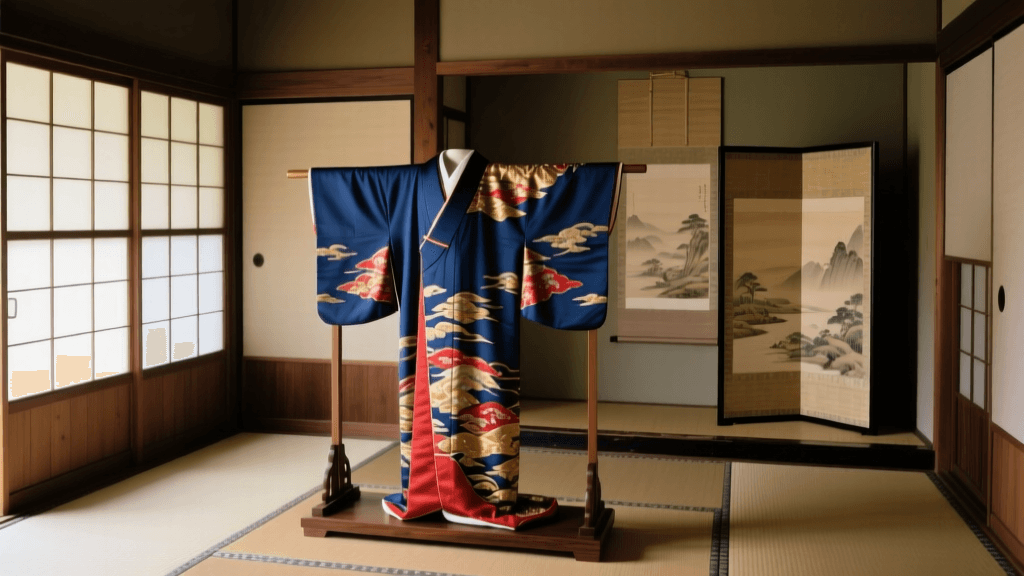
The Japanese kimono is far more than a traditional garment; it is a wearable canvas that reflects centuries of artistic evolution, social hierarchy, and technical mastery in textile production. From the intricate silk weaves of the Nishijin district to the delicate hand-painted Yuzen dyeing techniques, the kimono encapsulates the aesthetic soul of Japan. However, because these garments are crafted from organic materials like silk, hemp, and cotton, they are highly susceptible to environmental degradation. This makes the role of kimono museums, heritage sites, and specialized exhibitions absolutely critical in preserving Japan's sartorial legacy for future generations.
For textile enthusiasts, fashion historians, and cultural travelers, visiting these institutions offers an unparalleled opportunity to witness the transition from the ancient kosode (small-sleeved garment) to the modern kimono. This comprehensive guide explores the premier kimono and textile museums in Japan, the science behind their preservation efforts, and practical advice for planning your cultural fashion itinerary.
Premier Kimono and Textile Museums in Japan
While many local history museums across Japan feature small textile sections, a select few institutions hold world-class collections of historical garments, Noh theater costumes, and aristocratic robes. These museums not only display the garments but also provide deep context regarding the weaving, dyeing, and embroidery techniques that defined different historical eras.
Tokyo National Museum (Ueno, Tokyo)
Located in the sprawling Ueno Park, the Tokyo National Museum is Japan's oldest and most prestigious national museum. The Honkan (Japanese Gallery) dedicates significant space to the decorative arts, including a specialized textile gallery that rotates its collection to prevent light damage. Visitors can expect to see exquisite Edo-period kosode featuring luxurious gold leaf application (surihaku) and intricate silk embroidery. The museum's collection is particularly strong in showcasing the garments of the samurai class and the wealthy merchant class (chonin) of the Edo period, highlighting how sumptuary laws influenced the subtle, hidden luxuries of the era, such as the lavish linings of otherwise modest-looking outer garments.
Kyoto National Museum (Higashiyama, Kyoto)
Kyoto, the ancient capital and the historical heart of Japan's textile industry, is home to the Kyoto National Museum. This institution is indispensable for those interested in the aristocratic fashions of the Heian and Muromachi periods. The museum frequently hosts special exhibitions focusing on the intersection of courtly life and textile arts. Here, you can observe the evolution of the twelve-layered robe (junihitoe) and the sophisticated color layering (kasane no irome) that was central to Heian-era aesthetics. The museum's proximity to historic temples and shrines also means it often collaborates on exhibitions featuring sacred textiles and imperial donations, providing a holistic view of Kyoto's textile heritage.
Nomura Museum (Kanazawa, Ishikawa)
While Kanazawa is famous for its gold leaf and lacquerware, the Nomura Museum holds one of the most significant private collections of Japanese textiles in the country. The museum's collection originates from the Maeda clan, the powerful feudal lords (daimyo) who ruled the Kaga domain. The Nomura Museum is particularly renowned for its breathtaking collection of Noh theater costumes (karaori and chosoku), which share a deep structural and aesthetic lineage with the kimono. The heavy, opulent brocades and the dramatic use of metallic threads in these garments offer a fascinating contrast to the more subdued, everyday wear of the same period. The museum's intimate setting allows for an incredibly detailed viewing experience of these masterpieces.
The Science of Textile Preservation and Exhibition
Understanding how these museums operate enhances the visitor experience. Historical silk garments are incredibly fragile. The proteins in silk fibers break down when exposed to ultraviolet light, high humidity, and fluctuating temperatures. Therefore, museums employ rigorous environmental controls to ensure these artifacts survive for centuries.
Lighting and Climate Control
When you walk into a textile gallery, you will immediately notice the dim lighting. This is not for dramatic effect; it is a strict conservation measure. Museums typically limit light exposure to 50 lux or less for dyed and embroidered silks. Furthermore, the climate is tightly regulated, usually maintaining a relative humidity of around 50% to 55% and a stable temperature of approximately 20°C (68°F). This prevents the silk fibers from becoming brittle or, conversely, fostering mold growth.
The Art of Rotation and Mushi-boshi
Because prolonged exposure to even low light causes cumulative damage, museums rarely display the same garment for more than one to three months. This constant rotation means that repeat visitors will almost always see new pieces. Additionally, many institutions participate in or publicly demonstrate mushi-boshi, the traditional late-autumn ritual of airing out textiles. During this time, garments are carefully unfolded, inspected for pests or structural weaknesses, and allowed to breathe in controlled environments before being repacked in acid-free paulownia wood boxes for the winter.
Museum Comparison and Visitor Guide
To help you plan your textile-focused journey through Japan, the following table compares the key features of the premier institutions discussed above. For broader travel logistics and regional transit information, the Japan National Tourism Organization provides excellent resources for navigating between these cultural hubs.
| Museum Name | Location | Standard Admission | Primary Textile Highlight | Recommended Visit Duration |
|---|---|---|---|---|
| Tokyo National Museum | Ueno, Tokyo | 1,000 JPY | Edo-period Kosode & Samurai garments | 3 - 4 Hours |
| Kyoto National Museum | Higashiyama, Kyoto | 700 JPY | Heian Aristocratic Robes & Sacred Textiles | 2 - 3 Hours |
| Nomura Museum | Kanazawa, Ishikawa | 700 JPY | Maeda Clan Noh Costumes & Brocades | 1.5 - 2 Hours |
Practical Advice and Etiquette for Textile Exhibitions
Visiting a museum that houses fragile historical garments requires adherence to specific etiquette to ensure the preservation of the collection. Here is a structured list of actionable advice for your visit:
- Photography Rules: Flash photography is universally banned in Japanese museums, as the intense burst of light accelerates the degradation of natural dyes. In special exhibition rooms, photography of any kind may be strictly prohibited. Always look for the camera icon at the entrance of each specific gallery.
- Bag Checks and Cloakrooms: Large bags, backpacks, and umbrellas must be checked in at the cloakroom. This prevents accidental brushing against display cases or, in the worst-case scenario, knocking over freestanding mannequins. Use the provided lockers or staffed coat checks.
- Timing Your Visit: To avoid crowds and secure a close-up view of the intricate embroidery and weaving techniques, visit on weekday mornings right at opening time. Special exhibitions (tokubetsu-ten) draw massive crowds on weekends and national holidays.
- Audio Guides and Catalogs: Invest in the English audio guide or purchase the exhibition catalog (tenji zuroku). The catalogs are often published in bilingual formats and contain high-resolution macro photography of the textile details that are impossible to see with the naked eye through the display glass.
- Viewing Distances: Never lean on the display glass. The oils from your skin can smudge the glass, and the physical pressure can compromise the seals of the climate-controlled cases. Maintain a respectful distance to allow ambient lighting to reveal the metallic threads and subtle dye gradients.
Beyond the Glass: Engaging with Living Traditions
While museums preserve the past, the kimono is also a living tradition. Many heritage sites and museum districts offer opportunities to engage with contemporary artisans. In Kyoto, visitors can explore the Nishijin Textile Center to watch active weaving on traditional looms, bridging the gap between the historical garments seen in the Kyoto National Museum and the modern production of obi sashes. Similarly, in Kanazawa, the Kaga Yuzen Kimono Center allows visitors to observe the meticulous hand-painting and gold-leaf application processes that define the region's iconic style.
Conclusion
Exploring Japan's kimono museums and heritage exhibitions is a profound journey through the nation's artistic and social history. From the opulent brocades of the Maeda clan in Kanazawa to the refined elegance of Edo-period kosode in Tokyo, these institutions safeguard the tangible threads of Japanese culture. By understanding the meticulous preservation science behind these exhibitions and approaching your visits with mindful etiquette, you contribute to the ongoing protection of these masterpieces. Whether you are a dedicated textile scholar or a curious traveler, the quiet, dimly lit galleries of Japan's textile museums offer a timeless encounter with the pinnacle of Asian sartorial art.