Xin Zhongshi 2026: Modern Mamianqun Capsule Wardrobe Guide
The Evolution of Xin Zhongshi in 2026
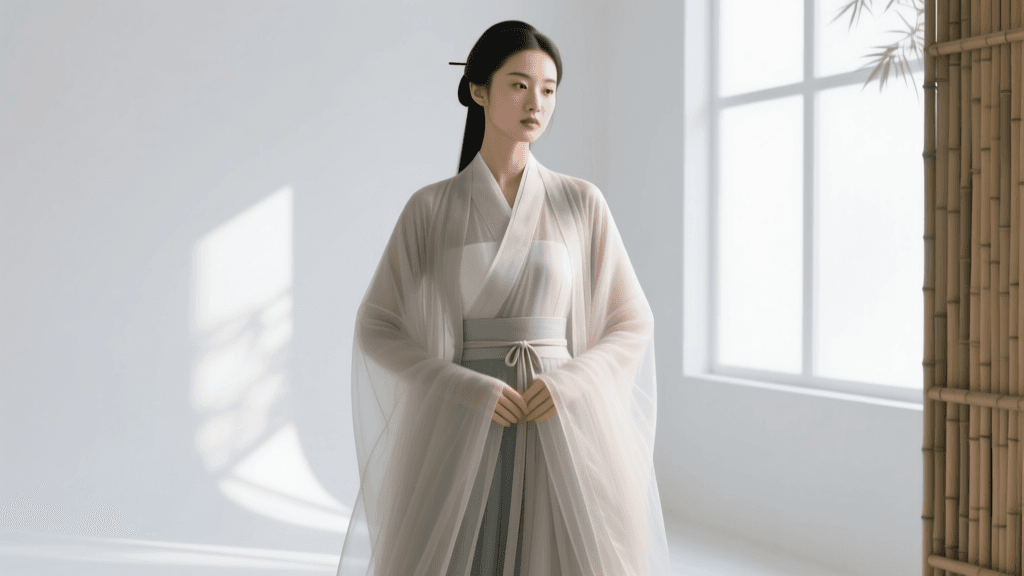
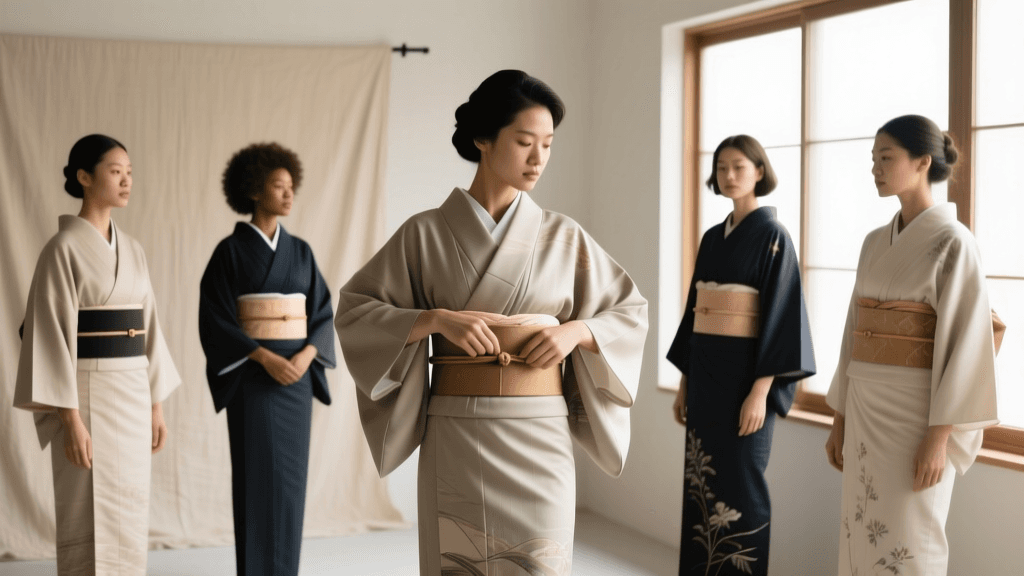
The Xin Zhongshi (新中式), or "New Chinese Style," movement has definitively transitioned from a viral social media aesthetic to a cornerstone of global contemporary fashion in 2026. No longer confined to ceremonial wear, historical replicas, or niche subcultures, today's Xin Zhongshi integrates centuries-old sartorial philosophies with the pragmatic demands of modern urban life. For the discerning wardrobe curator, this means investing in heritage textiles that offer both cultural resonance and everyday versatility. As international design weeks in Shanghai and Paris continue to showcase Sino-centric silhouettes, the focus has shifted toward wearability, sustainable heritage crafts, and the mindful integration of traditional garments into a modern capsule wardrobe.
The Renaissance of the Mamianqun (Horse-Face Skirt)
The Mamianqun, historically known as the "horse-face skirt," is the undisputed centerpiece of the 2026 Xin Zhongshi wardrobe. According to historical textile archives and modern fashion analyses documented by Wikipedia's comprehensive guide to the Mamianqun, the skirt features two flat, overlapping panels (the "horse faces") at the front and back, separated by intricately pleated sides. This ingenious design allowed for ease of movement while horseback riding in ancient times, and today, it provides a striking, architectural drape that flatters a multitude of body types.
In 2026, designers have revolutionized the Mamianqun for the modern professional. Instead of heavy, floor-sweeping brocades that drag on city pavements, contemporary iterations utilize high-twist crepe, lightweight jacquard blends, and even wrinkle-resistant technical fabrics. When shopping for a modern Mamianqun, look for skirts with a 65cm to 75cm length (a versatile midi cut) and 4cm knife pleats. These dimensions maintain the skirt's structural integrity and signature swing without adding unnecessary bulk to the hips. Pair a solid-colored, deep jade or navy Mamianqun with a fine-gauge merino wool turtleneck in the winter, or a crisp, oversized poplin button-down in the summer for a seamless blend of East and West.
Xiangyunsha Silk: The Ultimate Heritage Outerwear
For outerwear, Xiangyunsha (Gambiered Canton Gauze) remains the pinnacle of luxury and wellness-focused dressing. Recognized for its complex, eco-friendly dyeing process involving river mud and the juice of the Dioscorea cirrhosa tuber, this silk is naturally antibacterial, exceptionally breathable, and develops a beautiful patina over time. The UNESCO Intangible Cultural Heritage list highlights the profound historical significance of traditional Chinese sericulture and silk craftsmanship, of which Xiangyunsha is a crowning achievement.
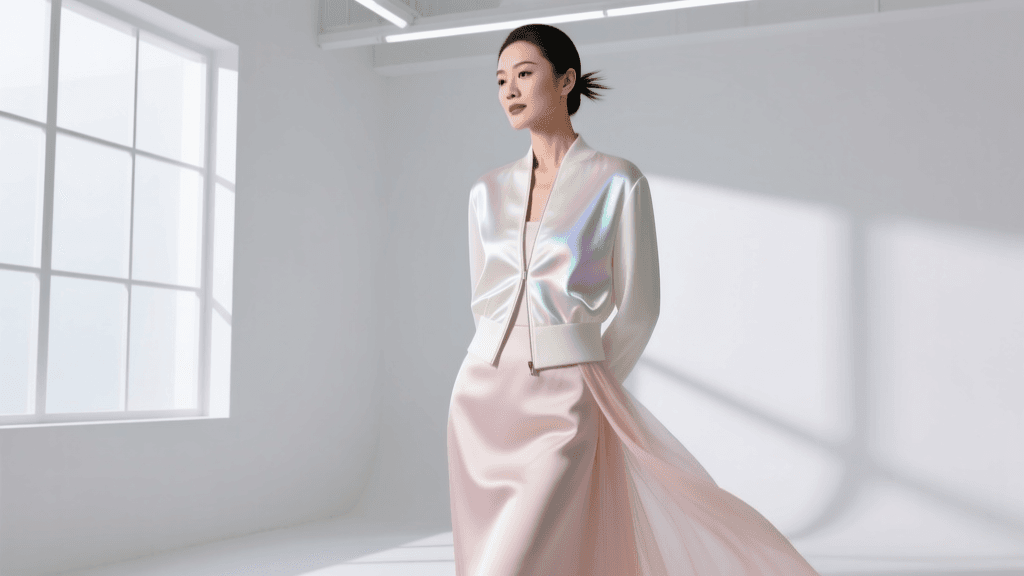
In 2026, Xiangyunsha is being tailored into structured, minimalist bomber jackets, collarless blazers, and lightweight trench coats. The fabric's signature dual-tone finish—a rich, dark umber on the outside and a warm, golden-brown on the inside—adds an element of quiet luxury to any outfit. Because the mud-coating process gives the silk a slightly crisp, paper-like hand feel, it holds tailored shapes beautifully, making it an ideal alternative to traditional wool or synthetic blazers for business-casual environments.
2026 Xin Zhongshi Capsule Wardrobe Matrix
Building a cohesive capsule wardrobe requires balancing statement heritage pieces with modern basics. Below is a strategic matrix for curating your 2026 Xin Zhongshi collection, complete with current market pricing and care protocols.
| Garment Type | 2026 Fabric Innovation | Best Occasion | Care Protocol | Est. Price (USD) |
|---|---|---|---|---|
| Modern Mamianqun | Wrinkle-resistant poly-viscose jacquard | Office, Travel, Smart-Casual | Machine wash cold, hang dry | $85 - $160 |
| Xiangyunsha Blazer | Mud-dyed mulberry silk with linen lining | Business, Gallery Openings, Dining | Spot clean or specialized silk dry clean | $350 - $600 |
| Song Brocade Vest | Lightweight metallic-thread Song brocade | Layering, Evening Events | Steam lightly, store flat | $120 - $250 |
| Bambl-Cotton Shirt | Organic bamboo-cotton with hidden Pan Kou | Everyday Wear, Wellness Retreats | Machine wash gentle, tumble dry low | $45 - $90 |
Pan Kou Hardware and Modern Tailoring
The traditional Pan Kou (knotted button) is a defining hallmark of Chinese garment construction, historically used to fasten the mandarin collars and side openings of jackets. In 2026, the Pan Kou has evolved from a purely functional element to a focal point of modern hardware design. Contemporary Xin Zhongshi brands are integrating hidden magnetic clasps beneath decorative Pan Kou, preserving the intricate knotwork aesthetic without the fiddly fastening process of the past.
Furthermore, artisans are experimenting with new materials for the knots themselves. While traditional silk-wrapped cord remains popular for formal wear, everyday 2026 collections feature Pan Kou crafted from carved jade, brushed brass, and even sustainable bio-resins. When selecting a jacket or blouse, look for reinforced stitching around the knot bases, as the tension from modern, faster-paced movement can cause traditional thread-wrapping to unravel if not properly secured.
Fabric Drape Analysis and the Philosophy of "Liubai"
A critical component of the Xin Zhongshi deep dive is understanding fabric drape and the traditional Chinese aesthetic philosophy of Liubai (留白), which translates to "leaving blank space." In visual arts, Liubai refers to the intentional use of negative space to create balance and harmony. In fashion, this translates to the structural ease and relaxed drape of the garments.
Unlike Western tailoring, which often relies on darts and seams to contour the fabric tightly to the body, traditional Chinese cutting utilizes flat-pattern drafting. The fabric is allowed to fall naturally, creating fluid, architectural lines that move with the wearer. In 2026, this approach is highly prized in the wellness and slow-fashion communities. The physical ease of a flat-cut Xiangyunsha coat or a wide-sleeved linen tunic promotes better circulation, prevents restriction, and aligns with mindfulness practices. The "Song" (relaxed, flowing) drape is not merely a stylistic choice; it is a wearable philosophy that encourages the wearer to occupy space gracefully and comfortably.
Storage and Maintenance of Heritage Silks
Investing in authentic Xin Zhongshi pieces requires a commitment to proper garment care, particularly for heritage textiles like Xiangyunsha and Song brocade. The mud-dyeing process of Xiangyunsha makes it uniquely durable, yet it remains sensitive to harsh alkaline detergents and prolonged UV exposure, which can cause the dark umber color to fade unevenly.
- Hanging vs. Folding: Never use wire hangers for heavy brocades or delicate silks. Use wide, padded wooden hangers to support the shoulder seams of Xiangyunsha jackets. For Mamianqun skirts, hang them by the waistband using clip hangers with felt pads to prevent creasing the flat panels.
- Climate Control: Store heritage garments in a cool, dry environment. Use acid-free tissue paper to stuff the sleeves of blazers and the pleats of skirts during long-term storage to maintain their architectural shapes.
- Pest Prevention: Avoid chemical mothballs, which can react with natural dyes and leave an overpowering odor. Instead, use natural cedar blocks or dried lavender sachets, replenishing them every six months to protect your organic silks and cottons.
Sourcing Authentic Pieces in the Global Market
As the global appetite for Asian traditions grows, the market has seen an influx of mass-produced imitations. To ensure you are purchasing authentic Xin Zhongshi garments that support traditional artisans, look for brands that provide transparency regarding their supply chains and intangible cultural heritage certifications. As noted by Vogue's coverage of the traditional Chinese clothing movement, modern consumers are increasingly prioritizing cultural authenticity and artisan craftsmanship over fast-fashion approximations.
In 2026, the most reputable brands offer detailed breakdowns of their weaving techniques, dyeing processes, and the specific regions where their textiles are milled. Whether you are investing in a daily-wear Mamianqun or a museum-quality Xiangyunsha coat, embracing the Xin Zhongshi movement is a profound way to weave the rich, enduring narrative of Asian traditions into the fabric of your everyday life.