Hanfu Layering Guide: Undergarments and Structural Basics
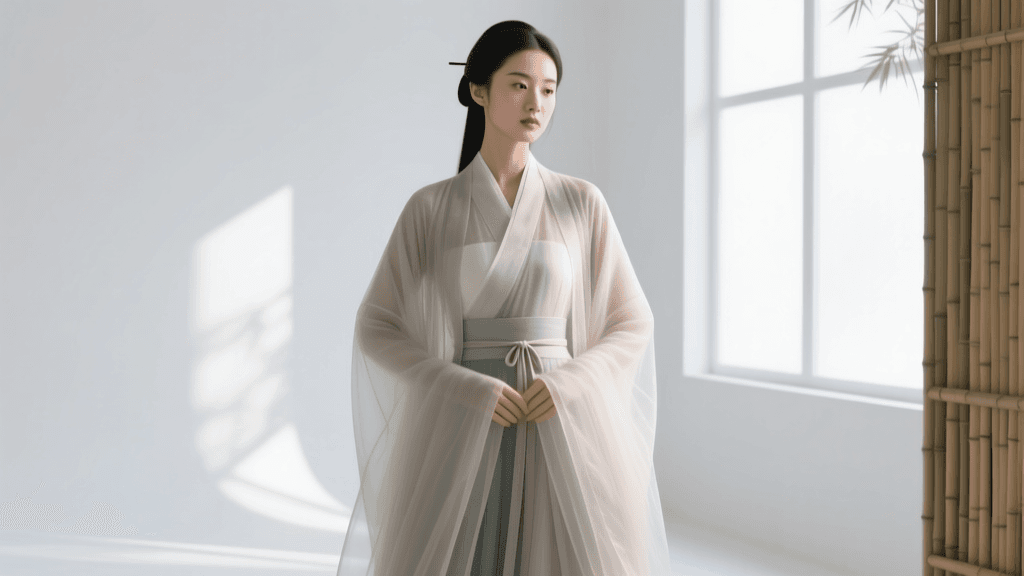
The Hidden Architecture of Traditional Hanfu
When enthusiasts first discover the beauty of traditional Chinese clothing, the focus is almost exclusively placed on the sweeping sleeves and embroidered outer robes. However, the true elegance and historical accuracy of Hanfu do not come from the outermost layer alone. The structural integrity, drape, and modesty of the garment rely entirely on its foundational layers: the undergarments and middle clothes. Understanding the structural basics of Hanfu layering is essential for anyone looking to transition from wearing a costume to embodying a living cultural tradition.
Unlike modern Western fashion, which relies on darts, seams, and tailoring to hug the contours of the body, traditional Hanfu is constructed from flat, geometric panels of fabric. The silhouette is created not by the cut of the cloth, but by the friction, weight, and volume generated through meticulous layering. This guide explores the essential undergarments and structural basics required to achieve an authentic Hanfu silhouette.
The Three-Tier Layering System
Historically, a complete Hanfu ensemble is divided into three primary tiers: Neiyi (inner garments), Zhongyi (middle garments), and Waiyi (outer garments). Each tier serves a distinct functional and aesthetic purpose, working together to protect the skin, preserve expensive textiles, and create the iconic flowing lines of traditional Chinese dress.
1. Neiyi: The Base Layer
The Neiyi represents the innermost layer, functioning similarly to modern underwear. In ancient times, this included garments like the Dudou (a diamond-shaped halter top) or simple linen wraps. For the lower body, Ku (loose-fitting trousers) were worn to protect the outer skirts from friction and sweat.
Practical Advice: For modern wearers, strict historical accuracy in the Neiyi layer is often sacrificed for comfort and practicality. A seamless, neutral-toned modern camisole and breathable cotton shorts or leggings are widely accepted within the Hanfu community as functional substitutes. The primary rule for the Neiyi is that it must remain entirely invisible beneath the subsequent layers.
2. Zhongyi: The Structural Anchor
The Zhongyi (middle clothes) is the most critical structural layer in Hanfu. It acts as a buffer between the body's oils and the delicate, often heavily embroidered outer robes. Traditional silk weaving and sericulture are foundational to these outer garments. As recognized by UNESCO's Intangible Cultural Heritage registry, the craftsmanship of Chinese silk dictates how outer layers drape, making the protective inner layers vital for preserving these delicate, historically significant textiles.
The standard Zhongyi consists of a cross-collared top (Zhongyi) and a matching skirt or trousers (Zhongqun or Zhongku). The collar of the Zhongyi is designed to peek out precisely 1 to 2 centimeters above the outer robe. This creates the iconic layered "Y" shape at the neckline, framing the face and adding visual depth to the ensemble.
3. Waiyi: The Outer Expression
The Waiyi includes the visible robes, jackets, and skirts, such as the Ruqun, Shenyi, or Yuanlingpao. The outer layer relies on the Zhongyi to provide the necessary friction to keep the cross-collars in place and to add volume to the waist, allowing the sashes to tie securely without slipping.
Structural Basics: Mastering the Jiaoling Youren
The most defining structural rule of Hanfu is Jiaoling Youren, which translates to "crossed collar, right lapel." This means the left side of the collar must always cross over the right side, forming a "y" shape that mirrors the right hand resting over the left in traditional greeting etiquette.
Achieving a crisp, flawless Jiaoling Youren across multiple layers requires specific structural techniques:
- The Collar Gap: The inner Zhongyi collar should sit snugly against the base of the neck, while the outer Waiyi collar sits slightly lower, revealing the inner layer.
- Internal Ties: Authentic Hanfu relies on internal fabric ties rather than buttons or zippers. The inner right tie secures the garment to the left side seam, while the outer left tie wraps around to the right side seam. Tying these securely prevents the collar from gaping open during movement.
- Sleeve Alignment: When layering, the sleeves of the Zhongyi should extend just slightly past the wrist, or sit exactly flush with the outer sleeves, depending on the specific dynasty's style being replicated.
Layering Guide: Fabrics and Seasons
Historically, the use of varied fibers was dictated by climate and class. According to the Metropolitan Museum of Art's Heilbrunn Timeline of Art History, while silk was the premier luxury fiber, hemp, ramie, and cotton were heavily utilized for everyday inner garments and summer wear due to their breathability. Selecting the right fabric for your inner layers is crucial for year-round comfort.
| Layer Type | Garment Name | Primary Function | Summer Fabrics | Winter Fabrics |
|---|---|---|---|---|
| Inner (Neiyi) | Moxiong / Ku | Sweat absorption, modesty | Bamboo rayon, light cotton | Thermal blends, soft cotton |
| Middle (Zhongyi) | Zhongyi / Zhongqun | Structural anchor, textile protection | Ramie, linen, habotai silk | Cotton-linen blends, crepe |
| Outer (Waiyi) | Ruqun / Pao | Aesthetic expression, status | Chiffon, organza, light silk | Brocade, wool blends, velvet |
Historical Evolution of the Inner Layers
The structure of Hanfu undergarments evolved significantly across China's major dynasties, reflecting shifts in climate, culture, and textile technology.
Han Dynasty: The Foundation of the Shenyi
During the Han Dynasty, the Shenyi (deep robe) was often worn as a primary garment, but beneath it, simple linen wraps and wide-legged trousers provided modesty. The layering was relatively minimal, focusing on the heavy, grounding drape of the outer hemp and silk fabrics.
Tang Dynasty: Translucency and Volume
The Tang Dynasty introduced a love for translucent, gossamer silks. Because outer garments like the Banbi (half-sleeve jacket) and sheer shawls were often semi-transparent, the Zhongyi and Neiyi became highly visible and therefore more decorative. High-waisted skirts required sturdy inner sashes to support the weight of the layered silks without slipping.
Ming Dynasty: The Rise of the Liling
As the climate cooled during the Ming Dynasty, modesty and warmth became paramount. This era introduced the Liling (standing collar) for middle garments. The Zhongyi evolved to feature high, buttoned collars that peeked out from beneath the outer robes, providing structural support for the neck and an additional barrier against the winter chill.
"The elegance of traditional Chinese dress does not arise from the rigid cut of the fabric, but from the harmony of its layers, the weight of the silk, and the posture of the wearer."
Practical Sourcing and Cost Guide
For those looking to build a structurally sound Hanfu wardrobe, investing in high-quality middle layers is non-negotiable. A poorly fitted Zhongyi will cause the outer robes to bunch, slip, and lose their historical silhouette.
- Beginner Setup ($30 - $50 USD): Purchase a basic cotton-linen blend Zhongyi set (top and skirt). These are breathable, easy to wash, and provide enough friction to hold outer layers in place. Use modern seamless undergarments for the Neiyi layer.
- Intermediate Setup ($60 - $120 USD): Invest in tailored Zhongyi made from high-quality ramie or habotai silk. Ramie is particularly excellent for summer layering as it holds its shape, provides structural volume to the waist, and wicks moisture away from the body.
- Advanced/Custom Setup ($150+ USD): Commission custom-fitted middle layers. Because Hanfu is flat-cut, the fit of the Zhongyi across the shoulders and the depth of the cross-collar must be tailored to the wearer's exact measurements to ensure the "Y" collar sits perfectly flush against the collarbones without gaping.
Conclusion: Respect the Foundation
Mastering Hanfu undergarments and structural basics is a rite of passage for any traditional garment enthusiast. By understanding the vital roles of the Neiyi and Zhongyi, you do more than just put on clothes; you engage with a centuries-old system of textile engineering. The next time you tie the sash of your outer robe, take a moment to appreciate the hidden architecture beneath—the layers that protect, support, and ultimately bring the timeless silhouette of Hanfu to life.