Xin Zhongshi Capsule Wardrobe 2026: New Chinese Style Guide
The Maturation of Xin Zhongshi in 2026
As we navigate the global fashion landscape of 2026, the Xin Zhongshi (New Chinese Style) movement has decisively evolved from a niche heritage revival into a permanent, sophisticated pillar of contemporary wardrobes. No longer confined to ceremonial wear or costume-like reproductions, Xin Zhongshi represents a seamless synthesis of ancient Chinese sartorial philosophy and modern urban functionality. This deep dive explores how to curate a versatile, high-quality Xin Zhongshi capsule wardrobe this year, focusing on authentic textile choices, structural adaptations, and actionable styling techniques that honor Asian traditions while meeting the demands of modern life.
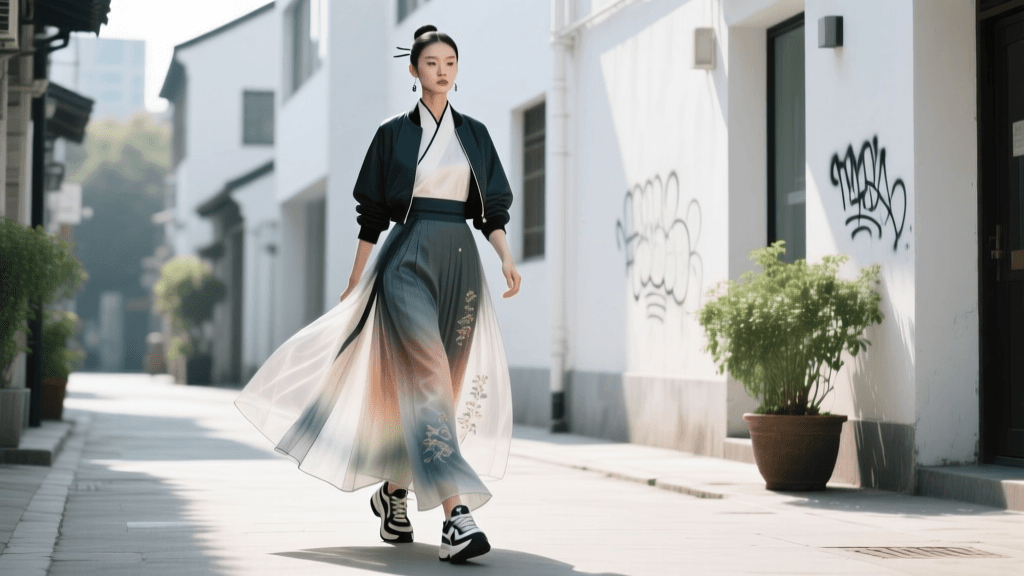
The defining characteristic of the 2026 Xin Zhongshi aesthetic is 'quiet heritage.' Rather than relying on loud, overt dragon motifs or heavily saturated brocades, contemporary designers and artisans are focusing on the subtleties of drape, the architectural geometry of traditional pleating, and the tactile richness of heritage fabrics. By integrating these elements into daily wear, fashion enthusiasts are creating a bridge between centuries-old craftsmanship and the minimalist sensibilities of the modern metropolis.
Deconstructing the Core Elements
To build an authentic yet wearable capsule wardrobe, one must understand the foundational garments and hardware that define the Xin Zhongshi silhouette. The movement relies on three primary pillars: the Mamianqun, the Pankou, and the stand collar.
The Modernized Mamianqun (Horse-Face Skirt)
Originating in the Ming Dynasty, the Mamianqun is characterized by its flat front and back panels with intricately pleated sides. In 2026, the traditional heavy silk brocade has been largely replaced in daily-wear collections by lightweight mulberry silk blends, cupro, and high-twist worsted wools. This adaptation allows the skirt to maintain its architectural volume without overwhelming the wearer during a busy commute. When shopping for a modern Mamianqun, look for a structured waistband measuring exactly 4 to 5 centimeters in height, which provides necessary lumbar support and prevents the heavy pleats from dragging the garment down. Many premium 2026 releases also feature hidden side-zippers and interior snap-buttons to keep the flat 'horse-face' panels perfectly aligned while walking.
Pankou (Frog Buttons) as Functional Hardware
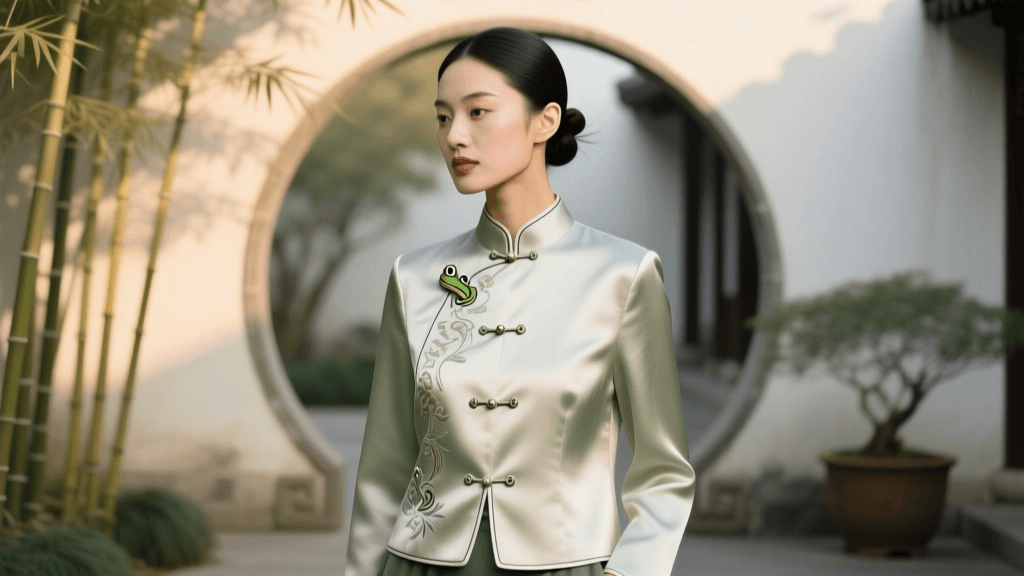
Pankou, the traditional knotted frog buttons, have transitioned from mere fasteners to focal points of sartorial artistry. While traditional hand-wired silk Pankou remains the gold standard for formal jackets, the 2026 market has introduced laser-cut resin and matte-finish brass alternatives for everyday outerwear. These modern iterations offer the visual language of the knot but withstand the rigors of machine washing and daily friction. A well-tailored Xin Zhongshi jacket will typically feature an asymmetrical Pankou closure that follows the natural curve of the collarbone, creating a flattering, elongating effect on the neckline.
The Stand Collar (Mandarin Collar)
The stand collar, or 'Li Ling,' is a hallmark of Chinese tailoring. In contemporary iterations, the rigid, choking collars of the past have been softened. Modern tailors utilize a 2.5-centimeter collar height with a subtle curved cut at the nape of the neck, allowing for ease of movement and preventing the collar from rubbing against the jawline. This ergonomic adjustment is crucial for integrating Xin Zhongshi tops into a professional office environment.
2026 Fabric Analysis: Heritage Textiles in Modern Tailoring
The soul of any Asian traditional garment lies in its textile. The Xin Zhongshi movement relies heavily on fabrics that possess historical significance but have been engineered for contemporary climate control and durability. As documented by the UNESCO Intangible Cultural Heritage registry, traditional sericulture and silk craftsmanship remain foundational to these garments, though modern processing has expanded their utility.
Below is a comparative analysis of the top four fabrics dominating the 2026 Xin Zhongshi market:
| Fabric Type | Drape and Weight | 2026 Price Range (USD) | Best Wardrobe Application | Care Requirements |
|---|---|---|---|---|
| Xiangyunsha (Gambiered Silk) | Crisp, papery, lightweight | $350 - $850 | Outerwear, Bomber Jackets | Dry clean only, avoid direct sunlight |
| Song Brocade (Modern Blend) | Structured, medium-heavy | $200 - $500 | Mamianqun, Evening Vests | Spot clean, low-heat steam |
| Mulberry Silk (Crepe de Chine) | Fluid, soft, breathable | $120 - $300 | Blouses, Inner Linings | Hand wash cold, lay flat to dry |
| Ramie-Cotton Blend | Textured, stiff, cooling | $80 - $180 | Summer Trousers, Casual Shirts | Machine wash gentle, tumble dry low |
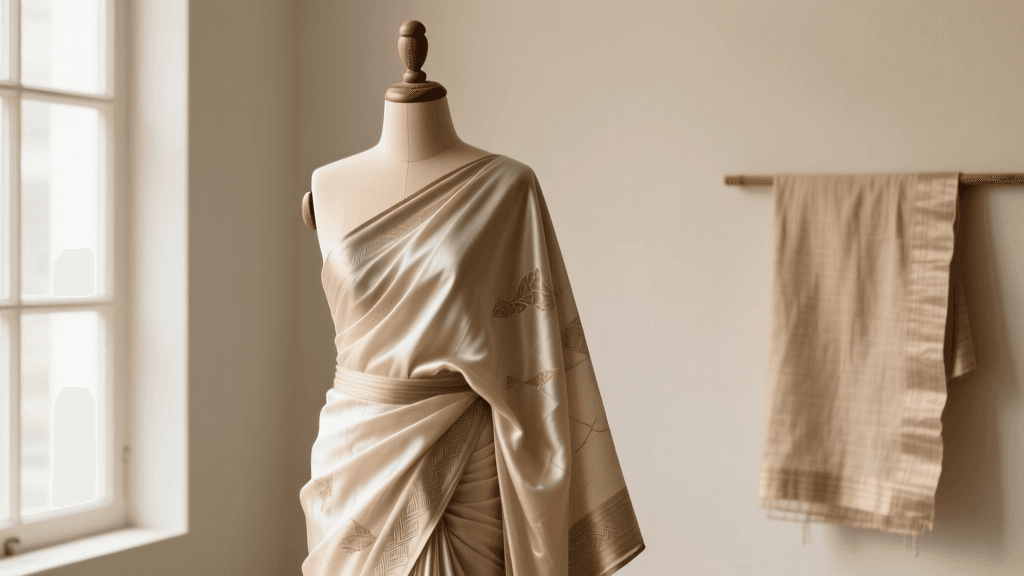
Xiangyunsha, often referred to as 'soft gold,' is particularly prized in 2026 for outerwear. Dyed using the tannin-rich sap of the薯莨 (Dioscorea cirrhosa) plant and coated with river silt, this fabric develops a beautiful, crackled patina over time. Institutions like the China National Silk Museum have heavily influenced contemporary designers by providing archival access to historical dyeing techniques, ensuring that modern Xiangyunsha maintains its authentic, skin-cooling properties while meeting current ecological sustainability standards.
Building the 2026 Xin Zhongshi Capsule Wardrobe
Creating a cohesive capsule wardrobe requires selecting pieces that can transition seamlessly from the boardroom to a gallery opening. Here are three essential investments for the modern Xin Zhongshi enthusiast.
1. The Xiangyunsha Bomber Jacket
Replacing the traditional Western blazer, the Xiangyunsha bomber jacket is the ultimate power piece for 2026. Look for a silhouette that features a subtle stand collar and hidden magnetic closures beneath a decorative, three-knot Pankou placket. The natural stiffness of the gambiered silk provides a structured shoulder line without the need for heavy synthetic padding. Pair this jacket with wide-leg linen trousers and a simple silk camisole for a look that commands respect while honoring heritage craftsmanship. Expect to invest approximately $600 for a verified, artisan-produced piece.
2. The Mulberry Silk Blouse with Hidden Plackets
For daily office wear, a 22-momme mulberry silk blouse is indispensable. The 2026 trend favors 'hidden heritage'—garments that appear as standard, high-end minimalist blouses from a distance, but reveal intricate details up close. Seek out a blouse where the traditional Pankou knots are used only at the very top of the collar, while the rest of the garment utilizes a hidden mother-of-pearl button placket. The fluid drape of the crepe de chine silk, a technique celebrated in the archival drape analysis found in collections such as the Victoria and Albert Museum's Asian textiles archive, ensures the fabric moves gracefully with the body, avoiding the stiff, boxy look of lesser imitations.
3. The Pleated Midi Mamianqun
A modernized Mamianqun in a muted, earthy tone—such as celadon green, slate grey, or deep oxblood—is the most versatile bottom in the Xin Zhongshi arsenal. For 2026, the ideal length is exactly 75 centimeters (hitting just below the calf), which prevents the pleats from catching on footwear. The waistband should feature a discreet hook-and-bar closure. Style this skirt with a fitted, ribbed merino wool turtleneck in the winter, or a crisp, oversized Ramie-cotton button-down in the summer. The contrast between the structured, historical pleats and modern, minimalist knitwear creates a visually striking, balanced silhouette.
Sourcing, Sustainability, and Authenticity
As the global demand for Xin Zhongshi has surged, the market has unfortunately seen an influx of mass-produced, synthetic knockoffs. To ensure you are supporting authentic Asian traditions, prioritize brands that are transparent about their supply chains. In 2026, reputable heritage brands utilize blockchain tagging woven into the garment's care label, allowing consumers to trace the fabric back to the specific weaving cooperative in Suzhou or the dyeing vats in Guangdong.
Sustainability is also a major focus this year. True Xin Zhongshi philosophy aligns with the concept of 'Tian Ren He Yi' (harmony between humanity and nature). Artisans are increasingly utilizing closed-loop water systems for silk dyeing and relying on organic ramie and peace silk (Ahimsa silk), ensuring that the revival of these ancient traditions does not come at an environmental cost.
Garment Care for Mixed-Media Pieces
Maintaining a Xin Zhongshi wardrobe requires specific care protocols, particularly when dealing with mixed-media garments that combine delicate silks with metallic embroidery or structured brocades. Never hang heavy Mamianqun skirts by the waistband for extended periods, as the gravity will distort the intricate side pleats. Instead, fold them along the natural pleat lines and store them flat in acid-free tissue paper. For Xiangyunsha outerwear, avoid traditional wire hangers; use wide, cedar-wood hangers to support the shoulders and absorb ambient moisture. By treating these garments not merely as clothing, but as wearable cultural artifacts, your Xin Zhongshi capsule wardrobe will remain a timeless, elegant staple for years to come.