Ceremonial vs Everyday Kimono & Hanbok: 2026 Fabric Guide
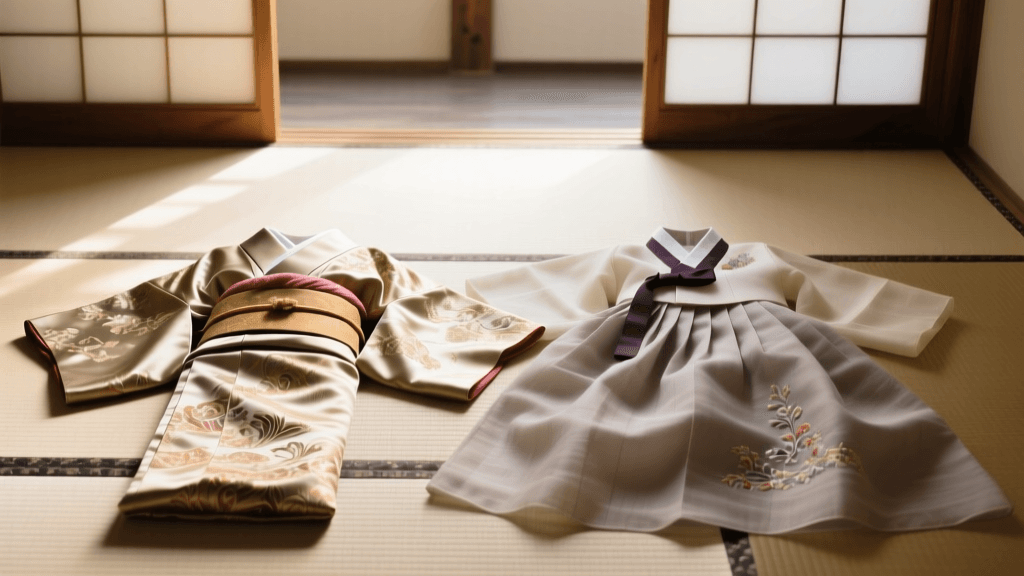
The 2026 Landscape of Asian Traditional Garments
In 2026, the intersection of cultural heritage and daily life has never been more dynamic. Across East Asia, traditional garments are experiencing a profound renaissance, driven by a new generation that values both historical authenticity and modern practicality. However, a common point of confusion for enthusiasts and newcomers alike is distinguishing between ceremonial attire and everyday wear. The structural, textile, and styling differences between these categories are vast. According to The Metropolitan Museum of Art, the evolution of garments like the kimono reflects a deep societal shift from strict class-based dress codes to contemporary expressions of personal and cultural identity. Today, we break down the defining characteristics of everyday versus ceremonial Japanese kimono and Korean hanbok, providing you with a comprehensive 2026 guide to fabrics, construction, and styling.
The Japanese Kimono: From Yukata to Uchikake
The kimono is renowned for its T-shaped, straight-line construction, which minimizes fabric waste and allows for intricate, uninterrupted canvas-like dyeing. Yet, the choice of textile and lining immediately dictates whether a kimono is destined for a summer festival or a formal wedding.
Everyday Elegance: Yukata and Komon
For daily wear, casual outings, and summer festivals, the Yukata and Komon are the undisputed staples of 2026. The yukata is an unlined garment traditionally made from breathable cotton or modern hemp-blends. In 2026, we are seeing a massive surge in bio-washed cottons and lightweight linen-cotton mixes that offer the drape of silk with the durability of everyday workwear. Yukata are worn with a simple, soft hanhaba obi (half-width sash) and wooden geta sandals.
The Komon, meaning "small pattern," features a repeating design across the entire garment. While historically made of silk, 2026 everyday komon are frequently crafted from high-grade, machine-washable synthetic crepes or sustainable Tencel blends. These garments are perfect for tea ceremonies, casual dining, or art gallery visits, offering a refined silhouette without the restrictive padding and heavy layering of formal wear.
Ceremonial Grandeur: Furisode and Uchikake
Ceremonial kimono are masterclasses in textile engineering and opulent artistry. The Furisode, characterized by its dramatically long, swinging sleeves (often measuring 100cm to 114cm in length), is the most formal wear for unmarried women. In 2026, authentic furisode are still predominantly woven from heavy, multi-layered silk brocade or chirimen (silk crepe), featuring lavish yuzen dyeing and gold-leaf application. They require specialized undergarments, heavy padding to create a cylindrical silhouette, and a stiff, ornate fukuro obi tied in complex knots like the tateya.
For weddings, the Uchikake is the ultimate ceremonial outer robe. Wopen over a base kimono, the uchikake is heavily padded at the hem to trail elegantly on the floor. Modern 2026 bridal uchikake often incorporate lab-grown silk alternatives and recycled metallic threads to achieve a brilliant, heavy luster while addressing contemporary sustainability concerns, though traditional Nishijin-ori silk remains the gold standard for heritage weddings.
The Korean Hanbok: Saenghwal vs. Hwarot
The hanbok is celebrated for its vibrant colors, curved lines, and voluminous silhouette, which historically concealed the body's natural shape while allowing immense freedom of movement. As noted by Encyclopedia Britannica, the hanbok's structure is deeply rooted in the philosophical principles of balance and harmony, a concept that continues to influence modern adaptations.
Modern Daily Wear: Saenghwal Hanbok
The Saenghwal Hanbok (everyday hanbok) has been entirely reimagined for the 2026 urban lifestyle. While it retains the classic jeogori (jacket) and chima (skirt) or baji (trousers) structure, the proportions are adjusted for modern transit and office environments. The skirts are often A-line rather than bell-shaped, and the hemlines sit at the ankle rather than the floor. Fabrics have shifted dramatically; 2026 saenghwal hanbok heavily feature stretch-blended ramie, crisp organic cotton, and washable polyester organza. These materials resist wrinkling and allow the garment to be tossed into a washing machine on a gentle cycle. The goreum (front ties) are often shortened or replaced with discreet magnetic clasps for ease of wear.
Ceremonial Heritage: Hwarot and Wonsam
Ceremonial hanbok demands meticulous hand-stitching and luxurious, heavy textiles. The Hwarot is a traditional bridal robe characterized by its wide sleeves and vibrant red and blue silk panels, heavily embroidered with auspicious motifs like peonies, phoenixes, and pomegranates using real gold thread. The weight of a genuine hwarot is substantial, often exceeding 3 kilograms, requiring the wearer to move with deliberate, graceful steps.
Another ceremonial masterpiece is the Wonsam, a long, wide-sleeved robe worn by royalty and high-ranking women, now adapted for modern formal ceremonies and traditional performances. In 2026, ceremonial hanbok makers are utilizing advanced digital looms to replicate historical geumseon (gold thread) weaving techniques, making these ultra-formal garments slightly more accessible while maintaining their breathtaking visual weight and structural rigidity.
2026 Fabric and Construction Comparison Chart
To help you navigate your purchasing and styling decisions, refer to this comprehensive comparison of everyday and ceremonial garments across both cultures.
| Garment Type | Origin & Category | 2026 Standard Fabrics | Avg. Cost (USD) | Maintenance & Care |
|---|---|---|---|---|
| Yukata | Japan / Everyday | Cotton, Linen-blends, Hemp | $45 - $150 | Machine washable; air dry. |
| Komon | Japan / Everyday | Washable Crepe, Tencel, Silk | $200 - $600 | Dry clean (silk) or gentle wash (synthetic). |
| Furisode | Japan / Ceremonial | Heavy Silk Crepe, Brocade | $1,500 - $4,000+ | Specialist kimono dry cleaning only; air out after use. |
| Uchikake | Japan / Ceremonial | Nishijin-ori Silk, Padded Hem | $3,000 - $10,000+ | Professional archival storage; spot clean by experts. |
| Saenghwal | Korea / Everyday | Cotton, Ramie, Poly-Organza | $80 - $250 | Machine wash gentle; low-heat iron. |
| Hwarot | Korea / Ceremonial | Silk Satin, Gold Embroidery | $2,000 - $6,000+ | Never wash; brush off dust; store flat in breathable paper. |
Care, Maintenance, and Sourcing in 2026
Proper care is the dividing line between a garment that lasts a season and an heirloom that survives generations. For everyday cotton yukata and saenghwal hanbok, modern 2026 detergents formulated for delicate natural fibers are sufficient. Always use a mesh laundry bag and avoid the tumble dryer, as high heat will shrink the unlined cotton and warp the structural seams of the hanbok skirt.
Ceremonial garments require a vastly different approach. Never hang a heavy silk furisode or hwarot on a standard wire or wooden hanger; the weight of the fabric will distort the shoulder seams and stretch the delicate silk. Instead, ceremonial garments should be folded along their original seam lines and stored in tatou (traditional Japanese acid-free paper) or unbleached cotton wraps. The Victoria and Albert Museum recommends storing these textiles in a cool, dark, and humidity-controlled environment, utilizing silica gel packets to prevent mold and gold-leaf oxidation.
When sourcing authentic garments in 2026, buyers should look for certified traditional craftsperson cooperatives. In Japan, seek out the Washu certification for genuine silk and traditional dyeing methods. In South Korea, look for the Hanbok Advanced Center seal, which guarantees that the garment respects historical proportions while utilizing safe, modern dyes. Whether you are slipping into a breezy linen yukata for a summer evening or donning a heavy, gold-embroidered hwarot for your wedding day, understanding the profound differences between everyday and ceremonial wear ensures you honor the rich tapestry of Asian textile history.
Essential Accessories for the Modern Wardrobe
- Everyday Kimono: Opt for a reversible, elasticized tsuke obi (pre-tied sash) and comfortable zori sandals with memory-foam insoles.
- Ceremonial Kimono: Invest in a high-quality obi-age (sash scarf) and obi-jime (sash cord) in contrasting silk to elevate the formal knot.
- Everyday Hanbok: Pair your saenghwal hanbok with a modern norigae (decorative pendant) featuring minimalist brass or jade accents.
- Ceremonial Hanbok: Ensure you have the proper sokgot (layered undergarments) to give the heavy silk chima its requisite bell-like volume without collapsing throughout the event.