Navigating Hanfu Festivals: Xitang Culture Week & Global Meetups
The Resurgence of Hanfu: From Niche Hobby to Global Community
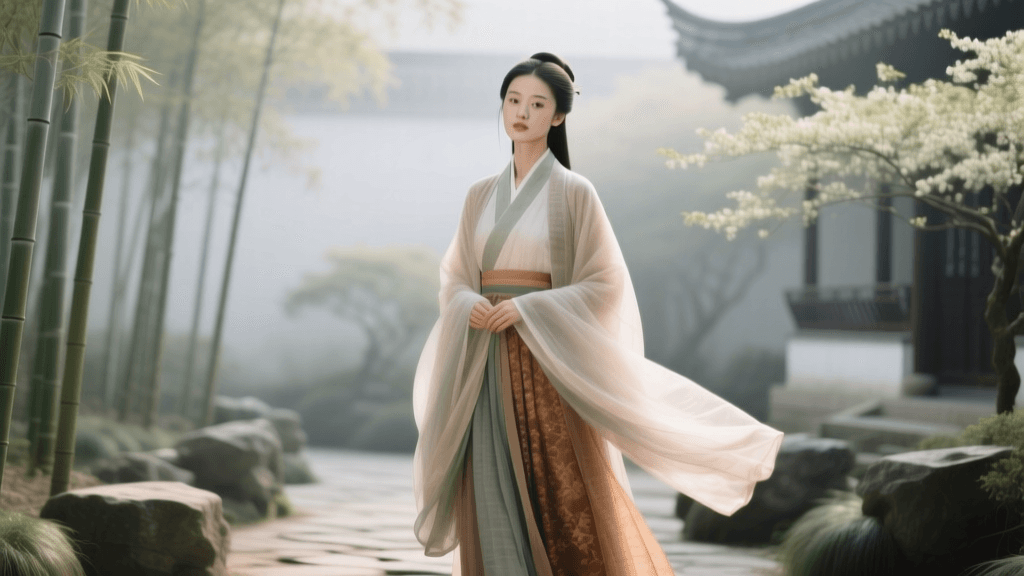
Over the past decade, the Hanfu movement has transformed from a niche historical reenactment hobby into a vibrant, mainstream cultural phenomenon. Young people across China and the global diaspora are reclaiming traditional Han Chinese clothing, wearing it not just as a costume, but as a living expression of cultural identity. According to industry reports covered by Reuters, the Hanfu market has exploded into a multi-billion-dollar industry, driven by passionate communities who organize elaborate festivals, photoshoots, and street parades. For enthusiasts, attending a Hanfu convention is a pilgrimage—a chance to connect with fellow 'Tongpao' (同袍, a term of endearment meaning 'sharing the same robe'), showcase meticulously researched garments, and participate in traditional arts like archery, tea ceremonies, and lantern making.
Spotlight: Xitang Hanfu Culture Week
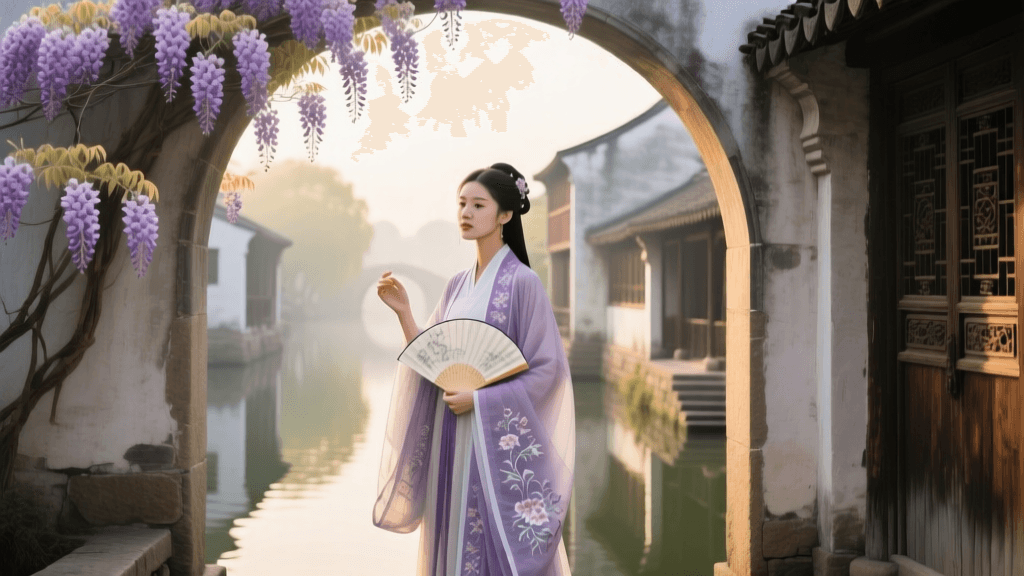
The undisputed crown jewel of the Hanfu event calendar is the Xitang Hanfu Culture Week (西塘汉服文化周). Held annually in late October or early November, this multi-day festival takes place in the picturesque Xitang Water Town in Jiashan County, Zhejiang Province. The ancient canals, stone bridges, and Ming-dynasty architecture provide a breathtaking, historically resonant backdrop for tens of thousands of attendees. BBC News has highlighted how events like Xitang serve as a massive gathering point for the subculture, featuring grand parades, dynasty-specific fashion shows, and traditional etiquette workshops.
Logistics and Travel Tips for Xitang
Attending Xitang requires careful planning, as the small water town becomes incredibly crowded during the festival. The most efficient way to reach Xitang is by taking a high-speed train to Jiashan South Railway Station (Jiashannan). From there, you can take the dedicated festival shuttle bus or a taxi (approximately 40 RMB) directly to the town's entrance. It is crucial to book accommodation at least two to three months in advance. Staying inside the scenic area is highly recommended, as it allows you to bypass the main ticket checkpoints during early morning and late-night photoshoots when the crowds thin out.
Budgeting for the Festival
A weekend trip to Xitang Hanfu Culture Week requires a moderate budget. Here is a practical breakdown of estimated costs for a domestic traveler:
- Scenic Area Entry Ticket: Approximately 150 RMB (often includes access to specific festival zones and small museums).
- Accommodation: 400 to 1,200 RMB per night for a boutique guesthouse inside the water town.
- Hanfu Rental & Styling: If you do not own your own garments, local rental shops pop up everywhere during the week. Expect to pay 150 to 350 RMB per day for a full outfit, including hair styling and makeup.
- Food & Transit: 300 to 500 RMB for the weekend, enjoying local street food and canal-side dining.
Global and Local Diaspora Meetups
You do not need to fly to Zhejiang to experience the Hanfu community. Major cities with significant Chinese diaspora populations—such as New York, London, Sydney, and Vancouver—host regular Hanfu meetups. These are often organized by university Hanfu societies or local cultural associations. According to features in the South China Morning Post, the global spread of the movement has led to vibrant street fashion scenes in Western metropolises, where enthusiasts blend traditional garments with modern urban environments.
Local meetups are typically held in botanical gardens, university campuses, or rented traditional tea houses. They are highly accessible, often requiring only a small venue fee (around $15 to $30 USD) to cover tea and space rental. These events are perfect for beginners, as veteran members are usually on hand to help newcomers with the complex layering and tying techniques required for garments like the Ruqun (襦裙) or Daopao (道袍).
Event Comparison: Xitang vs. Local Meetups vs. University Galas
Choosing the right event depends on your budget, travel capacity, and experience level. Below is a comparison chart to help you decide which type of Hanfu gathering suits you best.
| Event Type | Scale & Atmosphere | Avg. Cost (Excl. Flights) | Best For | Dress Code Strictness |
|---|---|---|---|---|
| Xitang Culture Week | Massive (50,000+ attendees), immersive, historic | $150 - $300 USD | Dedicated enthusiasts, photographers, tourists | Moderate (All styles welcome, from historical to fantasy) |
| Local Diaspora Meetup | Intimate (20-100 attendees), community-focused | $15 - $40 USD | Beginners, local networking, casual styling | Low (Hanfu elements or full sets accepted) |
| University Hanfu Gala | Medium (100-300 attendees), structured, academic | $10 - $25 USD | Students, cultural exchange, stage performances | High (Often requires dynasty-accurate formal wear) |
The Ultimate Hanfu Convention Packing List
Packing for a Hanfu convention is vastly different from packing for a standard fashion event. Traditional silk and brocade fabrics wrinkle easily, and the structural integrity of certain garments must be protected. Here is an essential, actionable packing list for your next meetup:
- Extra-Long Garment Bag: A standard Western suit bag will not suffice. You need a garment bag measuring at least 150cm in length and 60cm in width to accommodate Ming Dynasty Mamianqun (pleated skirts) and long outer robes without folding the structured waistbands.
- Wrinkle Release Spray & Steamer: A portable, dual-voltage travel steamer is mandatory for multi-day festivals. If flying, pack a high-quality wrinkle release spray to refresh silk and linen blends in your hotel room.
- Double-Sided Fashion Tape: Essential for securing the 'Jiaoling Youren' (crossed collar, right lapel over left) to prevent wardrobe malfunctions during windy outdoor photoshoots.
- Modern Comfort Footwear: While traditional cloud shoes (Yunxie) or embroidered flats look beautiful, you will be walking miles on cobblestones. Pack minimalist, neutral-colored modern sneakers or supportive insoles to hide beneath your floor-length skirts.
- Anti-Chafing Balm & Safety Pins: Layering multiple garments in humid weather can cause friction. Safety pins are also crucial for adjusting the waistbands of wrap skirts (Qixiong Ruqun) to ensure a secure fit over modern clothing.
Community Etiquette and the 'Tongpao' Code
The Hanfu community is built on mutual respect, historical appreciation, and a shared love for traditional aesthetics. When attending your first convention or meetup, observing community etiquette is just as important as wearing the correct garments.
First, always ask for consent before photographing attendees. While many enthusiasts love having their outfits documented, some may be adjusting their hair, eating, or simply resting. A polite 'Excuse me, may I take a photo of your Hanfu?' goes a long way. Second, familiarize yourself with the concept of 'Hanfu vs. Xianxia.' Xianxia refers to fantasy, immortal-hero television costumes, which often feature sheer fabrics, high ponytails, and anachronistic accessories. While Xianxia is welcome at casual meetups, strict historical accuracy (Kaozheng) is highly valued in formal parades and academic panels. Avoid mixing dynasty-specific elements—such as pairing a Song Dynasty top with a Qing Dynasty horse-face skirt—unless you are intentionally presenting a modern fusion look.
Finally, embrace the greeting of the community. A simple handshake or a traditional 'Gongshou' (cupping one hand in the other over the chest) when meeting fellow Tongpao will instantly mark you as a respectful and engaged participant. Whether you are navigating the crowded stone bridges of Xitang or attending a quiet tea ceremony in a London park, the Hanfu community offers a profound, wearable connection to Asian heritage that continues to evolve and inspire on the global stage.