Ahimsa vs Mulberry Silk: 2026 Fabric Guide for Saris & Kimonos
The Evolution of Silk in Asian Traditional Garments
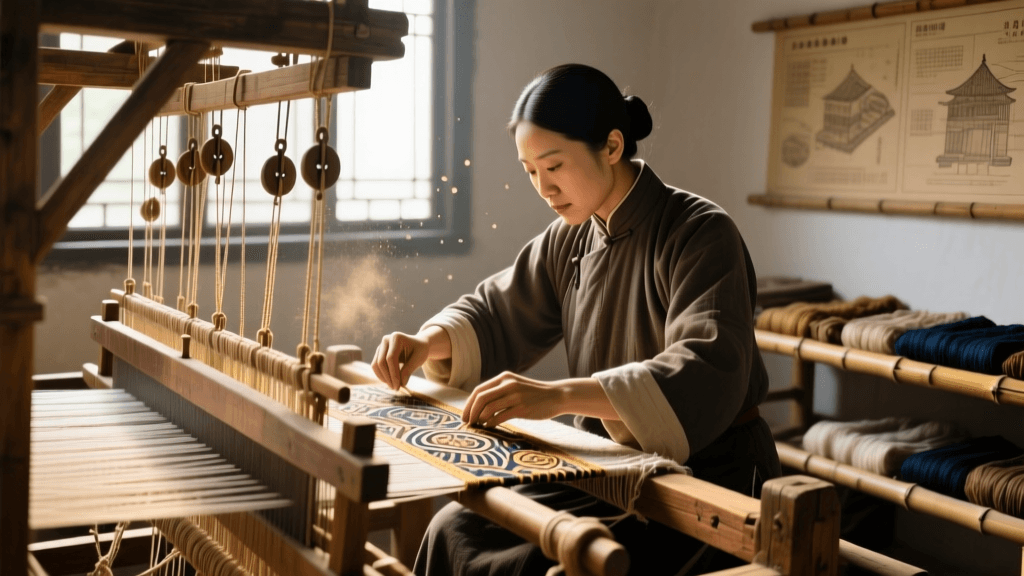
Silk has been the lifeblood of Asian traditional garments for millennia, serving as the foundational canvas for cultural expression, status, and artistry. From the sweeping, structured elegance of the Japanese kimono to the intricate, heavy drapes of the Indian bridal sari, the choice of textile dictates not only the garment's silhouette but its historical resonance. As documented by the Metropolitan Museum of Art, the ancient Silk Road did not merely transport fabric; it facilitated the exchange of weaving technologies that birthed regional masterpieces like China's Song brocade and Japan's Nishijin-ori.
In 2026, the conversation around silk in traditional fashion has shifted dramatically. While traditional Mulberry silk remains the undisputed champion of luster and formal drape, the rise of Ahimsa (peace) silk has introduced a compelling ethical alternative. Driven by stringent 2026 global sustainability mandates and a new generation of eco-conscious consumers, artisans and buyers are now carefully weighing the structural and aesthetic differences between these two remarkable fibers when commissioning traditional wear.
Understanding Mulberry Silk: The Gold Standard
Mulberry silk is produced by the Bombyx mori moth, whose caterpillars feed exclusively on mulberry leaves. In conventional sericulture, the chrysalis is boiled before the moth can emerge, allowing the continuous filament of the cocoon to be unraveled in one unbroken thread. This continuous filament is what gives Mulberry silk its legendary strength, uniform thickness, and unparalleled high-gloss luster.
For traditional garments that require crisp structural integrity, Mulberry silk is irreplaceable. In Japanese kimono making, the stiff, gleaming nature of high-grade Mulberry silk is essential for the obi (sash) and formal furisode (long-sleeved kimonos), ensuring the fabric holds its shape during the complex folding and tying processes. Similarly, in Indian bridal wear, the continuous filament provides the necessary tensile strength to support heavy zari (metallic thread) work without tearing. As of 2026, premium Japanese Mulberry silk retails between $90 and $130 per yard, while high-quality Indian Banarasi Mulberry ranges from $45 to $85 per yard, reflecting the intense labor and precision required in its production.
Ahimsa (Peace) Silk: The Ethical Alternative
Ahimsa silk, pioneered in India and now a major focus of ethical textile innovation in 2026, is harvested only after the moth has naturally emerged from its cocoon. Because the emerging moth breaks the continuous filament, the silk fibers are shorter and must be spun together, much like cotton or wool. This spinning process results in a fabric with a distinctly different character: it possesses a matte finish, a slightly textured hand-feel, and a softer, more fluid drape.
Historically, the shorter staple fibers of Ahimsa silk made it difficult to weave tightly enough for heavy bridal garments. However, 2026 has seen the widespread adoption of AI-assisted tension looms in weaving hubs like Assam and Andhra Pradesh. These modern ergonomic looms dynamically adjust thread tension in real-time, allowing weavers to spin and weave Ahimsa silk with a tensile strength that was previously impossible. While it lacks the mirror-like shine of Mulberry silk, Ahimsa silk offers a sophisticated, understated elegance that is highly sought after for contemporary traditional wear. Due to the labor-intensive spinning process and lower yield per cocoon, authentic Ahimsa silk commands a premium, averaging $85 to $140 per yard in the 2026 market.
2026 Fabric Comparison: Mulberry vs. Ahimsa Silk
When selecting fabric for a traditional garment, understanding the technical specifications is crucial for tailors and buyers alike. Below is a comprehensive comparison based on 2026 textile industry standards.
| Feature | Mulberry Silk (Traditional) | Ahimsa Silk (Peace Silk) |
|---|---|---|
| Fiber Structure | Continuous, unbroken filament | Short staple fibers, spun |
| Luster & Finish | High-gloss, reflective, smooth | Matte, soft sheen, slightly textured |
| Drape & Hand-feel | Crisp, structured, fluid but firm | Soft, highly fluid, breathable |
| Tensile Strength | Exceptional; supports heavy embroidery | Moderate to High (with 2026 loom tech) |
| 2026 Avg Cost (per yard) | $45 - $130 (varies by origin) | $85 - $140 (premium ethical pricing) |
| Best Traditional Use | Formal Kimonos, Bridal Kanjeevaram Saris | Everyday Kimonos, Reception Saris, Haori |
Drape and Tailoring: Kimonos vs. Bridal Saris
The Japanese Kimono
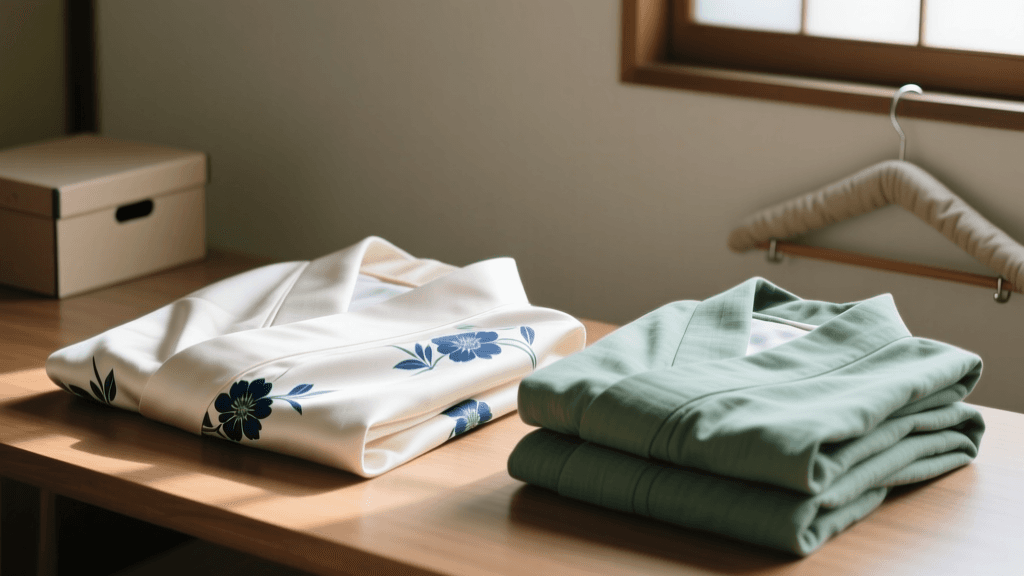
The construction of a kimono relies on straight seams and precise folding. Mulberry silk's natural stiffness and memory make it the superior choice for formal kimonos, as it resists wrinkling and holds the rigid, geometric lines required for ceremonial wear. However, the 2026 trend in Japanese fashion has seen a surge in the use of Ahimsa silk for komon (casual patterned kimonos) and haori (jackets). The breathability and softer drape of Ahimsa silk make it incredibly comfortable for modern, extended wear, while its matte texture pairs beautifully with subtle, natural-dye patterns.
The Indian Bridal Sari
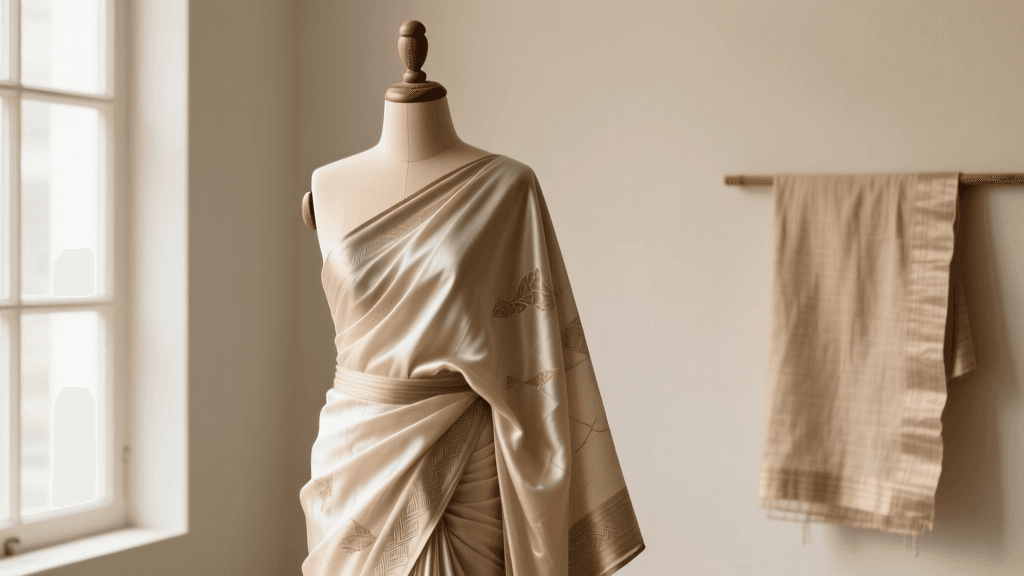
For the Indian bridal sari, particularly the Kanjeevaram and Banarasi styles, the fabric must act as a sturdy canvas for dense brocade weaving and heavy gold zari. Mulberry silk's continuous filament prevents the metallic threads from pulling through the fabric, ensuring the intricate motifs remain intact over decades of use. Conversely, Ahimsa silk is revolutionizing the 'reception sari' market in 2026. Brides are increasingly opting for lightweight, matte Ahimsa silk saris for post-wedding events, favoring comfort and ethical sourcing over traditional heavy brocades. Tailors note that Ahimsa silk requires French seams and slightly wider hems to prevent fraying, a crucial detail for bespoke sari construction.
Sourcing, Dyeing, and Authenticating Silk in 2026
As the demand for ethical textiles grows, so does the risk of counterfeit Ahimsa silk. According to the Victoria and Albert Museum, the historical prestige of silk has always made it a target for adulteration. In 2026, the most reliable way to authenticate ethical silk is through blockchain-backed supply chain tracking and recognized certifications. Buyers should look for the Global Organic Textile Standard (GOTS) certification, which, in its 2026 updated guidelines, includes strict parameters for non-violent silk harvesting and closed-loop water systems in dyeing facilities.
Dyeing practices have also evolved. While Mulberry silk takes brilliantly to synthetic acid dyes, producing the hyper-vibrant reds and blues typical of traditional bridal wear, Ahimsa silk's porous, spun structure is uniquely suited for natural dyes. In 2026, master dyers are utilizing fermented indigo, madder root, and marigold extracts to create rich, complex colorways on Ahimsa silk that synthetic dyes simply cannot replicate. The matte finish of the peace silk absorbs these botanical dyes deeply, resulting in a garment that ages beautifully, developing a unique patina over time.
Actionable Care and Maintenance Tips
Proper care is essential to preserve the integrity of these luxury textiles. The protein structure of silk (fibroin) is highly sensitive to pH levels and heat. For both Mulberry and Ahimsa silk garments in 2026, dry cleaning with harsh perc chemicals is strongly discouraged. Instead, follow these expert maintenance steps:
- Washing: Hand wash only in cold water (below 20°C/68°F) using a pH-neutral, bio-enzymatic detergent specifically formulated for protein fibers. Never wring or twist the fabric; instead, roll it in a clean microfiber towel to absorb excess moisture.
- Drying: Air dry flat in the shade. Direct UV exposure will rapidly degrade the fibroin proteins, causing Mulberry silk to yellow and Ahimsa silk to become brittle.
- Ironing: Use a dedicated silk setting on your iron, and always press on the reverse side of the garment using a cotton pressing cloth. For heavily embroidered Mulberry saris or structured kimono obis, use a steam generator iron held two inches above the fabric to relax wrinkles without crushing the zari or metallic threads.
- Storage: Store traditional garments in breathable, unbleached cotton muslin bags. Avoid plastic covers, which trap moisture and encourage mildew. Refold the garments every three months along different lines to prevent permanent fiber stress and creasing.
Conclusion
The choice between Mulberry and Ahimsa silk in 2026 is no longer just a matter of aesthetics; it is a reflection of cultural values, technological advancement, and environmental stewardship. Mulberry silk continues to offer the structural brilliance and high-gloss luxury required for the most formal, traditional ceremonies. Meanwhile, Ahimsa silk provides a deeply ethical, breathable, and beautifully textured alternative that is reshaping the landscape of modern Asian traditional wear. By understanding the unique properties, costs, and care requirements of each textile, collectors, brides, and cultural enthusiasts can make informed decisions that honor both the heritage and the future of Asian garment making.