Choosing Authentic Tai Chi and Wushu Practice Uniforms
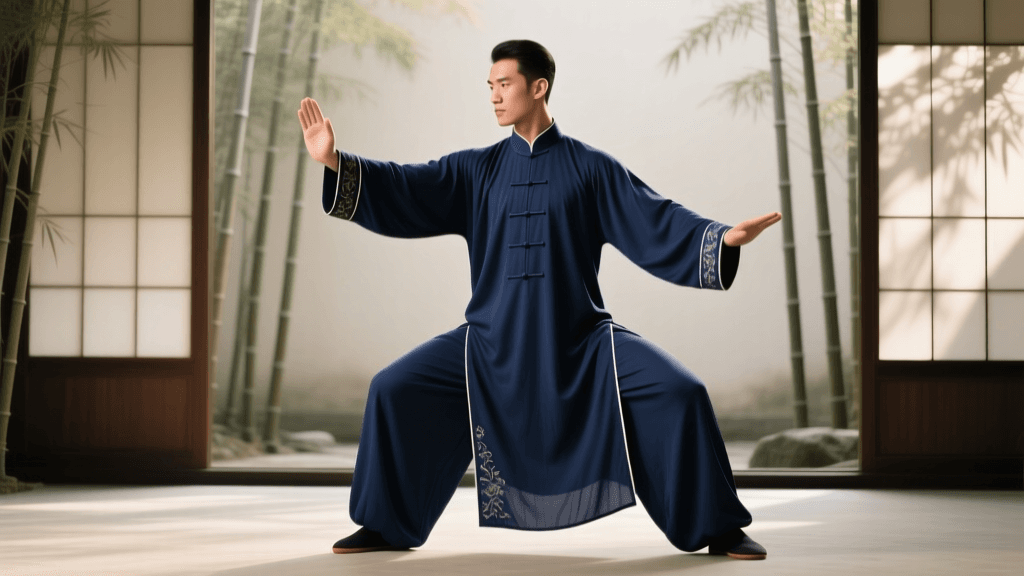
The intersection of traditional Chinese martial arts and the garments worn during practice is a profound study in functionality, cultural heritage, and biomechanics. Whether you are engaging in the slow, deliberate movements of Tai Chi Chuan or the explosive, acrobatic routines of modern Wushu, your practice wear is not merely a costume—it is a vital tool that facilitates your physical and mental flow. In this comprehensive guide, we will explore the nuances of selecting, fitting, and maintaining authentic Tai Chi and Wushu uniforms, providing actionable advice for both beginners and seasoned martial artists.
The Philosophy and Function of Martial Arts Apparel
Traditional Chinese martial arts emphasize the seamless connection between the mind, body, and environment. The clothing worn during practice, often broadly referred to as a Tai Chi suit or Wushu uniform, is designed to reflect this harmony. Unlike restrictive Western athletic wear, traditional practice garments are cut to allow unrestricted chi (energy) flow and maximum joint mobility. According to guidelines often referenced by the International Wushu Federation, competition and practice uniforms must adhere to specific traditional aesthetics while accommodating the extreme ranges of motion required in forms like Changquan or Taijiquan.
Practitioners affiliated with organizations such as the American Tai Chi and Qigong Association frequently emphasize that comfort and breathability are paramount for daily health-focused routines. When your clothing binds or restricts, your focus shifts from internal cultivation to external discomfort, breaking the meditative state essential to the art.
Deconstructing the Traditional Tai Chi Suit
A standard Tai Chi or Wushu practice uniform typically consists of three main components: the jacket (or shirt), the pants, and specialized footwear. While modern variations exist, the traditional silhouette remains largely unchanged, rooted in the historical garments of the Qing Dynasty and earlier Han Chinese clothing.
The Jacket and Pankou (Frog Buttons)
The traditional jacket features a mandarin collar and a diagonal or central front closure secured by pankou, or knotted frog buttons. These cloth buttons are not merely decorative; they are highly durable, flexible, and do not dig into the skin during ground movements or deep stretches. A high-quality Tai Chi jacket will feature reinforced stitching at the stress points of the pankou to prevent tearing during vigorous Wushu routines.
The Pants: Drop Crotch and Mobility
Martial arts pants are distinctly characterized by a dropped gusset or "drop crotch." This design is critical for executing deep stances such as Ma Bu (Horse Stance) or Pu Bu (Drop Stance) without the seams ripping. The waist is traditionally gathered with a drawstring rather than a rigid elastic band, allowing the practitioner to tie it securely at the navel (the Dan Tian), which is considered the body's center of gravity and energy.
Fabric Selection: A Comprehensive Comparison
Choosing the right fabric is arguably the most important decision when purchasing a practice uniform. The material dictates the garment's drape, breathability, and suitability for different climates. Below is a detailed comparison chart to help you select the ideal fabric for your training needs.
| Fabric Type | Breathability | Durability | Average Cost (USD) | Best Use Case |
|---|---|---|---|---|
| 100% Cotton | High | Medium | $30 - $60 | Daily practice, outdoor summer training, sensitive skin. |
| Silk / Silk Blend | Very High | Low | $80 - $150+ | Competitions, demonstrations, indoor studio practice. |
| Cotton-Poly Blend | Medium | High | $25 - $50 | Frequent machine washing, beginners, rigorous Wushu. |
| Linen | High | Medium-High | $45 - $90 | Hot and humid climates, casual Qigong practice. |
While silk offers an unparalleled, luxurious drape that highlights the flowing movements of Tai Chi, it requires meticulous care and is prone to snagging. For daily, rigorous training, a high-grade cotton or cotton-polyester blend is highly recommended for its balance of comfort and resilience.
Sizing, Fit, and Measurement Guide
Unlike Western clothing, which often relies on standard Small, Medium, and Large designations, traditional martial arts uniforms are best selected using precise body measurements. A poorly fitted jacket can restrict shoulder rotation, while pants that are too short will expose your ankles during deep stances.
How to Measure for a Tai Chi Uniform
- Chest: Measure around the fullest part of your chest. Add 3 to 4 inches to this measurement to ensure the jacket overlaps properly and allows for deep breathing.
- Waist: Measure at your natural waistline (near the navel). Since pants use a drawstring, you have a margin of error, but the base measurement should match the garment's waist specification.
- Hips: Measure around the widest part of your hips and buttocks. This is crucial for the drop-crotch pants to ensure they do not bind during high kicks.
- Inseam: Measure from the crotch to the ankle bone. Tai Chi pants should ideally rest just above the ankle bone to prevent tripping and to accommodate traditional flat-soled shoes.
Footwear: Grounding Your Practice
As noted in various martial arts publications like Black Belt Magazine, the right footwear can significantly impact your grounding, balance, and joint health. Modern running shoes with thick, cushioned heels are detrimental to Tai Chi and Wushu, as they elevate the heel, alter your center of gravity, and obscure the sensory feedback from the floor.
Authentic practice requires flat-soled shoes. The most iconic and widely used is the Feiyue shoe, originally developed in China in the 1920s. Featuring a thin, flexible rubber sole and a canvas upper, Feiyue shoes (typically costing between $15 and $30) allow the practitioner to "grip" the floor with their toes and maintain a low, stable center of gravity. For indoor studio practice, traditional cloth-soled Kung Fu slippers are also acceptable, though they lack the traction needed for outdoor concrete surfaces.
Seasonal Adaptations and Layering
Traditional practice wear is highly adaptable to seasonal changes. In the winter, practitioners layer their uniforms. A common approach is to wear a form-fitting, moisture-wicking thermal base layer beneath a heavy, quilted cotton Tai Chi jacket. The quilted jackets, often featuring the same traditional pankou closures, provide excellent insulation without the bulkiness of modern winter parkas, ensuring that arm movements remain fluid and unencumbered.
Care and Maintenance of Your Practice Wear
To extend the lifespan of your garments, proper care is essential. Here are actionable maintenance tips based on fabric type:
Pro Tip: Never wring out silk or high-quality cotton Tai Chi suits. The twisting motion can permanently distort the fabric's weave and damage the delicate pankou knots.
- Cotton and Blends: Machine wash on a gentle cycle with cold water. Use a mild detergent and avoid bleach, which weakens the fibers. Tumble dry on low or hang dry.
- Silk: Hand wash only in cold water with a specialized silk detergent. Rinse thoroughly and roll the garment in a clean, dry towel to press out excess water before laying it flat to dry in the shade.
- Ironing: Always iron on the reverse side. For silk, use the lowest heat setting and place a pressing cloth between the iron and the garment to prevent scorching.
Sourcing Authentic Gear and Understanding Costs
When sourcing your uniform, beware of cheap, mass-produced "costume" versions sold at generic sporting goods stores. These often lack the drop crotch, use stiff synthetic fabrics, and feature glued-on frog buttons that fall off after a few washes. Authentic martial arts suppliers, specialized online Kung Fu retailers, and direct imports from regions like Henan (the home of the Shaolin Temple and many martial arts garment manufacturers) offer the best quality. Expect to invest between $50 and $120 for a high-quality, authentic cotton or silk suit that will withstand years of dedicated practice.
Conclusion
Selecting the right Tai Chi and Wushu practice uniform is a deeply personal choice that balances cultural reverence with biomechanical necessity. By understanding the critical elements of fabric, fit, and footwear, you can equip yourself with garments that not only honor the rich traditions of Asian martial arts but also actively enhance your physical practice. Whether you are performing a slow, meditative form at sunrise or executing a dynamic Wushu routine in competition, the right traditional wear ensures that your movements are as boundless as your dedication to the art.