Xin Zhongshi at Paris Fashion Week 2026: Runway Trends
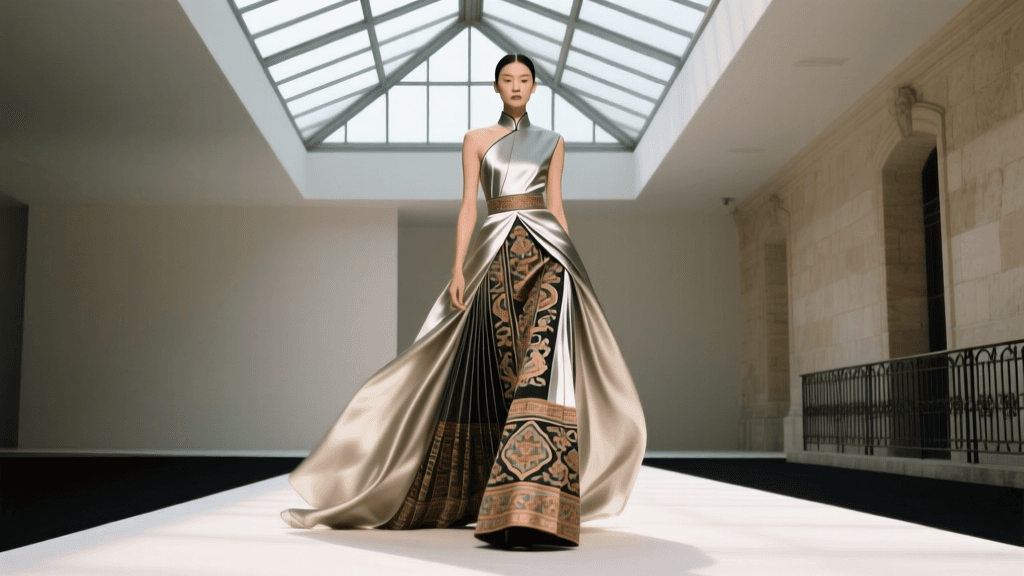
The global fashion landscape in 2026 has been irrevocably altered by the explosive international ascent of Xin Zhongshi, or the 'New Chinese Style'. Once a niche domestic movement blending traditional Hanfu elements with contemporary streetwear, Xin Zhongshi has officially graduated to the highest echelons of global haute couture. During Paris Fashion Week 2026, the runways were dominated by structural silhouettes, ancient weaving techniques, and a profound respect for Asian textile heritage. Designers are no longer merely appropriating oriental motifs; they are deeply integrating traditional Chinese garment engineering into modern luxury wardrobes.
The Global Ascent of Xin Zhongshi in 2026
At the Spring/Summer and Fall/Winter 2026 shows in Paris and Milan, the influence of traditional Chinese garments was undeniable. Visionary designers like Samuel Guì Yang and Uma Wang presented collections that recontextualized historical silhouettes for the modern cosmopolitan woman. The focus has shifted from superficial embroidery to structural integrity and textile innovation. The integration of traditional flat-pattern cutting with modern sustainable practices has made Xin Zhongshi a focal point for international buyers and fashion critics alike. This year, the narrative is entirely about the mastery of drape, the revival of intangible heritage crafts, and the architectural brilliance of ancient Chinese tailoring.
Signature Silhouettes Redefining the Runway
The Mamianqun (Horse-Face Skirt)
The Mamianqun, historically worn during the Ming and Qing dynasties, was the undisputed star of Paris Fashion Week 2026. Characterized by its flat front and back panels flanked by intricate, overlapping side pleats, the skirt offers a masterclass in kinetic movement. This year, designers elevated the Mamianqun by utilizing modernized Zhuanghua (brocade) techniques, weaving metallic threads and sustainable cellulose fibers to create lightweight yet structurally rigid skirts. The traditional floor-length silhouette was adapted into midi and asymmetrical cuts, paired with sharp, oversized blazers to create a striking juxtaposition of historical grace and modern power dressing.
Xiangyunsha (Gambiered Canton Gauze)
If there is one textile that defined luxury in 2026, it is Xiangyunsha. Originating from Guangdong province, this silk is dyed using the juice of the Dioscorea cirrhosa tuber and coated with the iron-rich mud of the Pearl River Delta. The result is a dual-toned fabric—deep mahogany on one side and glossy black on the other—with a crisp, paper-like rustle. Recognized on UNESCO's Intangible Cultural Heritage list, the sericulture and silk craftsmanship of China remain vital to this process. On the 2026 runways, Xiangyunsha was utilized for structured trench coats, wide-leg trousers, and voluminous opera coats, prized for its natural water resistance, antibacterial properties, and unparalleled breathable luxury.
The Modernized Beizi and Pifeng
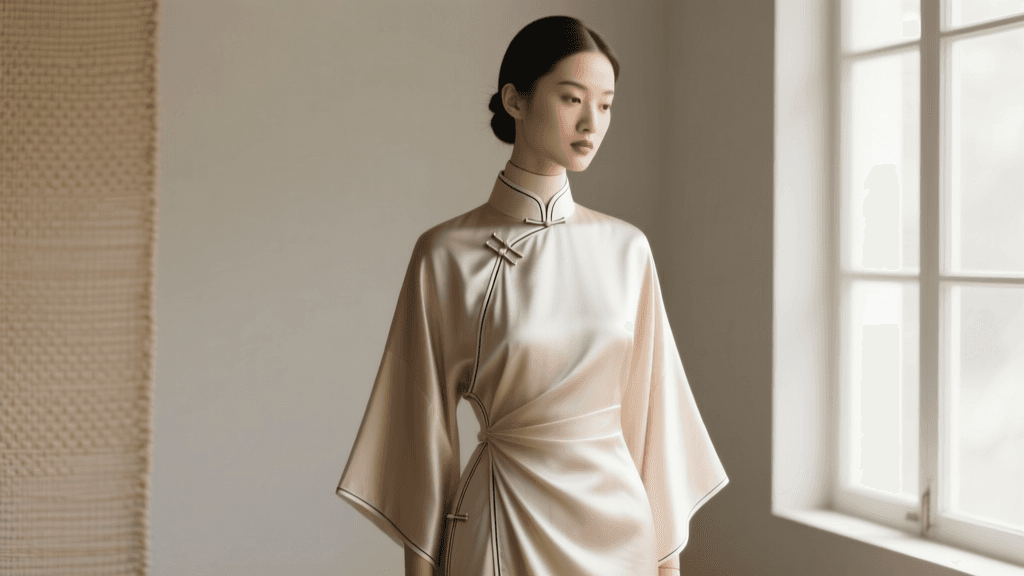
Outerwear in 2026 drew heavy inspiration from the Song Dynasty Beizi (a straight, open-front coat) and the Ming Dynasty Pifeng (a sleeveless or short-sleeved cape). Designers stripped away heavy historical linings, opting instead for sheer organza and raw silk to create ethereal, layered looks. These garments champion the traditional Chinese philosophy of 'leaving blank space' (Liubai), allowing the body to move freely within the garment rather than being constrained by it.
Museum Exhibitions Elevating Chinese Textile Heritage
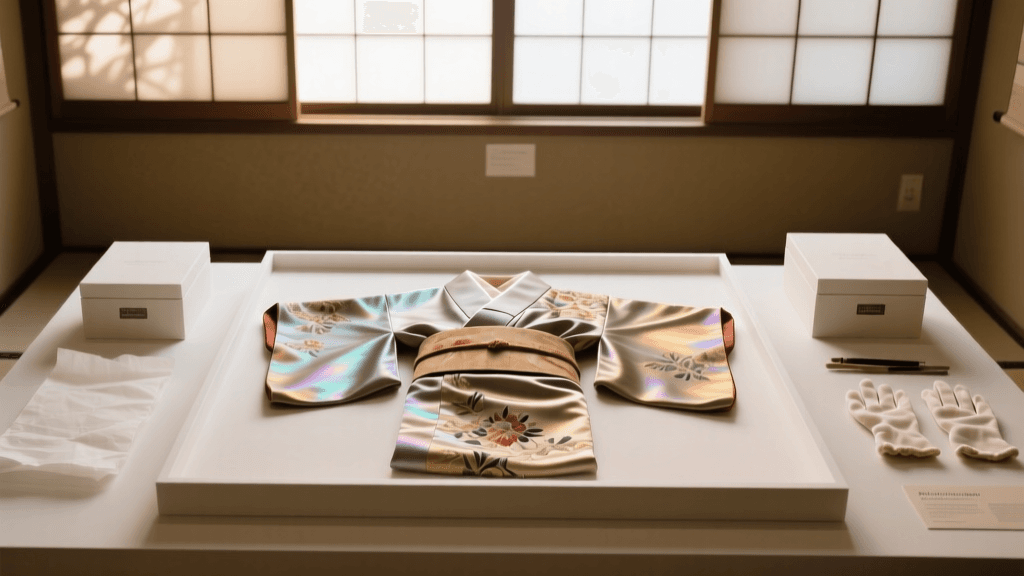
The runway revolution is heavily supported by institutional validation. Major global museums are currently hosting exhibitions that provide historical context to the Xin Zhongshi movement. The Metropolitan Museum of Art's Asian Art Department has been instrumental in showcasing the evolution of Chinese textile conservation, highlighting how ancient flat-pattern cutting influences modern zero-waste fashion design. Similarly, the Victoria and Albert Museum's Asian Collections have curated extensive displays focusing on the trade routes that historically distributed these luxurious silks, drawing direct lines from ancient merchant exchanges to the 2026 international design weeks. These exhibitions educate global audiences, ensuring that the cultural significance of garments like the Mamianqun is understood and respected, rather than merely consumed as a fleeting trend.
Structural Analysis: Eastern Flat-Pattern vs. Western Draping
To truly understand the impact of Xin Zhongshi on the 2026 runways, one must analyze the fundamental differences in garment construction. Western tailoring relies on 3D draping and complex darting to force fabric to conform to the body's curves. Traditional Chinese tailoring utilizes Pingmian Jiandan (flat-pattern cutting), where the fabric is treated as a 2D canvas, and the garment only achieves its 3D form when worn and moved in.
| Feature | Traditional Eastern Flat-Pattern | Traditional Western 3D Draping |
|---|---|---|
| Fabric Utilization | Zero-waste, utilizes full width of woven loom | High waste, requires aggressive cutting and darting |
| Shoulder Construction | Continuous shoulder seam, dropped or extended | Tailored shoulder pad, precise armhole scye |
| Drape and Movement | Fluid, relies on gravity and wearer's motion | Structured, holds shape independent of wearer |
| 2026 Runway Application | Oversized outerwear, Mamianqun pleats, Beizi coats | Corsetry, fitted bodices, tailored suiting |
In 2026, the most celebrated collections are those that successfully hybridize these two approaches. Designers are using Western tailoring for the bodice to provide support, while employing Eastern flat-pattern cutting for the skirts and sleeves to maximize fabric movement and minimize textile waste.
Curating and Styling Xin Zhongshi in 2026
For stylists, buyers, and enthusiasts looking to integrate authentic Xin Zhongshi pieces into their 2026 wardrobes, understanding sourcing and maintenance is critical. The market has bifurcated into mass-market interpretations and authentic heritage luxury.
- Investment Pricing: Authentic, heritage-woven Xiangyunsha silk commands a premium in 2026, typically ranging from $350 to $600 per yard due to the labor-intensive, weather-dependent mud-dyeing process. A fully tailored, authentic Mamianqun using genuine Zhuanghua brocade will cost between $800 and $2,500 from established heritage brands.
- Styling Advice: Avoid head-to-toe historical replication, which can look costumey. The 2026 styling rule is 'one anchor piece.' Pair a heavily pleated, woven Mamianqun with a minimalist, structured cashmere turtleneck and sleek leather boots. Contrast the historical volume with sharp, modern accessories.
- Garment Care: Xiangyunsha and raw silks require meticulous care. Never use alkaline detergents or machine wash. The iron-rich mud coating on Xiangyunsha can degrade if exposed to harsh chemicals. Professional dry cleaning with eco-friendly, silicone-based solvents is the 2026 industry standard for preserving the fabric's signature crisp hand-feel and dual-tone luster.
- Storage Maintenance: Store heavy brocade skirts flat or rolled on acid-free tubes to prevent permanent creasing of the pleats. Never hang a heavy Mamianqun by its waistband for long periods, as the gravitational pull will distort the intricate side pleats over time.
The Future of Asian Traditions on the Global Stage
The dominance of Xin Zhongshi at international design weeks in 2026 is not a passing fad; it is a permanent recalibration of the global fashion hierarchy. By elevating ancient weaving techniques, respecting traditional flat-pattern engineering, and presenting these elements through a lens of modern luxury, Asian traditions are setting the standard for the future of sustainable, culturally rich fashion. As global audiences become more educated on the profound history behind garments like the Mamianqun and textiles like Xiangyunsha, the demand for authentic, ethically produced heritage fashion will only continue to grow, cementing Chinese textile arts as a cornerstone of global design excellence.