Top Kyoto Shibori & Kimono Drafting Workshops 2026
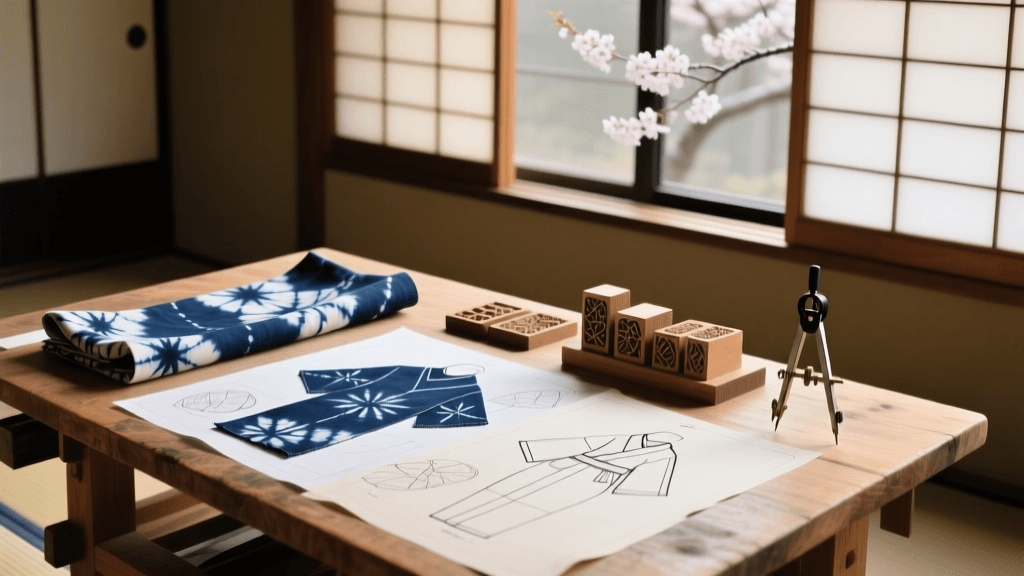
The Renaissance of Traditional Japanese Garment Making in 2026
As the global fashion industry continues its aggressive pivot toward sustainability and zero-waste design in 2026, traditional Asian garment construction has moved from a niche historical interest to a highly sought-after skill set for modern designers and hobbyists. Among the most revered disciplines are Japanese Shibori (intricate resist-dyeing techniques) and traditional Kimono pattern drafting. Unlike Western tailoring, which relies on complex curved seams and generates significant textile waste, the kimono is constructed from a single, uncut bolt of fabric known as a tanmono. This straight-line cutting method ensures that the garment can be entirely disassembled, cleaned, and re-sewn, embodying the ultimate circular fashion model.
For those looking to master these heritage techniques, 2026 offers an unprecedented array of workshops and seminars. Whether you are seeking an immersive, multi-week residency in Kyoto or a high-definition hybrid seminar accessible from your home studio, the educational landscape for traditional Asian textiles has never been more robust. According to cultural heritage advocates, the integration of modern macro-videography in online seminars has finally made the microscopic stitching of traditional Japanese silk accessible to global learners.
This comprehensive guide explores the top Kyoto Shibori and kimono drafting workshops available in 2026, comparing in-person intensives with premium online alternatives, and detailing the exact toolkit you need to begin your journey into traditional Japanese garment making.
The Zero-Waste Philosophy of the Tanmono
Before selecting a workshop, it is crucial to understand the foundational geometry of the kimono. A standard tanmono bolt measures approximately 36 to 40 centimeters in width and 12 meters in length. The entire garment—body panels, sleeves, collar, and overlap—is drafted using straight lines parallel to the selvedge. There are no darts, no curved armholes, and no discarded scraps.
Learning this system in 2026 provides modern pattern-makers with a profound new perspective on textile conservation. As noted by The Metropolitan Museum of Art, the structural integrity and longevity of Japanese dress are deeply tied to this modular, uncut approach to weaving and sewing. By mastering the tanmono system, contemporary designers are adapting these zero-waste geometries into modern outerwear, wrap dresses, and sustainable loungewear.
Premier In-Person Seminars in Kyoto
For the ultimate immersive experience, traveling to Kyoto remains the gold standard. The city's artisan guilds have updated their 2026 curricula to accommodate international students, offering robust English translation and specialized focus on natural dye chemistry alongside structural drafting.
Kyoto Heritage Textile Residency (Two-Week Intensive)
This elite, hands-on seminar takes place in a restored machiya (traditional wooden townhouse) in the Nishijin weaving district. The 2026 cohort is limited to just twelve students to ensure personalized instruction from master artisans. The first week focuses exclusively on Shibori techniques, specifically Kanoko (fawn-spot tie-dye) and Arashi (pole-wrapping), utilizing traditional fermented indigo (sukumo) vats. The second week transitions into kimono drafting, where students learn to measure, mark, and baste a complete Yukata (summer cotton kimono) using traditional bamboo tools.
- Duration: 14 days (Monday through Friday, 9:00 AM to 4:00 PM)
- 2026 Tuition: ¥285,000 (Approx. $1,900 USD), excluding materials and accommodation.
- Materials Fee: ¥45,000 for premium Awa indigo, cotton tanmono, and a personalized tool kit to keep.
- Prerequisites: Intermediate sewing skills; basic understanding of hand-basting is highly recommended.
The Artisan Guild Weekend Masterclasses
For travelers who cannot commit to a two-week residency, the Kyoto Artisan Guild offers specialized weekend masterclasses throughout 2026. These three-day seminars focus on singular techniques, such as Itajime (shape-resist dyeing using carved wooden blocks) or the precise art of the Eri (collar) attachment. These are highly intensive, fast-paced seminars designed for fashion professionals and advanced hobbyists.
Hybrid and Online Masterclasses for Global Learners
Not everyone can travel to Japan, and the 2026 educational market has responded with exceptional hybrid and fully remote seminars. The Japan National Tourism Organization (JNTO) has heavily promoted digital craft preservation, leading to a surge in high-quality online instruction.
Virtual Shibori & Drafting Certificate Program
Offered by a coalition of Kyoto-based instructors and international textile universities, this 12-week online program utilizes 4K multi-camera setups. Overhead cameras capture the precise folding techniques required for Shibori, while macro-lenses showcase the exact tension required for the chikara-ito (strength thread) used in kimono seam reinforcement. Students receive a physical materials box shipped globally before the course begins, containing pre-loomed cotton, natural indigo extract, and traditional marking tools.
- Duration: 12 weeks (one 3-hour live session per week, plus on-demand video library access).
- 2026 Tuition: $650 USD, including the international shipping of the physical materials box.
- Best Feature: Lifetime access to the 2026 updated video archive, allowing students to pause and review complex basting stitches in slow motion.
Workshop Format Comparison Chart
Choosing the right learning environment depends on your budget, schedule, and learning style. Below is a comparison of the primary workshop formats available in 2026.
| Format | Duration | 2026 Tuition (USD) | Materials Included | Best For |
|---|---|---|---|---|
| In-Person Residency | 14 Days | $2,200 | Full Tanmono, Indigo, Tools | Serious designers, immersive learners |
| Weekend Masterclass | 3 Days | $450 | Specific project fabrics | Travelers, targeted skill acquisition |
| Live Online Certificate | 12 Weeks | $650 | Shipped global materials box | Global students, working professionals |
| On-Demand Video Course | Self-Paced | $199 | Digital supply list only | Beginners, hobbyists on a budget |
Your Essential 2026 Garment Making Toolkit
Whether you are attending a seminar in Kyoto or learning from your home studio, traditional Japanese garment making requires specific tools that differ vastly from Western tailoring kits. The Victoria and Albert Museum (V&A) notes that the tools themselves are considered vital extensions of the artisan's intent. Here is what you must acquire before starting your 2026 coursework:
Measuring and Marking
- Shaku (Traditional Ruler): A bamboo ruler measuring approximately 37.8 centimeters. While modern metric rulers can be used, learning to read the shaku and its subdivisions (sun and bu) is essential for drafting from historical pattern books.
- Shirushi-ko (Marking Powder): Unlike Western chalk, traditional marking uses a fine powder applied through a stencil or brushed lightly, ensuring no residue is left on delicate silks.
Cutting and Creasing
- Hera (Bamboo Spatula): A smooth, polished bamboo tool used to create sharp, permanent creases in the fabric before sewing. It replaces the need for pins, which can leave permanent holes in tightly woven silk.
- Hasami (Japanese Shears): Traditional shears feature a unique angled handle that keeps the cutting blade perfectly parallel to the cutting mat, ensuring the straight lines of the tanmono are never distorted.
Sewing and Pressing
- Kote (Traditional Iron): Modern electric kote feature a narrow, elongated soleplate designed specifically for pressing open the long, straight seams of a kimono without stretching the bias.
- Harikui (Tension Pegs): Used in conjunction with a wooden stretching frame to hold the fabric taut while applying Shibori resist threads or during the final pressing phase.
How to Prepare and Apply for 2026 Cohorts
Admission to the premier in-person Kyoto residencies is highly competitive, with the 2026 spring and autumn cohorts often filling up within hours of registration opening. To maximize your chances of acceptance and ensure you get the most out of the seminar, follow these preparation steps:
- Build a Portfolio of Handwork: Even if you are a master of machine sewing, Kyoto instructors prioritize hand-basting proficiency. Submit photos of your hand-sewn seams, specifically focusing on stitch consistency and tension control.
- Familiarize Yourself with Textile Behavior: Practice working with slippery, lightweight fabrics like habotai silk or high-thread-count cotton batiste. Understanding how these fabrics shift and drape will give you a massive advantage when drafting the kimono sleeves (sode).
- Study the Vocabulary: While top seminars offer English translation, learning foundational Japanese textile terms—such as okumi (front overlap panel) and miyatsu-kuchi (the open slit under the women's sleeve)—will drastically speed up your comprehension during live demonstrations.
Conclusion
The decision to study traditional Shibori and kimono drafting is an investment in the future of sustainable fashion. By mastering the zero-waste geometry of the tanmono and the chemical poetry of natural indigo, you are not merely learning to sew; you are participating in a living heritage. Whether you choose the immersive, tactile environment of a Kyoto machiya or the innovative, multi-camera precision of a 2026 hybrid seminar, the skills you acquire will fundamentally transform your approach to garment construction, textile conservation, and mindful design.