Okinawan Ryusou and Bingata: Guide to Ryukyu Dress
The Distinctive Elegance of Ryukyuan Dress
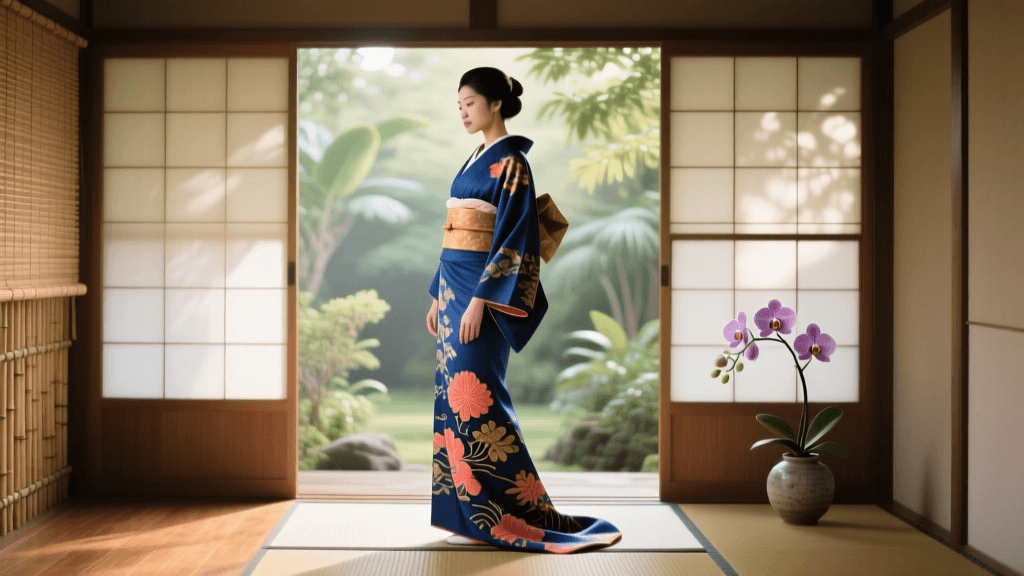
When discussing traditional Japanese clothing, the mainstream focus often gravitates toward the silk kimono of Kyoto or the Edo-period aesthetics of Tokyo. However, the Japanese archipelago is home to profound regional variations, none more striking than the traditional garments of the Ryukyu Islands (modern-day Okinawa Prefecture). Known collectively as Ryusou (琉装), Okinawan traditional dress evolved independently for centuries under the Ryukyu Kingdom, heavily influenced by its subtropical climate, indigenous practices, and vibrant trade networks with China and Southeast Asia.
For collectors, cultural enthusiasts, and travelers, understanding Ryusou offers a fascinating counterpoint to mainland Japanese fashion. The garments prioritize breathability, ease of movement, and a striking use of color that reflects the island's lush flora and azure coastlines. In this comprehensive guide, we will explore the structural differences between Ryusou and mainland kimono, delve into the world-renowned textiles of Bingata and Bashofu, and provide actionable advice for sourcing and wearing these regional masterpieces.
Structural Showdown: Ryusou vs. Mainland Kimono
The most immediate difference between Okinawan Ryusou and mainland Japanese kimono lies in their structural tailoring. While mainland garments are designed to create a cylindrical, layered silhouette suited for temperate and cold climates, Ryusou is engineered for heat dissipation and comfort in a humid, subtropical environment.
| Feature | Mainland Japanese Kimono | Okinawan Ryusou |
|---|---|---|
| Collar (Eri) | Tight, overlapping closely at the nape and chest. | Wide, open, and loosely crossed to allow chest ventilation. |
| Sleeves (Sode) | Attached to the body; tubular with small armholes. | Wide, open, and often unattached at the armpit (similar to a haori) for maximum breeze. |
| Fastening (Obi) | Thick, wide sashes tied in complex knots at the back. | Thin, lightweight sashes tied in simple knots, often at the front or side. |
| Undergarments | Multiple layers (juban, hadajuban, koshimaki). | Minimal layers; often worn directly over lightweight hemp or cotton innerwear. |
| Panel Width | Standardized around 36 cm per fabric panel. | Wider panels, typically 38 cm to 42 cm, creating a looser drape. |
This structural divergence means that Ryusou is inherently more forgiving in its fit. The wide sleeves, known as uchibari, function almost like built-in air conditioning, catching the ocean breeze. Furthermore, the absence of rigid, heavy obi knots makes Ryusou significantly more comfortable for extended wear in high temperatures, a crucial practical consideration for modern buyers looking for summer festival attire.
Masterpieces of the Subtropics: Bingata and Bashofu
The soul of Ryukyuan dress is found in its textiles. Okinawa's history as a maritime trading hub introduced advanced dyeing and weaving techniques that were subsequently adapted using local, indigenous materials. The Japanese Ministry of Economy, Trade and Industry (METI) recognizes several Okinawan textiles as Traditional Crafts, with Bingata and Bashofu standing at the pinnacle of this heritage.
Bingata: The Stencil-Resist Art of Color
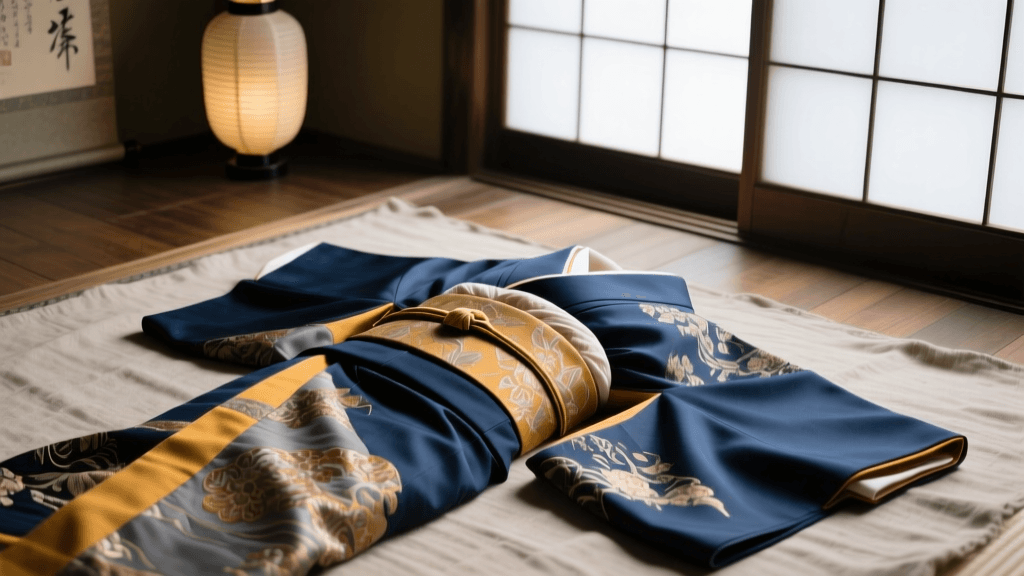
Bingata is a vibrant, stencil-resist dyeing technique that originated in the Ryukyu Kingdom. Historically, specific colors and motifs were strictly regulated by social class; for instance, brilliant yellows derived from the fukugi tree were reserved for royalty. Today, Bingata is celebrated for its bold, high-contrast patterns featuring local motifs like hibiscus flowers, palm fronds, ocean waves, and mythical Ryukyuan dragons.
Authentic Bingata is a labor-intensive process. Artisans carve intricate designs into mulberry paper stencils, apply a rice-paste resist to the fabric, and then hand-paint the dyes into the negative spaces using stiff brushes. According to experts at Kogei Japan, the defining hallmark of genuine hand-dyed Bingata is the slight color gradation (known as kumadori) within the motifs and the visible stencil alignment marks on the fabric edges. Machine-printed imitations lack this depth and are mass-produced for the tourist market, making it vital for buyers to inspect the reverse side of the fabric; true Bingata dye penetrates deeply, showing vibrant colors on both sides.
Bashofu: The Ethereal Banana Fiber
While Bingata provides the color, Bashofu provides the ultimate subtropical texture. Woven from the fibers of the ito-basho (Japanese fiber banana) plant, Bashofu is renowned for being incredibly lightweight, crisp, and breathable. The production process is staggering: it takes approximately 200 banana plants to produce enough fiber for a single adult's garment. The fibers are scraped, boiled, split by hand into microscopic threads, and woven on traditional looms. The resulting fabric has a translucent, slubbed texture that feels cool against the skin, making it the most prized (and expensive) summer textile in Okinawa.
Practical Guide: Sourcing, Sizing, and Styling Ryusou
For those looking to acquire authentic Okinawan garments, whether for personal wear, collection, or cultural study, navigating the market requires specific knowledge of sizing, costs, and regional sourcing hubs.
Measurements and Tailoring
Unlike mainland kimono, which require precise kitsuke (dressing) adjustments to manage excess length, Ryusou is generally tailored to ankle length without folding at the waist. When commissioning or buying vintage Ryusou, pay attention to the following measurements:
- Yuki (Sleeve Span): Because the sleeves are wide and open, the yuki measurement is less restrictive. A standard span of 65-70 cm will comfortably fit most adult wearers due to the open armpit construction.
- Migoro (Body Width): Look for a back width (se-cho) of at least 60 cm to ensure the garment drapes loosely rather than pulling tight across the shoulders.
- Take (Length): Measure from the base of the neck to the ankle bone. Standard women's lengths range from 120 cm to 135 cm, while men's range from 135 cm to 150 cm.
Cost Breakdown: What to Expect
Pricing for Ryukyuan garments varies wildly based on the textile, the artisan's lineage, and whether the piece is new or vintage.
- Cotton Yukata / Print Bingata: 15,000 to 35,000 JPY. Ideal for casual summer festivals and everyday wear.
- Vintage Silk/Hemp Bingata: 50,000 to 150,000 JPY. Excellent for collectors; look for pieces from the mid-Showa era featuring traditional natural dyes.
- Custom Hand-Dyed Bingata Silk: 300,000 to 800,000+ JPY. Commissioned directly from studios, requiring a 6 to 12-month waiting period.
- Authentic Bashofu: 500,000 to 2,000,000+ JPY. Due to the endangered status of the weavers and the immense labor involved, genuine Bashofu is a rare investment-grade textile.
Timing and Where to Buy
If you are planning a sourcing trip to Okinawa, timing is everything. The absolute best time to purchase traditional textiles is during the Naha Hari (Naha Needle Festival), held annually in early October at the Naha Civic Athletic Stadium. This event gathers hundreds of artisans, weavers, and dyers from across the prefecture, offering rare vintage pieces, direct-to-consumer studio sales, and custom fitting services.
For year-round sourcing, bypass the generic souvenir shops on Naha's Kokusai Dori and head directly to the source:
- Yomitan Village: The cultural heart of Okinawan crafts. Visit historic studios like Chinen Bingata or Shiroma Bingata, which have maintained their family lineages since the Ryukyu Kingdom era.
- Kijoka Village (Ogimi): The epicenter of Bashofu weaving. The Kijoka Bashofu Association occasionally holds exhibitions where you can purchase directly from the weavers.
Experiencing the Culture Firsthand
To truly appreciate the context of these garments before making a purchase, it is highly recommended to study the historical collections preserved by local institutions. The Okinawa Prefectural Museum & Art Museum in Naha houses an exceptional permanent exhibition of royal Ryusou, detailing the strict sumptuary laws of the Ryukyu Kingdom and displaying pristine examples of antique Bashofu and royal Bingata. Seeing the subtle sheen of century-old banana fiber and the faded, organic tones of historical plant dyes provides an invaluable baseline for evaluating the quality of modern and vintage pieces in the marketplace.
Ultimately, embracing Okinawan Ryusou is about more than just acquiring a beautiful garment; it is an engagement with a resilient culture that adapted its sartorial traditions to thrive in harmony with a demanding, beautiful subtropical environment. Whether you are tying a lightweight cotton sash for a summer Obon festival or investing in a hand-carved Bingata silk piece, you are participating in the living, breathing heritage of the Ryukyu Islands.