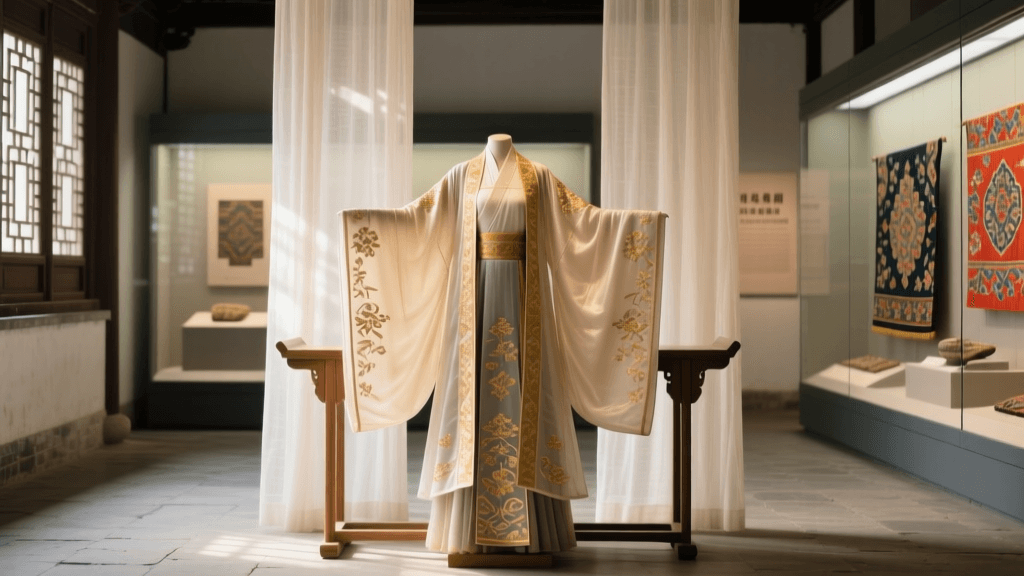
Vintage Silk Kimono Preservation & Restoration Guide 2026
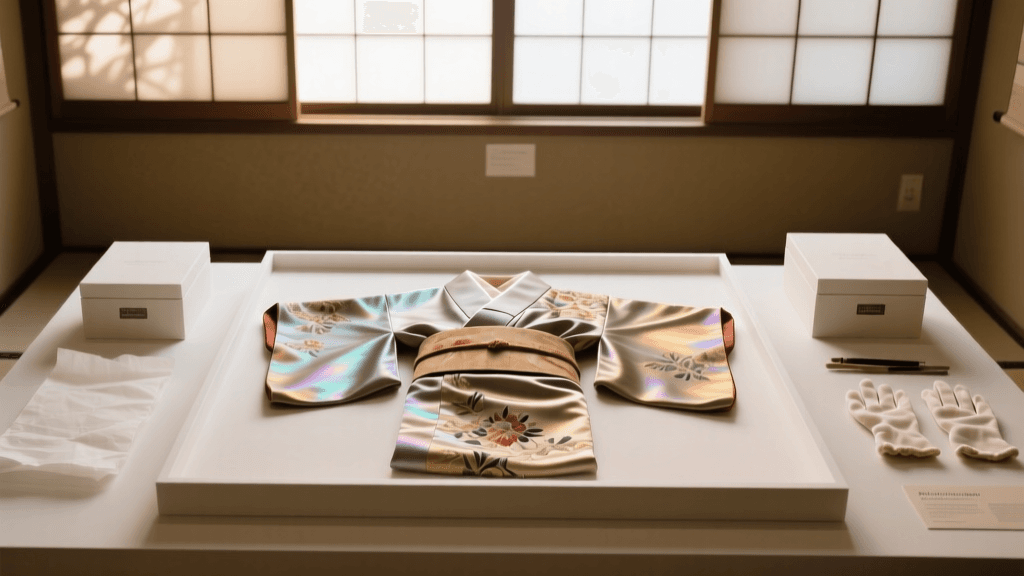
The Evolution of Silk Kimono Preservation in 2026
Owning a vintage silk kimono is akin to holding a piece of living history. Whether it features intricate Yuzen dyeing, delicate Shibori tie-dye patterns, or luxurious metallic thread embroidery, the silk fibroin protein that makes up these garments is inherently fragile. As we navigate the preservation landscape in 2026, the intersection of traditional Japanese garment care and modern museum-grade conservation science has provided collectors and families with unprecedented tools to protect their heirlooms. The days of relying solely on mothballs and cedar chests are behind us; today, archival preservation requires a meticulous understanding of textile chemistry, climate control, and specialized storage materials.
In recent years, the global market for vintage Asian garments has surged, making the proper care of these textiles more critical than ever. Improper storage can lead to 'shattering' (the irreversible splitting of silk fibers), foxing (brown age spots), and permanent crease damage. This comprehensive guide outlines the definitive 2026 standards for storing, cleaning, and restoring vintage silk kimonos and obis in a home environment, ensuring they survive for generations to come.
Archival Storage: Moving Beyond the Traditional Tansu
Historically, kimonos were stored in a tansu (a traditional Japanese wooden chest) made of Paulownia or Cedar wood. While these woods naturally repel insects and regulate moisture to some degree, they are not entirely acid-free and can off-gas volatile organic compounds (VOCs) that accelerate silk degradation over decades. In 2026, textile conservators strongly recommend transitioning vintage and highly valuable silk garments into acid-free, buffered archival enclosures.
When selecting archival storage, you must use boxes made from lignin-free, acid-free corrugated board. For silk, which is a protein fiber, unbuffered acid-free materials are generally preferred, as the alkaline buffer used for cotton and linen can damage protein fibers over time. A standard museum-quality textile box in 2026 typically measures 36 x 18 x 12 inches and costs between $65 and $95. These boxes should be lined with unbleached, washed cotton muslin or acid-free tissue paper to prevent the silk from snagging on the cardboard corrugation.
Comparison of 2026 Kimono Storage Methods
| Storage Method | Pros | Cons | Estimated 2026 Cost |
|---|---|---|---|
| Traditional Paulownia Tansu | Aesthetically pleasing; natural insect repellent properties; traditional authenticity. | Wood can off-gas acids; heavy; difficult to maintain strict internal climate control. | $800 - $2,500+ |
| Archival Flat Storage Box | 100% acid-free; prevents light damage; stackable; museum-standard preservation. | Requires significant shelf space; lacks traditional display appeal. | $65 - $95 per box |
| Padded Archival Roller | Eliminates hard fold lines; prevents silk shattering at the creases; ideal for heavy Obis. | Garments must be unrolled to be viewed; requires specialized shelving. | $40 - $60 per roller |
Climate Control and Smart Monitoring
Silk is highly hygroscopic, meaning it readily absorbs and releases moisture from the surrounding air. Fluctuations in relative humidity (RH) cause the fibers to expand and contract, leading to structural fatigue. According to guidelines published by the Victoria and Albert Museum's conservation department, maintaining a stable environment is the single most important factor in textile preservation. For 2026 home archives, the ideal temperature is a steady 65°F to 68°F (18°C to 20°C), with a relative humidity strictly maintained between 45% and 50%.
To achieve this, modern collectors utilize smart Bluetooth hygrometers and Wi-Fi-enabled environmental sensors. These 2026 devices can be placed directly inside archival boxes or display cabinets, sending real-time alerts to your smartphone if the humidity spikes above 55% (which invites mold and silverfish) or drops below 40% (which makes the silk brittle). If you live in a humid climate, integrating a desiccant cassette system, such as rechargeable silica gel canisters, inside your storage cabinets is essential. These canisters can be recharged by plugging them into a wall outlet, offering a sustainable, eco-friendly alternative to disposable moisture absorbers.
Safe Stain Removal for Vintage Silk
Spot cleaning vintage silk is fraught with peril. Water can cause 'water rings' by shifting the dyes, and harsh chemical solvents can strip the natural luster of the silk or dissolve the metallic threads used in Nishijin weaving. If you discover a stain on a vintage kimono, the first rule of 2026 conservation is to identify the stain type before taking action.
For organic stains (such as food, sweat, or wine), enzymatic cleaners specifically formulated for protein fibers are the safest option. However, you must never apply the cleaner directly to the garment. Instead, follow this meticulous protocol:
- Test for Colorfastness: Dampen a cotton swab with distilled water and gently press it against an inconspicuous area, such as the inside of the sleeve lining (the hakkake). If any dye transfers to the swab, stop immediately and consult a professional.
- Blot, Don't Rub: If the area is colorfast, apply a micro-drop of specialized silk enzymatic cleaner to a clean, white microfiber cloth. Gently blot the stain from the outside edges moving inward to prevent the stain from spreading.
- Rinse and Dry: Use a separate cloth dampened only with distilled water to blot away the cleaning residue. Place the cleaned area between two pieces of acid-free blotting paper and apply light, even pressure to draw out the moisture. Allow it to air dry completely in a well-ventilated, dark room before returning it to storage.
The American Institute for Conservation consistently advises against using commercial spot removers, bleach, or household detergents on historical textiles, as the long-term chemical residues will accelerate fiber decay.
The Art of Folding: Tatou vs. Archival Rolling
The traditional Japanese folding method, known as tatou, is designed to make the kimono a neat, flat rectangle that stacks easily in a shallow drawer. While culturally significant and practical for daily wear garments, the tatou method creates sharp, permanent creases along the shoulders, sleeves, and back seam. On vintage silk that is over 50 years old, these repeated stress points are exactly where 'silk shattering' begins.
For long-term archival preservation in 2026, conservators recommend modifying the traditional fold or abandoning it entirely for heavily embroidered or fragile pieces. If you must fold the kimono to fit into a flat archival box, pad every single fold line with rolls of acid-free, unbuffered tissue paper. This creates a soft, rounded curve at the crease rather than a sharp, fiber-breaking edge.
For heavily embellished garments, such as wedding Uchikake or stiff, brocade Obis, folding is strictly prohibited. These items should be rolled face-out around an acid-free cardboard tube padded with polyester batting and covered in washed cotton muslin. Rolling distributes the tension evenly across the textile, completely eliminating the risk of crease-related shattering.
When to Consult a Professional Conservator
While home maintenance is excellent for prevention, certain types of damage require the intervention of a certified textile conservator. You should seek professional restoration services if you observe any of the following:
- Silk Shattering: If the silk splits or tears along fold lines with the slightest touch, the structural integrity of the fibroin has failed. A conservator can apply a stabilizing backing using reversible conservation adhesives and sheer silk crepeline.
- Severe Foxing or Mold: Brown fungal spots or active mold blooms require specialized chemical treatments and HEPA-filtered vacuuming in a controlled laboratory environment to prevent spores from spreading to your entire collection.
- Dye Bleeding: If moisture has caused the vibrant Yuzen dyes to migrate into adjacent white spaces, professional solvent washing is required to draw out the fugitive dyes without stripping the original colors.
In 2026, professional textile conservation is a highly specialized field. Expect to pay between $150 and $300 per hour for expert restoration, with full stabilization of a shattered kimono often ranging from $800 to $2,500 depending on the garment's complexity and the extent of the damage. Always ensure your conservator is a member of a recognized national heritage organization and adheres to the principle of reversibility in all their treatments.
Conclusion
Preserving a vintage silk kimono is a profound responsibility that bridges the gap between historical artistry and modern science. By upgrading from traditional wooden storage to 2026 archival-grade enclosures, utilizing smart climate monitoring, and employing cautious, scientifically backed cleaning methods, you can halt the degradation of these magnificent garments. Whether you are safeguarding a family heirloom or a rare collector's piece, treating your Asian textiles with museum-level respect ensures that their vibrant patterns and intricate craftsmanship will continue to tell their stories for centuries to come.