A Guide to China's Top Hanfu and Textile Museums
The Renaissance of Hanfu Through Institutional Preservation
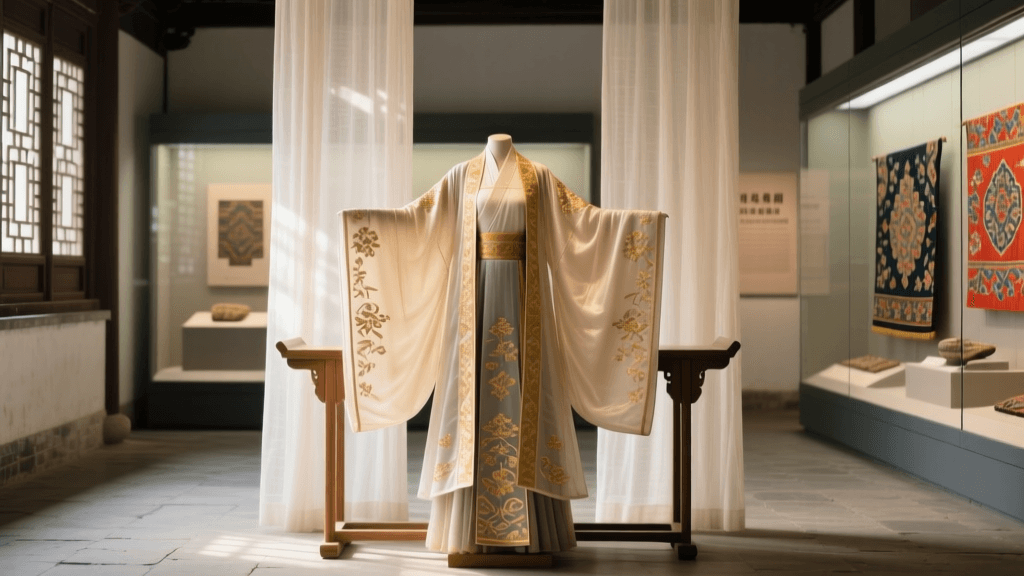
The modern Hanfu revival is not merely a fashion trend; it is a profound cultural renaissance rooted in meticulous historical research. For enthusiasts, historians, and travelers alike, understanding the structural integrity, fabric drape, and aesthetic philosophy of traditional Chinese clothing requires moving beyond digital screens and stepping into the physical archives of China's premier textile museums. These institutions serve as the bedrock of the Hanfu movement, preserving the fragile silk, brocade, and gauze garments that dictate how modern artisans recreate historical silhouettes.
As noted in the comprehensive research on Chinese Silk on the Met Museum's Heilbrunn Timeline, the evolution of Chinese textiles is deeply intertwined with the technological advancements of the loom and the sociopolitical shifts of dynastic rule. To truly appreciate the transition from the flowing, ethereal layers of the Wei-Jin period to the structured, heavily embroidered garments of the Ming dynasty, one must visit the heritage sites where these artifacts are conserved. This guide provides an in-depth, actionable itinerary for exploring China's top Hanfu and textile museums, complete with practical travel advice, garment-specific highlights, and cultural etiquette.
The China National Silk Museum (Hangzhou)
Located near the scenic West Lake in Hangzhou, the China National Silk Museum (CNSM) is the largest silk museum in the world and an essential pilgrimage site for Hanfu enthusiasts. Hangzhou has been the epicenter of Chinese silk production for over a millennium, particularly during the Southern Song dynasty, when the capital was relocated to Lin'an (modern-day Hangzhou).
What to Look For: Song Dynasty Aesthetics and Weave Structures
The CNSM's permanent exhibition on the Silk Road and Chinese textile history offers a masterclass in fabric weaves that define specific Hanfu garments. Pay close attention to the displays featuring Luo (gauze) and Duan (satin). The museum houses exquisitely preserved fragments of Song dynasty Beizi (long, open-front jackets) and Mamianqun (horse-face skirts). Observing the microscopic weave of the Luo gauze helps visitors understand why Song dynasty garments possessed such a lightweight, breathable drape, making them ideal for the humid southern climates.
The museum also features interactive loom demonstrations. Watching artisans operate traditional wooden draw-looms provides crucial context for the complex Zhijin (gold weaving) techniques used in imperial court garments. The gift shop is highly recommended for purchasing authentic, museum-vetted silk scarves and small textile swatches that can serve as reference materials for bespoke Hanfu tailoring.
The Nanjing Yunjin Museum (Nanjing)
While Hangzhou is celebrated for its delicate silks, Nanjing is the undisputed capital of Yunjin, or "cloud brocade." The Nanjing Yunjin Museum is dedicated to the preservation of this extravagant, heavily patterned silk fabric that was exclusively reserved for imperial use during the Ming and Qing dynasties. The craftsmanship of Yunjin is so culturally significant that it is officially recognized on the UNESCO Intangible Cultural Heritage list for Sericulture and Silk Craftsmanship.
What to Look For: Ming Dynasty Imperial Silhouettes
For Hanfu practitioners focusing on Ming dynasty attire, this museum is unparalleled. The exhibits showcase the intricate Zhuanghua (妆花) weaving technique, a method where colored wefts are added to the fabric using small bobbins, allowing for incredibly complex, multi-colored patterns without the back of the fabric becoming tangled. Here, you can study the exact motifs used on the Mang Pao (python robes) and Feiyu Fu (flying fish garments) worn by high-ranking Ming officials and imperial guards.
The centerpiece of the museum is the massive, multi-story wooden draw-loom. It requires two weavers to operate—one sitting atop the loom to pull the warp threads according to a coded pattern, and another below to weave the weft. Understanding the sheer scale and labor intensity of this loom fundamentally shifts one's appreciation for the high cost and structural rigidity of authentic Ming-style brocade Hanfu.
The Chengdu Shu Brocade Weaving Museum (Chengdu)
Journeying westward to Sichuan province, the Chengdu Shu Brocade Weaving Museum explores the ancient roots of Shu brocade, a textile tradition dating back over 2,000 years to the Han dynasty. Shu brocade is characterized by its vibrant colors, warp-faced compound weaves, and bold, geometric, and floral patterns that heavily influenced the cosmopolitan fashion of the Tang dynasty.
What to Look For: Tang Dynasty Vibrancy and Banbi Jackets
The museum's historical section details how Shu brocade was a primary commodity on the Southern Silk Road. For Hanfu tailors and designers, the exhibits on Tang dynasty textiles are particularly inspiring. Look for the structural remnants and artistic depictions of the Banbi (half-sleeve jackets) and Qixiong Ruqun (chest-high skirts). The vibrant reds, deep greens, and golds of Shu brocade highlight the bold, unapologetic aesthetic of the Tang era, contrasting sharply with the subdued elegance of the Song dynasty.
Comparative Guide to China's Top Textile Museums
To help you plan your heritage tour, below is a structured comparison of these three foundational institutions.
| Museum Name | Location | Primary Textile Focus | Estimated Entry Cost | Best Season to Visit |
|---|---|---|---|---|
| China National Silk Museum | Hangzhou, Zhejiang | Silk gauze, satin, Song aesthetics | Free (Special exhibits ~50 RMB) | Spring (March-May) |
| Nanjing Yunjin Museum | Nanjing, Jiangsu | Cloud brocade, Ming imperial robes | Free (ID/Passport required) | Autumn (Sept-Nov) |
| Chengdu Shu Brocade Museum | Chengdu, Sichuan | Warp-faced brocade, Tang motifs | ~30 RMB | Autumn (Sept-Nov) |
Actionable Advice: Planning Your Hanfu Heritage Tour
Visiting these museums requires more than just showing up at the door. China's cultural institutions have digitized their operations, and understanding the logistics will ensure a seamless experience.
Timing, Ticketing, and Digital Logistics
- WeChat Mini-Programs: Most major Chinese museums, including the CNSM and Yunjin Museum, require advance reservations. You must book via their official WeChat Mini-Programs (search the museum's Chinese name in WeChat). Tickets are usually released 3 to 7 days in advance and sell out quickly on weekends.
- Passport Requirements: Foreign visitors must bring their physical passports. While Chinese citizens use their national ID cards to scan through the turnstiles, foreigners must present their passports at the manual verification desk.
- Weekday Mornings: To avoid the crowds of domestic tour groups and school field trips, book your entry for a Tuesday or Wednesday morning right at opening time (usually 9:00 AM). This allows for uninterrupted photography and study of the garment displays.
Dressing the Part: Hanfu Rentals Near Museums
Immersing yourself in the culture often involves wearing Hanfu to the museum. However, matching your attire to the regional history elevates the experience.
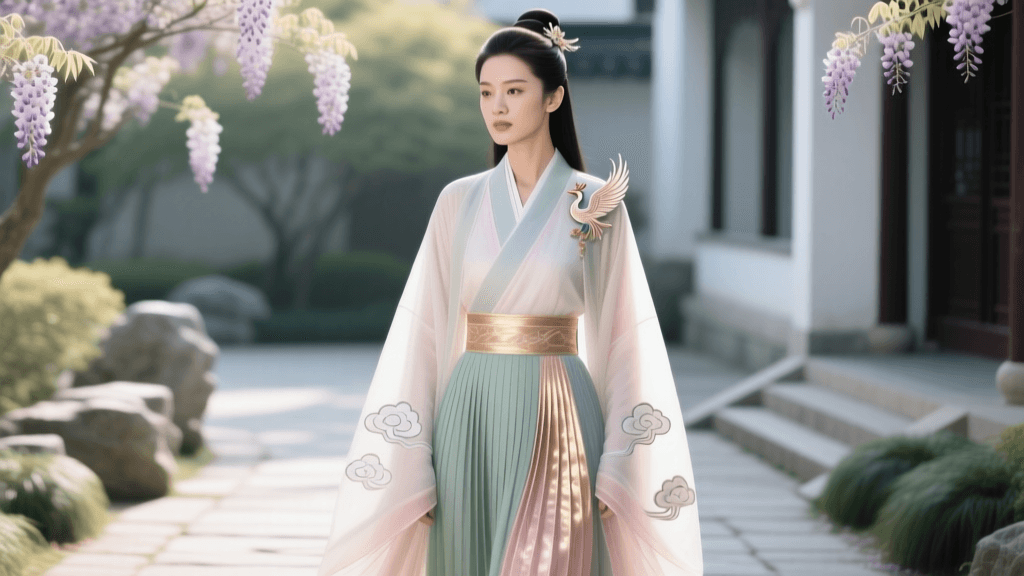
- In Hangzhou: Rent a Song dynasty Beizi and Bai pleated skirt. The lightweight, minimalist aesthetic perfectly mirrors the misty, poetic atmosphere of West Lake and the Southern Song artifacts inside the CNSM.
- In Nanjing: Opt for a Ming dynasty Aoqun (lined jacket and horse-face skirt). The structured collars, heavy brocade fabrics, and metal buttons reflect the imperial grandeur of the Ming capital and the Yunjin brocade on display.
- Rental Costs: Expect to pay between 150 RMB and 350 RMB ($20 - $50 USD) for a full-day rental, which typically includes the garment set, basic hair styling, and accessories. Always inspect the seams and fabric quality before leaving the shop.
Museum Etiquette and Photography Rules
While museums encourage the appreciation of Hanfu, strict preservation rules apply to the artifacts.
"The survival of ancient silk relies on the strict mitigation of light exposure and physical vibration. Flash photography and heavy footsteps are the silent enemies of dynastic textiles." — Conservation Guidelines for Asian Textile Archives
- No Flash Photography: Silk proteins degrade rapidly under intense, sudden bursts of light. Ensure your camera or smartphone flash is completely disabled before entering the textile galleries.
- Tripods and Selfie Sticks: These are universally banned in Chinese museum galleries to prevent accidental damage to glass display cases and other visitors. Use a gimbal or rely on steady handheld shots.
- Respect the Artisans: If you encounter intangible heritage artisans operating looms in the museum's demonstration areas, always ask for permission before filming them. A polite bow and a smile go a long way in establishing mutual respect.
Conclusion
Exploring China's Hanfu and textile museums bridges the gap between ancient craftsmanship and modern cultural revival. By studying the warp and weft of Yunjin brocade, the delicate gauze of Hangzhou silk, and the vibrant motifs of Shu textiles, enthusiasts gain a profound, tactile understanding of Asian traditions. Whether you are a historian, a tailor, or a passionate traveler, these heritage sites offer an indispensable, awe-inspiring look into the sartorial soul of China.