Xin Zhongshi Style 2026: Build Your New Chinese Wardrobe
The Renaissance of Xin Zhongshi in 2026
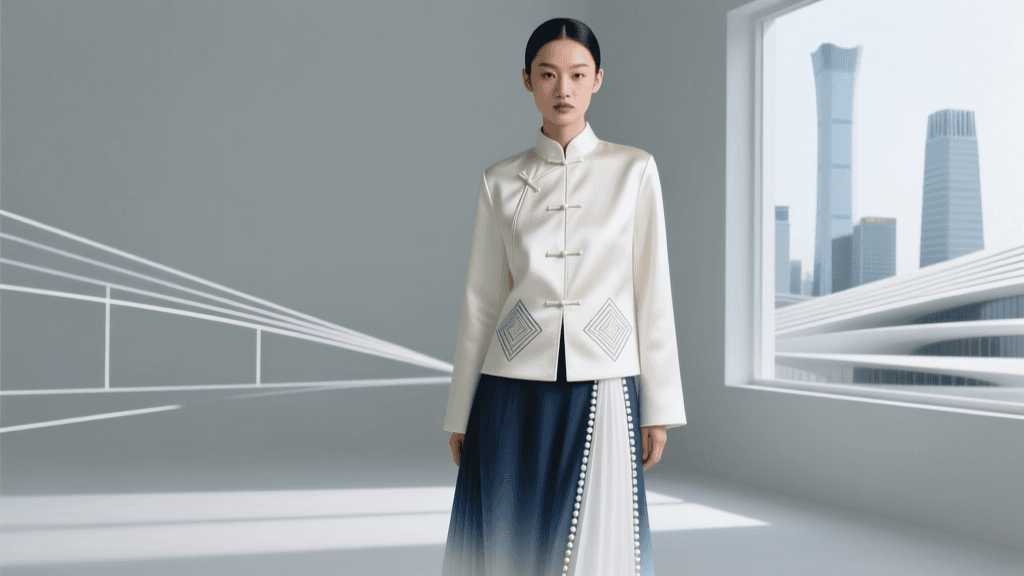
The fashion landscape of 2026 has firmly embraced Xin Zhongshi (新中式), or the 'New Chinese Style,' moving far beyond fleeting runway trends to become a foundational pillar of global contemporary wardrobes. Unlike the strict historical revivalism of the traditional Hanfu movement, Xin Zhongshi prioritizes the seamless integration of heritage motifs, structural tailoring, and ancient textile techniques into modern, everyday silhouettes. It is the intersection of quiet luxury and profound cultural lineage.
As we navigate 2026, the New Chinese Style movement has evolved away from loud, overt branding and costume-like replicas. Today’s aesthetic focuses on 'Quiet Heritage'—subtle tonal embroidery, ergonomic draping, and the use of advanced fabric blends that honor traditional craftsmanship while accommodating the rigors of modern urban life. According to the Victoria and Albert Museum's archives on Chinese dress, the historical evolution of Chinese garments has always been defined by a shift from flat, geometric cutting to more structured forms; the 2026 Xin Zhongshi movement represents the ultimate synthesis of these two worlds, blending the elegance of flat-cut draping with modern 3D tailoring.
Deconstructing the Core Garments
Building a functional Xin Zhongshi capsule wardrobe requires understanding the foundational pieces that define the movement. These garments anchor the wardrobe, allowing for endless mix-and-match possibilities with both heritage and Western basics.
1. The Modern Mamianqun (Horse-Face Skirt)
The Mamianqun, characterized by its flat front and back panels (guangmian) and intricately pleated sides (zhe), remains the undisputed centerpiece of the New Chinese Style. In 2026, the modern Mamianqun has been re-engineered for daily wear. While traditional versions relied on wrap-around ties and heavy brocades, contemporary iterations feature hidden side-zippers, adjustable interior waistbands, and lighter, machine-washable jacquard blends.
2026 Styling Tip: Opt for a midi-length Mamianqun (falling just below the calf) in matte, tonal colors like ink blue, celadon, or charcoal. Pair it with a simple, fitted ribbed-knit turtleneck to balance the volume of the side pleats. The structured waistband of the 2026 versions allows the skirt to sit comfortably at the natural waist without the bulk of traditional tying methods.
2. Song Dynasty-Inspired Minimalist Tops
Drawing inspiration from the slender, elegant silhouettes of the Song Dynasty, modern Xin Zhongshi tops emphasize clean lines and subtle detailing. The Jiaoling Youren (cross-collared right-over-left closure) is a ubiquitous motif. However, 2026 designs interpret this through the lens of minimalist poplin blouses, lightweight merino wool wrap-cardsigans, and structured cotton tunics. The collars are often softened or reduced in height to prevent chafing and to layer effortlessly under modern blazers.
3. Pankou-Knot Outerwear and Tailoring
The Pankou (frog button) has transcended its origins as a mere functional fastener to become a structural design element. In 2026, outerwear featuring Pankou knots ranges from tailored wool trench coats to cropped denim jackets. Modern artisans are crafting these knots using durable resin cores, metallic threads, and even 3D-printed flexible polymers, ensuring they maintain their intricate floral or geometric shapes without fraying or losing tension over years of wear.
2026 Fabric Innovations and Heritage Textiles
The soul of Xin Zhongshi lies in its textiles. The Metropolitan Museum of Art's Heilbrunn Timeline of Art History notes that Chinese silk weaving has been a cornerstone of global textile trade for millennia. Today, that legacy is being pushed forward through sustainable tech-blends.
- Xiangyunsha (Gambiered Canton Gauze): Recognized by the UNESCO Intangible Cultural Heritage list, this traditional silk is dyed with yam juice and river mud, resulting in a rich, crackled, leathery texture. In 2026, textile innovators have developed Xiangyunsha-Tencel blends, reducing the fabric's traditional stiffness while retaining its natural antimicrobial and temperature-regulating properties.
- Wrinkle-Resistant Song Brocade (Songjin): Historically reserved for nobility, modern Songjin is now woven with micro-filament polyester warps and pure silk wefts, creating a luxurious, lustrous fabric that can be packed in a suitcase and emerge entirely wrinkle-free.
- Bamboo-Silk Linens: For the warmer months, bamboo-silk blends offer the lustrous drape of mulberry silk with the breathable, moisture-wicking durability of bamboo linen, perfect for everyday cross-collared shirts.
The 2026 Xin Zhongshi Capsule Wardrobe Matrix
To build a cohesive wardrobe, focus on these versatile anchor pieces. Below is a curated checklist of essential garments, their traditional roots, and their 2026 modern adaptations, complete with current market pricing for authentic, ethically sourced pieces.
| Garment | Traditional Element | 2026 Modern Twist | Est. Price (USD) |
|---|---|---|---|
| Midi Mamianqun | Pleated side panels, flat front | Hidden zip, matte jacquard, machine-washable | $120 - $280 |
| Cross-Collar Blouse | Song Dynasty Jiaoling Youren | Crisp cotton poplin, shortened collar stand | $65 - $140 |
| Pankou Blazer | Frog knot closures | Resin-core knots, relaxed drop-shoulder fit | $180 - $350 |
| Stand-Collar Vest (Magua) | Qing dynasty riding vest | Quilted tech-fleece, asymmetrical zip | $90 - $160 |
| Xiangyunsha Wrap Dress | Mud-dyed gambiered silk | Tencel blend, adjustable waist tie, slip-lined | $250 - $450 |
Proportions and Styling Rules for Modern Life
The key to mastering Xin Zhongshi without looking like you are wearing a historical costume lies in proportion and juxtaposition. Follow these styling rules to ground your heritage pieces in contemporary 2026 fashion:
- The Rule of Thirds: When wearing a voluminous Mamianqun, ensure your top is cropped or tucked in to define the waist. A 1:2 ratio (top to skirt) creates a balanced, elongating silhouette.
- Texture Juxtaposition: Pair the delicate, lustrous sheen of a Song brocade top with rugged, matte textures like raw selvedge denim or heavy cotton canvas. This contrast immediately modernizes the traditional textile.
- Footwear Grounding: Avoid traditional cloth shoes for everyday wear. Instead, ground your Xin Zhongshi outfits with chunky leather loafers, minimalist white leather sneakers, or structured Chelsea boots. The heavy, modern footwear anchors the flowing drape of the garments.
- Subtle Accessorizing: Swap out loud jewelry for jade pendants set in matte gold, or use a single, oversized Pankou knot as a hair tie or bag charm. Let the garment's embroidery serve as the primary focal point.
Garment Care and Storage Maintenance
Preserving the structural integrity of Xin Zhongshi garments requires specific care, especially for pleated skirts and delicate silk blends.
- Pleat Maintenance: Never iron a Mamianqun directly, as this will flatten the side pleats. Instead, use a handheld steamer on a low setting, gently pulling the fabric taut. When storing, hang the skirt using a clip-hanger with felt pads to avoid creasing the waistband, and lightly mist it with a fabric refresher formulated for silk.
- Pankou Care: The intricate loops of frog buttons can catch on rough surfaces. When washing outerwear with Pankou closures, always turn the garment inside out and place it in a mesh laundry bag to protect the knots from snagging and unraveling.
- Silk Storage: For Xiangyunsha and pure silk pieces, avoid wire hangers which can distort the shoulder seams. Use padded wooden hangers and store the garments in breathable cotton garment bags. Include natural cedar blocks in your closet to deter moths without introducing harsh chemical odors into the porous silk fibers.
Sourcing Authentic Pieces in 2026
As the Xin Zhongshi market has expanded, so has the prevalence of fast-fashion imitations that compromise on fabric quality and cultural accuracy. When building your capsule, prioritize brands that transparently source their textiles and collaborate with heritage artisans. Look for certifications regarding the origin of the silk and the ethical treatment of the weavers. Many premier 2026 collections now offer digital passports via NFC tags woven into the garment's label, allowing you to trace the silk from the sericulture farms in Zhejiang directly to the final tailored piece.
By investing in high-quality, thoughtfully designed Xin Zhongshi pieces, you are not just adopting a fashion trend; you are participating in a living, breathing cultural dialogue. The New Chinese Style of 2026 proves that tradition is not a static relic of the past, but a dynamic, evolving language of personal expression.