Modern Kimono & Haori Styling 2026: Nishijin-ori Streetwear Guide
The Renaissance of Japanese Traditional Garments in 2026
As we navigate the global fashion landscape of 2026, the intersection of heritage craftsmanship and contemporary streetwear has never been more pronounced. Japanese fashion has long been celebrated for its avant-garde silhouettes and meticulous attention to detail, but this year marks a definitive shift toward the everyday integration of traditional garments. The kimono and haori are no longer reserved strictly for tea ceremonies, weddings, or coming-of-age celebrations. Instead, they have been reclaimed by a new generation of designers and style enthusiasts who view these pieces as dynamic, living textiles. This comprehensive guide explores how to authentically and stylishly incorporate traditional Japanese clothing into a modern 2026 wardrobe, focusing on the prestigious Nishijin-ori weaving technique, Zen-inspired minimalism, and global streetwear fusion.
Understanding Nishijin-ori: The Pinnacle of Kyoto Weaving Methods
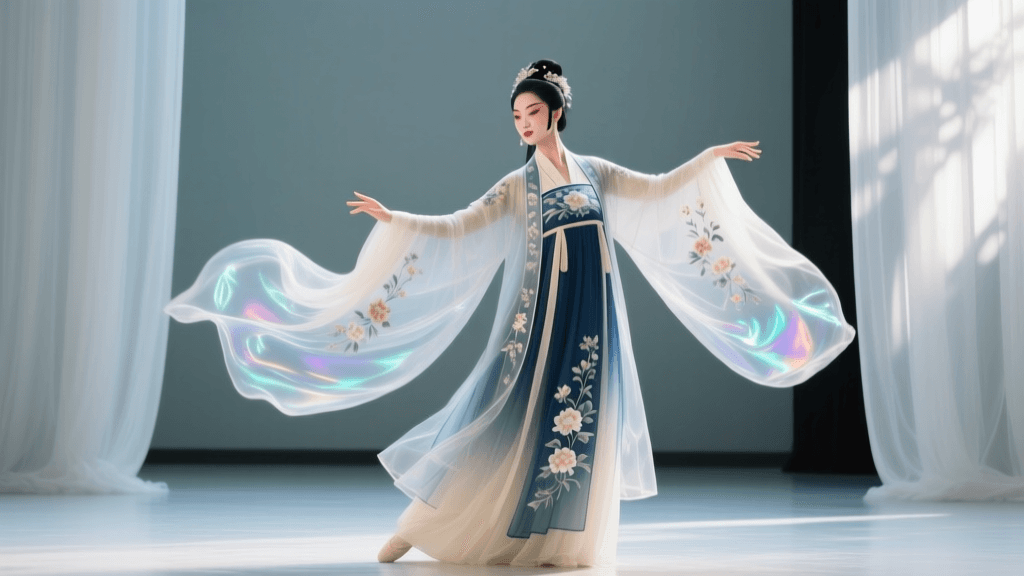
At the heart of luxury Japanese fashion is Nishijin-ori, a traditional weaving method originating from the Nishijin district of Kyoto. Characterized by its intricate patterns, vibrant colors, and the use of metallic threads, this textile represents centuries of artisanal education and preservation. In 2026, the industry has seen a massive push toward sustainable luxury. Artisans are now blending ethically sourced mulberry silk with recycled metallic yarns and innovative Washi (Japanese paper) fibers, creating garments that are not only visually stunning but also environmentally conscious.
According to Japan's Ministry of Economy, Trade and Industry, traditional crafts like Nishijin-ori are experiencing a vital resurgence, supported by government initiatives that pair master weavers with young, international design students. This cross-pollination of education and heritage ensures that the sensory experience of wearing a Nishijin-ori haori—its distinct crisp rustle, known as 'kinu-nari', and its rich, textured weight—remains intact while adapting to modern silhouettes. For those visiting Kyoto, witnessing this trade and preservation firsthand at the Nishijin Ori Center offers profound insight into the dozens of meticulous steps required to produce a single inch of this masterwork fabric.
Zen Spirituality and Minimalist Aesthetics in Modern Styling
The philosophy of Zen spirituality heavily influences the 2026 approach to styling traditional Japanese garments. Rather than the highly layered, restrictive formal kitsuke (kimono dressing) of the past, modern styling embraces 'Ma' (negative space) and 'Wabi-Sabi' (the beauty of imperfection). A minimalist approach allows the garment's textile to speak for itself. In 2026, it is common to see a heavily patterned Nishijin-ori haori worn open over a simple, monochromatic organic cotton turtleneck and tailored wide-leg trousers. This restraint honors the Zen principle of eliminating the unnecessary, ensuring the wearer is not overwhelmed by the garment, but rather elevated by it.
Life Stages: From Seijin-shiki to Global Streetwear
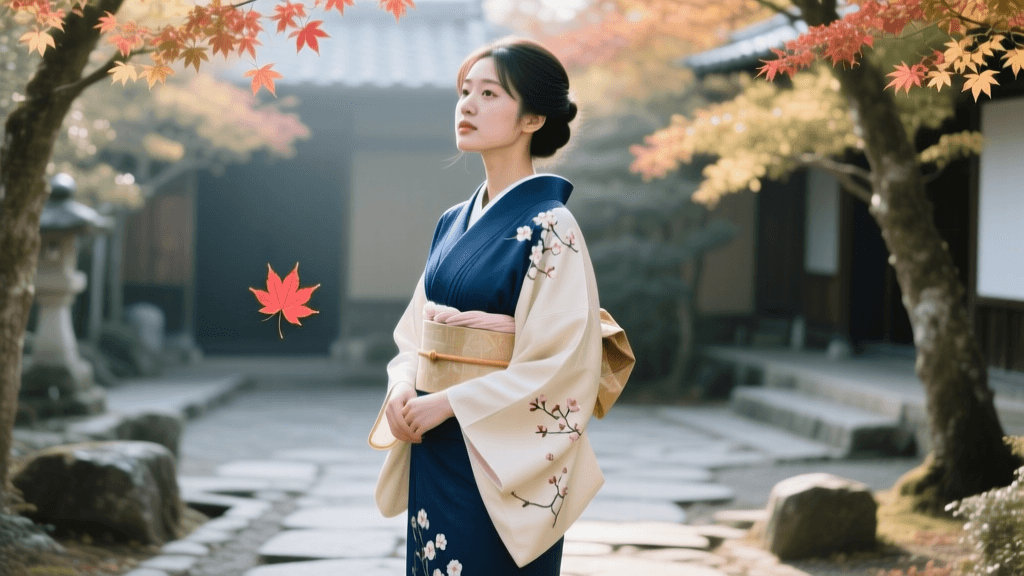
Historically, Japanese fashion customs were strictly tied to life stages. The 'Seijin-shiki' (coming-of-age ceremony) dictates the wearing of the 'furisode' (long-sleeved kimono) for young women, while the 'montsuki hakama' is reserved for men's formal milestones. However, the 2026 fashion paradigm challenges these rigid boundaries. While formal ceremonies still honor traditional rules, the after-party and daily-life styling have evolved. Young adults are now repurposing their furisode by pairing the extravagant silk tops with upcycled denim and chunky combat boots, symbolizing a bridge between their cultural heritage and their individual, globalized identities. This life-stage transition reflects a broader cultural movement where traditional garments are viewed as lifelong investments rather than single-use ceremonial costumes.
Core Pieces: Kimono vs. Haori in Modern Wardrobes
The Haori: Your Ultimate 2026 Layering Piece
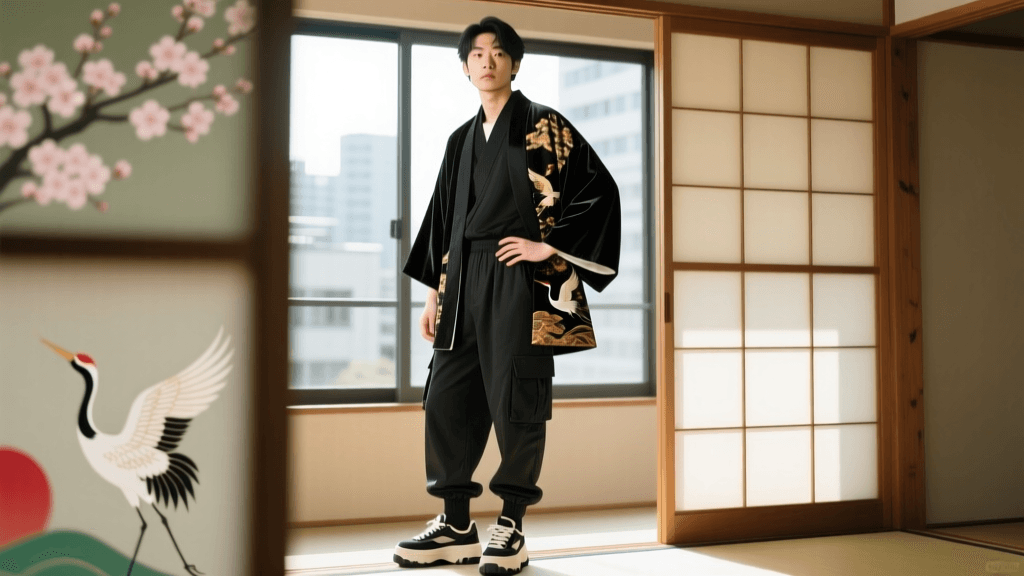
The haori is a hip- or thigh-length jacket worn over the kimono, but in 2026, it functions identically to a high-end blazer or duster coat. Its open front and lack of a wrap-tie make it incredibly accessible for beginners. Modern iterations often feature cropped lengths or relaxed, dropped shoulders that cater to contemporary streetwear proportions. A vintage silk haori from the mid-20th century, often lined with hand-painted scenes of Kyoto landscapes, provides a hidden sensory experience and a unique conversation starter.
The Kimono: Reimagined for Contemporary Silhouettes
As noted by the Victoria and Albert Museum, the kimono has always been a dynamic garment, constantly evolving through trade and international design influences. Today, the kimono is frequently styled unbelted as a sweeping maxi duster, or tightly wrapped and secured with a modern leather obi-belt to create a structured, corset-like silhouette. The T-shape construction of the kimono naturally lends itself to the oversized, gender-fluid fashion trends dominating 2026 runways in Tokyo, Paris, and New York.
2026 Styling Matrix: Blending Tradition with Streetwear
To help you visualize how to integrate these pieces, refer to the styling matrix below. This table breaks down specific pairings for various occasions, ensuring your look remains respectful of the garment's origins while firmly planted in modern fashion.
| Garment Base | Traditional Element | 2026 Streetwear Pairing | Footwear & Accessories | Best Occasion |
|---|---|---|---|---|
| Nishijin-ori Haori | Gold-thread woven floral motifs | Black turtleneck, pleated wide-leg wool trousers | Leather derby shoes, minimalist silver rings | Art gallery openings, creative office environments |
| Vintage Silk Kimono | Yuzen-dyed autumn landscape | Worn open as a duster over a graphic tee and distressed denim | Chunky platform sneakers, canvas tote bag | Casual weekend outings, street style photography |
| Short Cropped Haori | Indigo Shibori tie-dye pattern | White linen button-down, tailored Bermuda shorts | Modern Tabi sandals, woven hemp bucket hat | Summer festivals, international travel, resort wear |
| Men's Wool Kimono | Subtle geometric Kasuri weave | Wrapped tightly with a thick leather belt over a thermal henley | Heavy-duty lace-up boots, beaded bracelet | Evening dining, winter streetwear layering |
Footwear Pairings: From Zori to Chunky Sneakers
Footwear is often the most challenging aspect of styling traditional Japanese clothing for a modern context. Historically, zori (straw or leather sandals) and geta (wooden clogs) worn with tabi (split-toe socks) were the only acceptable options. In 2026, the rules have beautifully fractured. The global popularity of the split-toe silhouette, championed by high-fashion houses and specialized brands like SOU-SOU, means that tabi-style ankle boots and sneakers are now widely available. Pairing a flowing silk kimono with a pair of pristine, chunky white sneakers creates a striking visual contrast that grounds the ethereal nature of the silk with utilitarian streetwear weight. For those who prefer traditional footwear, modern geta crafted from lightweight, sustainable bamboo composites offer the sensory wooden 'clack' without the physical fatigue of heavy, solid-wood clogs.
International Travel: Packing and Wearing Abroad
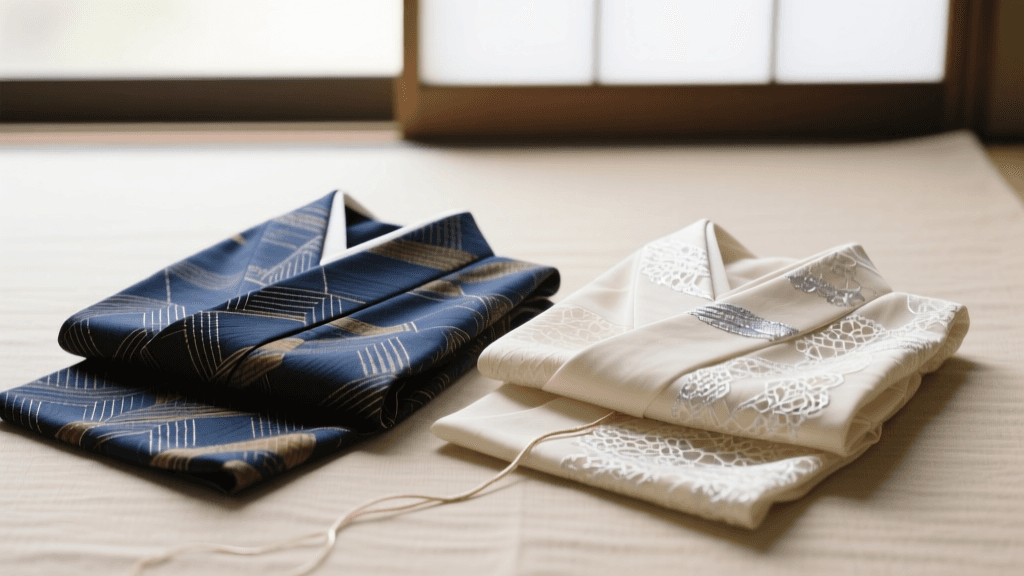
Taking your traditional garments on international travel requires an understanding of both fabric care and cultural context. The T-shape fold of the kimono makes it remarkably easy to pack flat, reducing wrinkles compared to Western tailored garments. When traveling to fashion capitals like Milan or London in 2026, wearing a haori over a monochromatic travel outfit serves as both a stylish statement and a practical layer for fluctuating cabin temperatures. However, it is crucial to be mindful of the sensory experience and preservation of the garment; avoid wearing highly delicate, vintage silks in heavy rain or crowded, high-friction environments like packed subway systems. Opt for modern Washi-blend or hemp kimonos for transit days, saving the Nishijin-ori silk for evening destinations.
Sourcing Authentic Garments and Sustainable Alternatives
The trade of vintage and contemporary Japanese garments has become a robust global market. In Tokyo, the vintage shops of Shimokitazawa and Koenji remain the best hunting grounds for mid-century silk haori, with prices in 2026 ranging from 8,000 JPY to 25,000 JPY ($55 to $170 USD) depending on the condition and lining artistry. For new, ethically produced pieces, direct-to-consumer platforms partnering with Kyoto artisans offer transparent supply chains. A brand-new, authentic Nishijin-ori haori represents a significant investment, typically starting around 120,000 JPY ($800 USD), reflecting the hundreds of hours of specialized labor and education required to operate the traditional Jacquard looms. When purchasing, always look for the METI 'Traditional Craft Product' certification mark to ensure you are supporting genuine preservation efforts rather than mass-produced imitations.
Caring for Your Silk and Hemp Blends
Preservation of these textiles is paramount. The 2026 standard for caring for silk kimono and haori involves eco-friendly, waterless liquid CO2 dry cleaning, which removes oils and stains without degrading the delicate protein structure of the silk or tarnishing metallic threads. For hemp and cotton blends, gentle hand-washing with pH-neutral detergents is sufficient. Always store your garments flat, folded along their original seam lines in acid-free Washi paper to allow the fibers to breathe, avoiding the plastic garment bags that trap moisture and lead to mold. Proper care ensures that these garments can be passed down through life stages, continuing their story for generations to come.
Conclusion
The comprehensive evolution of Japanese fashion styles in 2026 proves that tradition and modernity are not mutually exclusive. By understanding the rich history of weaving methods like Nishijin-ori, respecting the Zen philosophy of space and restraint, and boldly experimenting with streetwear pairings, you can integrate the kimono and haori into your daily life. Whether you are navigating the streets of Harajuku or attending an international design summit, these garments offer a profound connection to Asian traditions while firmly establishing your unique, forward-looking personal style.