Xin Zhongshi 2026: Styling Mamianqun Skirts for Modern Offices
The sartorial landscape of 2026 has been unequivocally defined by the maturation of Xin Zhongshi (新中式), or 'New Chinese Style.' What began as a niche subcultural movement blending heritage motifs with streetwear has evolved into a sophisticated, globally recognized aesthetic that dominates contemporary professional fashion. In 2026, the modern workplace no longer views traditional Asian garments as mere ceremonial costumes; instead, they are celebrated as pillars of a refined, culturally rich capsule wardrobe. At the forefront of this evolution is the seamless integration of historical silhouettes with modern tailoring, allowing professionals to express cultural pride while adhering to corporate dress codes.
This deep dive explores how to curate, style, and maintain a Xin Zhongshi wardrobe for the 2026 office environment, focusing on the iconic Mamianqun skirt, heritage textiles, and the practicalities of wearing ancient craftsmanship in a fast-paced modern world.
The Anatomy of the Modern Mamianqun
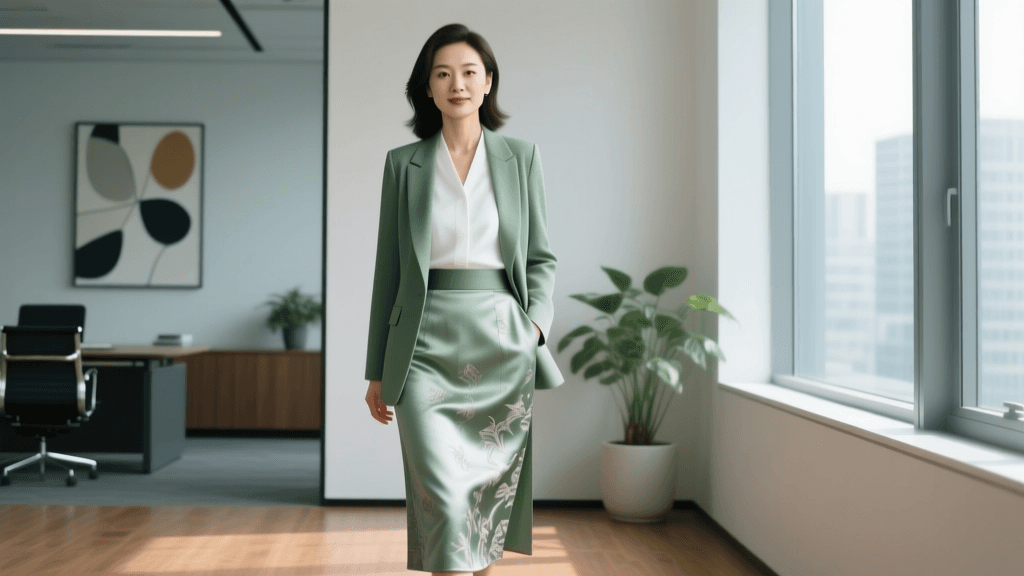
The Mamianqun, historically known as the 'horse-face skirt,' is a traditional Chinese skirt characterized by its flat front and back panels with intricate pleats on the sides. Originating in the Song Dynasty and reaching peak popularity during the Ming and Qing dynasties, the garment was traditionally heavy, heavily embroidered, and reserved for formal occasions. However, the 2026 iteration of the Mamianqun has been masterfully re-engineered for daily professional wear.
Leading Shanghai and Hangzhou-based ateliers have introduced structural modifications to suit the modern office. The waistband, once a rigid, tie-fastened band of white cotton, is now frequently constructed with hidden elasticated backs and subtle hook-and-eye closures, providing the sleek silhouette of a Western pencil skirt while retaining the traditional flat front. Furthermore, the pleat depth has been reduced from the traditional 5cm to a more streamlined 2cm, preventing the skirt from adding unnecessary volume when sitting at a desk. For the 2026 spring season, midi-lengths (approximately 85cm from the waist) in muted, monochromatic palettes like slate grey, deep plum, and bamboo green have replaced the vibrant reds and golds of the past, making them entirely appropriate for boardroom settings.
Essential 2026 Xin Zhongshi Office Capsule Wardrobe
Building a versatile Xin Zhongshi wardrobe requires balancing statement heritage pieces with foundational modern tailoring. Below is a curated guide to the four essential garments defining the 2026 professional New Chinese Style, complete with current market pricing and styling directives.
| Garment | Primary Fabric | 2026 Price Range (USD) | Office Styling Directive |
|---|---|---|---|
| Deconstructed Changshan Blazer | Wool-Song Brocade Blend | $280 - $450 | Pair with wide-leg crepe trousers and a minimalist silk camisole for high-level meetings. |
| The Daily Mamianqun | Matte Crepe de Chine | $120 - $220 | Tuck in a crisp, oversized poplin button-down shirt; add a thin leather belt at the natural waist. |
| Pan-Kou Knot Blouse | Mulberry Silk Charmeuse | $150 - $300 | Layer under a tailored, sleeveless wool vest to highlight the intricate knot closures at the neckline. |
| Xiangyunsha Trench Coat | Gambiered Canton Silk | $500 - $850 | Belt over a sleek, ribbed-knit midi dress; the coat's natural sheen elevates the matte knitwear. |
The Deconstructed Changshan Blazer
The traditional Changshan (long shirt) has been cropped and structured with Western-style shoulder pads and lapels. In 2026, designers are utilizing a 70/30 wool-to-Song brocade blend, offering the warmth and drape of traditional suiting while showcasing subtle, tonal jacquard weaving. The signature Mandarin collar remains, but it is softened and lowered to prevent friction against the jawline during long workdays.
The Pan-Kou Knot Blouse
Pan Kou (traditional knotted buttons) are the quintessential hardware of Xin Zhongshi. Rather than using them across the entire garment, 2026 designs isolate these intricate knots to the collarbone or cuff, using them as functional jewelry. When sourcing these blouses, ensure the knots are hand-tied from the same silk as the garment, a hallmark of authentic craftsmanship that prevents fraying over time.
Heritage Textiles in the Contemporary Workplace
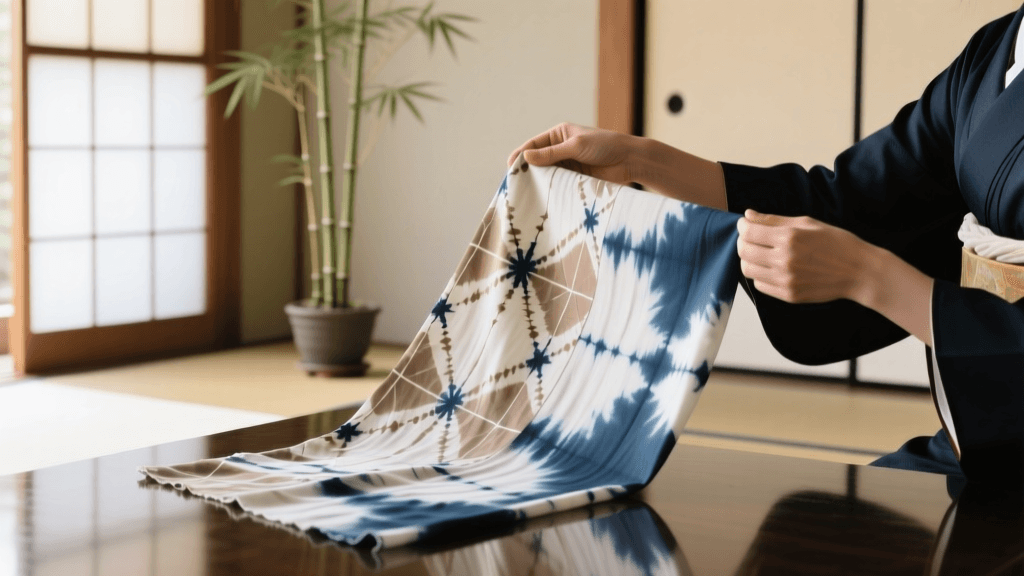
The true luxury of the Xin Zhongshi movement lies in its textiles. In 2026, there is a massive consumer shift away from synthetic blends toward authenticated, heritage-manufactured fabrics that offer both aesthetic beauty and functional benefits. Two textiles, in particular, have dominated the professional market this year.
Xiangyunsha (Gambiered Canton Silk)
Often referred to as 'soft gold,' Xiangyunsha is a highly prized silk dyed using the juice of the Dioscorea cirrhosa tuber and coated with iron-rich river mud. This ancient, multi-step process yields a fabric that is naturally water-resistant, UV-protective, and possesses a unique, leathery rustle. For the 2026 professional, a Xiangyunsha trench coat or structured jacket is ideal for unpredictable spring commutes. The fabric's natural breathability regulates body temperature in climate-controlled offices, while its dark, mottled patina hides minor stains and wear beautifully.
Song Brocade (Songjin)
Originating from Suzhou, Song Brocade is renowned for its soft texture and complex, multi-colored geometric patterns. While historically used for mounting scroll paintings and royal garments, modern mills have developed a 'matte-finish' Song Brocade specifically for apparel. By using mercerized cotton warp threads alongside silk weft threads, the 2026 versions of this fabric resist the excessive shine that previously made brocades look overly theatrical under harsh office fluorescent lighting.
Sourcing Authentic Pieces and Avoiding Fast Fashion
As Xin Zhongshi has exploded in global popularity, the market has been flooded with mass-produced, synthetic knockoffs that appropriate traditional patterns without respecting the textile heritage. To build a wardrobe of genuine quality in 2026, consumers must look beyond superficial aesthetics and verify the provenance of their garments.
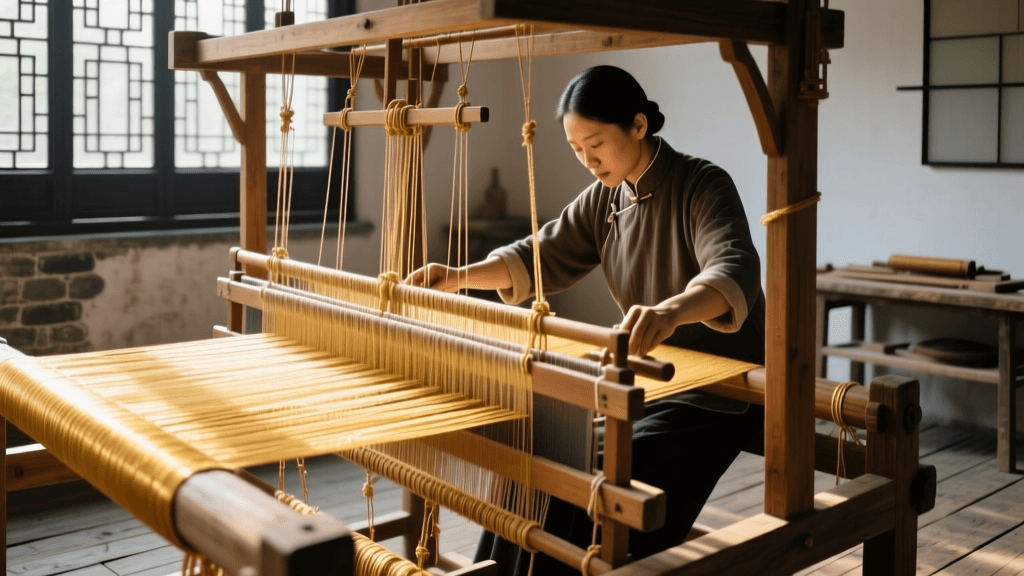
When investing in high-ticket items like hand-loomed silk jackets, seek out brands that transparently disclose their supply chain and hold certifications related to traditional craftsmanship. The Sericulture and silk craftsmanship of China is recognized by UNESCO as an Intangible Cultural Heritage. Reputable 2026 boutiques will often feature tags or digital QR codes linking directly to the specific artisan cooperatives in Zhejiang or Guangdong provinces that wove the fabric. Avoid garments labeled simply as 'brocade' or 'silk blend' without a precise breakdown of the fiber content and weaving technique. True Xin Zhongshi is an investment in living history, and the pricing should reflect the dozens of hours of skilled labor required to produce the textile.
Care and Maintenance for Heritage Blends
Wearing heritage textiles in a daily office environment requires a disciplined approach to garment care. The natural dyes and delicate weaves of Xin Zhongshi pieces are highly sensitive to modern chemical detergents and high-heat drying. To ensure your 2026 capsule wardrobe lasts for decades, adhere to the following maintenance protocols:
- Washing Xiangyunsha: Never use alkaline detergents or standard laundry soaps, as they will strip the iron-mud coating and ruin the fabric's patina. Hand wash in cool water (below 30°C) using a pH-neutral silk wash. Gently agitate for exactly 3 minutes, rinse thoroughly, and hang to dry in a shaded, well-ventilated area. Never wring or twist the fabric.
- Ironing Song Brocade: Brocade can easily develop permanent shine marks if exposed to direct heat. Always iron on the reverse side of the garment using a low-heat silk setting. Place a damp, 100% white cotton press cloth between the iron and the fabric, and use a lifting-and-lowering motion rather than sliding the iron across the weave.
- Storing the Mamianqun: The sharp pleats of a Mamianqun are its defining feature. Do not hang the skirt by its waistband for long-term storage, as the weight of the fabric will stretch the pleats. Instead, fold the skirt along its original pleat lines, place acid-free tissue paper between the folds to prevent dye transfer, and store it flat in a breathable cotton garment bag.
- Moth Prevention: Heritage silks and wools are prime targets for textile pests. Avoid chemical mothballs, which will permanently taint the silk with a harsh odor. Instead, use natural sandalwood blocks or dried mugwort sachets, placing them in the corners of your wardrobe rather than in direct contact with the garments.
Conclusion
The 2026 Xin Zhongshi movement represents a triumphant synthesis of ancestral wisdom and modern pragmatism. By thoughtfully integrating pieces like the Mamianqun and Xiangyunsha outerwear into your professional wardrobe, you do more than elevate your personal style; you participate in the active preservation and evolution of Asian sartorial traditions. With mindful sourcing and meticulous care, these garments will serve as timeless, empowering staples in your daily life for years to come.