Top Hanfu Garments For Tai Chi And Qigong Practice 2026
The Renaissance of Wellness Hanfu in 2026
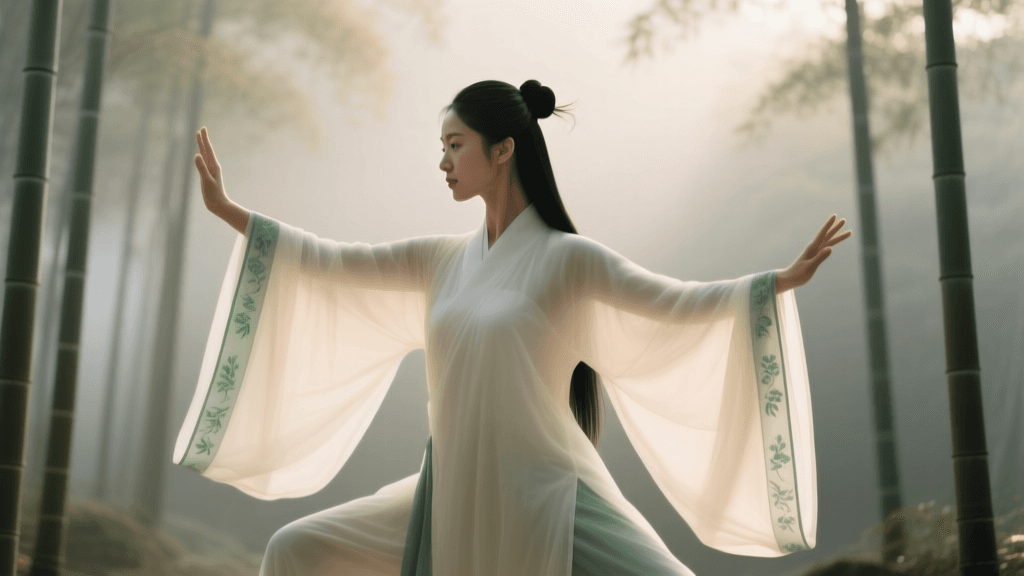
The integration of traditional Chinese clothing with mindful movement practices has evolved significantly over the past few years. In 2026, the intersection of Hanfu and traditional wellness arts like Tai Chi and Qigong is no longer just a niche aesthetic choice; it is a functional lifestyle movement. As the Xin Zhongshi (新中式) or "New Chinese Style" movement matures, designers are prioritizing biomechanical comfort, joint mobility, and thermal regulation alongside historical accuracy. For practitioners of internal martial arts and breathwork, the garment is not merely a covering but an extension of the body's energy field, or Qi.
According to Harvard Medical School, Tai Chi and Qigong offer profound benefits for balance, stress reduction, and cardiovascular health. However, performing deep stances, silk-reeling spirals, and expansive arm movements requires clothing that does not restrict the shoulders, hips, or knees. Modern activewear often relies on tight, synthetic compression fabrics that, while functional for high-impact cardio, can trap heat and restrict the subtle sensory feedback required for grounding in Qigong. Traditional Hanfu, with its emphasis on natural fibers, flowing drape, and structural looseness, provides an ideal alternative for the mindful mover.
Core Principles: Garment Drape and Qi Flow
In traditional Chinese wellness philosophy, the flow of Qi (vital energy) and blood is paramount. Garments that bind the waist, constrict the wrists, or pull tightly across the shoulders are believed to create stagnation. Historical Chinese clothing was designed with a flat-cutting technique, meaning the fabric was woven and cut in straight lines rather than tailored to the curves of the body. This creates a natural "tenting" effect that allows air to circulate freely against the skin, regulating body temperature during the slow, heat-generating movements of Tai Chi.
Furthermore, the visual drape of Hanfu enhances the meditative aspect of the practice. The sweeping lines of a cross-collar robe or the gentle sway of a pleated skirt provide visual feedback to the practitioner, helping them observe the fluidity and continuity of their movements. In 2026, wellness-focused Hanfu brands have refined these historical patterns using 3D motion-capture data to ensure that when a practitioner drops into a deep "Snake Creeps Down" stance, the fabric moves harmoniously without catching or pulling.
Top Hanfu Silhouettes for Tai Chi and Qigong
Not all Hanfu styles are suitable for active practice. Highly structured ceremonial garments, such as the heavily layered Tang Dynasty court dress or the stiff-collared Ming Dynasty formal wear, are too restrictive. Instead, practitioners in 2026 gravitate toward three specific historical silhouettes that balance authenticity with athletic freedom.
1. The Song Dynasty Beizi (褙子) and Changshan
The Beizi is a long, open-front coat with side slits that typically reach the hip or thigh. For Tai Chi, the side slits are crucial; they allow for deep lunges and wide stances without the fabric bunching around the knees. In 2026, wellness brands have introduced the "Active Beizi," featuring hidden interior ties to secure the front panels during windy outdoor park sessions. Paired with loose-fitting Changshan (trousers) that taper gently at the ankle, this silhouette offers maximum leg mobility while maintaining a dignified, flowing profile.
2. The Ming Dynasty Daopao (道袍) with Modified Cuffs
Historically worn by scholars and Daoist practitioners, the Daopao is a cross-collar robe with deep side panels that wrap around to the back. Its inherent looseness makes it exceptional for Qigong, particularly for practices that involve expansive chest-opening and spinal twisting. The traditional Daopao features large, flowing sleeves. However, for modern Tai Chi sword or fan forms, excessive sleeve fabric can be hazardous. The 2026 market has seen a surge in "Scholar's Cuff" modifications, where the wrist is gently gathered or fitted with a subtle elasticated inner band, preserving the elegant exterior drape while keeping the hands clear for weapon manipulation.
3. Wei Jin Style Cross-Collar Ruqun
For practitioners who prefer a two-piece garment, the Wei Jin inspired cross-collar top (Shan) paired with a flowing skirt (Qun) or wide-leg trousers is highly popular. The cross-collar (Jiaoling Youren) naturally frames the neck and allows for unrestricted head movement, which is vital for maintaining the "Ba Ding" (suspension of the head) posture in Tai Chi. When paired with a Mamianqun (horse-face skirt), the flat front and back panels allow for high kicks and deep bends, while the pleated sides provide a beautiful kinetic display of energy in motion.
Fabric Analysis: Selecting Materials for Breathability and Drape
The choice of textile is just as important as the cut of the garment. In 2026, the market offers a variety of natural and semi-synthetic blends specifically engineered for traditional wellness practices. The ideal fabric must possess high breathability, moisture-wicking properties, and a heavy enough drape to fall back into place after a dynamic movement.
| Fabric Type | Breathability | Drape Quality | Best For | 2026 Market Price Range (USD) |
|---|---|---|---|---|
| Enzyme-Washed Ramie | Excellent | Structured but fluid | Summer outdoor Tai Chi, high-sweat sessions | $85 - $140 |
| Mulberry Silk Crepe | Very Good | Heavy, luxurious flow | Indoor Qigong, meditation, morning forms | $150 - $280 |
| Bamboo-Linen Blend | Excellent | Soft, relaxed drape | Everyday practice, travel, transitional weather | $60 - $110 |
| Cupro-Cotton Mix | Good | Smooth, responsive | Martial Tai Chi, weapon forms, dynamic pushing hands | $70 - $120 |
Enzyme-washed ramie has emerged as the top choice for summer practitioners in 2026. Historically, raw ramie could be stiff and scratchy, but modern bio-enzyme treatments soften the fibers while retaining their legendary cooling properties and natural antibacterial benefits. For cooler months, a bamboo-linen blend provides gentle insulation without the suffocating heat retention of modern polyester fleeces.
Footwear: Grounding Your Practice
The connection between the foot and the earth is a foundational concept in both Tai Chi and Qigong. Practitioners must feel the ground to root their stances and draw energy upward. Thick, cushioned running shoes sever this connection and alter the natural alignment of the ankle and knee.
Traditional cloth shoes (Bu Xie), featuring layered cotton soles and canvas uppers, remain a staple. However, the 2026 wellness market has introduced "Minimalist Tai Chi Shoes" that honor the traditional Bu Xie aesthetic but incorporate modern zero-drop technology and wide toe-boxes. These shoes feature a thin, flexible rubber outsole (typically 3mm to 5mm thick) that provides enough grip for outdoor concrete or wooden park pavilions while allowing the toes to splay naturally for optimal balance. According to the National Center for Complementary and Integrative Health, maintaining proper balance and lower-body strength is one of the primary evidence-based benefits of Tai Chi for older adults, making proper, grounded footwear an essential safety and performance tool.
Care and Maintenance for Active Hanfu
Garments used for physical practice require specific care to maintain their structural integrity and natural fiber properties. Sweat and environmental oils can degrade delicate silks and linens if not treated properly.
- Washing: Always hand-wash ramie and linen garments in cold water using a pH-neutral detergent. Avoid wringing the fabric, which can break the natural fibers; instead, press the water out gently and lay flat to dry in the shade.
- Silk Care: Mulberry silk should be washed sparingly. Utilize a specialized silk wash and consider steaming rather than ironing to maintain the fabric's natural luster and drape.
- Storage: Hang your practice Hanfu on wide, padded wooden hangers to support the shoulder seams. Avoid wire hangers, which will distort the flat-cut structure of the garment over time.
- Odor Management: For quick refreshes between washes, use a traditional sachet of dried mugwort and lavender placed in the garment bag. Mugwort (Ai Ye) is deeply tied to Chinese wellness traditions and naturally repels insects while imparting a calming, earthy scent.
Conclusion
The fusion of Hanfu and mindful movement represents a holistic approach to wellness that honors both the physical and cultural dimensions of traditional Chinese arts. As noted by the Mayo Clinic, the meditative and flowing nature of Tai Chi is highly effective for stress management and mental clarity. By selecting the appropriate historical silhouettes, prioritizing natural and breathable textiles, and grounding oneself with proper footwear, practitioners in 2026 can elevate their Qigong and Tai Chi sessions from mere physical exercise to a deeply immersive, culturally resonant experience. Whether you are practicing the 24-form in a misty park at dawn or engaging in seated breathwork at home, the right wellness Hanfu serves as a beautiful, functional conduit for your practice.