Xin Zhongshi Capsule Wardrobe 2026: Essential New Chinese Style Guide
The Evolution of Xin Zhongshi in 2026
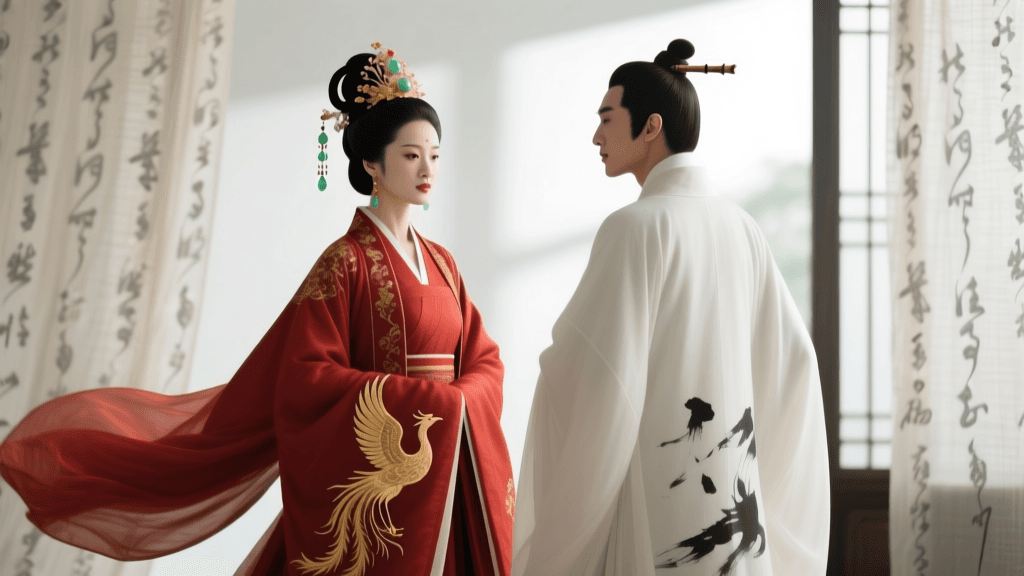
The Xin Zhongshi (新中式), or 'New Chinese Style,' movement has fundamentally transcended its origins as a viral social media trend to become a permanent pillar of global fashion in 2026. No longer confined to costume-like reproductions or niche ceremonial wear, today's Xin Zhongshi represents a sophisticated synthesis of ancient sartorial philosophy and contemporary utilitarian design. The modern consumer demands garments that honor heritage while accommodating the rigors of urban commuting, international travel, and dynamic professional environments.
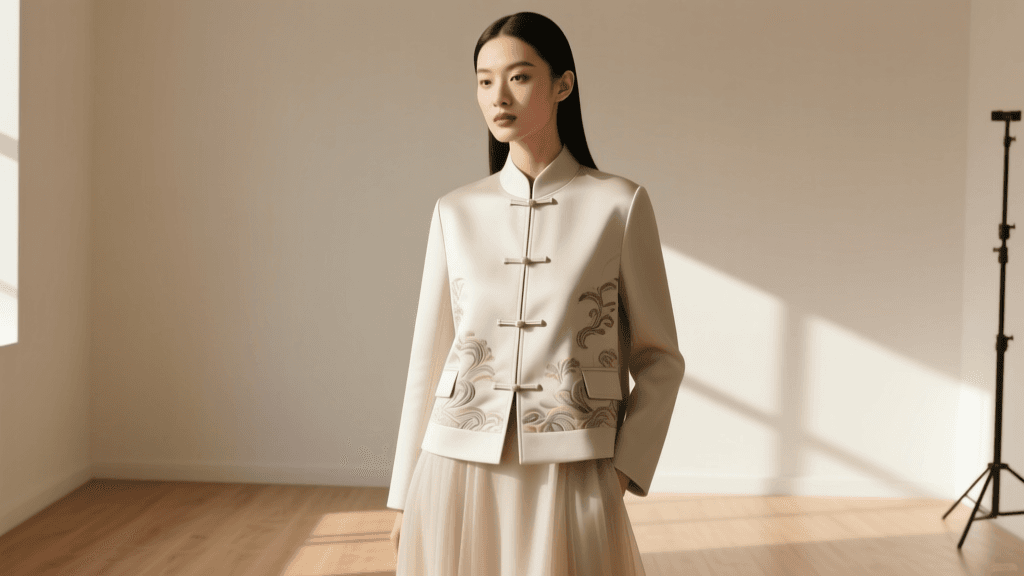
At its core, the 2026 iteration of Xin Zhongshi is defined by 'quiet heritage.' Rather than loud, overt dragon embroidery or rigid, heavy silks, the current movement favors subtle structural nods to antiquity. Think minimalist Mandarin collars, hidden magnetic closures disguised as traditional knots, and matte-finish brocades. To truly understand the depth of this movement, one must look at the historical foundations of Chinese dress, as documented by institutions like the Victoria and Albert Museum's extensive archives on Chinese dress, which highlight the enduring elegance of flowing silhouettes and intricate textile weaving that modern designers are now reinterpreting.
Core Garments of the 2026 Xin Zhongshi Capsule
Building a functional Xin Zhongshi capsule wardrobe requires selecting versatile anchor pieces that bridge the gap between Eastern tradition and Western tailoring. Here are the indispensable garments for the modern wardrobe.
1. The Modernized Mamianqun (Horse-Face Skirt)
The Mamianqun is arguably the most recognizable silhouette in the New Chinese Style renaissance. Historically characterized by its flat front and back panels with deeply pleated sides, the historical structure of the Mamianqun was designed for ease of movement, particularly for horseback riding in the Ming and Qing dynasties. In 2026, the skirt has been re-engineered for the modern office and evening wear. Designers are utilizing matte crepe de chine, lightweight wool blends, and sustainable Tencel-silk mixes to eliminate the stiffness of traditional heavy silks. The modern Mamianqun sits comfortably at the natural waist, featuring laser-cut pleats that hold their shape without the need for constant steaming, and often includes hidden side pockets for everyday utility.
2. The Pankou-Knot Blazer
The Pankou (frog closure) is a hallmark of traditional Chinese tailoring. In 2026, the Pankou blazer merges the structured shoulders and lapel-less silhouette of a Western tuxedo jacket with the intricate, hand-woven knot closures of Eastern heritage. This year's iterations feature 'micro-pankou'—smaller, more refined knots made from matte grosgrain ribbon or vegan leather, positioned asymmetrically along the placket. The blazer is typically cut from mid-weight suiting wool or textured linen, making it an ideal transitional piece that commands respect in boardrooms while showcasing cultural pride.
3. Xiangyunsha (Gambiered Silk) Trousers
Originating from Guangdong province, Xiangyunsha is a luxurious fabric dyed using the juice of the gambier plant and coated with iron-rich river mud, resulting in a distinctive dark, coppery sheen and a crisp, paper-like rustle. In 2026, eco-certified Xiangyunsha production has made this fabric more accessible and sustainable. Tailored into wide-leg, high-waisted trousers, Xiangyunsha offers unparalleled breathability and natural temperature regulation, making it the ultimate luxury casual wear for warmer climates.
4. Song Brocade (Songjin) Duster Coat
Song Brocade is renowned for its complex geometric patterns and subdued color palettes. The 2026 Songjin duster coat is an open-front, ankle-length layer that serves as a statement outerwear piece. Modern weaving techniques have introduced washable metallic threads and stain-resistant coatings to the brocade, allowing wearers to enjoy this opulent textile without the anxiety of traditional dry-clean-only maintenance.
2026 Xin Zhongshi Capsule Wardrobe Matrix
To build a cohesive collection, refer to the matrix below, which outlines the essential pieces, their 2026 fabric innovations, primary styling roles, and current market pricing for authentic, high-quality garments.
| Garment | 2026 Fabric Innovation | Styling Role | Est. Price (USD) |
|---|---|---|---|
| Mamianqun Skirt | Matte Tencel-Silk Blend | Professional / Evening Base | $180 - $350 |
| Pankou Blazer | Stretch-Wool Crepe | Corporate / Smart-Casual Layer | $250 - $450 |
| Xiangyunsha Trousers | Eco-Certified Gambiered Silk | Resort / Weekend Luxury | $220 - $400 |
| Songjin Duster | Stain-Resistant Jacquard | Statement Outerwear | $300 - $600 |
| Mandarin Collar Shirt | Organic Bamboo-Cotton | Everyday Base Layer | $80 - $150 |
Fabric Care and Maintenance in 2026
One of the historical barriers to adopting traditional Chinese garments was the rigorous maintenance required. The 2026 market has solved this through textile engineering, but proper care remains essential to preserve the integrity of heritage fabrics.
- Washing Xiangyunsha: Despite its delicate appearance, gambiered silk is highly durable. Hand wash in cold water using a pH-neutral, enzyme-free detergent. Never wring the fabric; instead, press it between two clean towels and hang it in the shade. The iron-rich mud coating naturally repels odors, meaning frequent washing is unnecessary.
- Maintaining Pankou Knots: The intricate loops of frog closures can fray if subjected to harsh machine cycles. When washing a Pankou garment, secure all knots before placing the item in a mesh laundry bag. Use a steamer rather than an iron to remove wrinkles, as direct heat can flatten the dimensional knots.
- Song Brocade Storage: Store brocade coats on wide, padded wooden hangers to support the heavy textile weight. Avoid wire hangers, which will distort the shoulder structure and cause the metallic threads to snag.
The 'One Traditional, Three Modern' Styling Rule
The most common pitfall when adopting Xin Zhongshi is over-styling, which can result in a costume-like appearance. The golden rule for 2026 is the 'One Traditional, Three Modern' ratio. For every one traditional heritage piece you wear, balance it with three distinctly modern, minimalist elements.
Outfit Formula 1: The Corporate Diplomat
Pair a traditional, heavily pleated Mamianqun (One Traditional) with a crisp, modern white poplin button-down shirt, a sleek leather belt, and pointed-toe leather ankle boots (Three Modern). The contrast between the ancient skirt silhouette and the sharp, contemporary accessories creates a powerful, authoritative look suitable for high-level meetings.
Outfit Formula 2: The Weekend Artisan
Style a Pankou Blazer (One Traditional) over a plain organic cotton t-shirt, tailored denim jeans, and minimalist white leather sneakers (Three Modern). The blazer acts as a sophisticated jacket, while the denim and sneakers ground the outfit in effortless streetwear.
Outfit Formula 3: The Evening Minimalist
Wear a flowing Songjin Duster (One Traditional) over a simple, solid-color silk slip dress, paired with modern geometric gold earrings and strappy sandals (Three Modern). The duster provides the visual interest and cultural narrative, while the slip dress and modern jewelry keep the silhouette sensual and contemporary.
Sourcing Authentic Xin Zhongshi
As the global appetite for New Chinese Style grows, so does the market for fast-fashion imitations. To build a sustainable, high-quality capsule, it is crucial to source from designers and ateliers that respect the historical accuracy and craftsmanship of the garments. The Metropolitan Museum of Art's Heilbrunn Timeline provides excellent context on the evolution of Chinese dress, which can help you identify authentic structural details—such as the correct direction of the lapel (always left over right, or 'jiaoling youren') and the proper placement of side slits—when evaluating modern reproductions.
In 2026, look for independent labels that prioritize transparent supply chains, collaborating directly with master weavers in Suzhou and Hangzhou. Authentic Xin Zhongshi is an investment in wearable art, offering a profound connection to Asian traditions while firmly planting the wearer in the vanguard of modern global fashion.