Best Japanese Kimono Apprenticeship Schools in 2026: Full Guide
The Renaissance of Traditional Japanese Garments in 2026
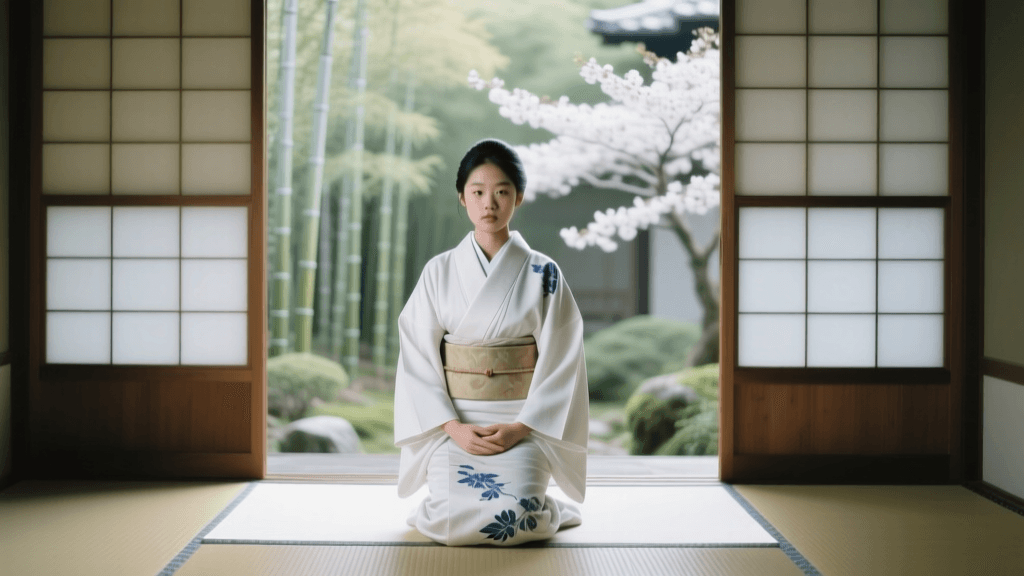
The global fascination with Asian traditions has reached a pivotal moment in 2026, driving an unprecedented resurgence in the study and preservation of traditional Japanese garments. From the intricate silk weaving of Nishijin-ori to the meticulous hand-painting of Kyo-yuzen dyeing, the art of the kimono, yukata, and hakama is experiencing a renaissance. However, as the population of master artisans ages, Japan is actively opening its doors to a new generation of international and domestic students eager to master these ancient techniques. For those seeking to immerse themselves in Japanese fashion education, understanding the landscape of schools and the traditional apprenticeship (deshi) system is essential.
In 2026, Japanese fashion education represents a unique intersection of heritage preservation and modern sustainability. Institutions are now integrating digital archiving to protect centuries-old patterns, yet the physical creation of these garments remains strictly manual, demanding years of disciplined study. Whether you are drawn to the sensory experience of handling raw silk or the Zen spirituality inherent in repetitive weaving motions, pursuing an education in traditional Japanese clothing is a profound commitment to cultural stewardship.
Top Japanese Fashion Education Schools for Kimono & Textiles
When evaluating where to study traditional garment construction, textile dyeing, and the cultural history of Japanese dress, a few premier institutions stand out for their rigorous curricula and direct ties to master artisans.
1. Bunka Fashion College (Tokyo)
While globally renowned for avant-garde and contemporary fashion, Bunka Fashion College also houses a deeply respected Japanese Clothing Department. In 2026, their advanced diploma programs focus heavily on the structural engineering of the kimono, the precise art of kitsuke (kimono dressing), and the historical evolution of the kosode. Students at Bunka benefit from state-of-the-art textile labs where they can analyze historical fibers while learning traditional flat-pattern cutting. The school's location in Shinjuku provides access to Tokyo's premier textile archives and modern fashion districts, allowing students to see how traditional motifs influence contemporary Japanese design.
2. Kyoto University of the Arts
Located in the cultural heart of Japan, Kyoto University of the Arts offers unparalleled access to the living history of Japanese textiles. Their Traditional Crafts Course is heavily focused on regional techniques such as Nishijin weaving, Kyo-yuzen dyeing, and Shibori. The 2026 curriculum emphasizes the sensory experience of material creation, requiring students to spend hours in local artisan studios. The university acts as a bridge between academic theory and the practical realities of the Kyoto textile industry, often facilitating direct introductions to multi-generational weaving families for post-graduate apprenticeships.
3. The Traditional Artisan Apprenticeship (Deshi System)
Beyond formal university education, the most authentic pathway to mastering Japanese garment creation is the Deshi (apprentice) system. In 2026, several government-subsidized programs in Kyoto and Kanazawa match dedicated students with aging masters of Tsugiki (silk thread joining) and Yuzen painting. Unlike Western education, the deshi pathway is rooted in Zen philosophy and strict hierarchical respect. Apprentices often spend their first year solely on studio maintenance, preparing dyes, and observing the master, cultivating the patience and mindfulness required for flawless execution.
2026 Program Comparison Chart
| Institution / Pathway | Primary Focus | Duration | Approx. 2026 Tuition (JPY) | Language |
|---|---|---|---|---|
| Bunka Fashion College | Garment Structure, Kitsuke, History | 2 Years | 1,450,000 / year | Japanese (Some EN support) |
| Kyoto Univ. of the Arts | Textile Dyeing, Weaving, Shibori | 4 Years (BA) | 1,850,000 / year | Japanese |
| Kyoto Kimono Academy | Kitsuke, Styling, Modern Retail | 1 Year | 950,000 / year | Japanese / English |
| Artisan Deshi (Gov. Program) | Nishijin-ori, Kyo-yuzen Mastery | 3-5 Years | Stipend Provided | Japanese (Fluency Required) |
The Sensory and Zen Experience of Traditional Weaving
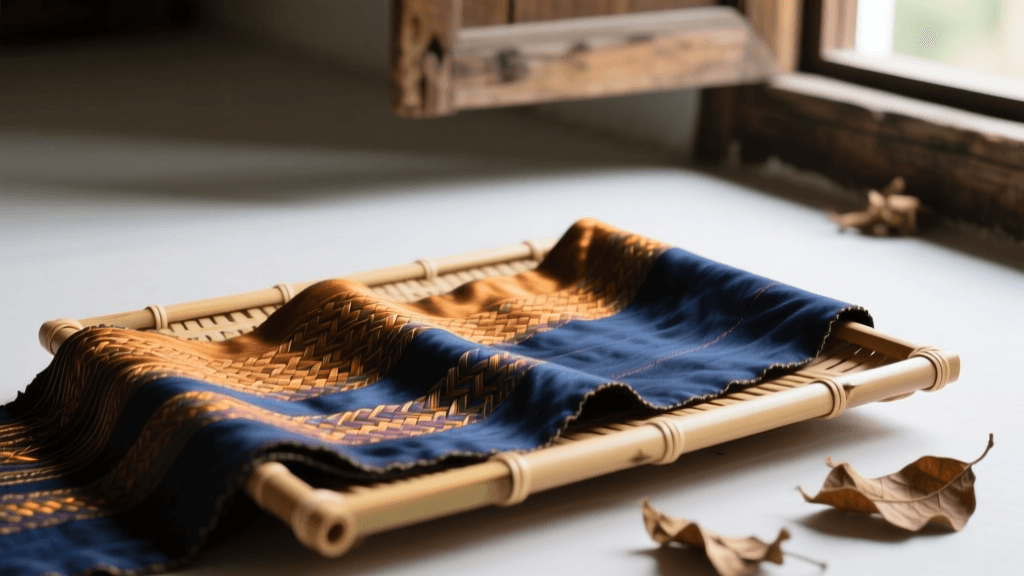
To study traditional Japanese fashion is to engage in a deeply sensory and spiritual practice. The creation of Nishijin-ori brocade, for example, is not merely a mechanical process; it is a meditative discipline. The rhythmic clacking of the wooden loom, the distinct scent of natural indigo and boiled silk, and the tactile feedback of the warp and weft threads demand total presence. In 2026, many educators emphasize the concept of 'shokunin katagi'—the artisan spirit. This philosophy dictates that mastery is achieved not just through technical repetition, but through a moral commitment to the craft and a reverence for the materials.
'The silk remembers the hands that weave it. In our studio, we do not just teach students how to make a kimono; we teach them how to listen to the thread.' — Master Weaver, Nishijin Textile Center, 2026.
This Zen approach to education means that students are evaluated on their patience, their respect for the workspace, and their ability to embrace failure as a necessary step toward perfection. The meticulous process of Kyo-yuzen, where rice paste is applied to silk to resist dye, requires a steady hand and a calm mind, mirroring the focused breathing of Zen meditation.
Practical Steps for 2026 Applicants: Visas, Costs, and Prep
For international students aiming to enter Japanese fashion education in 2026, navigating the logistical requirements is the first test of dedication. According to the Ministry of Education, Culture, Sports, Science and Technology (MEXT), international applicants must secure the appropriate visa status, typically the 'Student' visa for enrolled university programs or the 'Cultural Activities' visa for specific, non-degree traditional arts apprenticeships.
Financial Planning and Living Costs
Tuition is only one part of the financial equation. In 2026, the cost of living in Tokyo (for Bunka students) averages around 180,000 JPY per month, including rent, utilities, and food. Kyoto offers a slightly more affordable lifestyle, averaging 140,000 JPY per month, with the added benefit of being surrounded by the historical epicenter of the kimono industry. Furthermore, students must budget for specialized tools: high-quality fabric shears, custom-made sewing needles (hari), and raw silk materials can easily add 200,000 JPY to first-year expenses.
Portfolio and Interview Preparation
Admission to top-tier programs like Kyoto University of the Arts requires a portfolio that demonstrates not only artistic ability but a genuine understanding of Japanese cultural heritage. In 2026, admissions committees look for applicants who can articulate why they wish to preserve traditional methods in an era of fast fashion. Demonstrating prior experience in textile arts, a history of studying the Japanese language (JLPT N2 or higher is strongly recommended for traditional arts programs), and a clear vision for how you will contribute to the survival of these crafts will set your application apart.
Ultimately, pursuing an education in traditional Japanese garments is a commitment to becoming a guardian of history. Whether you are threading a loom in a quiet Kyoto studio or studying the geometric precision of hakama pleats in Tokyo, the skills acquired in 2026 will ensure that the profound beauty of Asian textile traditions continues to inspire the world for generations to come.