Mastering Xiangyunsha: China's Intangible Heritage Silk
The Legacy of Xiangyunsha: The 'Soft Gold' of Traditional Garments
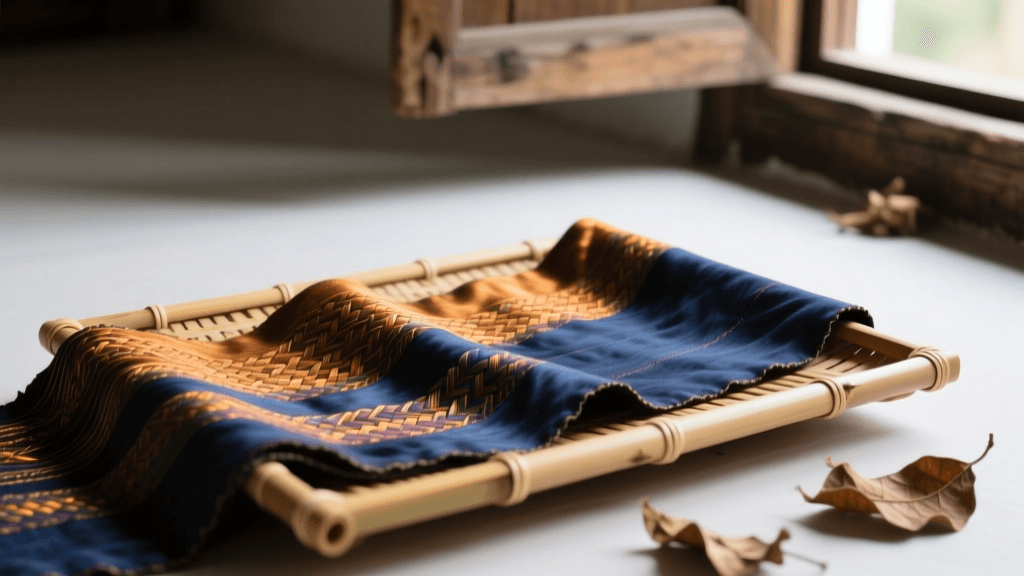
In the pantheon of traditional Chinese textiles, few fabrics command as much reverence as Xiangyunsha (香云纱), often translated as 'fragrant cloud silk' or 'gambiered silk.' Originating from the Shunde district of Guangdong province, this luxurious fabric is celebrated not merely for its aesthetic beauty, but for the grueling, entirely manual artisan process required to create it. Recognized as a National Intangible Cultural Heritage of China, Xiangyunsha represents the pinnacle of regional textile engineering, blending sericulture with local botanical and geological resources.
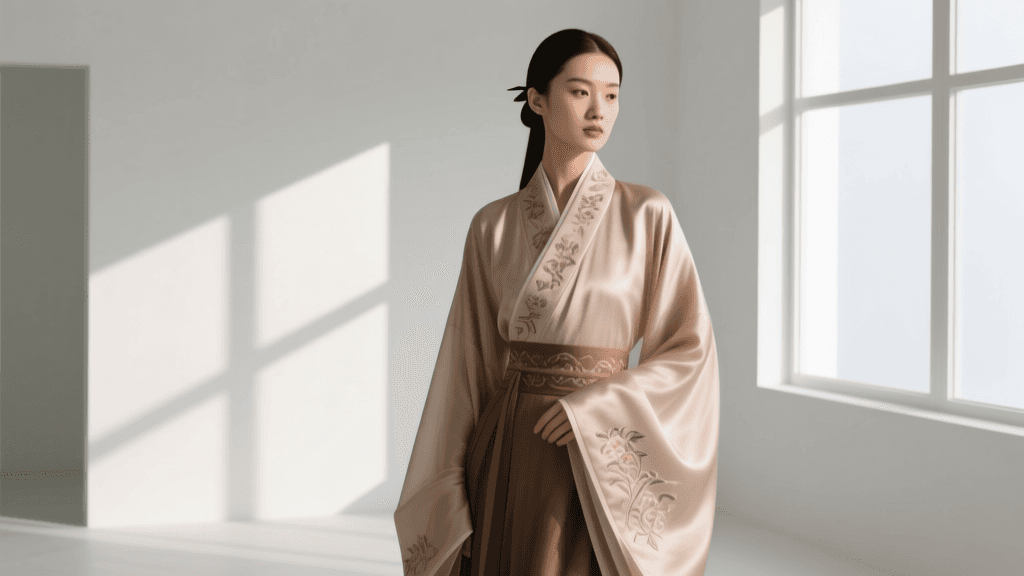
Historically worn by the elite and wealthy merchants of southern China during the late Qing Dynasty and the Republican era, Xiangyunsha was prized for its unique physical properties. It is naturally cooling, water-resistant, and highly durable, making it the ideal textile for the humid, subtropical climates of southern China. Today, as the Hanfu movement and traditional garment revivals gain global momentum, authentic Xiangyunsha has become a highly sought-after material for crafting premium Mamianqun (horse-face skirts), Ming-style cross-collar robes, and tailored Qipao.
The Artisan Process: Mud, Sun, and Shoulang
The creation of authentic Xiangyunsha is a race against time and weather, strictly bound to the natural rhythms of the Guangdong climate. Production can only occur between March and November, avoiding the heavy monsoon rains and the cold winter months, which disrupt the crucial sun-drying phases. A single batch of fabric takes approximately 15 days to complete and involves a meticulous 14-step process.
The Botanical Dye and River Mud Reaction
The foundation of the Xiangyunsha dyeing process relies on the juice extracted from the Dioscorea cirrhosa (shoulang) tuber, a plant rich in natural tannins. Artisans crush the tubers and soak them in water to extract a deep, reddish-brown juice. Plain white silk is repeatedly immersed in this juice and laid out on the grass to dry under the intense southern sun. This cycle of soaking and sun-drying is repeated up to 30 times, gradually deepening the color and coating the silk fibers in a protective layer of tannin.
The true magic, however, occurs during the 'mud coating' phase. Artisans harvest iron-rich, unpolluted river mud from specific local waterways. This mud is smeared evenly over the tannin-soaked silk. When the tannins from the shoulang juice react with the iron ions in the river mud, a profound chemical transformation takes place. The silk turns a deep, lustrous black on the mud-coated side, while the reverse side remains a rich, warm reddish-brown. After a brief reaction period, the mud is washed off in the river, leaving behind a fabric that is remarkably soft, structurally reinforced, and imbued with a subtle, earthy fragrance.
According to the UNESCO Representative List of the Intangible Cultural Heritage of Humanity, the broader scope of Chinese sericulture and silk craftsmanship relies heavily on these localized, generational knowledge systems. The preservation of Xiangyunsha is a vital component of this heritage, safeguarding ancient chemical and ecological understandings that predate modern synthetic dyes.
Authenticating and Purchasing Xiangyunsha
As demand for traditional Asian garments has surged, the market has been flooded with commercial imitations. These faux-gambiered silks are often chemically dyed to mimic the dual-tone black and brown appearance of authentic Xiangyunsha, but they lack the structural benefits, the distinctive patina, and the heritage value of the original. For collectors, Hanfu enthusiasts, and traditional garment tailors, knowing how to authenticate and purchase genuine Xiangyunsha is essential.
Price Guide and Market Realities
Authentic Xiangyunsha is an investment textile. Because the process is labor-intensive and heavily dependent on optimal weather conditions, the yield is low, and the cost is high. Below is a comparison chart to help buyers distinguish between genuine heritage silk and mass-market alternatives.
| Feature | Authentic Xiangyunsha (Heritage Craft) | Commercial Imitation (Chemical Dye) |
|---|---|---|
| Base Material | 100% Mulberry Silk (often heavy crepe or jacquard) | Silk blends, polyester, or low-grade silk |
| Dye Source | Shoulang tuber juice and iron-rich river mud | Synthetic chemical dyes and carbon black |
| Color Profile | Deep black (front), warm reddish-brown (back) | Uniform black or artificially printed dual-tone |
| Acoustic Test | Produces a crisp, rustling 'crackle' sound when rubbed | Silent or dull sound when rubbed |
| Patina Development | Develops a beautiful, cracked patina over years of wear | Fades uniformly or peels; no patina development |
| Average Cost | $120 - $300+ USD per meter | $15 - $40 USD per meter |
Yardage and Tailoring Considerations
When commissioning or sewing traditional garments, accurate yardage calculation is critical due to the high cost per meter. Authentic Xiangyunsha typically comes in standard widths of 114 cm (45 inches) or 140 cm (55 inches).
- Mamianqun (Horse-face Skirt): Requires 3.5 to 4.5 meters of fabric at 114 cm width, depending on the desired pleat depth and waist size.
- Ming Dynasty Cross-Collar Robe (Ao): Requires approximately 2.5 to 3 meters.
- Traditional Qipao (Cheongsam): Requires 1.5 to 2 meters for a knee-length dress, or up to 3 meters for a full-length, flared hem design.
Tailors must also account for the fabric's 'slip.' The mud-coated surface of Xiangyunsha is exceptionally smooth, meaning pins can leave permanent marks, and seams require specialized silk thread and French seam finishes to prevent fraying and ensure the garment drapes correctly.
Caring for Gambiered Silk Garments
Owning a Xiangyunsha garment requires a departure from modern laundry habits. The mud-and-tannin coating is organic and can be damaged by harsh chemicals, high heat, and aggressive mechanical action. As noted by conservation experts at institutions like the Victoria and Albert Museum (V&A), historical Asian textiles require meticulous attention to pH levels and environmental factors to preserve their structural integrity and natural dyes.
Actionable Care Protocol
- Washing: Hand wash only. Use cold water (strictly below 30°C / 86°F). Never use alkaline detergents, standard laundry powders, or bleach, as these will strip the tannin coating and ruin the black finish. Use a pH-neutral liquid, such as specialized silk wash or a mild baby shampoo.
- Agitation: Gently swish the garment in the water for no more than 3 to 5 minutes. Do not scrub, twist, or wring the fabric, as this can cause the mud coating to crack prematurely or create permanent creases.
- Drying: Rinse thoroughly in cold water. Press the water out by rolling the garment in a clean, dry cotton towel. Hang the garment to dry in a well-ventilated, shaded area. Never dry Xiangyunsha in direct sunlight, as UV exposure while wet will degrade the natural dyes and cause the silk to become brittle.
- Ironing: If ironing is necessary, use a steam iron on the lowest 'silk' setting. Always iron on the reverse (brown) side of the fabric, and place a clean cotton pressing cloth between the iron and the silk to protect the delicate mud-coated surface.
- Storage: Store the garment in a breathable cotton garment bag. Avoid plastic covers, which can trap moisture and cause mildew. Keep the garment in a cool, dark closet, and use natural cedar blocks rather than chemical mothballs, which can react with the natural tannins.
Preserving Intangible Cultural Heritage
The survival of Xiangyunsha is a testament to the dedication of master artisans in Shunde who have passed down the precise ratios of shoulang juice, mud application thickness, and sun-drying timing through oral tradition. As noted in The Metropolitan Museum of Art's overview of Chinese silk history, the evolution of regional dyeing techniques reflects a deep, localized understanding of natural resources that modern industrial manufacturing cannot replicate.
By choosing authentic Xiangyunsha for traditional garments, enthusiasts do more than acquire a beautiful piece of clothing; they actively participate in the economic sustenance of an endangered artisan craft. Understanding the profound labor, ecological harmony, and historical weight woven into every meter of gambiered silk transforms the act of wearing Hanfu and Qipao from a simple fashion choice into a living practice of cultural preservation.