Hanfu E-Commerce Boom: Buying Traditional Chinese Clothing Online
The Evolution of Hanfu Retail: From Niche Tailors to Digital Storefronts
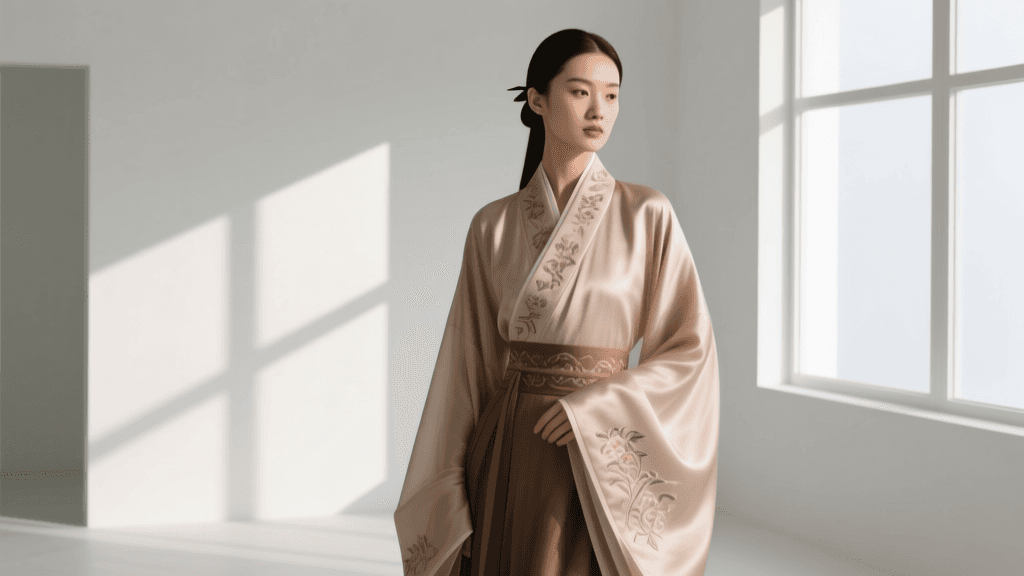
Walk through the historic districts of Xi'an, Chengdu, or Hangzhou today, and you will inevitably see young people adorned in flowing silk robes, pleated skirts, and intricate hairpins. This is not a film set; it is the visible result of a massive cultural and commercial shift. Over the last two decades, traditional Chinese clothing—collectively known as Hanfu—has transitioned from a niche hobby pursued by historical reenactors to a multi-billion-dollar mainstream fashion industry. According to cultural historians tracking the Hanfu movement, what began in the early 2000s as a grassroots effort to reclaim Han ethnic identity has evolved into a highly digitized, fast-paced e-commerce ecosystem.
In the early days of the revival, acquiring authentic Hanfu was a formidable challenge. Enthusiasts relied on obscure internet forums (BBS), shared DIY sewing patterns, or commissioned small, independent tailors who operated out of physical fabric markets. There were no standardized sizes, no dedicated brands, and no reliable supply chains. Fast forward to today, and the landscape is unrecognizable. Driven by the 'Guochao' (national trend) movement and the ubiquity of mobile shopping, Hanfu is now a dominant force in Asian e-commerce, with dedicated brands, live-streaming sales, and global shipping networks.
The Modern Hanfu E-Commerce Ecosystem
The commercialization of Hanfu mirrors the broader digital transformation of China's retail sector. Platforms like Taobao, Tmall, and Douyin (the Chinese version of TikTok) have become the primary engines for Hanfu sales. As noted by international observers covering the resurgence of traditional dress, social media has played a pivotal role in normalizing these garments, turning historical clothing into everyday streetwear and festival attire.
For international buyers and diaspora communities, the e-commerce boom has made Hanfu more accessible than ever. While domestic Chinese consumers use Taobao and WeChat Mini-Programs, international buyers can access these garments through global marketplaces like AliExpress, specialized independent brand websites, and proxy shopping services like Superbuy or CSSBuy. However, navigating this vast digital marketplace requires an understanding of brand tiers, traditional sizing, and the unique production timelines of historical garments.
Practical Guide: How to Buy Hanfu Online
When shopping for Hanfu online, it is crucial to understand that the market is segmented by historical accuracy, material quality, and price. Below is a structured comparison of the primary brand tiers you will encounter in the e-commerce space.
| Brand Tier | Notable Brands | Price Range (USD) | Specialty & Quality | Typical Wait Time |
|---|---|---|---|---|
| Mass Market / Entry | Shisanyu, Lanruo, Ciyunjian | $30 - $90 | Polyester blends, fantasy-inspired designs, accessible sizing, frequent collaborations with anime/game IPs. | In-stock or 7-15 days |
| Mid-Tier / Enthusiast | Zhongzheng, Tingyue, Sihan | $100 - $250 | Silk-cotton blends, accurate historical patterns (Song/Ming dynasties), better embroidery and draping. | 15-30 days |
| High-End / Museum Grade | Minghuatang, Wanying, Xianhan | $300 - $1,000+ | Pure mulberry silk, real gold thread weaving, museum-level historical accuracy, custom tailoring. | 3-12 months |
Actionable Advice: If you are buying your first set for a festival or photoshoot, start with a mid-tier brand like Zhongzheng. They offer the best balance of historical accuracy (such as proper collar intersections and sleeve shapes) and modern wearability without the exorbitant wait times of high-end artisans.
Navigating Sizing and Custom Measurements
One of the most common pitfalls for Western buyers purchasing Hanfu online is misunderstanding the sizing system. Traditional Chinese garments rely on traditional Chinese tailoring techniques, specifically 'Pingmian Caishang' (flat pattern cutting). Unlike Western fashion, which uses darts and seams to contour fabric to the body's curves, Hanfu is cut flat. The fit is achieved through overlapping layers, tying sashes, and the natural drape of the fabric.
Because of this, Hanfu is rarely sold in standard S/M/L sizes based on bust or hip contours. Instead, garments are sized by flat garment width and length. When buying online, you must consult the brand's specific size chart and compare it to your body measurements.
Essential Measurements for Online Hanfu Shopping:
- Height (Shengao): Crucial for determining skirt length (Mamqun or Baidi) and robe hemlines.
- Weight (Tizhong): Many Taobao sellers use weight ranges rather than chest measurements to recommend sizes, as the flat cut accommodates a wide variety of bust sizes.
- Bust/Chest (Xiongwei): Important for the 'Jiaoling Youren' (cross-collar right-lapel) tops to ensure the collar lies flat without gaping.
- Waist (Yaowei): Necessary for pleated skirts, which are often secured with ties or side-zippers.
- Arm Length: Measured from the base of the neck to the wrist, essential for traditional long sleeves (Pipa sleeves or wide sleeves).
Pro Tip: Always size up if you are between sizes. Hanfu is designed to have a relaxed, flowing silhouette. A garment that is too tight will cause the cross-collar to pull open, breaking the traditional aesthetic and causing discomfort.
Understanding Pre-Sales (Yushou) vs. In-Stock (Xianhuo)
The Hanfu e-commerce model operates heavily on a pre-sale basis, known in Chinese as 'Yushou' (预售). Because high-quality Hanfu requires specialized weaving, intricate embroidery, and small-batch production, brands often do not hold large inventories. Instead, they release digital renderings or sample photos, open a pre-sale window for 7 to 15 days, and then manufacture the garments based on the orders received.
Timing and Costs:
- Xianhuo (In-Stock): Ready to ship within 48 hours. Usually limited to mass-market brands or leftover stock from previous seasons. Expect to pay full price, but you get immediate gratification.
- Yushou (Pre-Sale): Requires a deposit (usually 10-20% of the total cost) or full payment upfront. Production and shipping can take anywhere from 30 to 90 days. The advantage is that pre-sale items are often slightly cheaper and guarantee you get the exact design before it sells out.
For international buyers using proxy services, pre-sales can be complicated, as proxies require you to finalize the purchase when the seller ships to the domestic warehouse. Always check the estimated 'Yushou' shipping date on the product page before committing your funds.
The Impact of Live Streaming and Social Commerce
The latest evolution in Hanfu e-commerce is the dominance of live streaming on platforms like Taobao Live and Douyin. Live streaming has solved a major hurdle in buying traditional garments online: assessing fabric drape and movement. Static images cannot convey the weight of a heavy brocade Ming-dynasty jacket or the way a Song-dynasty silk skirt catches the light.
During a live stream, hosts will try on garments, walk around, and manipulate the fabric under different lighting conditions. They also offer real-time flash sales and exclusive discount codes. For the actionable buyer, tuning into a brand's live stream is the best way to gauge the true color and texture of a garment before purchasing. Many brands now offer English-subtitled streams or cater to international audiences during specific evening hours to accommodate different time zones.
Actionable Checklist for First-Time Online Buyers:
- Determine your Dynasty Preference: Tang (bold, colorful, wide sleeves), Song (minimalist, slender, everyday wear), or Ming (structured, regal, heavy fabrics). This narrows your search significantly.
- Use Image Search: If you see a Hanfu set you like on Instagram or Pinterest, save the image and use the camera icon in the Taobao or AliExpress search bar to find the original manufacturer and avoid overpriced dropshippers.
- Factor in Undergarments: Traditional Hanfu is often sheer or lightweight. You will need to purchase modern 'Hanfu undergarments' (tube tops, slip skirts, and petticoats) to wear beneath your outfit. Budget an extra $15-$25 for these essentials.
- Check the Return Policy: Many pre-sale and custom-tailored Hanfu sets are non-refundable. Only buy from sellers who explicitly state '7-day no-reason returns' (七天无理由退货) if you are unsure about sizing.
Conclusion
The journey of Hanfu from obscure historical markets to a digital e-commerce powerhouse is a testament to the enduring appeal of cultural heritage. Today's buyers have unprecedented access to centuries of sartorial history, provided they understand the unique mechanics of the market. By familiarizing yourself with flat-pattern sizing, navigating pre-sale timelines, and leveraging social commerce tools, you can confidently build an authentic, high-quality traditional Chinese wardrobe from anywhere in the world.