2026 Xin Zhongshi Style: The Modern Mamianqun Skirt Guide
The Resurgence of the Horse-Face Skirt in 2026
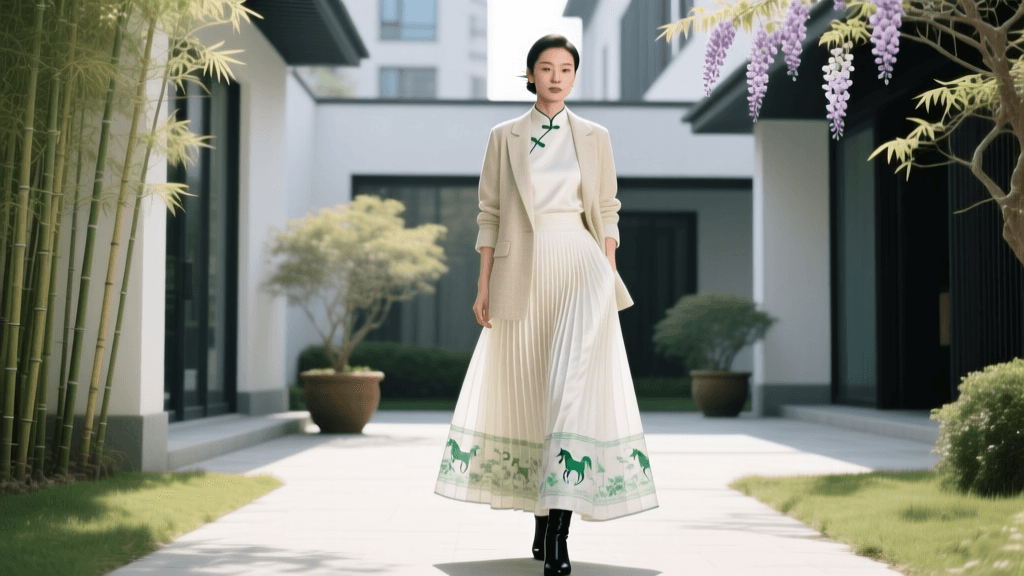
The Xin Zhongshi (新中式) movement—translating to 'New Chinese Style'—has firmly transitioned from a viral social media trend into a cornerstone of contemporary global fashion by 2026. At the very heart of this sartorial evolution is the Mamianqun, or horse-face skirt. Characterized by its flat front and back panels flanked by intricate, overlapping knife pleats, the Mamianqun dates back to the Song and Ming dynasties. However, the 2026 iteration of this garment is defined by its seamless integration into modern, fast-paced lifestyles. It is no longer reserved strictly for historical reenactments or festivals; it is a staple of the modern professional and creative wardrobe.
As noted by cultural historians, the modern appreciation of these garments is deeply tied to a broader reclamation of traditional Asian fashion silhouettes. The global conversation surrounding the intellectual property and cultural origins of traditional Chinese pleating techniques, famously highlighted in a BBC Culture retrospective on international fashion controversies, has only deepened consumer demand for authentic, historically respectful, yet highly wearable designs. Today's Xin Zhongshi enthusiasts demand garments that honor ancient tailoring while accommodating modern bodies and aesthetics.
Decoding Fabrics: Traditional vs. Modern Blends
The most critical decision when investing in a modern Mamianqun is the fabric. While traditionalists may gravitate toward pure silks, the 2026 market offers a spectrum of textiles engineered for different climates, budgets, and drape requirements. Understanding these materials is essential for building a versatile Xin Zhongshi wardrobe.
| Fabric Type | Composition | Drape & Weight | 2026 Price Range (USD) | Best Use Case |
|---|---|---|---|---|
| Traditional Song Brocade | 100% Mulberry Silk | Heavy, Structured, Crisp | $250 - $600+ | Formal Events, Winter Layering |
| Modern Jacquard Blend | 60% Polyester, 40% Viscose | Medium, Fluid, Pleat-Holding | $85 - $150 | Daily Office Wear, Commuting |
| Tencel-Silk Crepe | 70% Tencel, 30% Silk | Light, Breezy, Soft | $120 - $220 | Summer, Resort Wear, Casual |
| Wool-Blend Tweed | 50% Wool, 50% Acrylic | Thick, Warm, Textured | $180 - $300 | Autumn/Winter, Academic Settings |
Authenticating Weaves vs. Mass-Market Prints
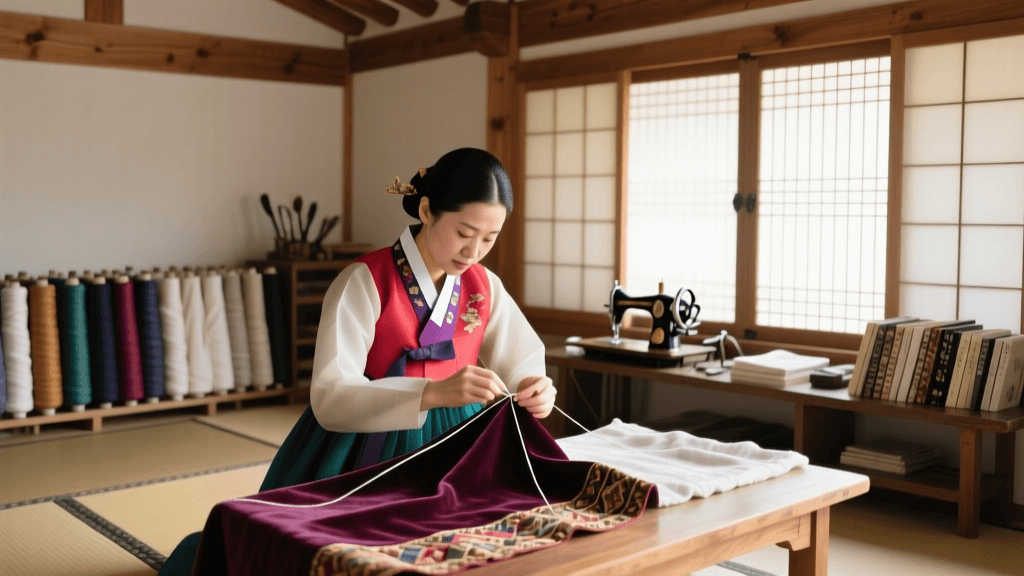
A hallmark of high-quality Xin Zhongshi in 2026 is the use of true jacquard weaving rather than digital printing. In a true jacquard Mamianqun, the intricate motifs—such as stylized orchids, geometric clouds (Xiangyun), or minimalist bamboo—are woven directly into the warp and weft of the fabric. To authenticate a piece, perform the 'reverse side test': the inside of the skirt should show the inverse colors of the pattern, with no loose, floating threads. Conversely, mass-market printed skirts will feature a flat, monochromatic reverse side. According to the Victoria and Albert Museum's extensive archives on Chinese dress, the structural integrity of historical brocades relied heavily on this complex interlacing, a technique that modern Xin Zhongshi brands are now replicating with advanced computerized looms to ensure durability without sacrificing historical accuracy.
Precision Sizing and Pleat Architecture
The architecture of the Mamianqun relies entirely on precise measurements. Unlike Western pleated skirts that feature an elasticized waist, the traditional horse-face skirt utilizes a flat, structured waistband that ties or fastens at the side. In 2026, brands have introduced ergonomic modifications to this historical template.
- The Waistband: Traditional skirts feature an 8cm to 10cm wide white cotton or silk waistband. Modern Xin Zhongshi adaptations often reduce this to a 4cm or 5cm width, or incorporate hidden hook-and-eye closures alongside the traditional ties to prevent slipping during active wear.
- Skirt Length: For the most flattering, contemporary silhouette, the hem should graze the ankle bone. Calculate your ideal length by multiplying your total height by 0.55. For example, a person who is 165cm tall should look for a skirt length of approximately 90cm to 92cm.
- Pleat Width: The width of the knife pleats dictates the skirt's movement. Narrow 3cm pleats offer a fluid, liquid-like drape ideal for lightweight Tencel blends, while broader 6cm pleats provide the architectural stiffness required for heavy brocades and winter wools.
Essential Xin Zhongshi Pairings for Daily Wear
The genius of the Xin Zhongshi movement lies in its juxtaposition of the ancient and the avant-garde. Styling a Mamianqun in 2026 is about avoiding a 'costume' look by anchoring the traditional skirt with hyper-modern, minimalist, or structured tops.
Office-Appropriate Silhouettes
For the modern workplace, pair a mid-weight viscose jacquard Mamianqun in muted tones (such as slate grey, deep plum, or celadon) with a sharply tailored, oversized blazer. A fitted silk camisole or a high-necked merino wool turtleneck underneath balances the volume of the skirt's pleats. Footwear should remain contemporary: square-toe leather ankle boots or minimalist loafers bridge the gap between Ming dynasty elegance and 2026 corporate chic.
Evening and Event Styling
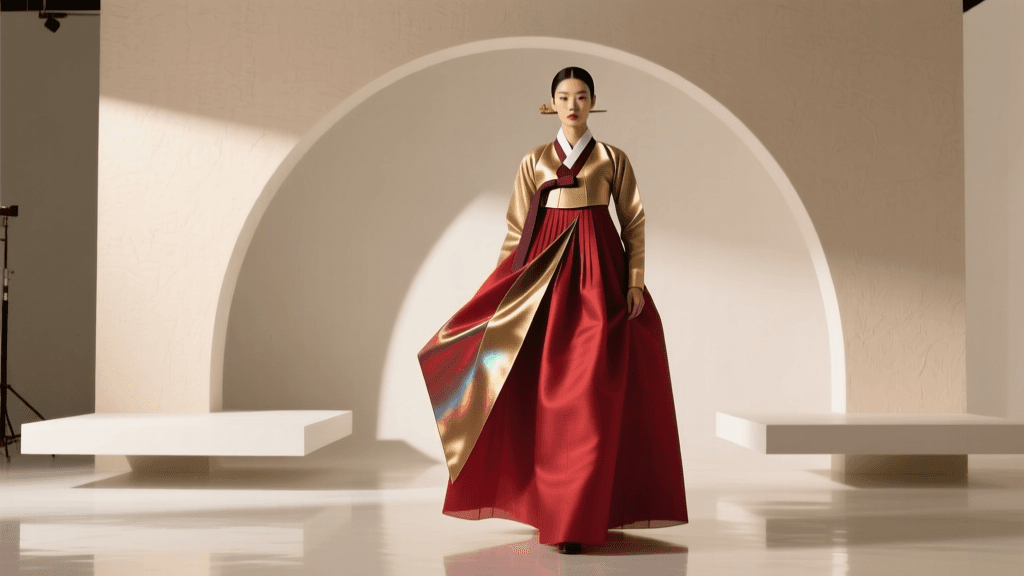
For evening events, lean into the luxurious textures of traditional textiles. A heavy Song brocade skirt featuring subtle metallic gold threading can be paired with a modern, architectural corset top or a sleek, off-the-shoulder velvet bodysuit. Accessorize with contemporary pearl drop earrings and a structured micro-bag. The Metropolitan Museum of Art notes that historical Chinese garments often utilized contrasting textures and layers to denote status and occasion; modern Xin Zhongshi styling mirrors this by contrasting the ornate skirt with stark, minimalist upper garments.
Pleat Maintenance and Storage Best Practices
The defining feature of the Mamianqun is its crisp, razor-sharp knife pleats. Maintaining these pleats requires specific care routines, especially when dealing with natural fibers like silk and Tencel, which are prone to relaxing over time.
- Washing: Never machine wash a Mamianqun. For silk and wool blends, professional dry cleaning is mandatory. For polyester and Tencel blends, gentle hand washing in cold water with a pH-neutral silk detergent is acceptable.
- Drying: Never wring the fabric. Gently press out excess water using a clean microfiber towel, then hang the skirt on a multi-clip hanger, ensuring the weight of the wet fabric pulls the pleats straight down.
- Steaming vs. Ironing: Avoid direct contact with a traditional iron, which can flatten the intricate jacquard patterns and create unwanted shine on synthetic blends. Instead, use a high-pressure garment steamer. Steam the pleats from the inside out, gently pressing them together with your fingers while the fabric is hot and damp to reset the fold memory.
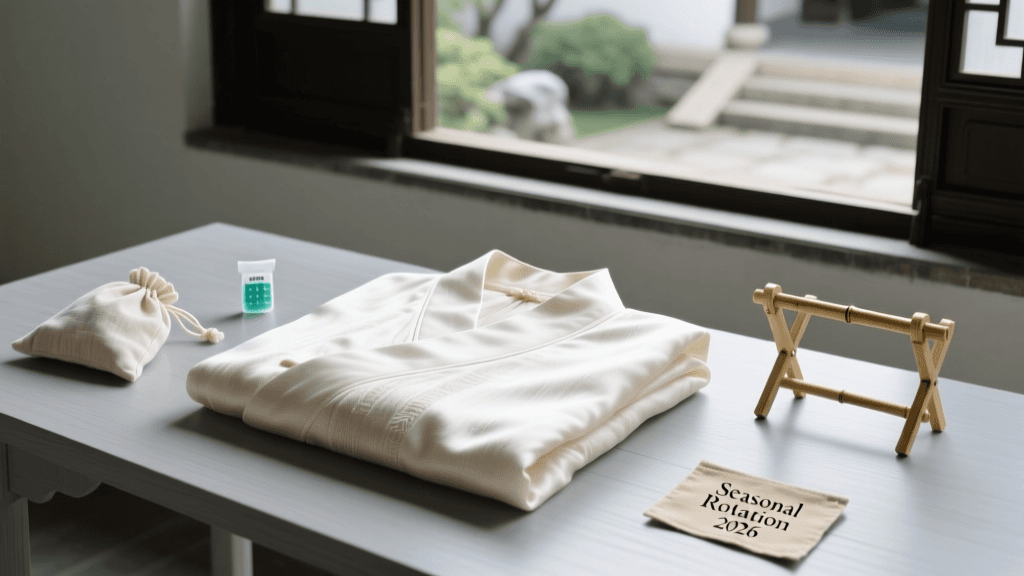
- Storage: Never fold a Mamianqun for long-term storage, as this will permanently crease the pleats at incorrect angles. Always store them hanging in a breathable cotton garment bag, away from direct sunlight to prevent the metallic threads and natural dyes from fading.
The Future of Xin Zhongshi
As we move through 2026, the Xin Zhongshi movement continues to mature, prioritizing sustainable textile practices and historical reverence over fast-fashion imitation. The Mamianqun stands as a testament to the enduring power of Asian traditional garments, proving that when historical craftsmanship is thoughtfully adapted, it transcends time to become a vital, living component of the modern global wardrobe. Whether you are navigating a bustling metropolis or attending a formal gala, the horse-face skirt offers a profound connection to heritage, wrapped in the sophisticated silhouette of the present day.