Xin Zhongshi 2026: Mamianqun Capsule Wardrobe Guide
The Evolution of Xin Zhongshi in 2026
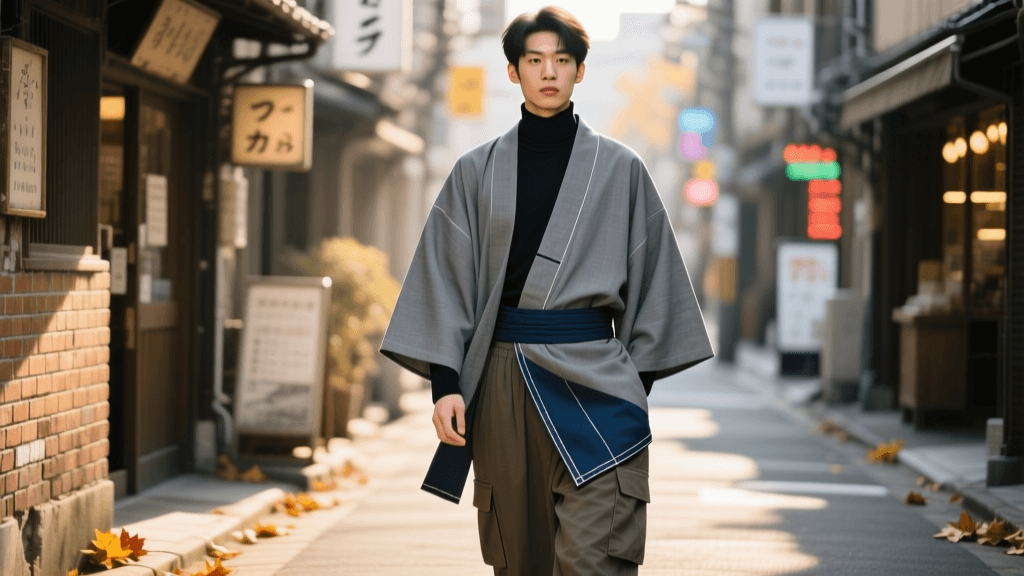
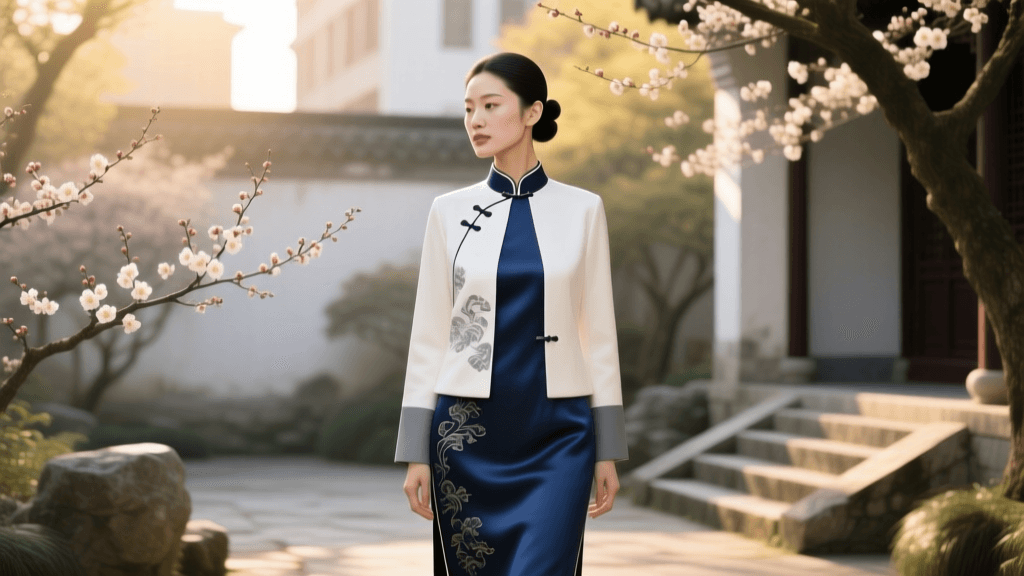
The Xin Zhongshi (新中式) movement has officially transcended its viral social media origins to become a permanent pillar of global fashion in 2026. No longer confined to festival wear or historical reenactment, the 'New Chinese Style' represents a sophisticated synthesis of heritage craftsmanship and contemporary urban utility. For the modern wardrobe builder, navigating this space requires an understanding of both traditional textile properties and the 2026 innovations in tailoring. This deep dive explores how to construct a versatile, high-quality Xin Zhongshi capsule wardrobe, focusing on the iconic Mamianqun, modernized Song brocade outerwear, and the integration of these pieces into a global, cosmopolitan lifestyle.
The Anchor Piece: The 2026 Mamianqun (Horse-Face Skirt)
The Mamianqun is the undisputed centerpiece of the Xin Zhongshi aesthetic. Historically, the Mamianqun's structure features two flat, overlapping front and back panels (the 'horse faces') flanked by pleated sides, allowing for ease of movement while maintaining a rigid, architectural silhouette. In 2026, leading Chinese independent designers have re-engineered this Ming and Qing dynasty staple for the modern commuter.
Modern Adaptations and Measurements
Traditional Mamianqun skirts rely on complex wrapping and tying, which can be cumbersome for daily wear. The 2026 iterations solve this with hidden, adjustable elasticized waistbands and discreet side zippers, preserving the seamless front panel illusion while offering the convenience of Western skirts. When selecting your skirt, consider the following 2026 standard lengths:
- The 85cm Midi: Hits just below the calf. Ideal for office environments and paired with ankle boots or modern loafers. This length prevents the pleats from dragging on wet urban pavement.
- The 105cm Maxi: Grazes the ankle. Best suited for evening wear, galas, or tall individuals. The dramatic drape of the pleats is fully realized at this length.
Furthermore, 2026 fabric innovations have introduced wrinkle-resistant jacquard weaves and anti-static cupro linings. This ensures the pleats remain razor-sharp even after hours of sitting, a common issue with older, pure-silk variants. Expect to invest between $120 and $280 USD for a high-quality, artisan-woven midi skirt from established platforms like Taobao's premium designer sectors or global boutiques specializing in Asian heritage fashion.
Outerwear: Song Brocade (Songjin) Bombers and Blazers
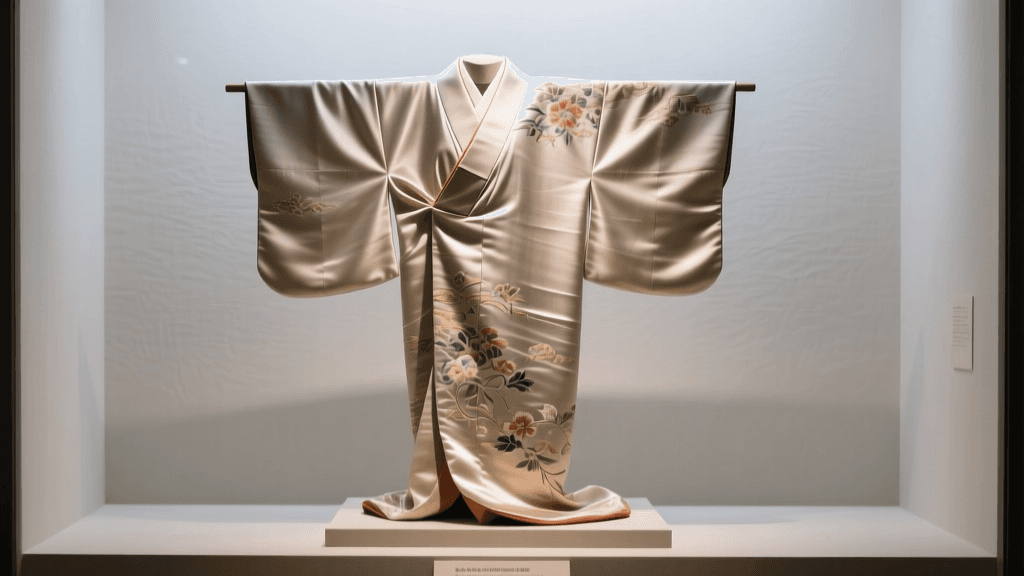
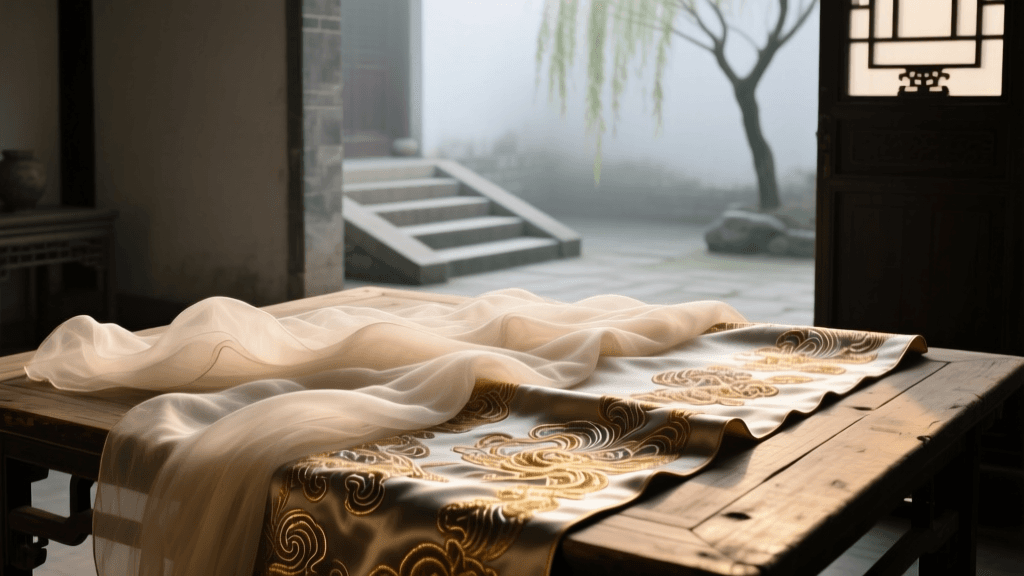
To balance the voluminous drape of the Mamianqun, Xin Zhongshi outerwear leans into structured, tailored silhouettes. Song Brocade, or Songjin, is one of China's most revered textiles, celebrated for its intricate geometric patterns and subtle, elegant sheen. As detailed in the Metropolitan Museum of Art's archives on Chinese silk weaving, historical brocades were heavy and stiff. However, the 2026 Xin Zhongshi movement utilizes innovative silk-cupro and silk-viscose blends that offer the visual depth of traditional Songjin with the soft drape and breathability required for modern layering.
The Brocade Bomber
The fusion of the American MA-1 bomber jacket silhouette with traditional Song brocade fabric is a defining trend of 2026. Look for bombers featuring ribbed knit cuffs and hems to contrast the ornate brocade, often lined with lightweight mulberry silk. These jackets typically retail from $180 to $450 USD, depending on the complexity of the jacquard weave and the use of genuine silk versus synthetic blends.
The Modified Mandarin Blazer
For professional settings, the Mandarin-collar blazer replaces the traditional notch lapel with a sleek, band-collar closure secured by modern, minimalist Pankou (knot) buttons. In 2026, these blazers are cut with slight drop-shoulders and a relaxed, oversized fit, moving away from the restrictive, tight tailoring of early 2010s interpretations.
2026 Xin Zhongshi Fabric Comparison Guide
Understanding textiles is crucial for building a lasting capsule wardrobe. Below is a comparison of the three dominant fabrics in the 2026 Xin Zhongshi market:
| Fabric Type | 2026 Composition Standard | Maintenance & Care | Avg. Price Range (USD) | Best Garment Application |
|---|---|---|---|---|
| Song Brocade (Songjin) | 40% Silk, 60% Cupro/Viscose | Dry clean only; steam on low heat. | $180 - $450 | Bomber jackets, structured blazers, evening clutches. |
| Xiangyunsha (Gambiered Gauze) | 100% Mulberry Silk, river mud dyed | Hand wash cold with pH-neutral detergent; air dry in shade. | $150 - $350 | Summer tops, wide-leg trousers, lightweight duster coats. |
| Mamianqun Jacquard | Polyester-Silk blend with anti-static weave | Machine washable (delicate cycle); hang dry to preserve pleats. | $120 - $280 | Pleated skirts, everyday wrap dresses, durable outer layers. |
Styling the Capsule: Bridging East and West
The core philosophy of Xin Zhongshi in 2026 is integration, not costume. The goal is to weave heritage pieces seamlessly into a contemporary wardrobe.
Footwear Pairings
Avoid traditional cloth shoes for everyday urban wear; they lack the arch support and weather resistance needed for modern cities. Instead, pair your Mamianqun with:
- Chunky Loafers: A thick-soled leather loafer grounds the ethereal drape of the skirt and adds a punk-adjacent, academic edge.
- Mary Janes: Patent leather Mary Janes with a modest block heel echo the vintage elegance of the 1920s Shanghai era while providing modern comfort.
- Minimalist Sneakers: Low-profile, monochromatic sneakers (like the 2026 iterations of classic leather tennis shoes) work exceptionally well with the 85cm midi skirt for weekend errands.
Layering Techniques
As the global fashion influence of Chinese aesthetics continues to expand, as noted in exhibitions exploring China's impact on the Western imagination, the styling has become more nuanced. For autumn and winter, layer a fine-gauge merino wool turtleneck beneath a sleeveless modified Qipao top. The contrast between the matte wool and the lustrous silk or brocade creates a rich, tactile outfit. Cinch the waist with a slim, contemporary leather belt to break up the traditional silhouette and introduce a Western structural element.
Sourcing and Caring for Your Garments
The 2026 market is saturated with fast-fashion knockoffs that use cheap polyester to mimic the look of Xin Zhongshi. To build a genuine capsule wardrobe, prioritize direct-to-consumer independent ateliers based in Hangzhou and Suzhou, which are now offering reliable international shipping and detailed English sizing charts. Look for sellers who provide macro-photography of the fabric weave and transparent breakdowns of their fiber content.
Pro-Tip for Pleat Maintenance: To maintain the sharp pleats of your Mamianqun after washing, never wring the fabric. While the skirt is still damp, lay it flat on a towel, roll it up to gently press out excess water, and then hang it using a skirt hanger with multiple clips. The weight of the damp fabric will naturally pull the pleats into perfect alignment as it dries.
When storing your Song brocade jackets, avoid wire hangers which will distort the shoulder seams and crush the intricate jacquard patterns. Use padded, velvet-lined hangers and store the garments in breathable cotton dust bags to protect the delicate silk fibers from UV degradation and dust accumulation.
Conclusion
The Xin Zhongshi movement of 2026 is a testament to the living, breathing nature of Asian traditions. By investing in thoughtfully engineered Mamianqun skirts and modernized Song brocade outerwear, you are not just participating in a trend; you are adopting a sustainable, culturally rich approach to personal style that bridges centuries of craftsmanship with the demands of modern life.