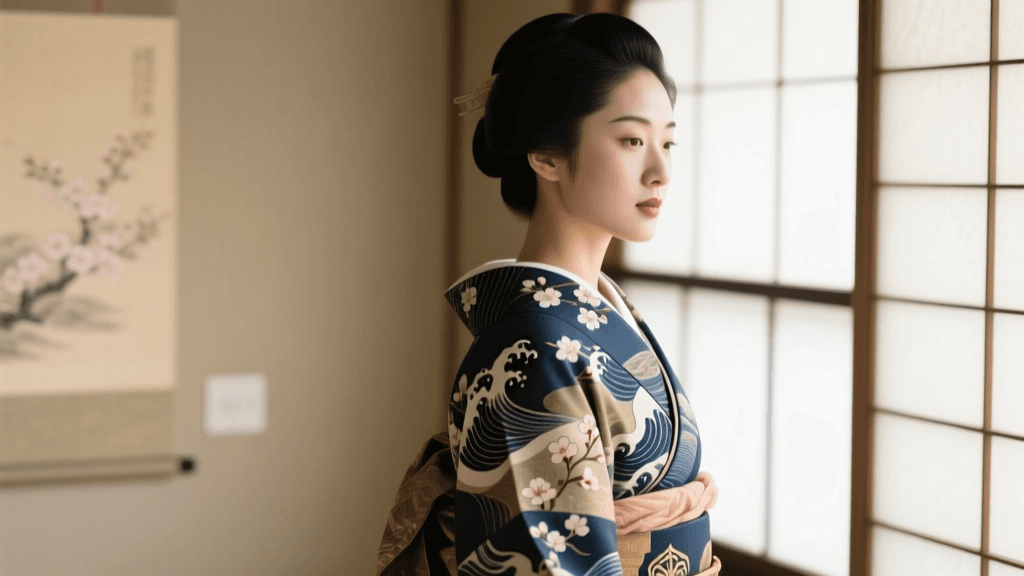
The Haori Revival: Styling Japanese Jackets in Modern Streetwear
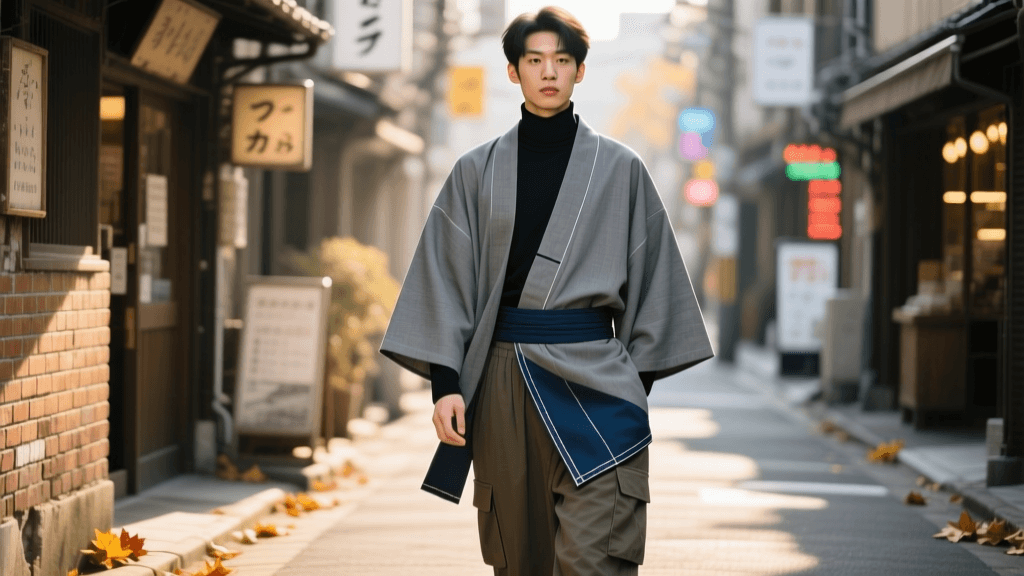
The intersection of heritage craftsmanship and contemporary hype has birthed some of the most exciting movements in global fashion. Among the most striking of these is the modern revival of the haori, a traditional Japanese hip- or thigh-length kimono-style jacket. Once reserved for formal ceremonies, samurai armor layering, or the working class of the Edo period, the haori has transcended its historical boundaries to become a staple in modern streetwear. From the neon-lit alleys of Harajuku to the high-fashion runways of Paris, the haori offers a masterclass in silhouette, drape, and textile artistry.
According to The Metropolitan Museum of Art, the structural evolution of Japanese garments like the kimono and haori reflects centuries of social change, shifting from rigid class identifiers to canvases of personal expression. Today, streetwear enthusiasts are reclaiming these garments, blending centuries-old weaving techniques with modern urban aesthetics. This guide will provide you with actionable advice on sourcing, sizing, and styling the haori for a contemporary wardrobe.
The Evolution: From Edo Period to Harajuku
Historically, the haori was worn over the kimono to provide warmth and display the wearer's family crest (mon). During the Edo period (1603–1867), sumptuary laws restricted the lower classes from wearing lavish silk kimono. In response, wealthy merchants wore subdued, dark-colored haori with incredibly ornate, hidden silk linings—a rebellious flex of hidden luxury that perfectly parallels modern streetwear's obsession with subtle branding and inside-out detailing.
Today, the Victoria and Albert Museum's Kimono: Kyoto to Catwalk exhibition highlights how Japanese silhouettes have continuously influenced Western and global fashion design. In streetwear, the haori's appeal lies in its open front, wide sleeves, and lack of restrictive tailoring. It provides an effortless, flowing layer that pairs as naturally with a heavyweight hoodie and cargo pants as it does with traditional hakama.
Mastering the Fit: Haori Measurements Explained
Buying a haori for streetwear requires abandoning Western tailoring metrics. There are no shoulder seams; the garment is constructed from straight bolts of fabric, meaning the drape is entirely dictated by the yuki (sleeve span) and the width of the body panels.
For a modern, oversized streetwear silhouette (akin to brands like Yohji Yamamoto or Rick Owens), you want a haori that drops past the mid-thigh with sleeves that pool slightly past the wrist.
| Measurement Term | Description | Ideal Streetwear Fit (Men's/Unisex) | Ideal Streetwear Fit (Women's) |
|---|---|---|---|
| Yuki | Center back neck to the end of the sleeve. | 75cm - 82cm (Drop-shoulder effect) | 68cm - 75cm |
| Mitake | Length from the back neck down to the hem. | 85cm - 100cm (Mid-thigh to knee) | 75cm - 90cm |
| Sodehaba | Width of the sleeve opening. | 35cm - 45cm (Allows for hoodie layering) | 30cm - 40cm |
| Katahaba | Shoulder width (seam to seam across back). | 60cm+ (Creates the signature boxy drape) | 55cm+ |
Actionable Tip: When shopping online or in vintage bins, always carry a soft measuring tape. Measure your favorite oversized coach jacket or cardigan from the center back neck to the cuff, and use that as your baseline yuki requirement.
Sourcing Your Haori: Vintage vs. Contemporary
The Japan National Tourism Organization (JNTO) frequently highlights traditional craft villages and vintage markets as essential cultural experiences. For the streetwear aficionado, these markets are goldmines. Sourcing a haori involves choosing between vintage authenticity and contemporary durability.
| Category | Sourcing Location | Price Range (USD) | Pros & Cons |
|---|---|---|---|
| Vintage Silk | Koenji / Shimokitazawa (Tokyo), Etsy, Yahoo Auctions Japan | $15 - $60 | Pros: Unique patterns, historical linings, sustainable. Cons: Fragile, requires dry cleaning, susceptible to sun damage. |
| Vintage Cotton/Kasuri | Ameyoko Market, specialized online vintage dealers | $40 - $120 | Pros: Durable, machine washable, great for daily streetwear. Cons: Heavier, harder to find in pristine condition. |
| Contemporary Streetwear | Harajuku boutiques, global streetwear brands (e.g., Sukajan, Kapital) | $150 - $500+ | Pros: Modern fabrics (nylon, ripstop), tailored for layering. Cons: Expensive, lacks historical textile authenticity. |
3 Actionable Streetwear Styling Formulas
Integrating a traditional garment into a modern wardrobe requires balancing proportions. The haori is inherently voluminous, so your base layers and bottoms must provide structure or intentional contrast.
Formula 1: The Techwear Samurai
This look merges the futuristic utility of techwear with the flowing silhouette of the haori. Choose a contemporary haori made from water-resistant nylon or ripstop cotton. Layer it over a fitted, high-neck tactical turtleneck and relaxed-fit cargo pants with gathered ankles. Finish with chunky, aggressive footwear like Balenciaga Tracks or Salomon XT-6.
Accessory Hack: Traditional haori are tied with braided silk cords called haori himo. For a techwear twist, discard the cords and use a matte-black tactical carabiner or a heavy-duty nylon strap to secure the front panels in high winds.
Formula 2: Vintage Americana Fusion
Japanese streetwear has a deep, documented love affair with vintage Americana. Pair a vintage, indigo-dyed kasuri (cotton) haori with a faded vintage band tee, raw selvedge denim, and beaten-up Converse Chuck 70s or Red Wing Iron Rangers. The indigo of the haori will naturally fade and patina alongside the denim, creating a cohesive, lived-in aesthetic that tells a story.
Formula 3: Elevated Minimalist
For a high-fashion, avant-garde approach, lean into monochrome. Select a solid black or charcoal grey silk haori with a subtle matte texture. Wear it over a heavyweight, boxy white t-shirt and wide-leg, pleated trousers that pool over minimal leather derbies. The miyatsukuchi (the side slits under the arms of a women's or children's haori, sometimes adapted in modern unisex designs) allows the garment to billow dramatically as you walk, creating a striking, architectural silhouette.
Garment Care for the Urban Explorer
Treating a vintage silk haori like a standard streetwear hoodie will destroy it. Silk degrades under prolonged UV exposure and water spots. If you are wearing a vintage silk piece, avoid wearing it in heavy rain or direct, all-day summer sunlight. Store your haori on wide, padded wooden hangers to maintain the shoulder drape, and fold the sleeves inward to prevent stretching. For cotton kasuri or hemp haori, gentle hand washing in cold water with a pH-neutral detergent is safe, but always air dry flat to maintain the structural integrity of the seams.
Conclusion
The haori is more than a relic of Japanese history; it is a dynamic, living garment that continues to evolve on the streets of global fashion capitals. By understanding its unique measurements, respecting its textile heritage, and applying modern styling formulas, you can seamlessly integrate this masterpiece of Asian tradition into your daily streetwear rotation. Whether you are hunting for a hidden gem in a Tokyo vintage bin or investing in a contemporary reinterpretation, the haori guarantees a silhouette that is as historically rich as it is visually striking.