Best Hanfu For Tai Chi And Qigong Practice In 2026: Wellness Guide
The 2026 Wellness Shift: Returning to Traditional Roots
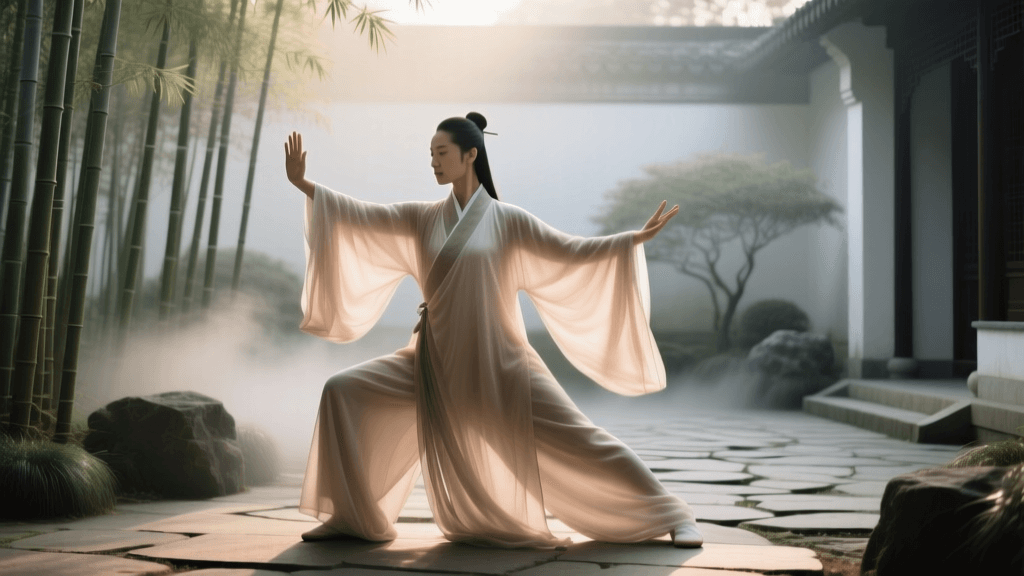
As the global wellness landscape continues to evolve in 2026, practitioners of Tai Chi and Qigong are increasingly turning away from synthetic, mass-produced athletic wear. Instead, there is a profound return to culturally rooted, natural garments. The Xin Zhongshi (New Chinese Style) movement has matured significantly this year, bridging the gap between ancient Hanfu aesthetics and the functional demands of modern mindful movement. For those dedicated to cultivating Qi, the clothing you wear is not merely a covering; it is an extension of your practice. This comprehensive guide explores the best Hanfu garments, fabrics, and cuts specifically optimized for Tai Chi and Qigong in 2026, ensuring your wardrobe supports both your physical biomechanics and your energetic flow.
The Biomechanics of Qi: Why Western Tailoring Fails Tai Chi
To understand why traditional Chinese garments are superior for internal martial arts, one must examine the biomechanics of Tai Chi. Unlike Western 3D tailoring, which relies on darts, shoulder seams, and elastic bands to contour the body, traditional Hanfu utilizes flat-pattern cutting. This technique creates a seamless, unstructured drape that hangs naturally from the shoulders and hips. When executing deep stances like Ma Bu (Horse Stance) or performing sweeping arm movements, Western activewear often restricts the fascia and lymphatic flow due to tight compression. In contrast, the generous ease of Hanfu allows for unrestricted circulation. According to Harvard Health Publishing, the gentle, flowing movements of Tai Chi improve flexibility, balance, and muscle strength without stressing the joints. Wearing restrictive clothing counteracts these benefits by introducing unnecessary tension. The traditional cross-collar (Jiaoling Youren) and wide sleeves also promote the concept of "Peng" (ward-off energy), encouraging the practitioner to maintain a rounded, expansive posture that facilitates deep diaphragmatic breathing.
Top Xin Zhongshi Fabrics for Mindful Movement
The Xin Zhongshi movement of 2026 has introduced remarkable innovations in textile production, making traditional fabrics more accessible and easier to maintain than ever before. When selecting a garment for Qigong, breathability, moisture-wicking, and thermal regulation are paramount. The National Qigong Association emphasizes that a relaxed body and mind are essential for the smooth flow of vital energy. Natural fibers are uniquely equipped to support this physiological state, adapting to the body's microclimate during intense practice or static meditation.
Xiangyunsha (Gambiered Guangdong Silk)
Often referred to as "soft gold," Xiangyunsha is a premium silk dyed with the juice of the gambier plant and coated with iron-rich river mud. In 2026, authentic Xiangyunsha remains the pinnacle of luxury wellness wear. It is naturally antibacterial, highly breathable, and possesses a unique crispness that prevents the fabric from clinging to the skin during vigorous forms. The 2026 market price for a premium, hand-finished Xiangyunsha Tai Chi set ranges from $450 to $800. While it requires a significant investment, its durability and the way it softens beautifully over years of wear make it a lifelong companion for serious practitioners.
Summer Ramie (Xia Bu)
For practitioners in warmer climates or those who generate significant body heat during dynamic routines, Ramie is the ultimate summer fiber. Woven from the stalks of the Chinese nettle plant, Ramie has been used in Asian garments for millennia. Modern 2026 Xin Zhongshi brands have refined the weaving process to eliminate the historical itchiness of raw ramie, resulting in a fabric that is exceptionally soft, highly absorbent, and dries rapidly. A high-quality 150 GSM Ramie Duanda set typically costs between $120 and $180 this year. Its natural stiffness provides a beautiful structural drape that highlights the sharp, deliberate angles of martial forms.
2026 Bamboo-Cotton Matrix Blends
Recognizing the need for low-maintenance wellness wear, leading Xin Zhongshi designers in 2026 have perfected the Bamboo-Cotton Matrix blend. This fabric combines the silky, moisture-wicking properties of bamboo viscose with the structural integrity of organic cotton. Priced affordably at $60 to $95 per set, these blends are machine washable on gentle cycles, making them the most practical choice for daily Qigong practitioners who wash their garments frequently. The fabric offers a fluid, heavy drape that moves like water, perfectly complementing the continuous, circular motions of Yang-style Tai Chi.
Silhouettes for the Modern Practitioner
Selecting the correct silhouette is just as critical as choosing the right fabric. The evolution of Hanfu has produced several distinct cuts, each serving a different purpose in the realm of movement and meditation.
Duanda (Short Jacket and Trousers)
Historically worn by martial artists and laborers, the Duanda is the most practical silhouette for active Tai Chi practice. The 2026 Xin Zhongshi interpretation features a tailored yet relaxed jacket that ends at the hip, paired with tapered or wide-leg trousers. This cut prevents excess fabric from tangling during low sweeps or rapid footwork. Look for jackets with hidden side slits and reinforced underarm gussets, which provide an additional 4 to 6 inches of articulation for overhead strikes and blocks.
Songku (Wide-Leg Trousers)
The foundation of any internal martial art is the stance. Songku, characterized by their voluminous legs and high, pleated waists, are engineered for deep knee flexion. In 2026, the best Tai Chi Songku feature a dropped crotch seam (often a 10 to 12-inch drop) and a thigh circumference exceeding 30 inches. This specific measurement ensures that when you sink into a deep Ma Bu or execute a Pu Bu (crouch stance), the fabric does not pull against the knees or restrict blood flow to the lower extremities. The wide legs also allow for optimal air circulation, keeping the lower body cool.
Modified Beizi (Outer Robe)
For static Qigong practices, standing meditation (Zhan Zhuang), or cool-down periods, the Beizi is an excellent choice. This long, open-front robe features side slits that extend up to the waist, allowing for complete freedom of leg movement while providing an elegant, grounding presence. Modern 2026 variations often include subtle internal ties to secure the robe without the need for restrictive belts, maintaining the uninterrupted flow of Qi across the Dan Tian (the body's energetic center located just below the navel).
2026 Buyer’s Comparison Chart
To help you navigate the current market, we have compiled a comprehensive comparison chart detailing the best fabric and silhouette combinations for various styles of practice.
| Fabric Type | Best Practice Style | Drape & Feel | 2026 Price Range (Set) | Maintenance Level |
|---|---|---|---|---|
| Xiangyunsha Silk | Static Qigong, Luxury Forms | Crisp, Non-Clinging, Cooling | $450 - $800 | High (Hand Wash Only) |
| Refined Ramie (Xia Bu) | Dynamic Tai Chi, Summer Practice | Structured, Breathable, Textured | $120 - $180 | Medium (Gentle Machine) |
| Bamboo-Cotton Matrix | Daily Meditation, Yang Style | Fluid, Heavy, Silky | $60 - $95 | Low (Machine Washable) |
Grounding and Proprioception: Traditional Footwear
The connection between the foot and the earth is a foundational principle of Tai Chi. Thick, cushioned running shoes disrupt proprioception and elevate the heel, destabilizing the root. In 2026, traditional Kung Fu shoes remain the gold standard for practice. These shoes feature a thin, flexible cotton or rubber sole that allows the practitioner to feel the ground and grip the earth with their toes. Modern iterations from leading Xin Zhongshi footwear brands now incorporate antimicrobial bamboo-fiber linings and slightly wider toe boxes to accommodate natural toe splay. Priced between $25 and $45, they offer unparalleled ground feedback. For outdoor practice on rough terrain, minimalist leather-soled Tai Chi slippers provide a balance of protection and sensory connection.
Garment Care and Longevity
Maintaining your wellness wardrobe requires an understanding of natural fibers. After a rigorous Qigong session, garments will absorb sweat and environmental impurities. For Xiangyunsha and pure silk, always hand wash in cold water using a pH-neutral, enzyme-free detergent. Never wring the fabric; instead, press the water out gently and dry flat in the shade, as UV rays can degrade the natural dyes. Ramie and Bamboo-Cotton blends can withstand gentle machine washing, but should be removed immediately to prevent deep-set wrinkles. Ironing should be done on a low-heat setting with a pressing cloth to maintain the integrity of the fibers.
Final Thoughts on Tradition and Movement
The integration of traditional garments into modern wellness routines is more than a fleeting fashion trend; it is a reclamation of cultural heritage. As noted by The Metropolitan Museum of Art, the history of Chinese silk and textile production is deeply intertwined with the social and philosophical fabric of the civilization. By choosing Hanfu for your Tai Chi and Qigong practice in 2026, you are participating in a living tradition. You are honoring the ancient artisans who developed these flat-pattern cuts and natural dyes, while simultaneously optimizing your own physical and spiritual well-being. Whether you are flowing through a 108-form Yang routine in crisp Ramie or standing in silent meditation draped in Xiangyunsha, the right garment becomes a silent partner in your journey toward harmony and health.