Best Hanfu Garments For Tai Chi And Qigong In 2026
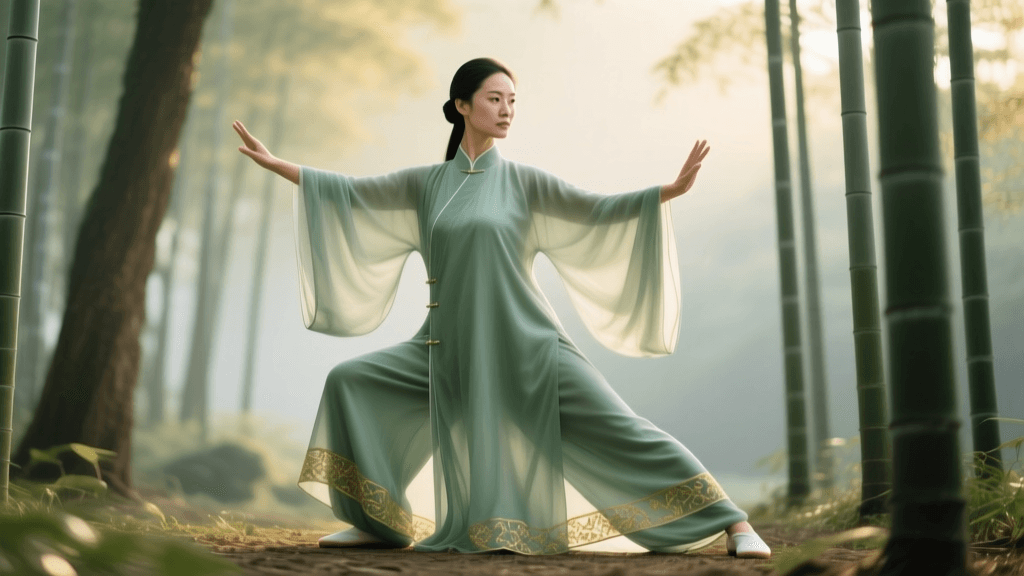
As the global wellness landscape evolves in 2026, the intersection of mindful movement and traditional attire has never been more relevant. The Xin Zhongshi (新中式), or New Chinese Style movement, has transcended mere fashion, becoming a functional lifestyle choice for practitioners of Tai Chi and Qigong. Blending ancient sartorial wisdom with modern textile innovations, today's Hanfu offers unparalleled comfort, breathability, and energetic flow for those dedicated to traditional Chinese wellness practices.
According to the World Health Organization, the integration of traditional medicine and wellness practices into daily life is a cornerstone of holistic health. When practicing Tai Chi or Qigong, the clothing you wear acts as a secondary skin—it should never restrict the flow of blood, lymph, or Qi (vital energy). In this comprehensive guide, we explore the best Hanfu silhouettes, 2026 performance-heritage fabrics, and actionable styling tips to elevate your mindful movement practice.
The Biomechanics of Qi and Traditional Tailoring
Modern athletic wear often relies on compression to support muscles, but traditional Chinese wellness practices require the exact opposite. Tai Chi and Qigong emphasize deep diaphragmatic breathing, relaxed joints, and expansive, sweeping movements. Compression garments can restrict the micro-circulation necessary for the tingling, warm sensation of Qi flow described in classical texts.
Traditional Hanfu tailoring is inherently two-dimensional and flat-cut, relying on draping rather than darts and tight seams to fit the body. This creates a microclimate of air between the skin and the fabric, allowing for natural thermoregulation during slow, sustained forms like the Yang-style 24-form or the Eight Brocades (Ba Duan Jin). In 2026, leading Xin Zhongshi designers have refined these historical cuts, introducing hidden gussets and articulated joints that maintain the classical silhouette while accommodating the deep Ma Bu (horse stance) and Gong Bu (bow stance) required in advanced martial and wellness forms.
Top Hanfu Silhouettes for Mindful Movement
1. Duan Da (短打) - The Active Standard
Historically worn by martial artists, laborers, and monks, the Duan Da consists of a short, cross-collared jacket paired with loose-fitting trousers (Ku). For 2026 practitioners, the Duan Da remains the gold standard for dynamic Tai Chi routines and outdoor Qigong. Modern iterations feature a slightly tapered ankle to prevent tripping during footwork transitions, while the crotch gusset is extended by an extra 2 to 3 inches compared to standard historical reproductions, ensuring zero resistance during deep stances.
2. Modified Ruqun (襦裙) for Gentle Qigong
For practitioners focusing on stationary or gentle Qigong, a modified Ruqun (a wrap skirt paired with a top) offers elegant drape and supreme comfort. However, traditional floor-length skirts can be hazardous during weight-shifting exercises. The 2026 Xin Zhongshi solution is the calf-length pleated Mamianqun (horse-face skirt) crafted from lightweight, anti-static bamboo-silk blends. This allows for the visual poetry of flowing fabric without compromising stability or safety.
3. The Changshan (长衫) for Meditation and Stillness
The long, flowing robe is ideal for pre-practice meditation, breathing exercises, and static standing postures (Zhan Zhuang). The wide sleeves encourage the practitioner to keep their shoulders dropped and relaxed—a fundamental rule in Tai Chi. When the arms are raised, the draped fabric provides gentle, weighted resistance that can help build shoulder endurance and promote proper structural alignment.
2026 Fabric Guide: Performance Heritage Textiles
The most significant advancement in the 2026 Hanfu market is the rise of "performance heritage" fabrics. These materials honor ancient weaving and dyeing techniques while offering the durability and moisture management required for active wellness routines.
| Fabric Type | Breathability | Drape & Weight | Best Practice Style | 2026 Est. Price Range |
|---|---|---|---|---|
| Xiangyunsha (Gambiered Silk) | Exceptional | Crisp, lightweight, rustling | Outdoor Summer Tai Chi | $220 - $350 |
| Bamboo-Linen Blend | High | Soft, structured, matte | Daily Qigong / Duan Da | $85 - $140 |
| Raw Mulberry Silk (Crepe) | Moderate | Fluid, heavy, elegant | Indoor Forms / Meditation | $150 - $250 |
| Organic Hemp-Cotton | High | Durable, slightly coarse | Martial Tai Chi / Groundwork | $60 - $110 |
Spotlight: Xiangyunsha (香云纱)
Known as "soft gold," Xiangyunsha is a heritage silk dyed with the juice of the gambier plant and coated in mineral-rich river mud from the Pearl River Delta. The result is a fabric that is naturally antimicrobial, UV-resistant, and incredibly cooling against the skin. In 2026, certified sustainable Xiangyunsha producers have introduced a slightly softer weave specifically for wellness wear, eliminating the stiff "rustling" sound of traditional garments, allowing for silent, meditative movement.
Color Theory in Traditional Chinese Medicine (TCM)
In traditional Chinese wellness, color is not merely aesthetic; it is energetic. The Xin Zhongshi movement has heavily embraced TCM color theory for wellness garments:
- Earth Tones (Ochre, Terracotta, Beige): Associated with the Spleen and Stomach meridians. Wearing these colors during grounding exercises or digestive Qigong helps cultivate stability and centering.
- Water Tones (Indigo, Charcoal, Deep Teal): Linked to the Kidneys and the storage of Jing (essence). Ideal for winter practices and deep, restorative Zhan Zhuang (standing meditation).
- Wood Tones (Celadon, Sage, Moss): Connected to the Liver and the smooth flow of Qi. Highly recommended for stress-relief Qigong and morning Tai Chi to promote emotional balance and flexibility.
Footwear: Grounding the Practice
Your connection to the earth is paramount in Tai Chi. Thick, cushioned running shoes disrupt proprioception and destabilize the ankle during slow weight transfers. In 2026, the preferred footwear for Hanfu-clad practitioners is the modernized Bu Xie (traditional cloth shoe).
Contemporary Bu Xie designed for wellness feature a zero-drop sole (no height difference between heel and toe) made from natural rubber or compressed cork, providing excellent grip on dew-covered grass or polished wooden floors while maintaining a thin profile for maximum ground feedback. Paired with moisture-wicking hemp socks, this combination ensures the feet remain grounded, dry, and aligned with the body's central axis.
Garment Care and Storage for Active Practitioners
Wellness Hanfu requires specific care to maintain the integrity of its natural fibers and energetic properties. Synthetic detergents can strip the natural sericin from raw silk or degrade the mud-dye coating of Xiangyunsha.
- Washing: Hand wash bamboo-linen and hemp-cotton garments in cold water (below 30°C) using a pH-neutral, plant-based detergent. Xiangyunsha should only be spot-cleaned or gently rinsed in plain water; the natural oils from your skin actually help condition this unique fabric over time.
- Drying: Never wring out traditional silk or linen. Gently press the water out between two clean towels and lay flat to dry in the shade. Direct sunlight can cause natural plant dyes (like indigo and gambier) to fade unevenly.
- Storage: Avoid wire hangers, which will distort the flat-cut shoulders of a Hanfu jacket. Use wide, cedar-wood hangers to support the garment's shape and naturally repel moths. For seasonal storage, fold the garments with acid-free tissue paper in a breathable cotton storage bag.
Conclusion
The practice of Tai Chi and Qigong is a profound dialogue between the mind, the body, and the environment. As Harvard Health Publishing notes, the meditative and physical benefits of these practices are amplified when the practitioner feels entirely at ease in their body. The 2026 Xin Zhongshi Hanfu movement provides the perfect sartorial bridge, offering garments that honor ancient Chinese philosophy while meeting the functional demands of modern wellness. By selecting the right silhouette, embracing performance-heritage fabrics, and respecting the traditional care of these garments, you can deepen your practice and experience the true, unrestricted flow of Qi.