Kyoto Kimono Rental Guide: Costs, Etiquette and Tips
Introduction to Kimono Rental in Kyoto
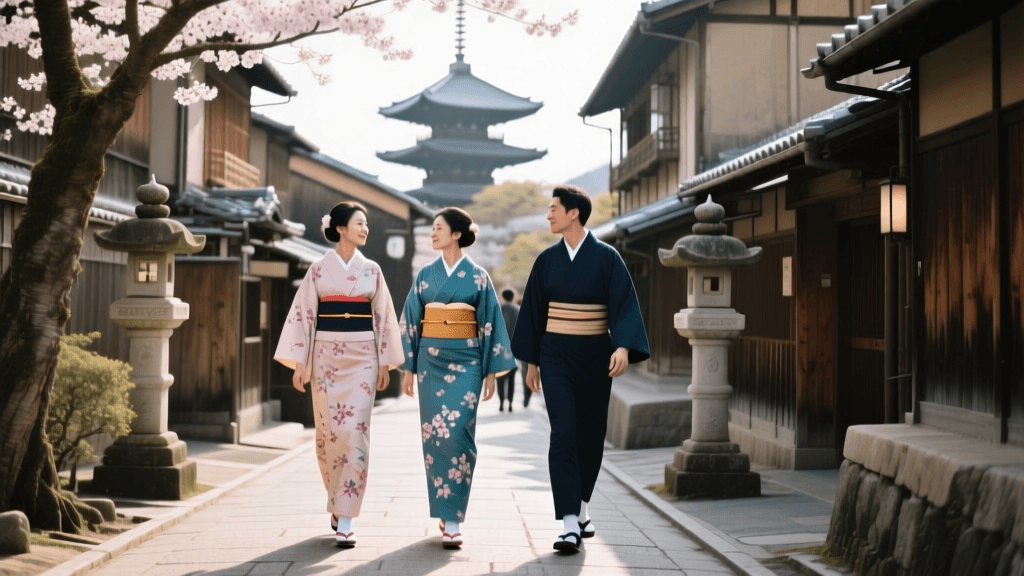
Kyoto, with its preserved wooden machiya townhouses, serene Zen gardens, and historic shrines, offers an unparalleled backdrop for immersing oneself in Japanese culture. For many international visitors, the ultimate Kyoto experience involves donning a traditional kimono and strolling through the ancient streets. However, navigating the myriad of rental shops, understanding the associated costs, and observing proper cultural etiquette can be daunting for first-timers. This comprehensive guide will walk you through everything you need to know about the kimono rental experience in Kyoto, ensuring your sartorial adventure is both respectful and unforgettable.
The Rise of the Kimono Rental Experience
Historically, the kimono was the standard daily attire for Japanese citizens. However, post-World War II westernization relegated the garment to special occasions such as weddings, coming-of-age ceremonies, and tea ceremonies. In the early 2000s, a cultural renaissance began. Local artisans and tourism boards recognized that visitors deeply desired a tactile connection to Japanese heritage. According to the Kyoto City Tourism Association, the proliferation of kimono rental shops transformed the city's streetscapes, turning historic districts into vibrant, living museums where tourists and locals alike celebrate traditional textiles.
Today, renting a kimono is not merely about wearing a costume; it is an act of cultural participation. It supports local textile artisans, preserves traditional dressing techniques (kitsuke), and allows visitors to experience the physical grace and mindfulness required to wear the garment. As noted by cultural commentators in The Japan Times, the kimono rental boom has played a vital role in sustaining the traditional silk weaving and dyeing industries in regions like Nishijin and Yuzen, which might have otherwise faced extinction due to declining domestic demand.
Understanding Your Options: Types of Rental Kimono
When you walk into a rental shop, you will be presented with a dizzying array of colors, patterns, and garment types. Understanding the basic categories will help you choose the right attire for your season, itinerary, and personal style.
Komon (Everyday Kimono)
The komon is characterized by its repeating, all-over patterns. It is the most common and versatile type of kimono available for rent. Because it is considered casual to semi-formal everyday wear, it is perfectly suited for sightseeing, visiting temples, and casual dining. The sleeves are relatively short, making it easy to manage while walking or eating.
Yukata (Summer Casual)
If you are visiting Kyoto between July and September, the yukata is your best option. Made from breathable, lightweight cotton, the yukata is unlined and worn with a simpler half-obi (sash) and wooden geta sandals. It is the traditional attire for summer matsuri (festivals) and fireworks displays. While less formal than a silk kimono, it offers immense comfort during Kyoto's notoriously humid summers.
Furisode (Formal Unmarried Women)
The furisode is instantly recognizable by its long, swinging sleeves that can reach down to the ankles. Traditionally worn by unmarried women for formal events like the Seijin Shiki (Coming of Age Day), renting a furisode allows tourists to experience the pinnacle of kimono opulence. Be warned: the long sleeves require careful management, and the heavy silk brocade can be warm, making it best suited for autumn or winter strolls.
Hakama (Traditional Trousers/Skirt)
Often associated with university graduations, martial arts, or shrine maidens (miko), the hakama is a pleated, divided skirt worn over a kimono. It is a popular rental choice for those seeking a scholarly, vintage, or slightly more androgynous aesthetic. It is also generally easier to walk in, as the pleated fabric allows for a wider stride.
Cost Breakdown: What to Expect
Pricing in the kimono rental industry is highly transparent, but the final cost can vary significantly based on the add-ons you select. Most shops operate on a base-rate system, allowing you to customize your experience. Below is a comparative chart of average rental tiers in Kyoto.
| Rental Tier | Average Cost (JPY) | Inclusions | Best For |
|---|---|---|---|
| Basic Komon | 3,000 - 5,000 | Kimono, obi, basic accessories, zori sandals | Budget travelers, casual strolls |
| Premium / Lace | 5,000 - 8,000 | Designer kimono, lace obi, hair styling, vintage bags | Photography, special dates |
| Furisode | 8,000 - 15,000 | Long-sleeve formal kimono, full styling, premium obi | Winter shoots, formal aesthetics |
| Yukata (Summer) | 2,500 - 4,000 | Cotton yukata, half-obi, geta sandals, hair accessories | Summer festivals, heat comfort |
Hidden Costs to Watch For: Many shops charge extra for professional hair styling (1,500 - 3,000 JPY), premium lace collars (han-eri), and seasonal accessories like winter muffs or summer parasols. Additionally, some shops require a refundable deposit or offer an optional insurance fee (around 500 JPY) to cover accidental stains or tears.
Top Districts for Your Kimono Stroll
The Japan National Tourism Organization (JNTO) highlights several key areas in Kyoto that are particularly suited for kimono photography and strolling. However, the terrain and crowds vary greatly.
Higashiyama (Kiyomizu-dera and Sannenzaka)
This is the most iconic kimono backdrop in Kyoto. The sloping, stone-paved streets of Ninenzaka and Sannenzaka, lined with wooden shops and leading up to the majestic Kiyomizu-dera temple, offer breathtaking photo opportunities. Warning: The hills are steep, and wearing traditional zori sandals on cobblestones can be exhausting. Visit early in the morning (around 8:00 AM) to beat the massive crowds.
Arashiyama
Located in western Kyoto, Arashiyama is famous for its towering bamboo groves, the Togetsukyo Bridge, and Tenryu-ji temple. The relatively flat terrain makes it much easier to walk in kimono and sandals compared to Higashiyama. It is an excellent choice for those who want a nature-centric backdrop.
Gion
The historic geisha district of Gion, particularly the Hanamikoji Street and the area around Yasaka Shrine, offers a more refined, atmospheric stroll. While you may be lucky enough to spot a geiko or maiko, remember that they are working professionals. It is strictly forbidden to block their path, touch them, or use flash photography. Renting a kimono here allows you to blend into the elegant atmosphere respectfully.
Essential Etiquette and Cultural Respect
Wearing a kimono is a privilege and an opportunity to embody Japanese grace. Treating the garment with respect is paramount.
- The Collar Rule: The left side of the kimono must always overlap the right side. Crossing right-over-left is strictly reserved for dressing the deceased for funerals. Reputable dressers will ensure this is correct, but it is wise to check a mirror before leaving the shop.
- Walking: Take smaller steps than you normally would. The narrow hemline of the kimono restricts your stride. When walking up stairs, gently lift the front hem with one hand to prevent stepping on it and to keep the fabric clean.
- Sitting: Avoid slouching, as this will cause the obi (sash) to bulge awkwardly and wrinkle the back of the kimono. Sit on the edge of chairs, keeping your back straight. If sitting on tatami mats, arrange your sleeves neatly on your lap.
- Eating: Kimono sleeves are long and can easily dip into soup or sauces. Use your non-dominant hand to hold the sleeve back while eating. Many rental shops provide a small traditional paper napkin (kaishi) which you can tuck into your collar to protect the silk from food splatters.
- Bathroom Management: Using a restroom in a kimono requires strategy. Always use a Western-style toilet if available. Gather all the layers of your kimono and undergarments (juban) and secure them with a specialized kimono clip or a large hair claw clip (often provided by the rental shop) to keep the fabric off the floor.
Cultural Note: A kimono is not a costume; it is a profound cultural artifact with centuries of history woven into its silk. Approach the experience with mindfulness, respecting the artisans who created the textile and the dressers who spent years mastering the art of kitsuke.
Practical Tips for a Seamless Experience
Undergarments and Footwear
The shape of a kimono is meant to be cylindrical, minimizing the body's natural curves. To achieve this, wear a well-fitting sports bra and seamless, low-rise underwear. Avoid high-waisted garments or bulky clothing underneath. The shop will provide a juban (under-kimono) and koshi-himo (tying cords). For footwear, the shop provides tabi (split-toe socks) and zori (sandals). If you have larger feet, notify the shop in advance, as traditional tabi sizing can be limited for international visitors.
Timing and Reservations
Do not rely on walk-in availability, especially during peak seasons like the spring cherry blossoms (sakura) or the autumn foliage (koyo). Book your appointment online weeks in advance. Aim for the first time slot of the day (usually 9:00 AM). This gives you the maximum amount of time to explore before the afternoon crowds swell and before the shop's return deadline, which is typically between 5:00 PM and 6:30 PM.
Weather Considerations
Kyoto's weather can be unpredictable. In the winter, the silk provides little insulation. Rent a plush winter shawl, a fleece-lined under-kimono, and consider bringing thermal leggings to wear beneath the kimono (they will not be visible). In the summer, apply sweat-absorbing powder and stay hydrated, as the layers can cause heat exhaustion. If rain is in the forecast, most shops rent out clear raincoats and protective sandals covers, but it is highly recommended to reschedule, as rain can stain silk and ruin the experience.
Conclusion
Renting a kimono in Kyoto is more than a photo opportunity; it is a tactile journey into the heart of Japanese aesthetics, history, and craftsmanship. By understanding the nuances of the garment, budgeting for the right experience, and adhering to traditional etiquette, you ensure that your walk through the ancient capital is as graceful as it is memorable. Whether you are sipping matcha in a centuries-old teahouse or watching the sunset over the Kamo River, the kimono transforms your journey from a simple visit into a living piece of art.