Kimono Care Calendar: Seasonal Textiles and Fabric Maintenance Guide
The Art of Koromogae: Understanding Kimono Seasonality
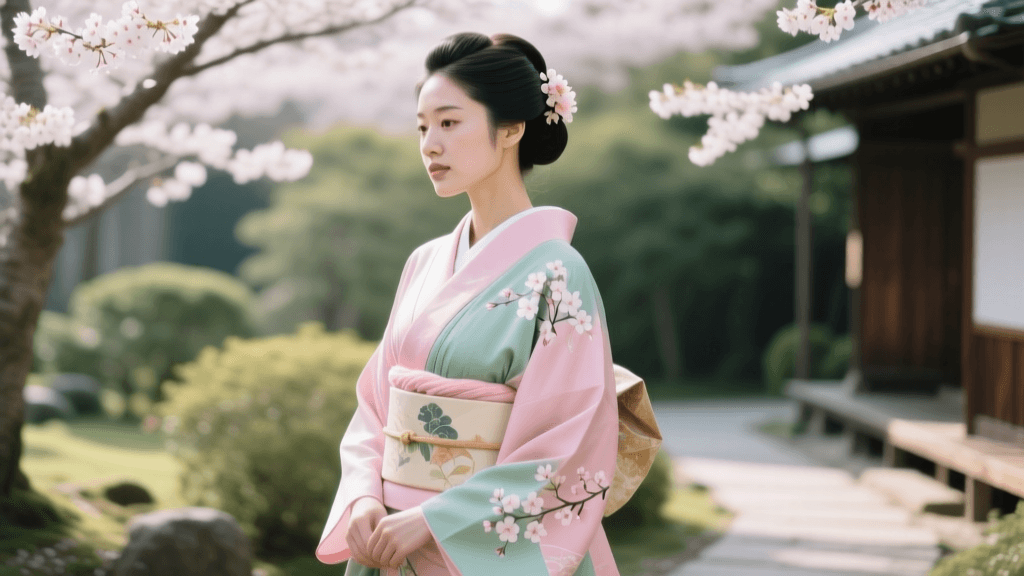
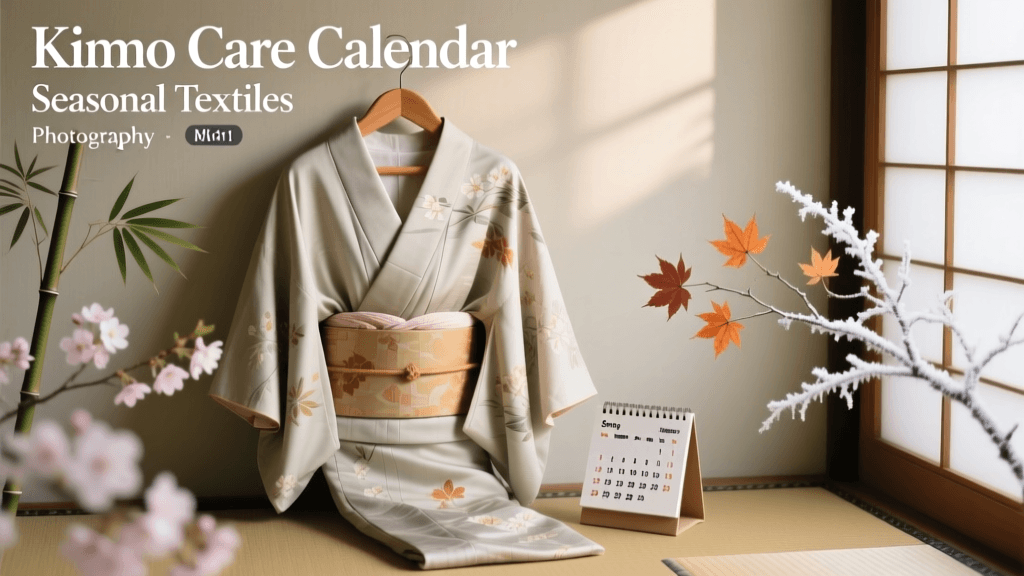
In Japan, the transition of seasons is not merely a meteorological event but a profound cultural ritual, nowhere more evident than in the practice of koromogae (衣替え), the seasonal changing of the wardrobe. For traditional Japanese garments, particularly the kimono, adhering to this calendar is a mark of refinement and respect for the natural world. The Metropolitan Museum of Art notes that the kimono has historically served as a canvas for seasonal motifs, but the physical construction and weight of the textile are equally bound to the time of year. Understanding the intersection of textile weight, seasonality, and meticulous fabric care is essential for preserving these heirloom garments for future generations.
Unlike Western fashion, which often relies on layering heavy coats over lightweight base garments, traditional Japanese dress dictates that the kimono itself must change in weight, weave, and lining to match the ambient temperature and humidity. This requires a rigorous annual calendar of wearing, airing, cleaning, and storing to prevent silk degradation, mold growth, and insect damage.
Textile Weight and Material Guide by Season
The Japanese kimono calendar is broadly divided into three main seasonal categories based on the garment's lining and the textile's weave density. The Victoria and Albert Museum highlights how the structural integrity and breathability of silk, hemp, and cotton weaves were engineered specifically for Japan's distinct humid summers and crisp autumns.
| Season | Months | Garment Type | Primary Textiles | Fabric Weight & Weave Characteristics |
|---|---|---|---|---|
| Spring / Autumn / Winter | October to May | Awase (Lined) | Silk Chirimen (crepe), Tsumugi (pongee), Wool blends | Medium to Heavy. Lined with habutae silk. Tight weaves provide wind resistance and insulation. |
| Early Summer / Early Autumn | June and September | Hitoe (Unlined) | Silk Tsumugi, Ro (gauze), Cotton | Medium Weight. Completely unlined. Slightly looser weave allows for moderate airflow during transitional humidity. |
| High Summer | July and August | Natsugono (Sheer) | Hemp (Asa), Linen, Silk Sha/Ro | Lightweight. Sheer, open leno-weaves. Highly breathable, designed to wick moisture and dry rapidly in extreme humidity. |
Wearing an awase (lined kimono) in July is considered a severe sartorial faux pas, just as wearing a sheer sha weave in November suggests a lack of seasonal awareness. The physical weight of the fabric ranges from roughly 400 grams for a sheer hemp summer yukata to over 900 grams for a fully lined, heavy silk crepe winter kimono.
The Annual Kimono Fabric Care Calendar
Proper maintenance of traditional textiles requires a proactive, scheduled approach. The cornerstone of kimono care is mushiboshi (insect airing), a bi-annual ritual designed to air out garments, check for stains, and prevent mold and insect infestations.
Spring Airing (Late March to Mid-April)
- Target: Winter and heavy autumn garments before long-term storage.
- Timing: Choose a dry, breezy day with low humidity (avoid the rainy season). Air garments in the shade between 10:00 AM and 2:00 PM.
- Action: Hang kimonos on specialized bamboo poles or wide, padded hangers for 2 to 3 hours. Never use wire hangers, as they distort the shoulder seams (kata-yama).
- Inspection: Check the hem (suso) and collar (eri) for sweat stains or makeup transfer, which will oxidize and permanently set if stored for six months.
Autumn Airing (Late October to Mid-November)
- Target: Summer sheers, yukatas, and hitoe garments before winter storage; preparing winter garments for the upcoming season.
- Timing: Late autumn offers the ideal crisp, dry air necessary for driving out the moisture absorbed during Japan's humid summer.
- Action: Air summer garments for 3 hours. Gently brush silk weaves with a soft, natural-bristle garment brush in the direction of the weave to remove dust.
Professional Cleaning vs. Traditional Arai-Hari
When inspection reveals stains, or after a garment has been worn heavily for a season, cleaning is required. Modern kimono owners must choose between standard petroleum-based dry cleaning and the traditional arai-hari method.
Modern Dry Cleaning
Standard kimono dry cleaning uses specialized petroleum solvents that are gentle on silk dyes and metallic threads. It is ideal for spot-cleaning collars and hems or refreshing a garment at the end of a wearing season. Cost: Approximately 5,000 to 8,000 JPY ($35 - $55 USD) per garment. Warning: Frequent dry cleaning can strip silk of its natural sericin proteins, leading to brittleness over decades.
Traditional Arai-Hari (Wash and Stretch)
Arai-hari is a meticulous, historical process where the kimono is completely unpicked at the seams, returning it to its original flat, rectangular fabric panels (tanmono). These panels are washed in water with mild, pH-neutral soap, stretched on bamboo frames to dry, and then re-sewn by a kimono tailor (shitateya). The Japanese Ministry of Economy, Trade and Industry (METI) recognizes the artisans who perform these traditional textile maintenance techniques as vital preservers of Japanese craft heritage. Cost: 12,000 to 15,000 JPY for washing and stretching, plus an additional 15,000 to 30,000 JPY for re-sewing. Use Case: Recommended once every 10 to 15 years for heirloom silks, or immediately if a garment suffers water damage or severe overall soiling.
Essential Storage Materials and Practices
How a kimono is folded and stored dictates its lifespan. Silk is a protein fiber, highly susceptible to acid migration, moisture trapping, and insect predation.
Tatou-shi (Wrapping Paper)
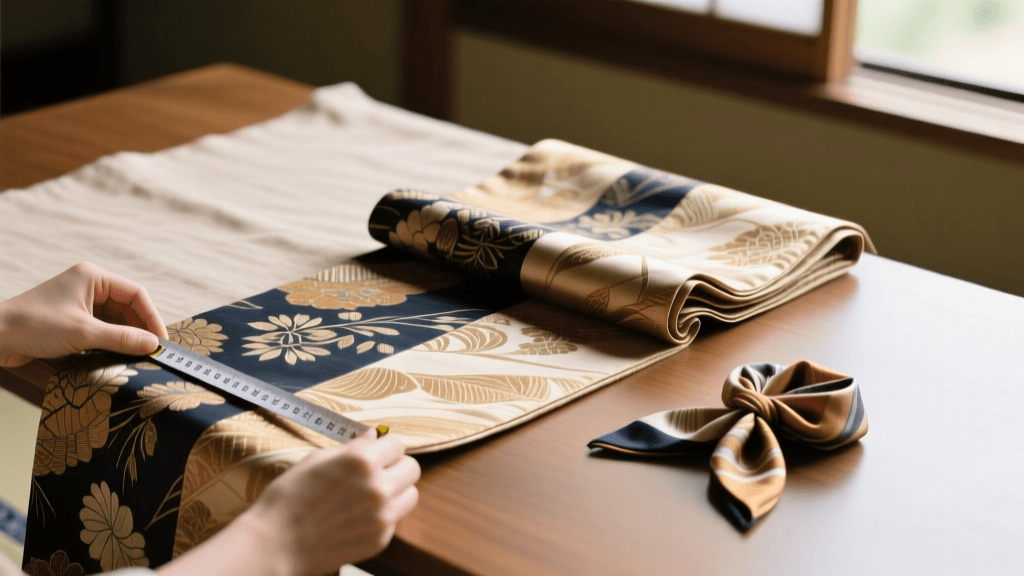
Never store a silk kimono in plastic bags; plastic traps moisture and off-gasses chemicals that yellow silk. Instead, wrap the folded kimono in tatou-shi, a specialized, acid-free washi (Japanese paper). Standard dimensions are roughly 40cm x 60cm, allowing the kimono to be folded into a neat rectangle without sharp creases hitting the same embroidered areas repeatedly. A pack of five high-quality tatou-shi sheets costs around 1,500 JPY.
Kiri-bako (Paulownia Wood Boxes)
For long-term storage, the gold standard is the kiri-bako, a box crafted from Paulownia wood. Paulownia is uniquely suited for textile preservation because its cellular structure expands in high humidity to create an airtight seal against moisture, and contracts in dry conditions to allow the wood to breathe. Furthermore, the wood contains natural tannins that repel insects. A standard single-kimono kiri-bako (approx. 35cm x 25cm x 8cm) ranges from 15,000 to 40,000 JPY depending on the joinery and finish.
Desiccants and Insect Repellents
Place silica gel packets or traditional camphor blocks in the corners of the storage box, but never let them touch the silk directly. Direct contact with concentrated desiccants can cause localized dehydration of the silk fibers, leading to micro-tears. For insect prevention, natural pyrethrum-based repellents or hinoki (cypress) wood chips are preferred over harsh chemical mothballs, which can react with metallic gold and silver threads, causing them to tarnish black.
Conclusion
Maintaining a traditional Japanese wardrobe is an active, year-round commitment that bridges the gap between historical artistry and modern preservation science. By respecting the koromogae calendar, understanding the specific weights and weaves of seasonal textiles, and investing in proper storage and traditional cleaning methods like arai-hari, collectors and wearers ensure that these magnificent garments remain vibrant, wearable pieces of living history.