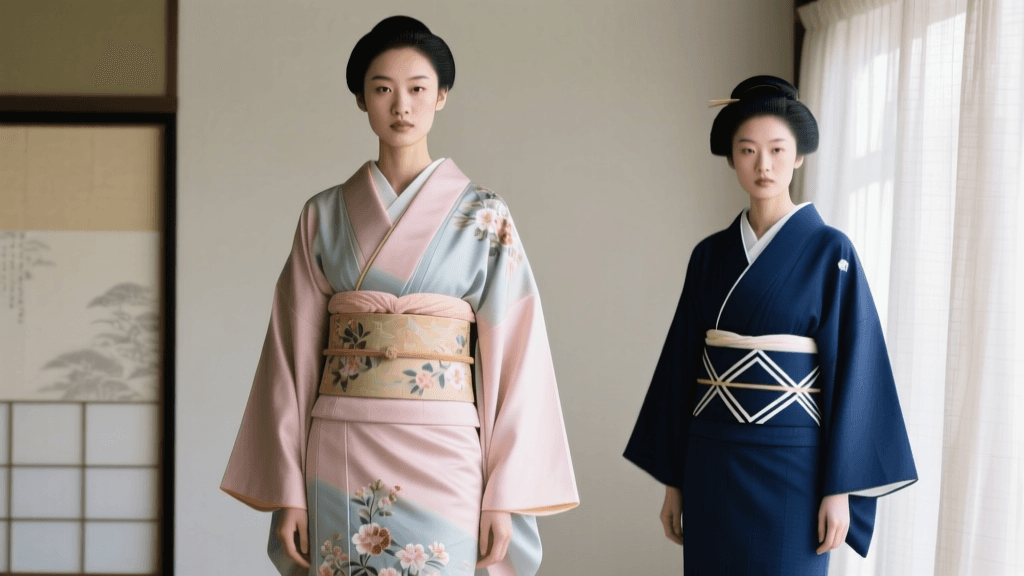
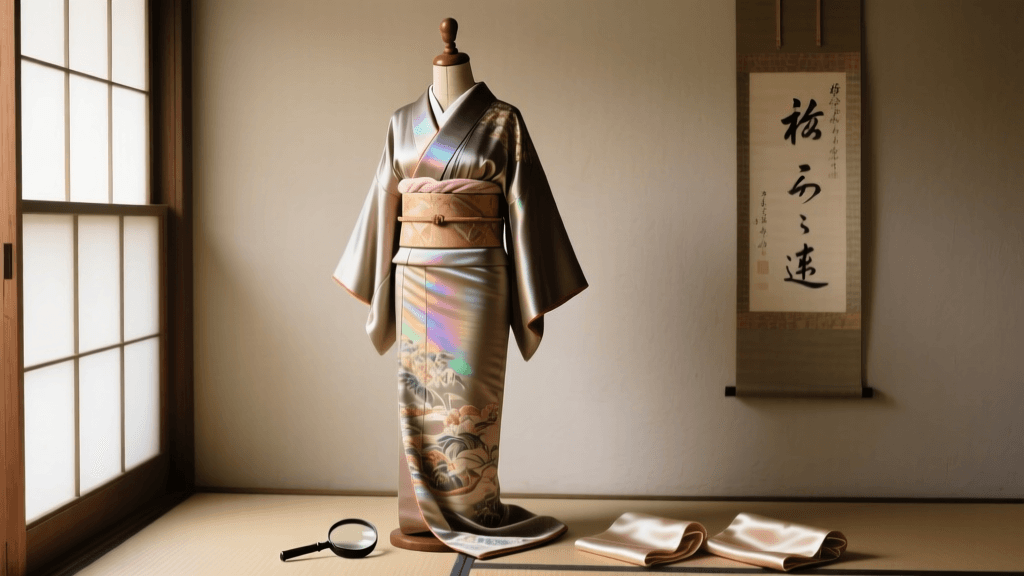
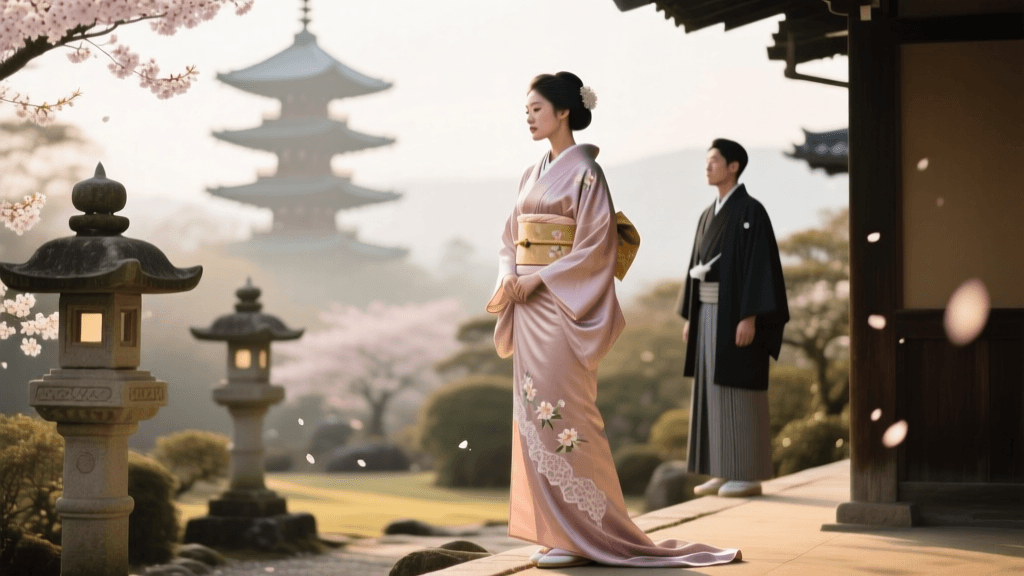
Hanfu Travel Wardrobe 2026: Best Packing & Destination Styles
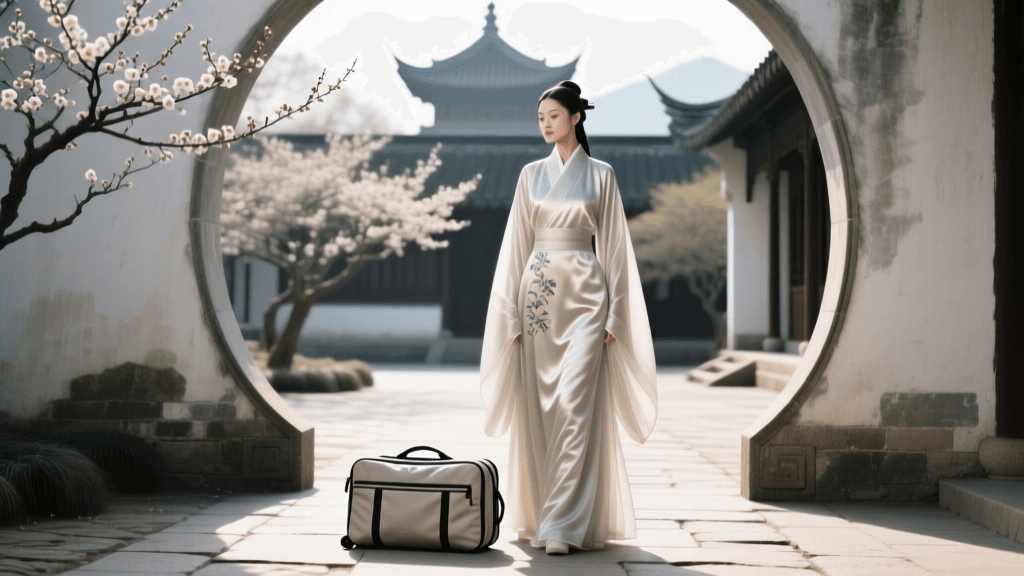
The Global Rise of the Hanfu Traveler in 2026
The year 2026 has firmly established Hanfu not just as a cultural revival, but as a global travel phenomenon. From the bustling streets of Shanghai to the historic temples of Kyoto, and even the cobblestone alleys of Prague, travelers are increasingly curating destination-specific traditional Chinese wardrobes. However, packing intricate, multi-layered garments with delicate embroidery and sweeping silks presents a unique logistical challenge. Whether you are embarking on a dedicated photography tour or integrating traditional dress into a modern vacation, mastering the art of the Hanfu travel wardrobe is essential. This comprehensive guide explores the best destination-specific styles, cutting-edge 2026 fabric technologies, and wrinkle-free packing techniques to ensure your garments look immaculate no matter where your travels take you.
Building Your Destination-Specific Hanfu Wardrobe
Choosing the right historical style and fabric weight is the first step in curating a functional travel wardrobe. The diverse climates of popular travel destinations require strategic selections to ensure both comfort and aesthetic authenticity.
Tropical and Humid Climates (e.g., Hainan, Southeast Asia)
For humid and tropical destinations, breathability is paramount. The Song Dynasty Beizi (a lightweight, open-front jacket) paired with a simple pleated skirt or wide-leg trousers is the ideal choice. In 2026, the market is dominated by Tencel-linen blends and cupro fabrics, which offer the drape and sheen of silk but possess superior moisture-wicking properties. Avoid heavy brocades or multi-layered Tang dynasty styles, which can become uncomfortably heavy when exposed to high humidity and sudden tropical downpours.
Temperate and Urban Environments (e.g., Tokyo, Paris, Shanghai)
Urban exploration requires a balance of elegance and mobility. The Ming Dynasty Mamianqun (horse-face skirt) remains the undisputed champion of urban Hanfu travel. Its structured pleats and flat front panels look exceptionally striking against modern architectural backdrops. Pair it with a contemporary silk blouse or a streamlined Ao (jacket). For city travel, opt for wrinkle-resistant synthetic silk blends that have been engineered in 2026 to repel water and resist staining from street food or sudden rain showers.
Cold Weather and Highland Regions (e.g., Hokkaido, Northern Europe)
Winter travel calls for the majestic layering of the Ming Dynasty Aoqun or the Tang Dynasty round-collar Paoshan. Modern Hanfu brands have introduced thermal-lined underlayers and detachable faux-fur collars (Piling) that provide genuine warmth without sacrificing historical silhouettes. Wool-blend Mamianqun skirts are highly recommended for cold climates, as they hold their pleats beautifully even in high winds and provide excellent insulation.
The 2026 Hanfu Packing Matrix
To help you visualize your wardrobe, refer to our destination matrix below. This structured approach ensures you pack the appropriate garments, underlayers, and footwear for your specific itinerary.
| Destination Climate | Recommended Style | Best 2026 Fabric Choice | Essential Underlayer | Footwear Pairing |
|---|---|---|---|---|
| Tropical / Humid | Song Dynasty Beizi & Skirt | Tencel-Linen Blend, Cupro | Bamboo moisture-wicking camisole | Breathable woven sandals |
| Temperate / Urban | Ming Dynasty Mamianqun | Wrinkle-free poly-silk blend | Anti-slip cotton petticoat | Clean white sneakers or cloud-step shoes |
| Cold / Highland | Ming Dynasty Aoqun / Paoshan | Wool-blend, thermal-lined silk | Merino wool base layer | Insulated leather ankle boots |
| Arid / Desert | Tang Dynasty Qixiong Ruqun | Lightweight chiffon, raw silk | UV-protective seamless slip | Soft-soled embroidered flats |
Wrinkle-Free Packing Techniques for Delicate Silks
The greatest enemy of a Hanfu traveler is the suitcase wrinkle. Traditional folding methods will ruin the crisp pleats of a Mamianqun and leave deep creases in silk jackets. In 2026, experienced travelers rely on a combination of specialized luggage gear and specific folding techniques.
The Ranger Roll and Skirt Boards
For upper garments like the Beizi or Ao, the "Ranger Roll" method is highly effective. Lay the garment flat, fold the sleeves inward, and roll tightly from the collar down to the hem. This prevents hard crease lines. For Mamianqun skirts, rolling is not recommended as it can distort the pleats. Instead, use flexible plastic skirt boards. Fold the skirt along its natural pleat lines, place it over the board, and secure it with silk-friendly Velcro straps. Store these flat in a hard-shell carry-on like the Monos or Away trunks, which feature built-in compression pads to keep garments from shifting during transit.
Silk-Lined Garment Bags
Never pack raw silk directly against synthetic suitcase linings or rough denim. Invest in a breathable, silk-lined garment bag. The smooth interior reduces friction, which is the primary cause of micro-tears and fabric pilling during travel. For long-haul flights, hanging your most delicate pieces in the airplane closet is a courtesy that most major international airlines still accommodate if requested politely at boarding.
Essential Travel Accessories and Modern Underlayers
A flawless Hanfu silhouette relies heavily on what is worn underneath. The traditional wardrobe has been revolutionized by modern undergarments designed specifically for travel and comfort.
- Anti-Slip Petticoats: Silk skirts can be notoriously slippery. A lightweight, cotton-blend petticoat with a silicone-grip waistband ensures your Mamianqun stays securely at your natural waist without the need for constant adjustment while walking through crowded tourist sites.
- Moisture-Wicking Bamboo Undershirts: Essential for summer travel, bamboo-fiber undershirts absorb sweat and protect your expensive outer silk layers from body oils and deodorant stains.
- Magnetic Closures and Fashion Tape: Travel involves movement, wind, and crowds. Carry a small kit of double-sided fashion tape and spare magnetic clasps to secure overlapping collars and wrap skirts, ensuring modesty and structural integrity in windy conditions.
- Statement Hairpieces with Travel Cases: Elaborate updos are a hallmark of Hanfu styling. Invest in lightweight, resin-based hairpins and faux-hair extension pieces that come in rigid, crush-proof cylindrical cases to prevent damage in your carry-on.
Garment Care on the Go
Even with the best packing techniques, garments may need refreshing upon arrival. Relying on hotel ironing services is risky, as many commercial laundries are unfamiliar with the delicate temperature requirements of traditional Chinese textiles.
Portable Steamers and Stain Removal
The most vital tool in your 2026 travel kit is a high-quality, dual-voltage portable steamer. Models like the Conair Turbo ExtremeSteam Handheld Steamer offer powerful, continuous steam that relaxes silk fibers and resets pleats in minutes without the burn risk associated with traditional metal irons. Always steam garments from the inside out to protect delicate embroidery and metallic threads from direct heat.
Additionally, pack a specialized enzymatic stain removal pen. Street food tours and outdoor tea ceremonies pose a spill risk; treating a stain immediately with a gentle, silk-safe enzyme pen can save a garment from permanent damage before you can return to your hotel.
Navigating Cultural Sites and Photography Etiquette
When traveling in Hanfu, you are not just a tourist; you are an ambassador of traditional Asian culture. Many travelers visit UNESCO World Heritage sites to capture the perfect photograph. It is vital to respect the preservation rules of these historic locations. According to guidelines on sustainable tourism and heritage site preservation, visitors must ensure their activities do not degrade the physical site or disrupt local communities.
When wearing sweeping skirts, be mindful of muddy paths, ancient stone steps, and fragile gardens. Utilize skirt-holding techniques—gently gathering the front pleats when ascending stairs or walking through dense foliage—to prevent dragging your hem through dirt and moisture. Furthermore, when visiting active temples or sacred spaces, opt for more modest, high-collared Ming-style garments rather than bare-shouldered Tang-style summer wear, demonstrating respect for local religious customs.
Understanding Textile Heritage
Part of the joy of traveling in Hanfu is connecting with the deep history of Asian textiles. Before your trip, take time to research the specific weaving and dyeing techniques of the garments you are packing. Institutions like the Victoria and Albert Museum's Asian Collections offer incredible digital and physical resources on the history of silk weaving, embroidery motifs, and natural dyeing processes across different dynasties. Similarly, the Metropolitan Museum of Art's Asian Art department provides profound insights into how historical garments were constructed and worn. Understanding the symbolism behind the clouds, cranes, or peonies embroidered on your Aoqun will deeply enrich your travel experience and allow you to share the cultural significance of your attire with curious locals and fellow travelers.
Conclusion
Traveling with a Hanfu wardrobe in 2026 is a rewarding endeavor that blends historical elegance with modern logistical planning. By selecting climate-appropriate styles, utilizing wrinkle-free packing matrices, and equipping yourself with the right modern underlayers and care tools, you can ensure your traditional garments remain pristine throughout your journey. Whether you are capturing sunrise at a historic pavilion or navigating a modern metropolis, your carefully curated Hanfu travel wardrobe will allow you to move through the world with grace, confidence, and a profound connection to Asian cultural heritage.