2026 Hanfu Fabric Drape & Comfort: Xin Zhongshi Textile Guide
noah tanaka·
The Xin Zhongshi (New Chinese Style) movement has fundamentally redefined the Hanfu landscape by 2026. No longer confined to historical reenactments or niche subcultures, traditional Chinese garments have seamlessly integrated into modern global wardrobes. At the heart of this evolution is a sophisticated understanding of fabric texture, drape (悬垂性), and tactile comfort. For contemporary enthusiasts and designers alike, selecting the right textile is no longer just about visual aesthetics; it is a complex calculation involving physics, skin microbiome health, and everyday practicality.
The Physics of Drape: Why Fabric Weight and Weave Matter
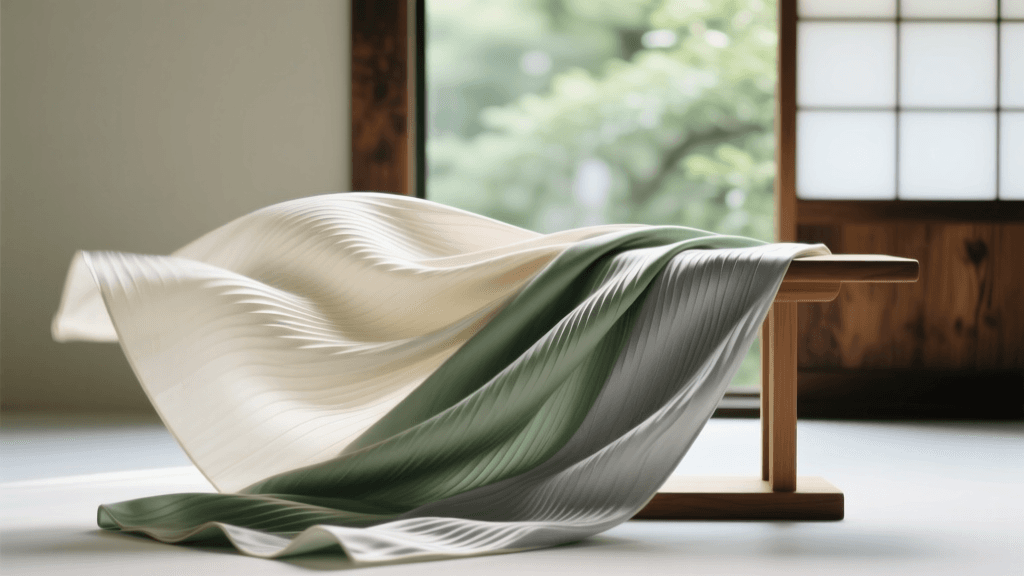
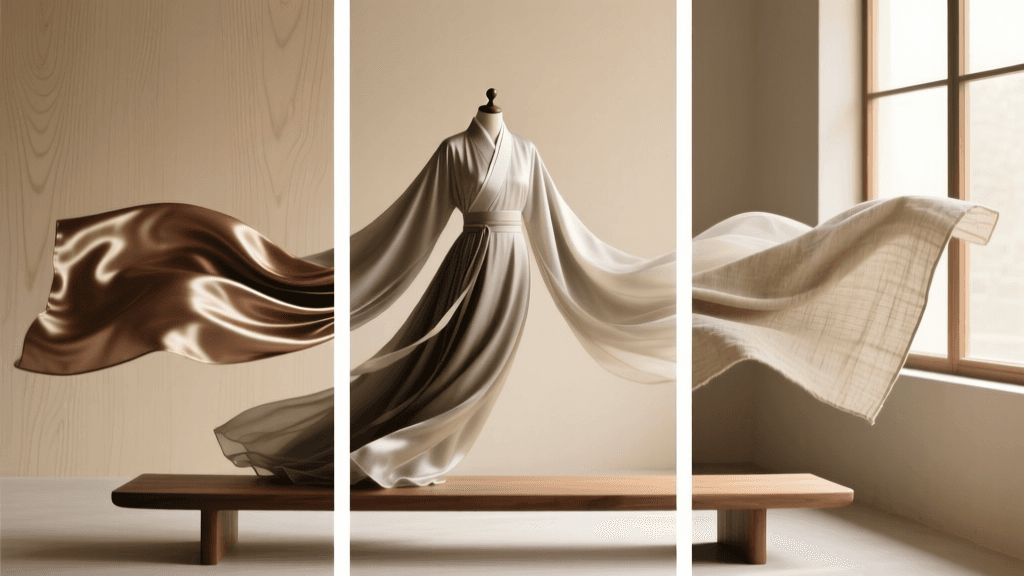
In textile engineering, drape refers to the ability of a fabric to hang in folds under its own weight. For traditional Hanfu silhouettes, the drape coefficient dictates the entire structural integrity of the garment. Consider the iconic Mamianqun (horse-face skirt). A fabric with a high drape coefficient, such as a lightweight mulberry silk, will cause the pleats to collapse and billow softly, creating an ethereal, flowing silhouette. Conversely, a stiffer fabric with a lower drape coefficient, like a heavily woven brocade or gambiered silk, will force the pleats to stand sharply, creating a structured, architectural profile. Historically, the quest for the perfect drape drove centuries of innovation. As documented by the UNESCO Silk Roads project, ancient exchanges across Eurasia introduced new weaving techniques and fiber blends that dramatically altered how garments hung on the body. Today, in 2026, modern textile labs utilize 3D body scanning and digital drape simulation to engineer fabrics specifically for Xin Zhongshi designs. These laboratories adhere to rigorous testing methodologies, such as those outlined by ASTM International textile standards, to measure bending length, flexural rigidity, and shear stiffness, ensuring that modern Hanfu fabrics perform flawlessly in dynamic, real-world environments.2026 Fabric Comparison: Traditional Silks vs. Modern Blends
The 2026 market offers an unprecedented variety of textiles, bridging the gap between ancient heritage and contemporary material science. Below is a comprehensive analysis of the most prominent fabrics used in modern Hanfu and Xin Zhongshi apparel.| Fabric Type | Drape Coefficient | Breathability | Best Hanfu Style | 2026 Avg. Cost (per meter) |
|---|---|---|---|---|
| Mulberry Silk (19 Momme) | High (Fluid) | Excellent | Summer Ruqun, Beizi | $45 - $65 |
| Xiangyunsha (Gambiered Silk) | Medium-Stiff | Good | Autumn Aoqun, Mamianqun | $130 - $190 |
| Cupro-Tencel Xin Zhongshi Blend | Very High (Heavy Fluid) | Superior | Everyday Mamianqun, Wide-leg Pants | $28 - $40 |
| Slub Linen-Cotton | Low (Structured) | Exceptional | Spring Songku, Casual Beizi | $18 - $30 |
| Recycled PET Jacquard | Medium | Moderate | Winter Pifeng, Outerwear | $22 - $35 |
The Rise of Cupro-Tencel Blends
The undisputed champion of the 2026 Xin Zhongshi movement is the Cupro-Tencel blend. Cupro, a regenerated cellulose fiber derived from cotton linter, offers the luxurious sheen and smooth skin-feel of silk, while Tencel (lyocell) provides exceptional moisture-wicking properties and a heavier, more dramatic drape. When woven together, they create a fabric that mimics the fluid movement of historical silk but possesses the durability and machine-washability required for modern urban commuting. This blend has become the default choice for everyday Mamianqun, as its weight holds the pleats beautifully without the delicate maintenance required by pure silk.Xiangyunsha: The Soft Gold of the South
For connoisseurs seeking historical authenticity and unique texture, Xiangyunsha (gambiered Canton gauze) remains highly coveted. This fabric undergoes a grueling, eco-friendly dyeing process using the juice of the gambier plant and iron-rich river mud. The resulting chemical reaction creates a dual-toned fabric—glossy black on one side and earthy brown on the other. While its drape is stiffer than modern synthetics, Xiangyunsha possesses a unique 'rustling' acoustic quality and a crisp, cooling sensation against the skin, making it a premier choice for high-end autumn garments. Institutions like the Victoria and Albert Museum textile archives frequently highlight such traditional dyeing techniques as masterclasses in sustainable, pre-industrial textile engineering.Comfort Analysis: Breathability, Skin Feel, and Wellness
In 2026, comfort extends beyond mere temperature regulation; it encompasses the intersection of textile engineering and traditional wellness practices. The modern Hanfu wearer demands fabrics that support the skin's microbiome and align with holistic health principles.Wellness-Infused Textiles
A major trend this year is the integration of traditional Chinese medicine (TCM) botanicals into fabric finishing processes. Mugwort (Artemisia argyi) and honeysuckle extracts are now being encapsulated in biodegradable polymer binders and applied to linen-cotton blends. These finishes provide natural antibacterial and anti-inflammatory properties, which are particularly beneficial for the inner layers of Ruqun that sit directly against the skin. As the microcapsules slowly break down with friction and body heat, they release soothing compounds, bridging the gap between ancient wellness rituals and modern apparel.Thermoregulation in Layered Garments
Hanfu is inherently a layered clothing system. The inner garments (Zhongyi) require high breathability and moisture-wicking to prevent overheating, while the outer layers (Pifeng or Ao) require wind resistance and thermal retention. In 2026, Xin Zhongshi designers are utilizing phase-change material (PCM) microcapsules in the lining of winter Aoqun. These smart textiles absorb excess body heat when the wearer is active and release it back when the environment cools, maintaining a consistent microclimate within the garment's layers.Actionable Guide: Selecting and Maintaining High-Drape Hanfu
To build a functional, comfortable, and visually striking Hanfu wardrobe in 2026, consider the following actionable guidelines for selection and maintenance.1. Match the Drape to the Silhouette
- For flowing, ethereal looks (Beizi, Summer Ruqun): Opt for 12 to 16 momme mulberry silk or lightweight Tencel. These fabrics catch the wind and create dynamic, sweeping lines.
- For structured, formal looks (Mamianqun, Winter Ao): Choose heavy jacquards, Xiangyunsha, or blended brocades. The stiffness ensures the pleats remain razor-sharp and the collars stand perfectly upright.
- For everyday, commuter-friendly Xin Zhongshi: Rely on Cupro-Tencel or high-density cotton-linen blends. They resist wrinkling and drape elegantly without looking overly theatrical.