Xin Zhongshi Couture at Paris Fashion Week 2026 Guide
The Global Ascent of Xin Zhongshi in 2026
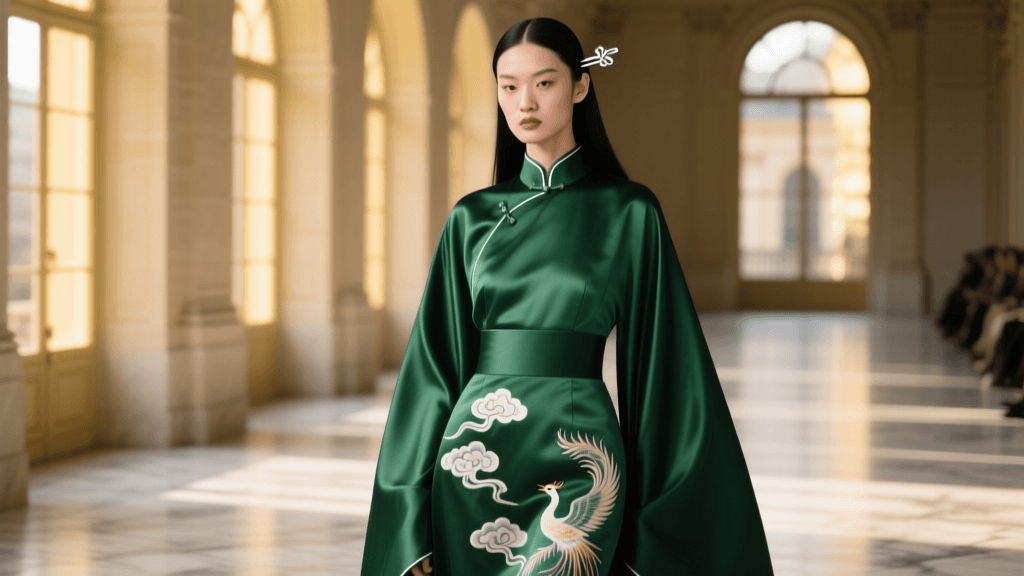
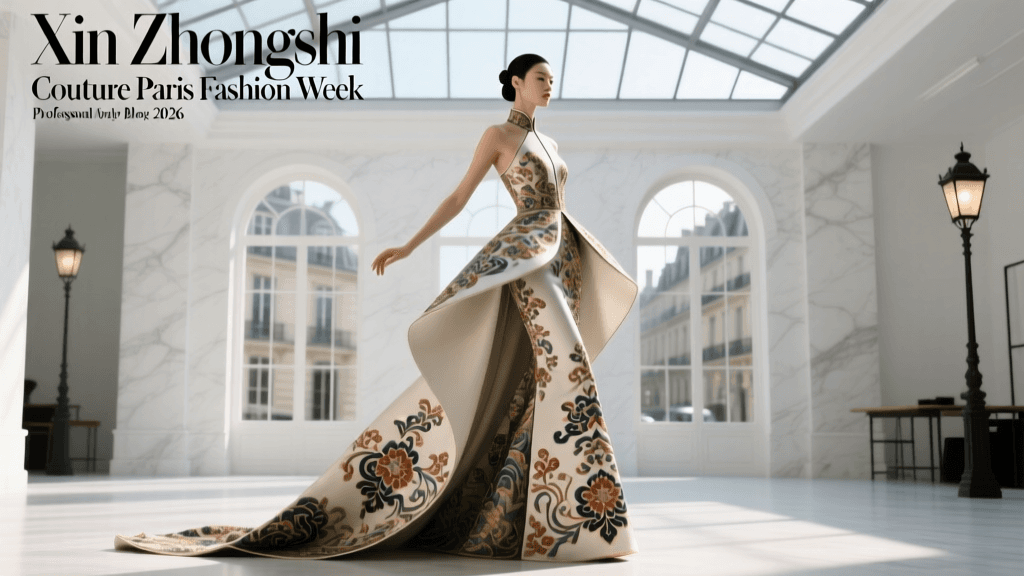
The international fashion landscape has undergone a seismic shift in 2026, with the Xin Zhongshi (New Chinese Style) movement transitioning from a regional streetwear phenomenon to a dominant force on the world's most prestigious runways. No longer confined to niche cultural festivals or domestic e-commerce platforms, Xin Zhongshi couture has officially claimed its space at Paris and Milan Fashion Weeks. This evolution represents a sophisticated departure from the literal, costume-like reproductions of the past decade. Instead, 2026's top design houses are deconstructing ancient silhouettes, reinterpreting heritage textiles, and integrating traditional Chinese philosophy into modern, wearable luxury.
According to the Fédération de la Haute Couture et de la Mode, the 2026 official schedule has seen a record-breaking 40% increase in guest members and emerging labels focusing specifically on Asian heritage textiles. Buyers, fashion historians, and cultural enthusiasts are now looking closely at how ancient techniques like mud-dyeing and complex structural pleating are being adapted for contemporary global wardrobes. This guide explores the defining textiles, drape analyses, and exhibition schedules that are shaping the Xin Zhongshi movement on the international stage this year.
Key Heritage Textiles on the 2026 Runways
The success of Xin Zhongshi in Paris and Milan this year hinges on the mastery of traditional fabrics. Designers are moving away from synthetic blends and returning to authentic, labor-intensive heritage materials, elevating them through modern tailoring.
Xiangyunsha (Gambiered Guangdong Silk)
Xiangyunsha, often referred to as 'soft gold,' has become the most sought-after textile among European luxury ateliers in 2026. Originating from the Pearl River Delta, this silk is dyed using the tannin-rich juice of the Dioscorea cirrhosa plant and subsequently coated in iron-rich river mud. The resulting fabric is naturally water-resistant, antibacterial, and possesses a distinctive crackled, leather-like patina that deepens with wear. On the Paris runways this season, Xiangyunsha was showcased in fluid, bias-cut evening gowns and structured, oversized trench coats. Due to the extreme labor intensity and limited geographical availability of the specific river mud, authentic Xiangyunsha has reached a premium market price of approximately $650 to $850 per meter in 2026.
Song Brocade (Songjin) and Structural Pleating
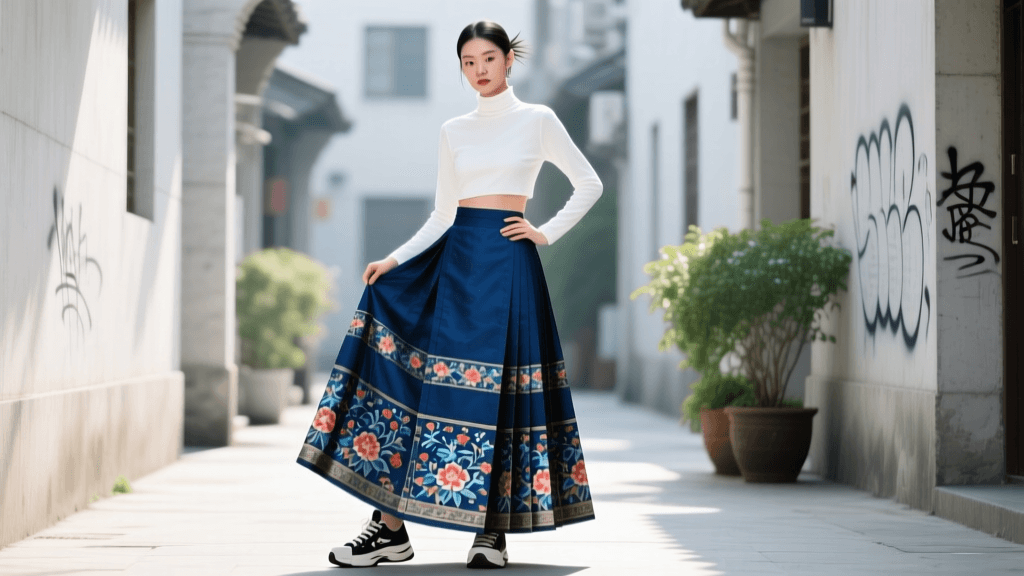
Song Brocade, historically reserved for imperial garments and elite scholars, is being reimagined for 2026's avant-garde evening wear. Unlike the heavier, stiffer Shu brocade, Songjin offers a softer drape while maintaining intricate, multi-layered geometric and floral patterns. This season, designers have introduced 'liquid metal' Song brocade, weaving ultra-fine recycled copper threads alongside traditional mulberry silk to catch the runway lights. Furthermore, the structural influence of the Mamianqun (horse-face skirt) is everywhere. Rather than copying the traditional wrap skirt, 2026 collections feature asymmetric, heat-set pleating inspired by Mamianqun architecture, applied to lightweight wool and technical organza.
Drape Analysis and Fabric Behavior
Understanding how these heritage fabrics behave in motion is critical for buyers and collectors. The drape of Xin Zhongshi garments differs significantly from Western couture, relying on gravity and structural folding rather than rigid corsetry.
- Xiangyunsha Drape: Stiff yet fluid. It holds architectural shapes beautifully, making it ideal for exaggerated collars, wide-leg trousers, and sculptural sleeves. It does not cling to the body, creating a 'floating' silhouette that aligns with traditional Daoist aesthetics of space and breath.
- Song Brocade Drape: Medium weight with a high luster. It requires precise seaming to prevent the intricate patterns from distorting at the joints. In 2026, laser-cutting technology is being used alongside traditional hand-stitching to seal the edges of Songjin, preventing fraying while maintaining a seamless drape.
- Mamianqun-Inspired Pleats: High kinetic energy. The flat front and back panels contrast with the deep, hidden side pleats, creating a dramatic expansion of volume when the wearer walks. Modern iterations use memory-fiber blends to ensure the pleats remain razor-sharp even after extended wear at international galas.
2026 International Exhibition & Showroom Guide
For industry professionals, buyers, and serious collectors, attending the right showrooms and exhibitions is essential to sourcing authentic Xin Zhongshi pieces. Below is a curated table of the most critical 2026 events where Chinese heritage fashion is being showcased.
| Event / Showroom | Location | Dates (2026) | Focus Area |
|---|---|---|---|
| Le Palais de Tokyo Heritage Pavilion | Paris, France | Feb 24 - Mar 3 | Avant-garde Xiangyunsha outerwear |
| Salone del Mobile (Fashion Crossover) | Milan, Italy | Apr 12 - Apr 17 | Song Brocade home & textile integration |
| Shanghai Tang x Dover Street Market Pop-Up | Paris, Le Marais | Mar 10 - Mar 24 | Accessible luxury Xin Zhongshi daily wear |
| Asia Society Textile Symposium | New York, USA | May 5 - May 8 | Academic research on ancient dyeing techniques |
Actionable Sourcing and Authentication Guide
As Xin Zhongshi gains global popularity, the market has unfortunately seen an influx of synthetic imitations. For collectors and boutique buyers looking to source authentic pieces post-runway in 2026, rigorous authentication is required. As documented by the Victoria and Albert Museum's Asian collections department, the structural integrity and chemical composition of traditional textiles are the primary markers of authenticity.
2026 Buyer's Checklist for Authentic Xin Zhongshi
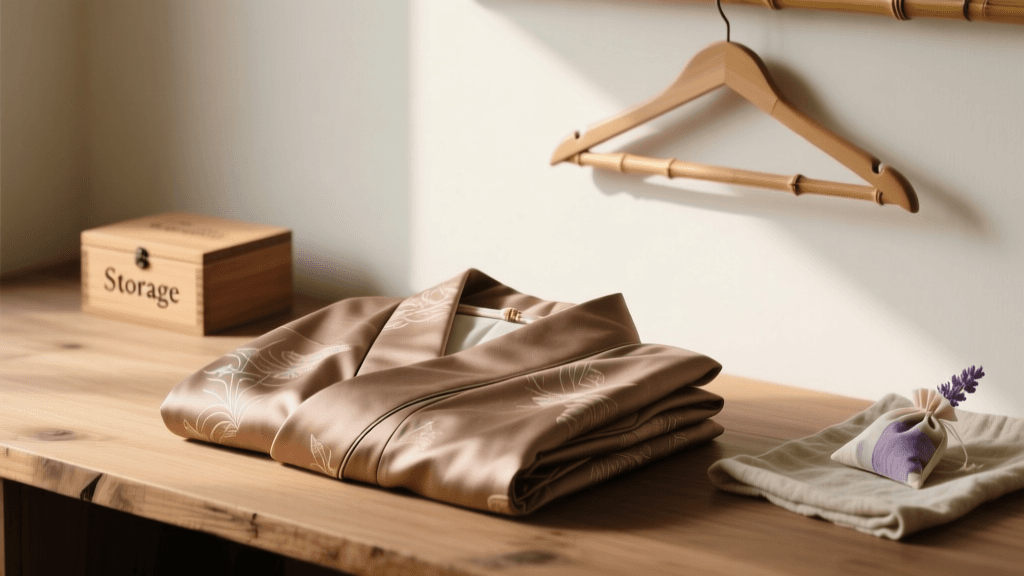
- The Scent Test for Xiangyunsha: Authentic gambiered silk retains a faint, earthy, herbal scent derived from the薯莨 (shuliang) yam and river mud. Synthetic knockoffs dyed with chemical pigments will smell like plastic or harsh petrochemicals.
- The Reverse-Pattern Check for Songjin: True Song brocade features complex, interlocking weaves where the pattern is visible (though inverted in color) on the reverse side. Printed imitations will have a blank or uniformly colored backing.
- Pan Kou (Knot Button) Construction: In authentic 2026 couture, Pan Kou knots are hand-wrapped over a core of cotton or silk yarn, never plastic wire. They should feel firm but slightly yielding, and the stitching at the base must be invisible.
- Provenance Documentation: High-end Xiangyunsha garments in 2026 are increasingly accompanied by NFC-embedded tags or blockchain certificates detailing the specific artisan cooperative in Guangdong that produced the fabric, including the harvest year of the dye plants.
The Intersection of Sustainability and Ancient Craft
One of the primary reasons Xin Zhongshi has resonated so deeply with the international fashion press in 2026 is its inherent alignment with the global demand for sustainable luxury. Long before 'eco-fashion' became a modern buzzword, traditional Chinese textile production was rooted in circular, zero-waste, and naturally regenerative practices.
The dyeing of Xiangyunsha, for instance, relies entirely on solar energy for drying and natural, biodegradable plant and mineral sources. The river mud used in the process is returned to the earth without causing chemical runoff. Furthermore, the traditional 'zero-waste' cutting methods of ancient Chinese tailoring—which utilized the entire width of the fabric loom without discarding scraps—are being heavily studied by European design students this year. Market analysis from Jing Daily indicates that luxury consumers in 2026 are prioritizing garments that offer both cultural depth and verifiable environmental sustainability, making Xin Zhongshi the perfect intersection of heritage and modern ethics.
As Paris Fashion Week concludes its 2026 season, it is abundantly clear that Xin Zhongshi is not a fleeting trend. It is a permanent, evolving dialogue between East and West, proving that the most innovative fashion of the future is deeply rooted in the meticulous, time-honored traditions of the past.